
Select your store: 2300 S. 6th Ave, Tucson

Online orders are in store pickup only.

0 $0.00
items in your cartto quote To cart
Ooops no items were found.
Try something else.
Ok
Loading…

Window Styles Explained: Which Type Fits Your Home?

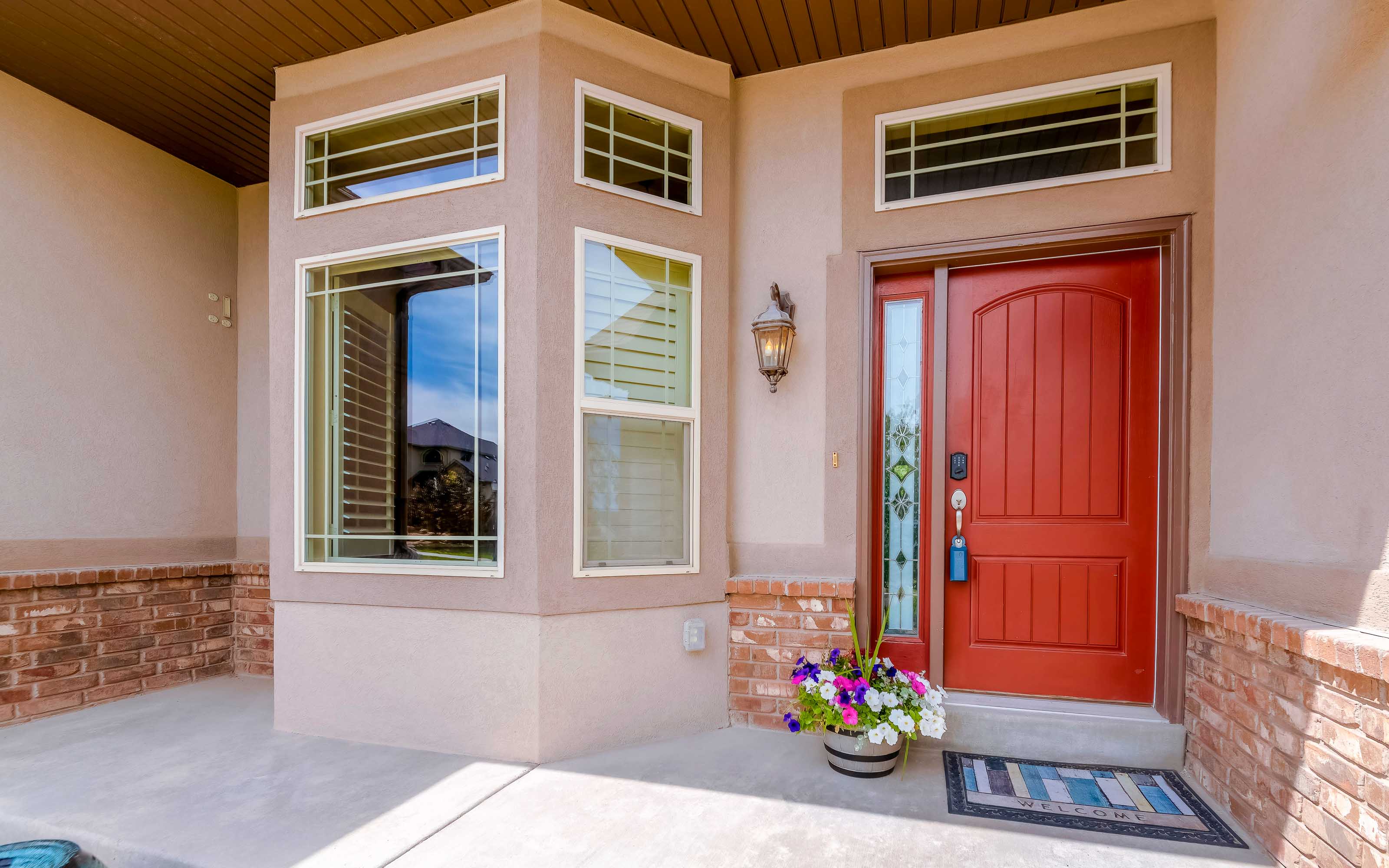
Southwestern-style home exterior featuring white-framed windows in different styles, a red paneled front door, and decorative brick accents. Southwestern-style home exterior featuring white-framed windows in different styles, a red paneled front door, and decorative brick accents.

The best window style for your home depends on how much ventilation you need, how you want to clean the glass, how well the window seals against outside air and dust, and how much direct sunlight the room receives. Understanding the different types of windows, including single-hung, double-hung, sliding, casement, awning, picture and specialty-shaped windows, helps you choose options that suit your home's layout and climate.

At The Window Depot, with stores in Tucson, Phoenix, Chandler, Surprise, El Paso, Albuquerque and National City, homeowners, contractors and remodelers can compare window options based on their needs, from improving airflow to managing afternoon heat.

The right choice also depends on where the window faces, how often it will be opened and how well it is installed.

Quick Answers: Which Window Style Is Best for Your Home?

  • What are the main types of windows? Common styles include single-hung, double-hung, sliding, casement, awning, picture and specialty-shaped windows.
  • Which window style offers good ventilation? Casement, double-hung and sliding windows can provide useful ventilation, depending on their opening size and placement.
  • Which windows are easiest to clean? Double-hung windows with tilt-in sashes can make cleaning both sides of the glass easier from indoors.
  • Which window style helps limit dust? A properly installed, tightly closed window with sound weatherstripping can help limit dust entry. The style alone does not guarantee an airtight seal.
  • Which windows work well on south- and west-facing walls? The best choice depends on solar exposure, glass performance, shading and ventilation needs.
  • Are picture windows energy efficient? Fixed picture windows can provide good air sealing because they do not have an opening sash, although overall performance depends on the complete window construction.

What Are the Different Types of Windows?

Window styles differ in how they open, how much ventilation they provide and how their moving parts seal when closed. Some are designed primarily for airflow, while others prioritize an unobstructed view or a distinctive architectural appearance.

The following styles are among the most common options for residential homes.

What Is a Single-Hung Window?

A single-hung window has two vertically arranged sashes, but only the lower sash opens. The upper sash remains fixed in place.

This traditional design works well in bedrooms, living rooms and other areas where you want a straightforward window that provides ventilation without opening outward.

What are the advantages of single-hung windows?

  • A familiar, space-saving design that does not project outward.
  • Ventilation through the lower opening.
  • A simple operating mechanism compared with some more complex window designs.

What are the disadvantages of single-hung windows?

Only the lower portion opens, which limits the available ventilation area. Cleaning the outside of the upper glass can also be difficult unless the window has a suitable cleaning feature or is accessible from outdoors.

The condition of the sash, tracks and weatherstripping affects how tightly the window closes.

When should you choose a single-hung window?

Consider a single-hung window when you want a traditional appearance, limited outward projection and straightforward operation. It can be a practical choice for rooms where moderate ventilation is sufficient.

What Is a Double-Hung Window?

A double-hung window looks similar to a single-hung window, but both the upper and lower sashes can move vertically. Depending on the design, either sash can be opened independently.

This gives you more flexibility when managing airflow. Opening the upper sash allows warmer air near the ceiling to escape, while opening the lower sash can bring in outdoor air. Actual airflow depends on wind, temperature and the room's layout.

What are the advantages of double-hung windows?

  • Flexible ventilation through either sash.
  • No outward swing, making them suitable for areas near walkways, patios and landscaping.
  • Tilt-in sash options that can make indoor cleaning more convenient.
  • A familiar style that works with many residential designs.

What are the disadvantages of double-hung windows?

More moving components can mean more maintenance points. Worn balances, tracks or weatherstripping may affect operation and sealing. Not every double-hung model includes tilt-in cleaning features.

When should you choose a double-hung window?

Double-hung windows are worth considering for bedrooms and living areas where flexible ventilation and convenient cleaning are priorities. If you frequently clean your windows yourself, confirm that the particular model includes a practical tilt-in feature.

For more information about one component that affects operation, read our guide to window sash balances.

What Is a Sliding Window?

A sliding window opens horizontally along a track. Depending on the configuration, one sash may slide while the other stays fixed, or both sections may move.

Because the sash moves sideways instead of swinging outward, sliding windows are useful where exterior space is limited.

What are the advantages of sliding windows?

  • Easy horizontal operation when the tracks and rollers are maintained.
  • No outward projection into walkways or outdoor living spaces.
  • A wide horizontal opening can provide useful ventilation.
  • A natural fit for rooms with broad wall openings.

What are the disadvantages of sliding windows?

Dirt and debris can accumulate in the tracks, making the sash harder to move. The opening area may be smaller than the total glass area, and worn rollers, seals or tracks can affect operation and air sealing.

Cleaning the outer glass may also require access from outside, depending on the design.

When should you choose a sliding window?

Sliding windows are useful for wide openings in living rooms, dining areas and other spaces where you want horizontal proportions without a projecting sash. They can also work well near patios and walkways.

For homes exposed to blowing dust, regular track cleaning and checking the seals are especially important. Debris trapped in the track can prevent the window from closing properly.

What Is a Casement Window?

A casement window is hinged on one side and opens outward, usually with a crank handle. When open, the sash can catch passing breezes and direct some airflow into the room.

Casement windows can provide a large opening relative to the overall window size. When properly adjusted and closed, many designs use compression seals around the sash.

What are the advantages of casement windows?

  • A broad opening for ventilation.
  • Crank operation that can be convenient for many users.
  • Compression seals that can provide effective air sealing when properly maintained.
  • A relatively unobstructed view through the glass.

What are the disadvantages of casement windows?

The open sash needs clearance outside. Strong winds may affect operation, so the manufacturer's instructions should be followed. Cranks, hinges and locking hardware also require maintenance.

Screens and exterior cleaning arrangements vary by model.

When should you choose a casement window?

Consider casement windows in rooms where you want substantial ventilation and a window that closes firmly against its seals. They may be useful on walls where capturing a breeze is a priority, provided outdoor clearance and weather exposure are suitable.

During windy or dusty weather, close and lock the window fully. A well-maintained compression seal can help reduce unwanted air movement, but installation quality remains essential.

What Is an Awning Window?

An awning window is hinged along the top and opens outward from the bottom. Its sash forms a small canopy above the opening.

This design can allow some ventilation during light rain, although it should not be treated as completely weatherproof when open. Wind direction, rainfall intensity and the window's design all affect how much water can enter.

What are the advantages of awning windows?

  • Ventilation through a compact opening.
  • No wide sideways or vertical sash movement inside the room.
  • A top-hinged design that can offer some protection from light rain.
  • Compatibility with some fixed-window combinations.

What are the disadvantages of awning windows?

The outward-opening sash needs exterior clearance. Screens may be positioned differently from those on other window styles. The opening may not provide as much airflow as a larger casement or double-hung window, and heavy rain and wind can still drive water through an open window.

When should you choose an awning window?

Awning windows can be useful in bathrooms, kitchens and other rooms where you want ventilation through a relatively compact opening. They may also work above or below fixed glass, depending on the design.

For homes that experience monsoon-season rain and wind, close the window during severe weather and inspect the seals regularly. The canopy shape is helpful, but it does not eliminate the need for proper weather protection.

What Is a Picture Window?

A picture window is a fixed window that does not open. It is designed to provide natural light and an unobstructed view rather than direct ventilation.

Because it has no operating sash, it generally has fewer moving parts and can offer effective air sealing when correctly manufactured and installed.

What are the advantages of picture windows?

  • Broad views and generous daylight.
  • No operating hardware or sash tracks to maintain.
  • Potentially strong resistance to air leakage through the window assembly.
  • Flexibility to combine with operable windows for ventilation.

What are the disadvantages of picture windows?

A picture window cannot be opened to provide fresh air. Large glass areas may admit substantial solar heat, depending on the glass specifications and sun exposure. Exterior glass cleaning may require special access for large or elevated installations.

When should you choose a picture window?

Picture windows are a good option for living rooms, stairwells and other spaces where views and daylight are priorities. If the room also needs ventilation, consider pairing the fixed window with a casement, awning or other operable style.

A picture window should not automatically be considered the most energy-efficient option in every situation. Its actual performance depends on U-factor, Solar Heat Gain Coefficient (SHGC), glass construction, frame design and installation.

What Are Specialty-Shaped Windows?

Specialty-shaped windows include arched, round, half-round, triangular and other geometric designs. They are often selected to complement architectural features or bring daylight into spaces where a standard rectangular window would not fit.

Many specialty-shaped windows are fixed, although some product lines offer operable designs.

What are the advantages of specialty-shaped windows?

  • Support distinctive architectural designs.
  • Bring daylight into unusual spaces.
  • Complement standard windows as part of a larger window arrangement.
  • Fixed versions can provide views and light without additional operating hardware.

What are the disadvantages of specialty-shaped windows?

Custom shapes and sizes may increase project costs. Fixed designs do not provide ventilation, and replacement options may be more limited than for standard window sizes.

Glass performance and installation details remain important, especially for irregular openings.

When should you choose a specialty-shaped window?

Choose a specialty shape when it serves a clear design or daylight purpose. If the room needs fresh air, make sure the overall window arrangement includes an operable section where appropriate.

Which Window Styles Work Best on South- and West-Facing Walls?

The direction a window faces affects how much direct sunlight enters your home and when that sunlight is strongest. In hot, sunny areas such as Tucson, Phoenix and El Paso, south- and west-facing windows deserve particular attention because solar exposure can contribute to indoor heat gain.

The window style matters, but glass performance, exterior shading and installation also play important roles.

What windows work best on south-facing walls?

South-facing windows can receive substantial sunlight, depending on the season, latitude, roof overhangs and surrounding structures. A well-selected window can help balance daylight with solar heat control.

Consider these options:

  • Picture windows: Useful when you want daylight and an unobstructed view without opening the window.
  • Casement windows: Suitable when ventilation is important and the exterior space allows the sash to open.
  • Double-hung windows: Offer flexible ventilation and may be easier to clean if the sashes tilt inward.
  • Awning windows: Can provide ventilation through a compact opening when weather conditions permit.

For south-facing glass, pay close attention to SHGC. The appropriate rating depends on the climate, shading and building design. Exterior overhangs and other shading features can also reduce direct solar exposure.

What windows work best on west-facing walls?

West-facing windows can receive intense afternoon sunlight, which may make rooms uncomfortable during hot weather. For these walls, solar heat control and glare management are often important priorities.

A picture window with carefully selected glass can provide a view while limiting unwanted solar heat. If the room requires ventilation, consider a casement, double-hung or sliding window with suitable glass and effective seals.

Do not assume that a particular style automatically blocks more heat. Compare the actual performance ratings for the complete window, including U-factor and SHGC, and consider exterior shading where practical.

Should window style determine your glass selection?

No. Window style determines how the window opens and functions, while the glass package influences daylight transmission, solar heat gain and insulation.

Two windows with different operating styles may have similar glass performance, while two windows of the same style may have different ratings because they use different glazing options. Our guide to reading an NFRC window label explains how to compare those ratings side by side.

Review our guide to energy-efficient windows for hot climates when deciding which performance characteristics deserve the most attention.

Which Window Styles Are Best for Dust and Monsoon Season?

In dusty environments, the way a window closes and seals can matter as much as its appearance. During monsoon season, wind-driven dust and rain can place additional demands on the window, its weatherstripping and the surrounding installation.

No window style is completely dustproof or waterproof in every condition. A properly fitted window with maintained seals and correct installation is essential.

Which windows help keep dust outside?

Casement windows often use compression seals that press together when the sash is closed and locked. This design can provide effective air sealing when the seals are in good condition and the window is correctly installed.

Picture windows have no opening sash, so they avoid the moving-sash gaps associated with operable designs. However, air can still leak around the frame if the installation is poor.

Double-hung and sliding windows rely on their own track, sash and weatherstripping systems. Their ability to limit dust depends on the specific design, the condition of the seals and whether the window closes fully.

When comparing windows, look for a certified air leakage rating when available. A lower air leakage value indicates less air movement through the tested window under the specified test conditions.

Our guide to window air leakage ratings explains how to interpret this measurement.

How can you reduce dust entering through windows?

Even a well-designed window needs regular maintenance. Use these practical steps:

  1. Clean tracks and frames so debris does not prevent the sash from closing completely.
  2. Inspect weatherstripping for cracks, compression damage or missing sections.
  3. Check that locks and operating hardware pull the sash firmly into its closed position.
  4. Inspect the joint between the window frame and the wall for gaps or deteriorated sealant.
  5. Close and lock windows before strong winds or dust storms arrive.

Avoid assuming that dust entering a room always comes through the window itself. Air can also pass through gaps around doors, vents, exterior wall penetrations and other parts of the building envelope.

Can awning windows stay open during monsoon rain?

An awning window's outward-opening sash can help shield the opening from some light rain. However, wind-driven rain can still enter, particularly during severe storms.

Close operable windows when conditions become unsafe or when the manufacturer's instructions call for it. Check the weatherstripping, drainage features and installation details before the rainy season.

Which Window Style Is Easiest to Clean?

Cleaning convenience depends on the window's location, size, opening mechanism and access to the outside glass. A window that is easy to clean from indoors may be especially useful on upper floors or where exterior access is limited.

 Window style

 Cleaning considerations

 Single-hung

 The lower sash may be accessible from indoors, but cleaning the outside of the upper glass can be difficult.

 Double-hung

 Tilt-in sashes can allow indoor access to both sides of the glass.

 Sliding

 Tracks need regular cleaning, and the outer glass may require exterior access.

 Casement

 The opening sash may provide access to the glass, depending on the design and location.

 Awning

 Exterior cleaning access varies with the opening mechanism and installation height.

 Picture

 Fixed glass can be easy to clean when accessible, but large or elevated panes may require professional equipment.

 Specialty-shaped

 Cleaning depends on the shape, size and location of the window.

If convenient cleaning is a priority, ask whether the model includes tilt-in sashes, removable screens or other features that simplify maintenance.

For any window installed at height, use safe access methods rather than leaning out of an opening. Large or difficult-to-reach windows may require professional cleaning.

How Do You Choose the Right Window Style for Each Room?

Different rooms have different ventilation, privacy, cleaning and daylight requirements. Instead of choosing the same style throughout the house, consider how each space is used.

Which windows work best in bedrooms?

Double-hung and casement windows are worth considering when ventilation is important. Before selecting a bedroom window, also check local building requirements for emergency escape and rescue openings where applicable. Required opening dimensions and operation depend on the applicable code.

Which windows work best in living rooms?

Picture windows can bring in daylight and frame an outdoor view. If you want to open the window for fresh air, combine fixed glass with an operable style or choose a window configuration that meets both needs.

Which windows work best in kitchens?

Casement, sliding, double-hung and awning windows can all be suitable depending on the available wall space and ventilation requirements. Consider clearance around faucets, countertops, cabinets and outdoor walkways before selecting an opening mechanism.

Which windows work best in bathrooms?

Awning and other operable windows can provide ventilation and help manage moisture when outdoor conditions allow. Consider privacy glass, window placement and the room's overall ventilation system.

Which windows work best in hallways and stairwells?

Picture and specialty-shaped windows can bring daylight into areas where ventilation may be less important. Check accessibility and cleaning requirements, particularly for high windows.

Which windows work best in rooms with strong afternoon sunlight?

Prioritize appropriate glass performance, shading and glare management. An operable window can provide ventilation, but opening it during very hot weather may bring additional heat indoors.

What Should You Compare Before Buying New Windows?

Once you have narrowed down the styles, evaluate the specifications of the actual products. A useful comparison goes beyond appearance and price.

Operating mechanism: Decide whether you prefer vertical movement, horizontal movement, a crank-operated sash or a fixed window.

Ventilation: Consider how much of the window opens and whether the location allows you to use it comfortably.

Air sealing: Check the weatherstripping design, locking system and available air leakage rating.

Glass performance: Compare U-factor, SHGC and visible transmittance (VT) to understand insulation, solar heat gain and daylight.

Cleaning and maintenance: Consider track access, hardware, tilt-in features and the height of the installation.

Exterior clearance: Make sure outward-opening sashes will not interfere with walkways, landscaping, shutters or other structures.

Installation requirements: Confirm that the window fits the opening and that the surrounding wall can be sealed and flashed correctly. For contractors, a per-opening schedule listing style, size and glass package helps keep a multi-window order accurate.

The best window is the one that meets the room's functional requirements while providing suitable performance for the local climate.

Frequently Asked Questions About Types of Windows

What are the seven main types of windows?

Seven common types are single-hung, double-hung, sliding, casement, awning, picture and specialty-shaped windows. Each has different advantages for ventilation, cleaning, appearance and air sealing.

Which window style provides the most ventilation?

Casement windows can provide a large opening, while double-hung and sliding windows offer other useful ventilation arrangements. Actual airflow depends on the opening size, wind direction and room layout.

Which window type is best for keeping dust out?

A fixed picture window has no operating sash, while a properly installed casement window can provide effective compression sealing. However, frame installation, weatherstripping and maintenance are critical for all styles.

Are casement windows better than sliding windows?

Neither is universally better. Casement windows can offer a broad opening and compression seals, while sliding windows do not project outward and can suit wide openings. Choose based on ventilation, clearance, maintenance and product performance.

What type of window is best for west-facing rooms?

There is no single best style. Prioritize suitable SHGC, glare management and exterior shading. Then choose a picture, casement, sliding or other style based on whether the room needs ventilation.

Are picture windows more energy efficient than operable windows?

Picture windows can offer good air sealing because they have no moving sash, but overall efficiency depends on the glass, frame, product construction and installation. Compare the actual performance ratings before deciding.

Can I mix different window styles in one house?

Yes. Combining fixed, operable and specialty-shaped windows can help meet different room requirements. Keep the overall design consistent while choosing each style for its intended function.

Find the Right Windows for Your Home at The Window Depot

Choosing among the different types of windows starts with understanding how each style operates and what your home needs. Single-hung and double-hung windows offer traditional vertical operation, sliding windows suit wide openings, casement and awning windows provide alternative ventilation options, and picture and specialty-shaped windows emphasize daylight and design.

For homes in hot, sunny areas, consider the direction each window faces, the glass's solar heat performance and the quality of the seals. If dust and seasonal storms are concerns, regular maintenance and correct installation are just as important as the window style.

Explore vinyl windows from The Window Depot, a certified Milgard dealer that also carries SI Windows, to learn more about available options. You can also visit a location in Tucson, Phoenix, Chandler, Surprise, El Paso, Albuquerque or National City, or use our store locator to plan your visit.

Window Styles Explained: Which Type Fits Your Home?

Southwestern-style home exterior featuring white-framed windows in different styles, a red paneled front door, and decorative brick accents. Southwestern-style home exterior featuring white-framed windows in different styles, a red paneled front door, and decorative brick accents.

The best window style for your home depends on how much ventilation you need, how you want to clean the glass, how well the window seals against outside air and dust, and how much direct sunlight the room receives. Understanding the different types of windows, including single-hung, double-hung, sliding, casement, awning, picture and specialty-shaped windows, helps you choose options that suit your home's layout and climate.

At The Window Depot, with stores in Tucson, Phoenix, Chandler, Surprise, El Paso, Albuquerque and National City, homeowners, contractors and remodelers can compare window options based on their needs, from improving airflow to managing afternoon heat.

The right choice also depends on where the window faces, how often it will be opened and how well it is installed.

Quick Answers: Which Window Style Is Best for Your Home?

  • What are the main types of windows? Common styles include single-hung, double-hung, sliding, casement, awning, picture and specialty-shaped windows.
  • Which window style offers good ventilation? Casement, double-hung and sliding windows can provide useful ventilation, depending on their opening size and placement.
  • Which windows are easiest to clean? Double-hung windows with tilt-in sashes can make cleaning both sides of the glass easier from indoors.
  • Which window style helps limit dust? A properly installed, tightly closed window with sound weatherstripping can help limit dust entry. The style alone does not guarantee an airtight seal.
  • Which windows work well on south- and west-facing walls? The best choice depends on solar exposure, glass performance, shading and ventilation needs.
  • Are picture windows energy efficient? Fixed picture windows can provide good air sealing because they do not have an opening sash, although overall performance depends on the complete window construction.

What Are the Different Types of Windows?

Window styles differ in how they open, how much ventilation they provide and how their moving parts seal when closed. Some are designed primarily for airflow, while others prioritize an unobstructed view or a distinctive architectural appearance.

The following styles are among the most common options for residential homes.

What Is a Single-Hung Window?

A single-hung window has two vertically arranged sashes, but only the lower sash opens. The upper sash remains fixed in place.

This traditional design works well in bedrooms, living rooms and other areas where you want a straightforward window that provides ventilation without opening outward.

What are the advantages of single-hung windows?

  • A familiar, space-saving design that does not project outward.
  • Ventilation through the lower opening.
  • A simple operating mechanism compared with some more complex window designs.

What are the disadvantages of single-hung windows?

Only the lower portion opens, which limits the available ventilation area. Cleaning the outside of the upper glass can also be difficult unless the window has a suitable cleaning feature or is accessible from outdoors.

The condition of the sash, tracks and weatherstripping affects how tightly the window closes.

When should you choose a single-hung window?

Consider a single-hung window when you want a traditional appearance, limited outward projection and straightforward operation. It can be a practical choice for rooms where moderate ventilation is sufficient.

What Is a Double-Hung Window?

A double-hung window looks similar to a single-hung window, but both the upper and lower sashes can move vertically. Depending on the design, either sash can be opened independently.

This gives you more flexibility when managing airflow. Opening the upper sash allows warmer air near the ceiling to escape, while opening the lower sash can bring in outdoor air. Actual airflow depends on wind, temperature and the room's layout.

What are the advantages of double-hung windows?

  • Flexible ventilation through either sash.
  • No outward swing, making them suitable for areas near walkways, patios and landscaping.
  • Tilt-in sash options that can make indoor cleaning more convenient.
  • A familiar style that works with many residential designs.

What are the disadvantages of double-hung windows?

More moving components can mean more maintenance points. Worn balances, tracks or weatherstripping may affect operation and sealing. Not every double-hung model includes tilt-in cleaning features.

When should you choose a double-hung window?

Double-hung windows are worth considering for bedrooms and living areas where flexible ventilation and convenient cleaning are priorities. If you frequently clean your windows yourself, confirm that the particular model includes a practical tilt-in feature.

For more information about one component that affects operation, read our guide to window sash balances.

What Is a Sliding Window?

A sliding window opens horizontally along a track. Depending on the configuration, one sash may slide while the other stays fixed, or both sections may move.

Because the sash moves sideways instead of swinging outward, sliding windows are useful where exterior space is limited.

What are the advantages of sliding windows?

  • Easy horizontal operation when the tracks and rollers are maintained.
  • No outward projection into walkways or outdoor living spaces.
  • A wide horizontal opening can provide useful ventilation.
  • A natural fit for rooms with broad wall openings.

What are the disadvantages of sliding windows?

Dirt and debris can accumulate in the tracks, making the sash harder to move. The opening area may be smaller than the total glass area, and worn rollers, seals or tracks can affect operation and air sealing.

Cleaning the outer glass may also require access from outside, depending on the design.

When should you choose a sliding window?

Sliding windows are useful for wide openings in living rooms, dining areas and other spaces where you want horizontal proportions without a projecting sash. They can also work well near patios and walkways.

For homes exposed to blowing dust, regular track cleaning and checking the seals are especially important. Debris trapped in the track can prevent the window from closing properly.

What Is a Casement Window?

A casement window is hinged on one side and opens outward, usually with a crank handle. When open, the sash can catch passing breezes and direct some airflow into the room.

Casement windows can provide a large opening relative to the overall window size. When properly adjusted and closed, many designs use compression seals around the sash.

What are the advantages of casement windows?

  • A broad opening for ventilation.
  • Crank operation that can be convenient for many users.
  • Compression seals that can provide effective air sealing when properly maintained.
  • A relatively unobstructed view through the glass.

What are the disadvantages of casement windows?

The open sash needs clearance outside. Strong winds may affect operation, so the manufacturer's instructions should be followed. Cranks, hinges and locking hardware also require maintenance.

Screens and exterior cleaning arrangements vary by model.

When should you choose a casement window?

Consider casement windows in rooms where you want substantial ventilation and a window that closes firmly against its seals. They may be useful on walls where capturing a breeze is a priority, provided outdoor clearance and weather exposure are suitable.

During windy or dusty weather, close and lock the window fully. A well-maintained compression seal can help reduce unwanted air movement, but installation quality remains essential.

What Is an Awning Window?

An awning window is hinged along the top and opens outward from the bottom. Its sash forms a small canopy above the opening.

This design can allow some ventilation during light rain, although it should not be treated as completely weatherproof when open. Wind direction, rainfall intensity and the window's design all affect how much water can enter.

What are the advantages of awning windows?

  • Ventilation through a compact opening.
  • No wide sideways or vertical sash movement inside the room.
  • A top-hinged design that can offer some protection from light rain.
  • Compatibility with some fixed-window combinations.

What are the disadvantages of awning windows?

The outward-opening sash needs exterior clearance. Screens may be positioned differently from those on other window styles. The opening may not provide as much airflow as a larger casement or double-hung window, and heavy rain and wind can still drive water through an open window.

When should you choose an awning window?

Awning windows can be useful in bathrooms, kitchens and other rooms where you want ventilation through a relatively compact opening. They may also work above or below fixed glass, depending on the design.

For homes that experience monsoon-season rain and wind, close the window during severe weather and inspect the seals regularly. The canopy shape is helpful, but it does not eliminate the need for proper weather protection.

What Is a Picture Window?

A picture window is a fixed window that does not open. It is designed to provide natural light and an unobstructed view rather than direct ventilation.

Because it has no operating sash, it generally has fewer moving parts and can offer effective air sealing when correctly manufactured and installed.

What are the advantages of picture windows?

  • Broad views and generous daylight.
  • No operating hardware or sash tracks to maintain.
  • Potentially strong resistance to air leakage through the window assembly.
  • Flexibility to combine with operable windows for ventilation.

What are the disadvantages of picture windows?

A picture window cannot be opened to provide fresh air. Large glass areas may admit substantial solar heat, depending on the glass specifications and sun exposure. Exterior glass cleaning may require special access for large or elevated installations.

When should you choose a picture window?

Picture windows are a good option for living rooms, stairwells and other spaces where views and daylight are priorities. If the room also needs ventilation, consider pairing the fixed window with a casement, awning or other operable style.

A picture window should not automatically be considered the most energy-efficient option in every situation. Its actual performance depends on U-factor, Solar Heat Gain Coefficient (SHGC), glass construction, frame design and installation.

What Are Specialty-Shaped Windows?

Specialty-shaped windows include arched, round, half-round, triangular and other geometric designs. They are often selected to complement architectural features or bring daylight into spaces where a standard rectangular window would not fit.

Many specialty-shaped windows are fixed, although some product lines offer operable designs.

What are the advantages of specialty-shaped windows?

  • Support distinctive architectural designs.
  • Bring daylight into unusual spaces.
  • Complement standard windows as part of a larger window arrangement.
  • Fixed versions can provide views and light without additional operating hardware.

What are the disadvantages of specialty-shaped windows?

Custom shapes and sizes may increase project costs. Fixed designs do not provide ventilation, and replacement options may be more limited than for standard window sizes.

Glass performance and installation details remain important, especially for irregular openings.

When should you choose a specialty-shaped window?

Choose a specialty shape when it serves a clear design or daylight purpose. If the room needs fresh air, make sure the overall window arrangement includes an operable section where appropriate.

Which Window Styles Work Best on South- and West-Facing Walls?

The direction a window faces affects how much direct sunlight enters your home and when that sunlight is strongest. In hot, sunny areas such as Tucson, Phoenix and El Paso, south- and west-facing windows deserve particular attention because solar exposure can contribute to indoor heat gain.

The window style matters, but glass performance, exterior shading and installation also play important roles.

What windows work best on south-facing walls?

South-facing windows can receive substantial sunlight, depending on the season, latitude, roof overhangs and surrounding structures. A well-selected window can help balance daylight with solar heat control.

Consider these options:

  • Picture windows: Useful when you want daylight and an unobstructed view without opening the window.
  • Casement windows: Suitable when ventilation is important and the exterior space allows the sash to open.
  • Double-hung windows: Offer flexible ventilation and may be easier to clean if the sashes tilt inward.
  • Awning windows: Can provide ventilation through a compact opening when weather conditions permit.

For south-facing glass, pay close attention to SHGC. The appropriate rating depends on the climate, shading and building design. Exterior overhangs and other shading features can also reduce direct solar exposure.

What windows work best on west-facing walls?

West-facing windows can receive intense afternoon sunlight, which may make rooms uncomfortable during hot weather. For these walls, solar heat control and glare management are often important priorities.

A picture window with carefully selected glass can provide a view while limiting unwanted solar heat. If the room requires ventilation, consider a casement, double-hung or sliding window with suitable glass and effective seals.

Do not assume that a particular style automatically blocks more heat. Compare the actual performance ratings for the complete window, including U-factor and SHGC, and consider exterior shading where practical.

Should window style determine your glass selection?

No. Window style determines how the window opens and functions, while the glass package influences daylight transmission, solar heat gain and insulation.

Two windows with different operating styles may have similar glass performance, while two windows of the same style may have different ratings because they use different glazing options. Our guide to reading an NFRC window label explains how to compare those ratings side by side.

Review our guide to energy-efficient windows for hot climates when deciding which performance characteristics deserve the most attention.

Which Window Styles Are Best for Dust and Monsoon Season?

In dusty environments, the way a window closes and seals can matter as much as its appearance. During monsoon season, wind-driven dust and rain can place additional demands on the window, its weatherstripping and the surrounding installation.

No window style is completely dustproof or waterproof in every condition. A properly fitted window with maintained seals and correct installation is essential.

Which windows help keep dust outside?

Casement windows often use compression seals that press together when the sash is closed and locked. This design can provide effective air sealing when the seals are in good condition and the window is correctly installed.

Picture windows have no opening sash, so they avoid the moving-sash gaps associated with operable designs. However, air can still leak around the frame if the installation is poor.

Double-hung and sliding windows rely on their own track, sash and weatherstripping systems. Their ability to limit dust depends on the specific design, the condition of the seals and whether the window closes fully.

When comparing windows, look for a certified air leakage rating when available. A lower air leakage value indicates less air movement through the tested window under the specified test conditions.

Our guide to window air leakage ratings explains how to interpret this measurement.

How can you reduce dust entering through windows?

Even a well-designed window needs regular maintenance. Use these practical steps:

  1. Clean tracks and frames so debris does not prevent the sash from closing completely.
  2. Inspect weatherstripping for cracks, compression damage or missing sections.
  3. Check that locks and operating hardware pull the sash firmly into its closed position.
  4. Inspect the joint between the window frame and the wall for gaps or deteriorated sealant.
  5. Close and lock windows before strong winds or dust storms arrive.

Avoid assuming that dust entering a room always comes through the window itself. Air can also pass through gaps around doors, vents, exterior wall penetrations and other parts of the building envelope.

Can awning windows stay open during monsoon rain?

An awning window's outward-opening sash can help shield the opening from some light rain. However, wind-driven rain can still enter, particularly during severe storms.

Close operable windows when conditions become unsafe or when the manufacturer's instructions call for it. Check the weatherstripping, drainage features and installation details before the rainy season.

Which Window Style Is Easiest to Clean?

Cleaning convenience depends on the window's location, size, opening mechanism and access to the outside glass. A window that is easy to clean from indoors may be especially useful on upper floors or where exterior access is limited.

 Window style

 Cleaning considerations

 Single-hung

 The lower sash may be accessible from indoors, but cleaning the outside of the upper glass can be difficult.

 Double-hung

 Tilt-in sashes can allow indoor access to both sides of the glass.

 Sliding

 Tracks need regular cleaning, and the outer glass may require exterior access.

 Casement

 The opening sash may provide access to the glass, depending on the design and location.

 Awning

 Exterior cleaning access varies with the opening mechanism and installation height.

 Picture

 Fixed glass can be easy to clean when accessible, but large or elevated panes may require professional equipment.

 Specialty-shaped

 Cleaning depends on the shape, size and location of the window.

If convenient cleaning is a priority, ask whether the model includes tilt-in sashes, removable screens or other features that simplify maintenance.

For any window installed at height, use safe access methods rather than leaning out of an opening. Large or difficult-to-reach windows may require professional cleaning.

How Do You Choose the Right Window Style for Each Room?

Different rooms have different ventilation, privacy, cleaning and daylight requirements. Instead of choosing the same style throughout the house, consider how each space is used.

Which windows work best in bedrooms?

Double-hung and casement windows are worth considering when ventilation is important. Before selecting a bedroom window, also check local building requirements for emergency escape and rescue openings where applicable. Required opening dimensions and operation depend on the applicable code.

Which windows work best in living rooms?

Picture windows can bring in daylight and frame an outdoor view. If you want to open the window for fresh air, combine fixed glass with an operable style or choose a window configuration that meets both needs.

Which windows work best in kitchens?

Casement, sliding, double-hung and awning windows can all be suitable depending on the available wall space and ventilation requirements. Consider clearance around faucets, countertops, cabinets and outdoor walkways before selecting an opening mechanism.

Which windows work best in bathrooms?

Awning and other operable windows can provide ventilation and help manage moisture when outdoor conditions allow. Consider privacy glass, window placement and the room's overall ventilation system.

Which windows work best in hallways and stairwells?

Picture and specialty-shaped windows can bring daylight into areas where ventilation may be less important. Check accessibility and cleaning requirements, particularly for high windows.

Which windows work best in rooms with strong afternoon sunlight?

Prioritize appropriate glass performance, shading and glare management. An operable window can provide ventilation, but opening it during very hot weather may bring additional heat indoors.

What Should You Compare Before Buying New Windows?

Once you have narrowed down the styles, evaluate the specifications of the actual products. A useful comparison goes beyond appearance and price.

Operating mechanism: Decide whether you prefer vertical movement, horizontal movement, a crank-operated sash or a fixed window.

Ventilation: Consider how much of the window opens and whether the location allows you to use it comfortably.

Air sealing: Check the weatherstripping design, locking system and available air leakage rating.

Glass performance: Compare U-factor, SHGC and visible transmittance (VT) to understand insulation, solar heat gain and daylight.

Cleaning and maintenance: Consider track access, hardware, tilt-in features and the height of the installation.

Exterior clearance: Make sure outward-opening sashes will not interfere with walkways, landscaping, shutters or other structures.

Installation requirements: Confirm that the window fits the opening and that the surrounding wall can be sealed and flashed correctly. For contractors, a per-opening schedule listing style, size and glass package helps keep a multi-window order accurate.

The best window is the one that meets the room's functional requirements while providing suitable performance for the local climate.

Frequently Asked Questions About Types of Windows

What are the seven main types of windows?

Seven common types are single-hung, double-hung, sliding, casement, awning, picture and specialty-shaped windows. Each has different advantages for ventilation, cleaning, appearance and air sealing.

Which window style provides the most ventilation?

Casement windows can provide a large opening, while double-hung and sliding windows offer other useful ventilation arrangements. Actual airflow depends on the opening size, wind direction and room layout.

Which window type is best for keeping dust out?

A fixed picture window has no operating sash, while a properly installed casement window can provide effective compression sealing. However, frame installation, weatherstripping and maintenance are critical for all styles.

Are casement windows better than sliding windows?

Neither is universally better. Casement windows can offer a broad opening and compression seals, while sliding windows do not project outward and can suit wide openings. Choose based on ventilation, clearance, maintenance and product performance.

What type of window is best for west-facing rooms?

There is no single best style. Prioritize suitable SHGC, glare management and exterior shading. Then choose a picture, casement, sliding or other style based on whether the room needs ventilation.

Are picture windows more energy efficient than operable windows?

Picture windows can offer good air sealing because they have no moving sash, but overall efficiency depends on the glass, frame, product construction and installation. Compare the actual performance ratings before deciding.

Can I mix different window styles in one house?

Yes. Combining fixed, operable and specialty-shaped windows can help meet different room requirements. Keep the overall design consistent while choosing each style for its intended function.

Find the Right Windows for Your Home at The Window Depot

Choosing among the different types of windows starts with understanding how each style operates and what your home needs. Single-hung and double-hung windows offer traditional vertical operation, sliding windows suit wide openings, casement and awning windows provide alternative ventilation options, and picture and specialty-shaped windows emphasize daylight and design.

For homes in hot, sunny areas, consider the direction each window faces, the glass's solar heat performance and the quality of the seals. If dust and seasonal storms are concerns, regular maintenance and correct installation are just as important as the window style.

Explore vinyl windows from The Window Depot, a certified Milgard dealer that also carries SI Windows, to learn more about available options. You can also visit a location in Tucson, Phoenix, Chandler, Surprise, El Paso, Albuquerque or National City, or use our store locator to plan your visit.

SEARCH ×

Search