
Select your store: 2300 S. 6th Ave, Tucson

Online orders are in store pickup only.

0 $0.00
items in your cartto quote To cart
Ooops no items were found.
Try something else.
Ok
Loading…

What Is a Window Air Leakage Rating, and What Is a Good Number?

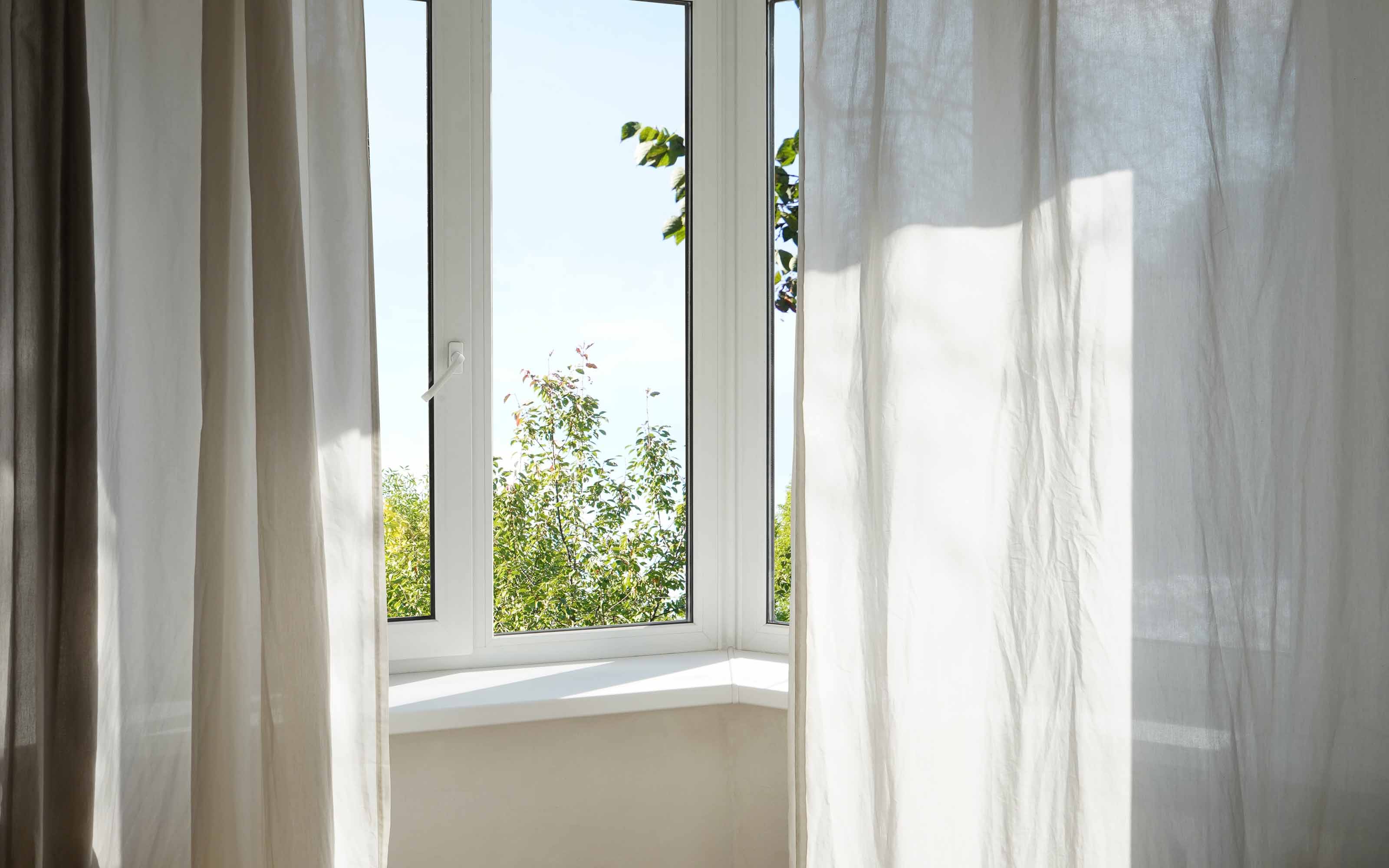
Bright living room with large energy-efficient window and sheer curtains letting in natural light Bright living room with large energy-efficient window and sheer curtains letting in natural light

A window air leakage rating (AL) measures how much air passes through a window's joints and seals when there's a pressure difference between inside and outside. It's listed in cubic feet per minute per square foot of window (cfm/ft²). Lower is better, and 0.30 cfm/ft² or less is the benchmark ENERGY STAR points to.

At The Window Depot, air leakage is one of the ratings we help homeowners and contractors compare when they shop vinyl replacement windows at our stores in Tucson, Phoenix, Chandler, Surprise, El Paso, Albuquerque and National City. It sits on the NFRC label next to U-factor, SHGC and visible transmittance (VT), and it tells you something none of those numbers do.

What Does an Air Leakage Rating Measure?

The air leakage rating measures how much air moves through the complete window assembly during a standardized pressure test. It covers the joints, seals and operating parts of the window rather than the glass alone.

The result is reported as cfm/ft². A window rated 0.20 cfm/ft² lets less air through during the test than a window rated 0.30 cfm/ft².

NFRC sets the testing and certification procedures, and ENERGY STAR relies on those procedures for the windows it qualifies. That gives you a consistent number to compare, which is more reliable than judging how tight a window feels in the showroom.

What Is a Good Air Leakage Rating for Windows?

A rating of 0.30 cfm/ft² or lower is a solid benchmark for residential windows. ENERGY STAR identifies 0.30 cfm/ft² as a common requirement in industry standards and building codes, and it notes that lower values mean less air leakage.

Anything under 0.30 indicates a tighter window during testing. That can matter most when drafts or dust are already a problem in the home.

Always check the certified rating for the specific product and configuration you're considering. Two replacement windows that look alike can carry different AL numbers.

Is a Lower Air Leakage Rating Better?

Yes. A lower number means less air made it through the window during the test.

The AL rating still shouldn't be the only thing you judge a window by. A window can score well on air leakage and still differ from another product on insulation or solar heat control. You get the clearest picture by comparing the full label.

How Does Air Leakage Affect Energy Efficiency and Comfort?

When outside air slips in through a window, conditioned air slips out. In a Phoenix or Tucson summer, that means your air conditioner works harder to keep the house cool. In an Albuquerque or El Paso winter, you feel it as a draft near the glass.

ENERGY STAR notes that stopping drafts can improve comfort and lower energy bills. Air leakage is only one piece of window efficiency, though, so it works best as part of a full comparison rather than a deciding number.

Air Leakage vs. U-Factor vs. SHGC: What's the Difference?

Each rating describes a different part of how a window performs.

 Rating

 What it measures

 What to look for

 Air leakage (AL)

 Air that passes through the window assembly

 Lower is better, 0.30 cfm/ft² or less

 U-factor

 How well the window resists heat transfer

 Lower means better insulation

 SHGC

 Solar heat that passes through the glass

 Lower is better in hot climates

A window with a low U-factor can still have a different air leakage rating than a similar product, so it's worth checking both. In hot, sunny markets, pairing a low AL with a low SHGC helps keep both outside air and solar heat where they belong. Our guide to energy-efficient windows for hot climates goes deeper on the SHGC side.

Where Do You Find the Air Leakage Rating on a Window Label?

Look for "Air Leakage" or "AL" on the window's NFRC label. Depending on the product, the label can also show U-factor, SHGC, visible transmittance and condensation resistance.

Not every label lists every rating, so if AL isn't shown, ask for the performance information on that exact window configuration. You can also search product-specific ratings in NFRC's Certified Products Directory.

Does Window Style Affect Air Leakage?

It can. Windows that open have moving parts and joints that need to seal tightly when closed, while fixed windows don't open at all and seal differently.

That said, don't assume a particular style always carries a certain number. Compare the certified rating of the actual product you're looking at.

Can Replacement Windows Reduce Drafts?

Replacement windows can cut drafts when the old ones have worn seals, damaged parts or sashes that no longer close properly. The window's AL rating only covers the product itself, though.

Air can also leak through gaps between the window frame and the wall opening. Careful sealing around the opening matters just as much as the rating, whether you're setting the windows yourself or your contractor is handling it.

How Can You Tell if Your Windows Are Leaking Air?

A few signs are easy to spot. You might feel air moving around a closed and locked window, see gaps along the trim, or notice outside odors near the window. Dust collecting along the sill after a monsoon storm in Tucson or Phoenix can also point to a leak.

These checks can tell you there's a problem, but they don't measure it the way an NFRC rating does. If a window is older or stays drafty, figure out whether the air is coming through the window itself, worn weatherstripping or the gap around the frame before deciding between a repair and a replacement.

What Other Window Ratings Should You Compare?

Air leakage is most useful alongside the rest of the label. U-factor tells you how well the window insulates, and SHGC tells you how much solar heat gets through. Visible transmittance tells you how much daylight the glass lets in, and condensation resistance shows how well the window resists condensation, with higher numbers being better.

Reading these together gives you a much clearer sense of how a window is built to perform in your climate. Our post on choosing the right windows for your climate can help you weigh them.

Frequently Asked Questions

Is 0.30 cfm/ft² a good air leakage rating?

Yes. It's the benchmark ENERGY STAR cites for residential windows. Ratings below 0.30 mean even less air got through during testing.

What does cfm/ft² mean on a window?

It stands for cubic feet per minute per square foot. It tells you how much air passed through each square foot of the window during the standardized test.

Does window air leakage affect energy bills?

It can. Air leaking through a window lets conditioned air escape, which makes your heating and cooling system work harder.

Why is my new window drafty if it has a good AL rating?

The rating only covers the window product. Drafts on a new window often come from gaps between the frame and the wall opening, which need to be sealed properly.

Where can I compare air leakage ratings?

Check the NFRC label on each window or search NFRC's Certified Products Directory. You can also compare labels in person at any of our store locations.

Compare Window Ratings at The Window Depot

A low air leakage rating is a good sign, but it tells you the most when you read it alongside the rest of the NFRC label. Stop by The Window Depot in Tucson, Phoenix, Chandler, Surprise, El Paso, Albuquerque or National City to compare vinyl and aluminum windows side by side, or browse vinyl windows online first. Find your nearest store with our store locator.

What Is a Window Air Leakage Rating, and What Is a Good Number?

Bright living room with large energy-efficient window and sheer curtains letting in natural light Bright living room with large energy-efficient window and sheer curtains letting in natural light

A window air leakage rating (AL) measures how much air passes through a window's joints and seals when there's a pressure difference between inside and outside. It's listed in cubic feet per minute per square foot of window (cfm/ft²). Lower is better, and 0.30 cfm/ft² or less is the benchmark ENERGY STAR points to.

At The Window Depot, air leakage is one of the ratings we help homeowners and contractors compare when they shop vinyl replacement windows at our stores in Tucson, Phoenix, Chandler, Surprise, El Paso, Albuquerque and National City. It sits on the NFRC label next to U-factor, SHGC and visible transmittance (VT), and it tells you something none of those numbers do.

What Does an Air Leakage Rating Measure?

The air leakage rating measures how much air moves through the complete window assembly during a standardized pressure test. It covers the joints, seals and operating parts of the window rather than the glass alone.

The result is reported as cfm/ft². A window rated 0.20 cfm/ft² lets less air through during the test than a window rated 0.30 cfm/ft².

NFRC sets the testing and certification procedures, and ENERGY STAR relies on those procedures for the windows it qualifies. That gives you a consistent number to compare, which is more reliable than judging how tight a window feels in the showroom.

What Is a Good Air Leakage Rating for Windows?

A rating of 0.30 cfm/ft² or lower is a solid benchmark for residential windows. ENERGY STAR identifies 0.30 cfm/ft² as a common requirement in industry standards and building codes, and it notes that lower values mean less air leakage.

Anything under 0.30 indicates a tighter window during testing. That can matter most when drafts or dust are already a problem in the home.

Always check the certified rating for the specific product and configuration you're considering. Two replacement windows that look alike can carry different AL numbers.

Is a Lower Air Leakage Rating Better?

Yes. A lower number means less air made it through the window during the test.

The AL rating still shouldn't be the only thing you judge a window by. A window can score well on air leakage and still differ from another product on insulation or solar heat control. You get the clearest picture by comparing the full label.

How Does Air Leakage Affect Energy Efficiency and Comfort?

When outside air slips in through a window, conditioned air slips out. In a Phoenix or Tucson summer, that means your air conditioner works harder to keep the house cool. In an Albuquerque or El Paso winter, you feel it as a draft near the glass.

ENERGY STAR notes that stopping drafts can improve comfort and lower energy bills. Air leakage is only one piece of window efficiency, though, so it works best as part of a full comparison rather than a deciding number.

Air Leakage vs. U-Factor vs. SHGC: What's the Difference?

Each rating describes a different part of how a window performs.

 Rating

 What it measures

 What to look for

 Air leakage (AL)

 Air that passes through the window assembly

 Lower is better, 0.30 cfm/ft² or less

 U-factor

 How well the window resists heat transfer

 Lower means better insulation

 SHGC

 Solar heat that passes through the glass

 Lower is better in hot climates

A window with a low U-factor can still have a different air leakage rating than a similar product, so it's worth checking both. In hot, sunny markets, pairing a low AL with a low SHGC helps keep both outside air and solar heat where they belong. Our guide to energy-efficient windows for hot climates goes deeper on the SHGC side.

Where Do You Find the Air Leakage Rating on a Window Label?

Look for "Air Leakage" or "AL" on the window's NFRC label. Depending on the product, the label can also show U-factor, SHGC, visible transmittance and condensation resistance.

Not every label lists every rating, so if AL isn't shown, ask for the performance information on that exact window configuration. You can also search product-specific ratings in NFRC's Certified Products Directory.

Does Window Style Affect Air Leakage?

It can. Windows that open have moving parts and joints that need to seal tightly when closed, while fixed windows don't open at all and seal differently.

That said, don't assume a particular style always carries a certain number. Compare the certified rating of the actual product you're looking at.

Can Replacement Windows Reduce Drafts?

Replacement windows can cut drafts when the old ones have worn seals, damaged parts or sashes that no longer close properly. The window's AL rating only covers the product itself, though.

Air can also leak through gaps between the window frame and the wall opening. Careful sealing around the opening matters just as much as the rating, whether you're setting the windows yourself or your contractor is handling it.

How Can You Tell if Your Windows Are Leaking Air?

A few signs are easy to spot. You might feel air moving around a closed and locked window, see gaps along the trim, or notice outside odors near the window. Dust collecting along the sill after a monsoon storm in Tucson or Phoenix can also point to a leak.

These checks can tell you there's a problem, but they don't measure it the way an NFRC rating does. If a window is older or stays drafty, figure out whether the air is coming through the window itself, worn weatherstripping or the gap around the frame before deciding between a repair and a replacement.

What Other Window Ratings Should You Compare?

Air leakage is most useful alongside the rest of the label. U-factor tells you how well the window insulates, and SHGC tells you how much solar heat gets through. Visible transmittance tells you how much daylight the glass lets in, and condensation resistance shows how well the window resists condensation, with higher numbers being better.

Reading these together gives you a much clearer sense of how a window is built to perform in your climate. Our post on choosing the right windows for your climate can help you weigh them.

Frequently Asked Questions

Is 0.30 cfm/ft² a good air leakage rating?

Yes. It's the benchmark ENERGY STAR cites for residential windows. Ratings below 0.30 mean even less air got through during testing.

What does cfm/ft² mean on a window?

It stands for cubic feet per minute per square foot. It tells you how much air passed through each square foot of the window during the standardized test.

Does window air leakage affect energy bills?

It can. Air leaking through a window lets conditioned air escape, which makes your heating and cooling system work harder.

Why is my new window drafty if it has a good AL rating?

The rating only covers the window product. Drafts on a new window often come from gaps between the frame and the wall opening, which need to be sealed properly.

Where can I compare air leakage ratings?

Check the NFRC label on each window or search NFRC's Certified Products Directory. You can also compare labels in person at any of our store locations.

Compare Window Ratings at The Window Depot

A low air leakage rating is a good sign, but it tells you the most when you read it alongside the rest of the NFRC label. Stop by The Window Depot in Tucson, Phoenix, Chandler, Surprise, El Paso, Albuquerque or National City to compare vinyl and aluminum windows side by side, or browse vinyl windows online first. Find your nearest store with our store locator.

SEARCH ×

Search