
Select your store: 2300 S. 6th Ave, Tucson

Online orders are in store pickup only.

0 $0.00
items in your cartto quote To cart
Ooops no items were found.
Try something else.
Ok
Loading…

Skylights for Hot Climates: A Buying Guide

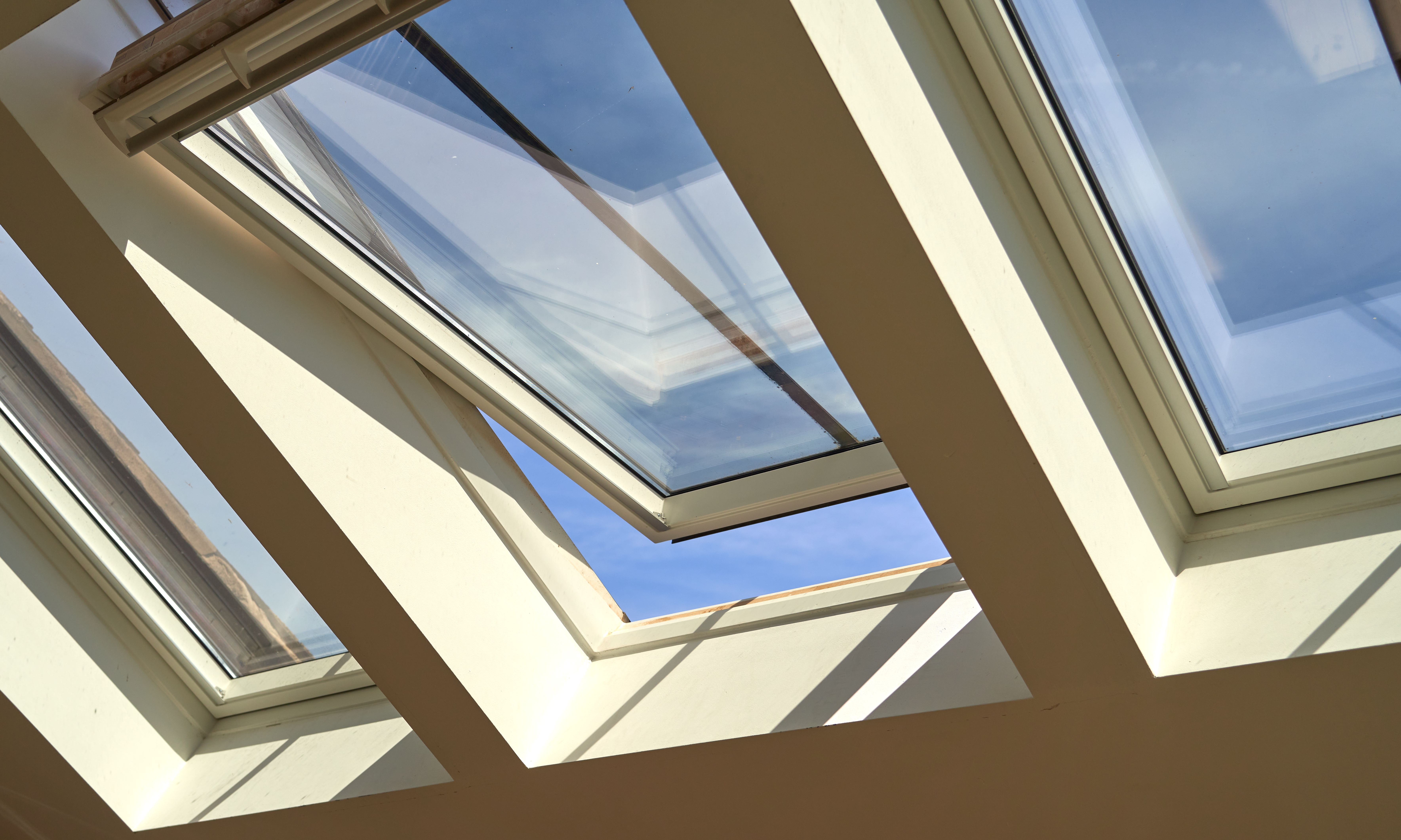
Multiple roof-mounted skylights installed between ceiling beams, allowing natural sunlight into an interior space under a clear blue sky. Multiple roof-mounted skylights installed between ceiling beams, allowing natural sunlight into an interior space under a clear blue sky.

Skylights can bring natural daylight into rooms that feel dark or enclosed, but choosing the right skylight for a hot climate requires careful attention to glazing, solar heat gain, placement and ventilation. The best skylight for a warm home is one that delivers the desired daylight while limiting unwanted heat transfer and reducing the need for artificial lighting without making indoor spaces uncomfortable.

The Window Depot stocks skylights at its stores in Tucson, Phoenix, Chandler, Surprise, El Paso, Albuquerque and National City. In sunny markets like these, skylight selection should begin with the amount of direct sunlight the roof receives and how the room below is used. A fixed skylight may be suitable when daylight is the main priority, while a venting model can provide additional airflow when outdoor conditions are favorable. A tubular daylighting device may be a better fit for a smaller space where a traditional skylight would admit more light or heat than needed.

This guide explains the main skylight options, what to know about glass and tint, how placement affects heat gain, and which factors to discuss with a qualified professional before choosing a skylight for your home.

Quick Answers: What Should You Know Before Buying Skylights for Hot Climates?

  • Are skylights a good idea in hot climates? Yes, when they are selected for appropriate solar heat control, insulation, roof placement and room requirements.
  • Are fixed or venting skylights better for hot weather? Fixed skylights are designed primarily for daylight, while venting skylights can also release warm indoor air when outdoor conditions allow.
  • What glazing is best for a hot climate? Consider insulated glazing with a low Solar Heat Gain Coefficient (SHGC) and a suitable U-factor for the local climate.
  • Does tinted skylight glass reduce heat? Some tinted glass reduces solar heat gain, but the amount depends on the specific glazing. Tint can also reduce visible daylight.
  • Where should a skylight be placed to avoid excessive heat? Placement depends on roof orientation, surrounding shade, room use and the amount of direct sun the roof receives.
  • Are tubular skylights better than traditional skylights? Tubular daylighting devices can suit small rooms and narrow spaces, while traditional skylights provide a broader view of the sky and can illuminate larger areas.
  • Should a professional install a skylight? Yes. A qualified professional should assess roof structure, waterproofing, flashing, insulation and the appropriate product for the roof assembly.

Why Do Skylights Need Special Consideration in Hot Climates?

A skylight creates an opening in the roof to bring daylight into the home. This can be valuable in interior rooms, hallways and other spaces where conventional windows provide limited natural light.

However, a roof receives different solar exposure from a vertical wall. Depending on the roof's orientation, slope, shading and local weather, sunlight can reach a skylight for extended periods. The glazing and frame also form part of the building envelope, so their thermal performance can affect the amount of heat entering or leaving the home.

In a hot climate, the goal is not simply to maximize the amount of sunlight entering the room. It is to provide useful daylight while controlling unwanted solar heat gain.

How can skylights affect indoor temperatures?

A skylight can affect indoor comfort in several ways.

Solar heat gain: Sunlight passing through the glazing can add heat to the room. The amount depends on the glass, coatings, tint, orientation and exposure.

Heat transfer through the glazing: Heat can move through the skylight assembly when indoor and outdoor temperatures differ. Insulated glazing and appropriate frame construction can help reduce this transfer.

Air leakage: A poorly sealed or improperly installed skylight can allow outside air to enter. This may affect comfort and increase the load on an air-conditioning system.

Daylight distribution: A skylight can reduce the need for electric lighting during the day, but excessive brightness or direct sun can create glare and localized hot spots.

The U.S. Department of Energy identifies U-factor and SHGC as important performance measurements when choosing energy-efficient fenestration products. In hot climates, a lower SHGC can help limit unwanted solar heat gain, while a lower U-factor indicates less heat transfer through the product. The appropriate ratings depend on the product and climate. Read the Department of Energy's purchasing guidance.

Can skylights make a room hotter?

Yes. A skylight can increase heat gain if it receives strong direct sunlight and has glazing that allows substantial solar energy to pass through.

That does not mean every skylight will make a room uncomfortably warm. Glazing selection, roof orientation, exterior shading, skylight size and the room's cooling system all influence the result.

For a hot-climate home, it is important to evaluate the complete skylight assembly rather than choosing based on appearance alone.

What Is the Difference Between Fixed and Venting Skylights?

One of the first decisions is whether the skylight should remain closed or open to provide ventilation. Fixed and venting skylights can both bring daylight into a home, but they serve different purposes.

What is a fixed skylight?

A fixed skylight does not open. It is designed to provide daylight and, depending on the model, a view of the sky.

Because it has no operating sash, a fixed skylight avoids the moving components used in venting designs. Its performance still depends on the glazing, frame, seals and quality of installation.

Advantages of fixed skylights include:

  • Daylight without the need for an opening mechanism.
  • No motor or opening hardware to operate or maintain.
  • A practical option for spaces where ventilation is already provided by other means.
  • Potentially fewer moving parts than an operable design.

What should you consider?

A fixed skylight cannot release warm indoor air directly. If a room regularly becomes hot or stuffy, ventilation must come from another suitable source.

A fixed model also needs appropriate glazing and installation. The fact that it does not open does not automatically make it more energy efficient than every venting model.

When is a fixed skylight the better choice?

Consider a fixed skylight when the main objective is to brighten a room rather than provide fresh air through the roof.

Examples include:

  • Hallways with limited access to exterior walls.
  • Living rooms where daylight is needed but ventilation is already adequate.
  • Interior spaces with an existing mechanical ventilation system.
  • Areas where an opening skylight would add complexity without providing a meaningful benefit.

The size and location should be selected to meet the room's lighting needs without introducing excessive solar heat.

What is a venting skylight?

A venting skylight can open to allow air to move through the roof opening. Depending on the design, it may be operated manually or with an electric control system.

Venting skylights can help release warm air that accumulates near the ceiling. However, the amount of ventilation depends on the indoor and outdoor temperatures, wind, opening size and availability of a separate path for replacement air.

Advantages of venting skylights include:

  • Daylight and the option for additional natural ventilation.
  • Potential to release accumulated warm air when outdoor conditions are suitable.
  • Convenience features on some models, such as remote controls or automatic rain sensors.

What should you consider?

An open skylight can allow hot outdoor air, dust or rain to enter. In a hot, air-conditioned home, opening a skylight during the hottest part of the day may work against the cooling system.

Venting models also have operating components that need appropriate maintenance. Electrical controls and sensors, when included, add further components to consider.

When should you choose a venting skylight?

A venting skylight may be useful in a room where ventilation is a genuine priority, provided outdoor conditions and the home's ventilation strategy support its use.

It can be helpful when cooler outdoor air is available and warm indoor air can escape through the opening. However, it should not be treated as a substitute for an appropriately designed ventilation or cooling system.

In hot and dusty weather, including monsoon dust storms in Arizona, El Paso and Albuquerque, keep the skylight closed when outdoor conditions are unsuitable. Automatic rain sensors can provide convenience, but they do not eliminate the need to follow the manufacturer's operating instructions.

Fixed vs. venting skylights: Which should you choose?

 Consideration

 Fixed skylight

 Venting skylight

 Primary purpose

 Daylight

 Daylight and optional ventilation

 Can open?

 No

 Yes

 Operating hardware

 No opening mechanism

 Includes an opening mechanism

 Warm-air release

 Requires another ventilation method

 Possible when conditions are favorable

 Hot-weather use

 Suitable when glazing controls solar heat

 Requires careful decisions about when to open

 Maintenance

 Focus on glazing, seals and surrounding installation

 Also includes operating components and controls

The right option depends on what the room needs. If daylight is the only goal, a fixed skylight may be sufficient. If ventilation is important, consider whether opening the skylight will actually improve indoor comfort during the times you plan to use it.

What Skylight Glazing Is Best for Hot Climates?

Glazing refers to the transparent or translucent material that allows light through the skylight. It has a major influence on daylight, solar heat gain, insulation and the appearance of the light inside the room.

For hot climates, the objective is generally to reduce unwanted heat gain while maintaining enough daylight for the space.

What is SHGC, and why does it matter for skylights?

The Solar Heat Gain Coefficient, or SHGC, measures the fraction of solar energy that passes through a window or skylight and enters the building as heat.

SHGC is expressed on a scale from 0 to 1. A lower value indicates that less solar heat passes through the product under the standardized rating conditions.

For example, when comparing two otherwise suitable skylights, the model with the lower SHGC will generally allow less solar heat gain under comparable conditions. That can be beneficial in a room that receives strong direct sunlight. Department of Energy purchasing guidance describes low-solar-gain products, with an SHGC below 0.40, as the type designed for hot climate zones.

However, SHGC should not be the only selection criterion. U-factor, visible light transmission, glazing construction and the product's suitability for the roof are also important.

What is U-factor, and how does it affect skylight performance?

U-factor measures the rate of heat transfer through a product. A lower U-factor indicates better resistance to heat transfer.

Although solar heat gain is often a major concern in hot climates, insulation still matters. Outdoor temperatures may be much higher than indoor temperatures during the day, while nighttime conditions can differ.

A suitable U-factor can help reduce heat transfer through the skylight assembly. When comparing options, review the rating for the complete product rather than relying only on the advertised performance of an individual pane of glass.

Is double glazing worth considering?

Double glazing uses two panes of glass separated by a sealed space. Depending on the construction, coatings and gas fill, an insulated glazing unit can reduce heat transfer compared with a basic single-pane configuration.

Potential advantages include:

  • Improved thermal performance.
  • Greater control over heat transfer when combined with appropriate coatings.
  • Additional options for managing solar gain and visible light.

The benefits depend on the actual assembly. Two panes alone do not guarantee the best solar performance, so compare certified ratings when available.

What are Low-E coatings?

Low-emissivity, or Low-E, coatings are designed to influence how heat energy moves through the glazing. Different coating formulations have different properties, so not every Low-E product performs the same way.

For hot climates, solar-control Low-E glazing can help reduce unwanted solar heat gain while allowing useful daylight into the room. Some products are designed to maintain a relatively high level of visible light while controlling portions of the solar spectrum associated with heat.

When comparing skylights, ask for the product's SHGC and U-factor rather than assuming that the words "Low-E" alone indicate a particular level of performance. Our guide to Low-E glass covers how these coatings work in more detail.

Should you choose clear glass or solar-control glazing?

Clear glass can provide a natural view of the sky and allow substantial daylight into the room. However, its solar performance depends on the complete glazing construction.

Solar-control glazing may be more appropriate where direct sunlight causes excessive heat or glare. The specific option should balance daylight needs with the amount of solar heat you want to limit.

If the skylight is intended for a room that already receives strong sunlight from other windows, solar-control glazing may help keep the overall daylight and heat balance more comfortable.

Do Tinted Skylights Help Keep a House Cool?

Tinted glazing changes the amount and appearance of light that passes through the skylight. Depending on the tint and the rest of the glazing construction, it can reduce visible brightness and solar heat gain.

However, tint is not a guarantee of high energy performance. Two tinted skylights may have different SHGC values, and some glazing options can reduce visible light more than others.

What are the benefits of tinted skylight glass?

Tinted glass may help with:

  • Reducing excessive brightness.
  • Managing glare in rooms exposed to direct sunlight.
  • Changing the color and appearance of incoming daylight.
  • Reducing solar heat gain when the specific glazing is designed to do so.

The right tint depends on the room, the amount of direct sunlight and the desired appearance.

What are the disadvantages of tinted skylights?

A darker tint can make an interior room feel dimmer, particularly when the skylight is small or the room has few other sources of daylight.

Tint can also change how colors appear indoors. If you use the room for tasks that require accurate color perception, consider how the glazing will affect the quality of daylight.

Most importantly, do not assume a dark appearance means the skylight has the lowest SHGC. Check the certified product specifications.

Is Low-E glass better than tinted glass?

These options are not always mutually exclusive. Some glazing products combine coatings and tinting to achieve a particular balance of solar control and visible light.

Instead of comparing labels alone, review the SHGC, U-factor and visible transmittance (VT). VT measures how much visible light passes through the glazing, with a higher value generally indicating more transmitted visible light.

For a hot climate, the objective is to find glazing that provides useful daylight without admitting more solar heat than the room can comfortably manage.

The Department of Energy's guidance on energy-efficient windows, doors and skylights explains why climate-specific performance ratings matter when selecting products.

Where Should You Place a Skylight to Reduce Heat Gain?

Skylight placement influences how much direct sunlight enters a room and how that light is distributed. The best location depends on roof orientation, slope, nearby shade, room dimensions and the amount of daylight needed.

A skylight should not be positioned solely for maximum brightness. In hot climates, excessive direct sun can produce glare and unwanted heat gain.

How does roof orientation affect skylight performance?

The direction a roof faces affects its exposure to the sun. The amount and timing of sunlight also depend on the roof slope, latitude, season and surrounding structures.

A skylight on a roof that receives strong direct sunlight for much of the day may require more careful solar control than one protected by shade for part of the day.

Rather than relying on a universal orientation rule, evaluate the actual roof and the room below. A qualified professional can help assess sun exposure and identify suitable locations.

Should you avoid placing skylights on sunny roof areas?

Not necessarily. A sunny roof can still be suitable for a skylight, but glazing selection and size become especially important.

Before choosing the location, consider:

  • How many hours of direct sunlight the roof receives.
  • Whether neighboring buildings, trees or roof features provide shade.
  • Whether the room below already has windows that contribute heat and glare.
  • Whether the skylight will illuminate a frequently occupied space.
  • Whether a smaller skylight or tubular daylighting device could meet the lighting requirement.

If the goal is simply to brighten a dark hallway, a large traditional skylight may not be necessary.

How does skylight size affect heat gain?

A larger skylight generally provides more potential daylight, but it also increases the area of glazing through which solar energy can enter.

That does not mean the smallest possible skylight is always best. An undersized skylight may not deliver the desired lighting benefit, while a well-selected larger model may suit a room with suitable shading and glazing.

The goal is to select a size that meets the room's daylight requirements without introducing unnecessary solar exposure. Consider the room's floor area, ceiling height, roof structure, existing windows and intended use.

Can exterior shading help control skylight heat?

Shading can reduce direct sunlight reaching the glazing, depending on the design and the sun's position. The available options vary with roof type, skylight construction and the surrounding architecture.

Possible approaches may include compatible exterior shading systems or architectural features that limit direct exposure. Any shading system should be suitable for the skylight and installed according to the manufacturer's instructions.

Interior blinds can help manage brightness and glare, but their effect on heat entering the building differs from that of shading placed outside the glazing. Discuss the available options with a qualified professional before deciding.

Should a skylight face away from the afternoon sun?

Reducing intense afternoon exposure may help in some homes, particularly where a room already overheats later in the day. However, there is no single placement rule that works for every roof.

The roof's slope, local sun path, available shade and desired daylight all matter. A professional assessment can help determine whether orientation, glazing or shading is likely to make the greatest difference for your project.

Are Tubular Skylights Better Than Traditional Skylights?

A tubular daylighting device, sometimes called a sun tunnel, uses a small roof opening and a reflective tube to carry daylight into an interior space. A diffuser at the ceiling spreads the light into the room.

A traditional skylight uses a larger glazed opening in the roof. It can provide a broader view of the sky and distribute daylight across a larger area, depending on its size and placement.

Both options can be useful, but they serve different needs.

What is a tubular skylight?

A tubular skylight collects daylight at the roof and directs it through a reflective tube. The tube can pass through an attic or roof cavity before reaching a ceiling diffuser.

Its compact design can make it suitable for spaces where a traditional skylight would be difficult to position or unnecessarily large.

Potential advantages include:

  • Daylight for small rooms and narrow spaces.
  • A relatively compact roof opening.
  • Flexibility in routing daylight through certain roof and ceiling configurations.
  • No need for a large, direct view of the sky.

Potential limitations include:

  • No direct view of the sky through the ceiling diffuser.
  • Limited ability to provide the broad daylight distribution of a large traditional skylight.
  • Performance that depends on tube length, bends, roof exposure and the device's design.
  • Installation requirements that vary with roof and ceiling construction.

What is a traditional skylight?

A traditional skylight has a glazed panel installed in a roof opening. Depending on the model, it may be fixed or venting.

It can bring daylight into a larger area and may provide a view of the sky. However, the larger glazing area can also allow more solar energy into the home if the product and placement are not selected carefully.

Potential advantages include:

  • Broad daylight distribution when correctly sized and located.
  • A view of the sky.
  • Fixed and venting configurations.
  • A range of glazing and shading options, depending on the product.

Potential limitations include:

  • Greater glazing exposure than a compact tubular device.
  • More need to evaluate solar heat gain and glare.
  • Roof waterproofing and structural considerations that require careful professional planning.

Tubular vs. traditional skylights: Which is right for your home?

 Consideration

 Tubular daylighting device

 Traditional skylight

 Best suited to

 Small rooms, hallways and compact spaces

 Rooms needing broader daylight or a sky view

 Roof opening

 Generally compact

 Varies, often larger

 View of the sky

 No direct view from the ceiling diffuser

 Often provides a direct view

 Daylight distribution

 Directed through a reflective tube

 Enters through a glazed roof opening

 Ventilation

 Typically intended for daylight, not ventilation

 Fixed or venting models may be available

 Heat control

 Depends on the complete device and installation

 Depends on glazing, size, placement and installation

 Design considerations

 Tube routing and ceiling position

 Roof opening, glazing area and room layout

When should you choose a tubular skylight?

Consider a tubular daylighting device if you want to brighten a hallway, closet, small bathroom or interior space without installing a broad glazed opening.

It may be particularly practical when the objective is daylight rather than a view or additional ventilation.

When should you choose a traditional skylight?

Consider a traditional skylight when you want daylight across a larger room or a view of the sky. It may be suitable for living areas and other rooms where the visual effect is an important part of the design.

For hot climates, choose the glazing and placement carefully so the daylight benefit does not come with unnecessary heat gain.

What Features Should You Compare Before Buying Skylights?

Once you understand the main types, compare the performance and practical requirements of the products under consideration.

1. Solar Heat Gain Coefficient

Check the SHGC to understand how much solar energy the skylight transmits. A lower value generally means less solar heat gain, which can be beneficial in hot climates.

Choose a rating that suits the climate and room rather than assuming that every product with the same general glazing description performs equally.

2. U-factor

Compare U-factor to understand how effectively the complete product limits heat transfer. A lower U-factor indicates better insulating performance.

Solar control and insulation are related but different considerations. Both can affect comfort and cooling demand.

3. Visible transmittance

Visible transmittance indicates how much visible daylight passes through the glazing. A higher VT generally allows more visible light.

Compare VT alongside SHGC so you can evaluate the balance between daylight and solar heat control.

4. Glazing construction

Ask whether the skylight uses insulated glazing and whether it includes Low-E coatings or other solar-control features. Confirm the performance ratings of the actual product rather than assuming a feature guarantees a particular result.

5. Fixed or venting operation

Decide whether ventilation is necessary. If you already have effective ventilation, a fixed skylight may meet your needs. If opening the skylight is important, check how it operates and whether the design suits your home's weather conditions.

6. Shading and glare control

Consider whether the skylight may need a compatible shading system. This can be particularly important for rooms that receive strong direct sunlight or where screens and displays are sensitive to glare.

7. Roof and ceiling compatibility

The skylight must be suitable for the roof construction, slope and available space. The distance between the roof and ceiling, as well as the presence of an attic or other obstructions, can influence whether a traditional skylight or tubular daylighting device is practical.

8. Installation and maintenance

Ask about flashing, waterproofing, insulation, air sealing, drainage and access for future maintenance. Confirm that the product is suitable for the roof assembly and that the installer follows the manufacturer's requirements. Contractors should confirm whether the unit is curb-mounted or deck-mounted and which flashing kit fits the roofing material before ordering.

How Can You Check Skylight Energy Ratings?

Performance ratings help you compare products using consistent measurements rather than marketing descriptions.

For products sold in the United States, look for certified ratings from the National Fenestration Rating Council (NFRC) where available. The NFRC provides standardized information that can help consumers compare fenestration products. Our guide to reading an NFRC window label walks through each rating.

ENERGY STAR qualification is another useful consideration. Its requirements vary by product type and climate zone, so check that the specific skylight qualifies for the intended location. A label should be verified for the actual model and configuration rather than assumed from a product family name.

When comparing skylights, record the following details:

  • Product type and model.
  • U-factor.
  • SHGC.
  • Visible transmittance, if provided.
  • Fixed or venting operation.
  • Glazing and tint options.
  • Available shading accessories.
  • Product certifications and warranty terms.

Use these details to compare options that meet your project requirements. A product with a lower SHGC may help reduce solar heat gain, but the complete decision should account for daylight, insulation, installation and the needs of the room.

What Should You Know About Skylight Installation in Hot Climates?

Skylight installation involves more than placing a glazed unit in a roof opening. The opening must be compatible with the roof structure, and the surrounding assembly must manage water, air and heat correctly.

A poor installation can undermine the performance of even a well-rated skylight.

Why is professional roof assessment important?

Before a skylight is selected, a qualified professional should assess the roof construction, proposed location, ceiling configuration and any structural constraints.

The assessment should consider whether the proposed opening can be accommodated without compromising the roof's structural integrity or interfering with wiring, plumbing, ventilation equipment or other building components.

The professional should also determine whether the selected skylight is suitable for the roof slope and the intended installation method.

Why are flashing and waterproofing important?

Flashing and waterproofing details help direct water away from the skylight and the surrounding roof opening. The appropriate method depends on the skylight design, roofing material, roof slope and manufacturer's instructions.

Incorrect flashing or poorly integrated water-management details can lead to leaks and damage to the roof or interior finishes.

Ask the installer to explain how the proposed system is designed to manage water and how the installation will comply with the product requirements and applicable local building codes.

How does air sealing affect skylight performance?

The joints between the skylight, roof and surrounding construction must be properly sealed and insulated according to the installation requirements.

Gaps can allow unwanted air movement and may contribute to drafts, moisture problems or reduced thermal performance. Correct sealing is important in homes that rely on air conditioning to maintain comfortable indoor temperatures.

Who should install a skylight?

Choose a qualified professional with experience in the relevant roof type and skylight system. Ask about licensing where required, insurance, previous projects, manufacturer installation requirements and warranty coverage.

Installation details should be assessed for the individual home. This guide is intended to help with product selection, not to replace a roof inspection or professional installation plan.

What Are the Most Common Skylight Buying Mistakes in Hot Climates?

A skylight can be a valuable addition when selected carefully. These common mistakes can make the result less comfortable or less practical.

Choosing a skylight based only on size

A larger opening is not automatically better. Excessive glazing may introduce more sunlight, heat and glare than the room needs.

Start with the room's daylight requirements and consider the glazing, roof orientation and available shading before deciding on the size.

Ignoring SHGC and U-factor

Two skylights that look similar can have different thermal performance. Review the ratings instead of relying on appearance or a general claim that a product is energy efficient.

Assuming darker glass always blocks more heat

Tint can reduce brightness, but visible darkness alone does not establish the product's solar heat performance. Compare SHGC and VT to understand the balance between heat control and daylight.

Choosing a venting model without considering outdoor conditions

Opening a skylight during extremely hot or dusty weather may bring unwanted heat and airborne particles indoors. Consider how and when you will use the venting feature.

Overlooking the room below

A skylight suitable for a broad living room may not be the best choice for a small hallway. Room dimensions, ceiling height, existing windows and the intended use should guide the selection.

Treating installation as an afterthought

Roof compatibility, flashing, waterproofing, insulation and air sealing are fundamental to the finished result. Include professional assessment in the planning process rather than waiting until after the product has been chosen.

Frequently Asked Questions About Skylights for Hot Climates

Are skylights energy efficient in hot climates?

They can be, provided the product is appropriately selected and installed. Look for suitable SHGC and U-factor ratings, consider the roof's solar exposure and choose a size that meets the room's daylight needs.

What is the best skylight for a hot climate?

There is no single best skylight for every home. A fixed model with solar-control glazing may suit a room that needs daylight, while a venting model may be useful when additional ventilation is appropriate. A tubular daylighting device can work well for smaller spaces.

Do skylights increase air-conditioning costs?

They can increase cooling demand if they allow substantial solar heat gain or unwanted air leakage. Appropriate glazing, careful placement, correct sizing and professional installation can help manage these effects.

Is tinted glass necessary for skylights in hot climates?

Not always. Some tinted glazing can reduce solar heat gain and glare, but solar-control coatings and other glazing combinations may provide a different balance of daylight and heat performance. Compare the actual product ratings before choosing.

Are tubular skylights better than traditional skylights in hot weather?

A tubular daylighting device can be suitable when you want daylight in a small space without a broad roof opening. A traditional skylight may be preferable when you want a wider view or more extensive daylight. Compare the complete product's performance and suitability for the room.

Can I leave a venting skylight open during hot weather?

It depends on outdoor temperature, dust, rain, wind and the home's ventilation strategy. Opening a skylight when outdoor air is hotter than indoor air may increase heat entering the home. Follow the manufacturer's operating instructions and close it when conditions are unsuitable.

Does skylight orientation affect heat gain?

Yes. Roof orientation, slope, shading and the sun's path affect how much direct sunlight reaches a skylight. The ideal location depends on the building and should be assessed alongside glazing performance and room requirements.

Should a professional install my skylight?

Yes. A qualified professional should evaluate structural compatibility, roof slope, flashing, waterproofing, insulation, air sealing and applicable building requirements. Proper installation is essential to long-term performance.

Choose Skylights With Daylight and Heat Control in Mind

Skylights can brighten interior spaces and make a home feel more open, but hot-climate projects require thoughtful product selection. Fixed and venting models serve different purposes, while glazing, tint, SHGC, U-factor and visible transmittance help determine how the skylight affects daylight and indoor comfort.

Placement and sizing matter just as much. A carefully located skylight with appropriate glazing can provide useful natural light without admitting unnecessary solar heat. For smaller spaces, a tubular daylighting device may offer a practical alternative to a traditional skylight.

Before making a final decision, compare certified performance ratings, consider how the room is used and consult a qualified professional about roof compatibility and installation requirements.

Visit The Window Depot in Tucson, Phoenix, Chandler, Surprise, El Paso, Albuquerque or National City, or find a nearby The Window Depot location to explore your options and discuss your skylight project.

Skylights for Hot Climates: A Buying Guide

Multiple roof-mounted skylights installed between ceiling beams, allowing natural sunlight into an interior space under a clear blue sky. Multiple roof-mounted skylights installed between ceiling beams, allowing natural sunlight into an interior space under a clear blue sky.

Skylights can bring natural daylight into rooms that feel dark or enclosed, but choosing the right skylight for a hot climate requires careful attention to glazing, solar heat gain, placement and ventilation. The best skylight for a warm home is one that delivers the desired daylight while limiting unwanted heat transfer and reducing the need for artificial lighting without making indoor spaces uncomfortable.

The Window Depot stocks skylights at its stores in Tucson, Phoenix, Chandler, Surprise, El Paso, Albuquerque and National City. In sunny markets like these, skylight selection should begin with the amount of direct sunlight the roof receives and how the room below is used. A fixed skylight may be suitable when daylight is the main priority, while a venting model can provide additional airflow when outdoor conditions are favorable. A tubular daylighting device may be a better fit for a smaller space where a traditional skylight would admit more light or heat than needed.

This guide explains the main skylight options, what to know about glass and tint, how placement affects heat gain, and which factors to discuss with a qualified professional before choosing a skylight for your home.

Quick Answers: What Should You Know Before Buying Skylights for Hot Climates?

  • Are skylights a good idea in hot climates? Yes, when they are selected for appropriate solar heat control, insulation, roof placement and room requirements.
  • Are fixed or venting skylights better for hot weather? Fixed skylights are designed primarily for daylight, while venting skylights can also release warm indoor air when outdoor conditions allow.
  • What glazing is best for a hot climate? Consider insulated glazing with a low Solar Heat Gain Coefficient (SHGC) and a suitable U-factor for the local climate.
  • Does tinted skylight glass reduce heat? Some tinted glass reduces solar heat gain, but the amount depends on the specific glazing. Tint can also reduce visible daylight.
  • Where should a skylight be placed to avoid excessive heat? Placement depends on roof orientation, surrounding shade, room use and the amount of direct sun the roof receives.
  • Are tubular skylights better than traditional skylights? Tubular daylighting devices can suit small rooms and narrow spaces, while traditional skylights provide a broader view of the sky and can illuminate larger areas.
  • Should a professional install a skylight? Yes. A qualified professional should assess roof structure, waterproofing, flashing, insulation and the appropriate product for the roof assembly.

Why Do Skylights Need Special Consideration in Hot Climates?

A skylight creates an opening in the roof to bring daylight into the home. This can be valuable in interior rooms, hallways and other spaces where conventional windows provide limited natural light.

However, a roof receives different solar exposure from a vertical wall. Depending on the roof's orientation, slope, shading and local weather, sunlight can reach a skylight for extended periods. The glazing and frame also form part of the building envelope, so their thermal performance can affect the amount of heat entering or leaving the home.

In a hot climate, the goal is not simply to maximize the amount of sunlight entering the room. It is to provide useful daylight while controlling unwanted solar heat gain.

How can skylights affect indoor temperatures?

A skylight can affect indoor comfort in several ways.

Solar heat gain: Sunlight passing through the glazing can add heat to the room. The amount depends on the glass, coatings, tint, orientation and exposure.

Heat transfer through the glazing: Heat can move through the skylight assembly when indoor and outdoor temperatures differ. Insulated glazing and appropriate frame construction can help reduce this transfer.

Air leakage: A poorly sealed or improperly installed skylight can allow outside air to enter. This may affect comfort and increase the load on an air-conditioning system.

Daylight distribution: A skylight can reduce the need for electric lighting during the day, but excessive brightness or direct sun can create glare and localized hot spots.

The U.S. Department of Energy identifies U-factor and SHGC as important performance measurements when choosing energy-efficient fenestration products. In hot climates, a lower SHGC can help limit unwanted solar heat gain, while a lower U-factor indicates less heat transfer through the product. The appropriate ratings depend on the product and climate. Read the Department of Energy's purchasing guidance.

Can skylights make a room hotter?

Yes. A skylight can increase heat gain if it receives strong direct sunlight and has glazing that allows substantial solar energy to pass through.

That does not mean every skylight will make a room uncomfortably warm. Glazing selection, roof orientation, exterior shading, skylight size and the room's cooling system all influence the result.

For a hot-climate home, it is important to evaluate the complete skylight assembly rather than choosing based on appearance alone.

What Is the Difference Between Fixed and Venting Skylights?

One of the first decisions is whether the skylight should remain closed or open to provide ventilation. Fixed and venting skylights can both bring daylight into a home, but they serve different purposes.

What is a fixed skylight?

A fixed skylight does not open. It is designed to provide daylight and, depending on the model, a view of the sky.

Because it has no operating sash, a fixed skylight avoids the moving components used in venting designs. Its performance still depends on the glazing, frame, seals and quality of installation.

Advantages of fixed skylights include:

  • Daylight without the need for an opening mechanism.
  • No motor or opening hardware to operate or maintain.
  • A practical option for spaces where ventilation is already provided by other means.
  • Potentially fewer moving parts than an operable design.

What should you consider?

A fixed skylight cannot release warm indoor air directly. If a room regularly becomes hot or stuffy, ventilation must come from another suitable source.

A fixed model also needs appropriate glazing and installation. The fact that it does not open does not automatically make it more energy efficient than every venting model.

When is a fixed skylight the better choice?

Consider a fixed skylight when the main objective is to brighten a room rather than provide fresh air through the roof.

Examples include:

  • Hallways with limited access to exterior walls.
  • Living rooms where daylight is needed but ventilation is already adequate.
  • Interior spaces with an existing mechanical ventilation system.
  • Areas where an opening skylight would add complexity without providing a meaningful benefit.

The size and location should be selected to meet the room's lighting needs without introducing excessive solar heat.

What is a venting skylight?

A venting skylight can open to allow air to move through the roof opening. Depending on the design, it may be operated manually or with an electric control system.

Venting skylights can help release warm air that accumulates near the ceiling. However, the amount of ventilation depends on the indoor and outdoor temperatures, wind, opening size and availability of a separate path for replacement air.

Advantages of venting skylights include:

  • Daylight and the option for additional natural ventilation.
  • Potential to release accumulated warm air when outdoor conditions are suitable.
  • Convenience features on some models, such as remote controls or automatic rain sensors.

What should you consider?

An open skylight can allow hot outdoor air, dust or rain to enter. In a hot, air-conditioned home, opening a skylight during the hottest part of the day may work against the cooling system.

Venting models also have operating components that need appropriate maintenance. Electrical controls and sensors, when included, add further components to consider.

When should you choose a venting skylight?

A venting skylight may be useful in a room where ventilation is a genuine priority, provided outdoor conditions and the home's ventilation strategy support its use.

It can be helpful when cooler outdoor air is available and warm indoor air can escape through the opening. However, it should not be treated as a substitute for an appropriately designed ventilation or cooling system.

In hot and dusty weather, including monsoon dust storms in Arizona, El Paso and Albuquerque, keep the skylight closed when outdoor conditions are unsuitable. Automatic rain sensors can provide convenience, but they do not eliminate the need to follow the manufacturer's operating instructions.

Fixed vs. venting skylights: Which should you choose?

 Consideration

 Fixed skylight

 Venting skylight

 Primary purpose

 Daylight

 Daylight and optional ventilation

 Can open?

 No

 Yes

 Operating hardware

 No opening mechanism

 Includes an opening mechanism

 Warm-air release

 Requires another ventilation method

 Possible when conditions are favorable

 Hot-weather use

 Suitable when glazing controls solar heat

 Requires careful decisions about when to open

 Maintenance

 Focus on glazing, seals and surrounding installation

 Also includes operating components and controls

The right option depends on what the room needs. If daylight is the only goal, a fixed skylight may be sufficient. If ventilation is important, consider whether opening the skylight will actually improve indoor comfort during the times you plan to use it.

What Skylight Glazing Is Best for Hot Climates?

Glazing refers to the transparent or translucent material that allows light through the skylight. It has a major influence on daylight, solar heat gain, insulation and the appearance of the light inside the room.

For hot climates, the objective is generally to reduce unwanted heat gain while maintaining enough daylight for the space.

What is SHGC, and why does it matter for skylights?

The Solar Heat Gain Coefficient, or SHGC, measures the fraction of solar energy that passes through a window or skylight and enters the building as heat.

SHGC is expressed on a scale from 0 to 1. A lower value indicates that less solar heat passes through the product under the standardized rating conditions.

For example, when comparing two otherwise suitable skylights, the model with the lower SHGC will generally allow less solar heat gain under comparable conditions. That can be beneficial in a room that receives strong direct sunlight. Department of Energy purchasing guidance describes low-solar-gain products, with an SHGC below 0.40, as the type designed for hot climate zones.

However, SHGC should not be the only selection criterion. U-factor, visible light transmission, glazing construction and the product's suitability for the roof are also important.

What is U-factor, and how does it affect skylight performance?

U-factor measures the rate of heat transfer through a product. A lower U-factor indicates better resistance to heat transfer.

Although solar heat gain is often a major concern in hot climates, insulation still matters. Outdoor temperatures may be much higher than indoor temperatures during the day, while nighttime conditions can differ.

A suitable U-factor can help reduce heat transfer through the skylight assembly. When comparing options, review the rating for the complete product rather than relying only on the advertised performance of an individual pane of glass.

Is double glazing worth considering?

Double glazing uses two panes of glass separated by a sealed space. Depending on the construction, coatings and gas fill, an insulated glazing unit can reduce heat transfer compared with a basic single-pane configuration.

Potential advantages include:

  • Improved thermal performance.
  • Greater control over heat transfer when combined with appropriate coatings.
  • Additional options for managing solar gain and visible light.

The benefits depend on the actual assembly. Two panes alone do not guarantee the best solar performance, so compare certified ratings when available.

What are Low-E coatings?

Low-emissivity, or Low-E, coatings are designed to influence how heat energy moves through the glazing. Different coating formulations have different properties, so not every Low-E product performs the same way.

For hot climates, solar-control Low-E glazing can help reduce unwanted solar heat gain while allowing useful daylight into the room. Some products are designed to maintain a relatively high level of visible light while controlling portions of the solar spectrum associated with heat.

When comparing skylights, ask for the product's SHGC and U-factor rather than assuming that the words "Low-E" alone indicate a particular level of performance. Our guide to Low-E glass covers how these coatings work in more detail.

Should you choose clear glass or solar-control glazing?

Clear glass can provide a natural view of the sky and allow substantial daylight into the room. However, its solar performance depends on the complete glazing construction.

Solar-control glazing may be more appropriate where direct sunlight causes excessive heat or glare. The specific option should balance daylight needs with the amount of solar heat you want to limit.

If the skylight is intended for a room that already receives strong sunlight from other windows, solar-control glazing may help keep the overall daylight and heat balance more comfortable.

Do Tinted Skylights Help Keep a House Cool?

Tinted glazing changes the amount and appearance of light that passes through the skylight. Depending on the tint and the rest of the glazing construction, it can reduce visible brightness and solar heat gain.

However, tint is not a guarantee of high energy performance. Two tinted skylights may have different SHGC values, and some glazing options can reduce visible light more than others.

What are the benefits of tinted skylight glass?

Tinted glass may help with:

  • Reducing excessive brightness.
  • Managing glare in rooms exposed to direct sunlight.
  • Changing the color and appearance of incoming daylight.
  • Reducing solar heat gain when the specific glazing is designed to do so.

The right tint depends on the room, the amount of direct sunlight and the desired appearance.

What are the disadvantages of tinted skylights?

A darker tint can make an interior room feel dimmer, particularly when the skylight is small or the room has few other sources of daylight.

Tint can also change how colors appear indoors. If you use the room for tasks that require accurate color perception, consider how the glazing will affect the quality of daylight.

Most importantly, do not assume a dark appearance means the skylight has the lowest SHGC. Check the certified product specifications.

Is Low-E glass better than tinted glass?

These options are not always mutually exclusive. Some glazing products combine coatings and tinting to achieve a particular balance of solar control and visible light.

Instead of comparing labels alone, review the SHGC, U-factor and visible transmittance (VT). VT measures how much visible light passes through the glazing, with a higher value generally indicating more transmitted visible light.

For a hot climate, the objective is to find glazing that provides useful daylight without admitting more solar heat than the room can comfortably manage.

The Department of Energy's guidance on energy-efficient windows, doors and skylights explains why climate-specific performance ratings matter when selecting products.

Where Should You Place a Skylight to Reduce Heat Gain?

Skylight placement influences how much direct sunlight enters a room and how that light is distributed. The best location depends on roof orientation, slope, nearby shade, room dimensions and the amount of daylight needed.

A skylight should not be positioned solely for maximum brightness. In hot climates, excessive direct sun can produce glare and unwanted heat gain.

How does roof orientation affect skylight performance?

The direction a roof faces affects its exposure to the sun. The amount and timing of sunlight also depend on the roof slope, latitude, season and surrounding structures.

A skylight on a roof that receives strong direct sunlight for much of the day may require more careful solar control than one protected by shade for part of the day.

Rather than relying on a universal orientation rule, evaluate the actual roof and the room below. A qualified professional can help assess sun exposure and identify suitable locations.

Should you avoid placing skylights on sunny roof areas?

Not necessarily. A sunny roof can still be suitable for a skylight, but glazing selection and size become especially important.

Before choosing the location, consider:

  • How many hours of direct sunlight the roof receives.
  • Whether neighboring buildings, trees or roof features provide shade.
  • Whether the room below already has windows that contribute heat and glare.
  • Whether the skylight will illuminate a frequently occupied space.
  • Whether a smaller skylight or tubular daylighting device could meet the lighting requirement.

If the goal is simply to brighten a dark hallway, a large traditional skylight may not be necessary.

How does skylight size affect heat gain?

A larger skylight generally provides more potential daylight, but it also increases the area of glazing through which solar energy can enter.

That does not mean the smallest possible skylight is always best. An undersized skylight may not deliver the desired lighting benefit, while a well-selected larger model may suit a room with suitable shading and glazing.

The goal is to select a size that meets the room's daylight requirements without introducing unnecessary solar exposure. Consider the room's floor area, ceiling height, roof structure, existing windows and intended use.

Can exterior shading help control skylight heat?

Shading can reduce direct sunlight reaching the glazing, depending on the design and the sun's position. The available options vary with roof type, skylight construction and the surrounding architecture.

Possible approaches may include compatible exterior shading systems or architectural features that limit direct exposure. Any shading system should be suitable for the skylight and installed according to the manufacturer's instructions.

Interior blinds can help manage brightness and glare, but their effect on heat entering the building differs from that of shading placed outside the glazing. Discuss the available options with a qualified professional before deciding.

Should a skylight face away from the afternoon sun?

Reducing intense afternoon exposure may help in some homes, particularly where a room already overheats later in the day. However, there is no single placement rule that works for every roof.

The roof's slope, local sun path, available shade and desired daylight all matter. A professional assessment can help determine whether orientation, glazing or shading is likely to make the greatest difference for your project.

Are Tubular Skylights Better Than Traditional Skylights?

A tubular daylighting device, sometimes called a sun tunnel, uses a small roof opening and a reflective tube to carry daylight into an interior space. A diffuser at the ceiling spreads the light into the room.

A traditional skylight uses a larger glazed opening in the roof. It can provide a broader view of the sky and distribute daylight across a larger area, depending on its size and placement.

Both options can be useful, but they serve different needs.

What is a tubular skylight?

A tubular skylight collects daylight at the roof and directs it through a reflective tube. The tube can pass through an attic or roof cavity before reaching a ceiling diffuser.

Its compact design can make it suitable for spaces where a traditional skylight would be difficult to position or unnecessarily large.

Potential advantages include:

  • Daylight for small rooms and narrow spaces.
  • A relatively compact roof opening.
  • Flexibility in routing daylight through certain roof and ceiling configurations.
  • No need for a large, direct view of the sky.

Potential limitations include:

  • No direct view of the sky through the ceiling diffuser.
  • Limited ability to provide the broad daylight distribution of a large traditional skylight.
  • Performance that depends on tube length, bends, roof exposure and the device's design.
  • Installation requirements that vary with roof and ceiling construction.

What is a traditional skylight?

A traditional skylight has a glazed panel installed in a roof opening. Depending on the model, it may be fixed or venting.

It can bring daylight into a larger area and may provide a view of the sky. However, the larger glazing area can also allow more solar energy into the home if the product and placement are not selected carefully.

Potential advantages include:

  • Broad daylight distribution when correctly sized and located.
  • A view of the sky.
  • Fixed and venting configurations.
  • A range of glazing and shading options, depending on the product.

Potential limitations include:

  • Greater glazing exposure than a compact tubular device.
  • More need to evaluate solar heat gain and glare.
  • Roof waterproofing and structural considerations that require careful professional planning.

Tubular vs. traditional skylights: Which is right for your home?

 Consideration

 Tubular daylighting device

 Traditional skylight

 Best suited to

 Small rooms, hallways and compact spaces

 Rooms needing broader daylight or a sky view

 Roof opening

 Generally compact

 Varies, often larger

 View of the sky

 No direct view from the ceiling diffuser

 Often provides a direct view

 Daylight distribution

 Directed through a reflective tube

 Enters through a glazed roof opening

 Ventilation

 Typically intended for daylight, not ventilation

 Fixed or venting models may be available

 Heat control

 Depends on the complete device and installation

 Depends on glazing, size, placement and installation

 Design considerations

 Tube routing and ceiling position

 Roof opening, glazing area and room layout

When should you choose a tubular skylight?

Consider a tubular daylighting device if you want to brighten a hallway, closet, small bathroom or interior space without installing a broad glazed opening.

It may be particularly practical when the objective is daylight rather than a view or additional ventilation.

When should you choose a traditional skylight?

Consider a traditional skylight when you want daylight across a larger room or a view of the sky. It may be suitable for living areas and other rooms where the visual effect is an important part of the design.

For hot climates, choose the glazing and placement carefully so the daylight benefit does not come with unnecessary heat gain.

What Features Should You Compare Before Buying Skylights?

Once you understand the main types, compare the performance and practical requirements of the products under consideration.

1. Solar Heat Gain Coefficient

Check the SHGC to understand how much solar energy the skylight transmits. A lower value generally means less solar heat gain, which can be beneficial in hot climates.

Choose a rating that suits the climate and room rather than assuming that every product with the same general glazing description performs equally.

2. U-factor

Compare U-factor to understand how effectively the complete product limits heat transfer. A lower U-factor indicates better insulating performance.

Solar control and insulation are related but different considerations. Both can affect comfort and cooling demand.

3. Visible transmittance

Visible transmittance indicates how much visible daylight passes through the glazing. A higher VT generally allows more visible light.

Compare VT alongside SHGC so you can evaluate the balance between daylight and solar heat control.

4. Glazing construction

Ask whether the skylight uses insulated glazing and whether it includes Low-E coatings or other solar-control features. Confirm the performance ratings of the actual product rather than assuming a feature guarantees a particular result.

5. Fixed or venting operation

Decide whether ventilation is necessary. If you already have effective ventilation, a fixed skylight may meet your needs. If opening the skylight is important, check how it operates and whether the design suits your home's weather conditions.

6. Shading and glare control

Consider whether the skylight may need a compatible shading system. This can be particularly important for rooms that receive strong direct sunlight or where screens and displays are sensitive to glare.

7. Roof and ceiling compatibility

The skylight must be suitable for the roof construction, slope and available space. The distance between the roof and ceiling, as well as the presence of an attic or other obstructions, can influence whether a traditional skylight or tubular daylighting device is practical.

8. Installation and maintenance

Ask about flashing, waterproofing, insulation, air sealing, drainage and access for future maintenance. Confirm that the product is suitable for the roof assembly and that the installer follows the manufacturer's requirements. Contractors should confirm whether the unit is curb-mounted or deck-mounted and which flashing kit fits the roofing material before ordering.

How Can You Check Skylight Energy Ratings?

Performance ratings help you compare products using consistent measurements rather than marketing descriptions.

For products sold in the United States, look for certified ratings from the National Fenestration Rating Council (NFRC) where available. The NFRC provides standardized information that can help consumers compare fenestration products. Our guide to reading an NFRC window label walks through each rating.

ENERGY STAR qualification is another useful consideration. Its requirements vary by product type and climate zone, so check that the specific skylight qualifies for the intended location. A label should be verified for the actual model and configuration rather than assumed from a product family name.

When comparing skylights, record the following details:

  • Product type and model.
  • U-factor.
  • SHGC.
  • Visible transmittance, if provided.
  • Fixed or venting operation.
  • Glazing and tint options.
  • Available shading accessories.
  • Product certifications and warranty terms.

Use these details to compare options that meet your project requirements. A product with a lower SHGC may help reduce solar heat gain, but the complete decision should account for daylight, insulation, installation and the needs of the room.

What Should You Know About Skylight Installation in Hot Climates?

Skylight installation involves more than placing a glazed unit in a roof opening. The opening must be compatible with the roof structure, and the surrounding assembly must manage water, air and heat correctly.

A poor installation can undermine the performance of even a well-rated skylight.

Why is professional roof assessment important?

Before a skylight is selected, a qualified professional should assess the roof construction, proposed location, ceiling configuration and any structural constraints.

The assessment should consider whether the proposed opening can be accommodated without compromising the roof's structural integrity or interfering with wiring, plumbing, ventilation equipment or other building components.

The professional should also determine whether the selected skylight is suitable for the roof slope and the intended installation method.

Why are flashing and waterproofing important?

Flashing and waterproofing details help direct water away from the skylight and the surrounding roof opening. The appropriate method depends on the skylight design, roofing material, roof slope and manufacturer's instructions.

Incorrect flashing or poorly integrated water-management details can lead to leaks and damage to the roof or interior finishes.

Ask the installer to explain how the proposed system is designed to manage water and how the installation will comply with the product requirements and applicable local building codes.

How does air sealing affect skylight performance?

The joints between the skylight, roof and surrounding construction must be properly sealed and insulated according to the installation requirements.

Gaps can allow unwanted air movement and may contribute to drafts, moisture problems or reduced thermal performance. Correct sealing is important in homes that rely on air conditioning to maintain comfortable indoor temperatures.

Who should install a skylight?

Choose a qualified professional with experience in the relevant roof type and skylight system. Ask about licensing where required, insurance, previous projects, manufacturer installation requirements and warranty coverage.

Installation details should be assessed for the individual home. This guide is intended to help with product selection, not to replace a roof inspection or professional installation plan.

What Are the Most Common Skylight Buying Mistakes in Hot Climates?

A skylight can be a valuable addition when selected carefully. These common mistakes can make the result less comfortable or less practical.

Choosing a skylight based only on size

A larger opening is not automatically better. Excessive glazing may introduce more sunlight, heat and glare than the room needs.

Start with the room's daylight requirements and consider the glazing, roof orientation and available shading before deciding on the size.

Ignoring SHGC and U-factor

Two skylights that look similar can have different thermal performance. Review the ratings instead of relying on appearance or a general claim that a product is energy efficient.

Assuming darker glass always blocks more heat

Tint can reduce brightness, but visible darkness alone does not establish the product's solar heat performance. Compare SHGC and VT to understand the balance between heat control and daylight.

Choosing a venting model without considering outdoor conditions

Opening a skylight during extremely hot or dusty weather may bring unwanted heat and airborne particles indoors. Consider how and when you will use the venting feature.

Overlooking the room below

A skylight suitable for a broad living room may not be the best choice for a small hallway. Room dimensions, ceiling height, existing windows and the intended use should guide the selection.

Treating installation as an afterthought

Roof compatibility, flashing, waterproofing, insulation and air sealing are fundamental to the finished result. Include professional assessment in the planning process rather than waiting until after the product has been chosen.

Frequently Asked Questions About Skylights for Hot Climates

Are skylights energy efficient in hot climates?

They can be, provided the product is appropriately selected and installed. Look for suitable SHGC and U-factor ratings, consider the roof's solar exposure and choose a size that meets the room's daylight needs.

What is the best skylight for a hot climate?

There is no single best skylight for every home. A fixed model with solar-control glazing may suit a room that needs daylight, while a venting model may be useful when additional ventilation is appropriate. A tubular daylighting device can work well for smaller spaces.

Do skylights increase air-conditioning costs?

They can increase cooling demand if they allow substantial solar heat gain or unwanted air leakage. Appropriate glazing, careful placement, correct sizing and professional installation can help manage these effects.

Is tinted glass necessary for skylights in hot climates?

Not always. Some tinted glazing can reduce solar heat gain and glare, but solar-control coatings and other glazing combinations may provide a different balance of daylight and heat performance. Compare the actual product ratings before choosing.

Are tubular skylights better than traditional skylights in hot weather?

A tubular daylighting device can be suitable when you want daylight in a small space without a broad roof opening. A traditional skylight may be preferable when you want a wider view or more extensive daylight. Compare the complete product's performance and suitability for the room.

Can I leave a venting skylight open during hot weather?

It depends on outdoor temperature, dust, rain, wind and the home's ventilation strategy. Opening a skylight when outdoor air is hotter than indoor air may increase heat entering the home. Follow the manufacturer's operating instructions and close it when conditions are unsuitable.

Does skylight orientation affect heat gain?

Yes. Roof orientation, slope, shading and the sun's path affect how much direct sunlight reaches a skylight. The ideal location depends on the building and should be assessed alongside glazing performance and room requirements.

Should a professional install my skylight?

Yes. A qualified professional should evaluate structural compatibility, roof slope, flashing, waterproofing, insulation, air sealing and applicable building requirements. Proper installation is essential to long-term performance.

Choose Skylights With Daylight and Heat Control in Mind

Skylights can brighten interior spaces and make a home feel more open, but hot-climate projects require thoughtful product selection. Fixed and venting models serve different purposes, while glazing, tint, SHGC, U-factor and visible transmittance help determine how the skylight affects daylight and indoor comfort.

Placement and sizing matter just as much. A carefully located skylight with appropriate glazing can provide useful natural light without admitting unnecessary solar heat. For smaller spaces, a tubular daylighting device may offer a practical alternative to a traditional skylight.

Before making a final decision, compare certified performance ratings, consider how the room is used and consult a qualified professional about roof compatibility and installation requirements.

Visit The Window Depot in Tucson, Phoenix, Chandler, Surprise, El Paso, Albuquerque or National City, or find a nearby The Window Depot location to explore your options and discuss your skylight project.

SEARCH ×

Search