
Select your store: 2300 S. 6th Ave, Tucson

Online orders are in store pickup only.

0 $0.00
items in your cartto quote To cart
Ooops no items were found.
Try something else.
Ok
Loading…

How to Choose an Exterior Door for Desert Heat

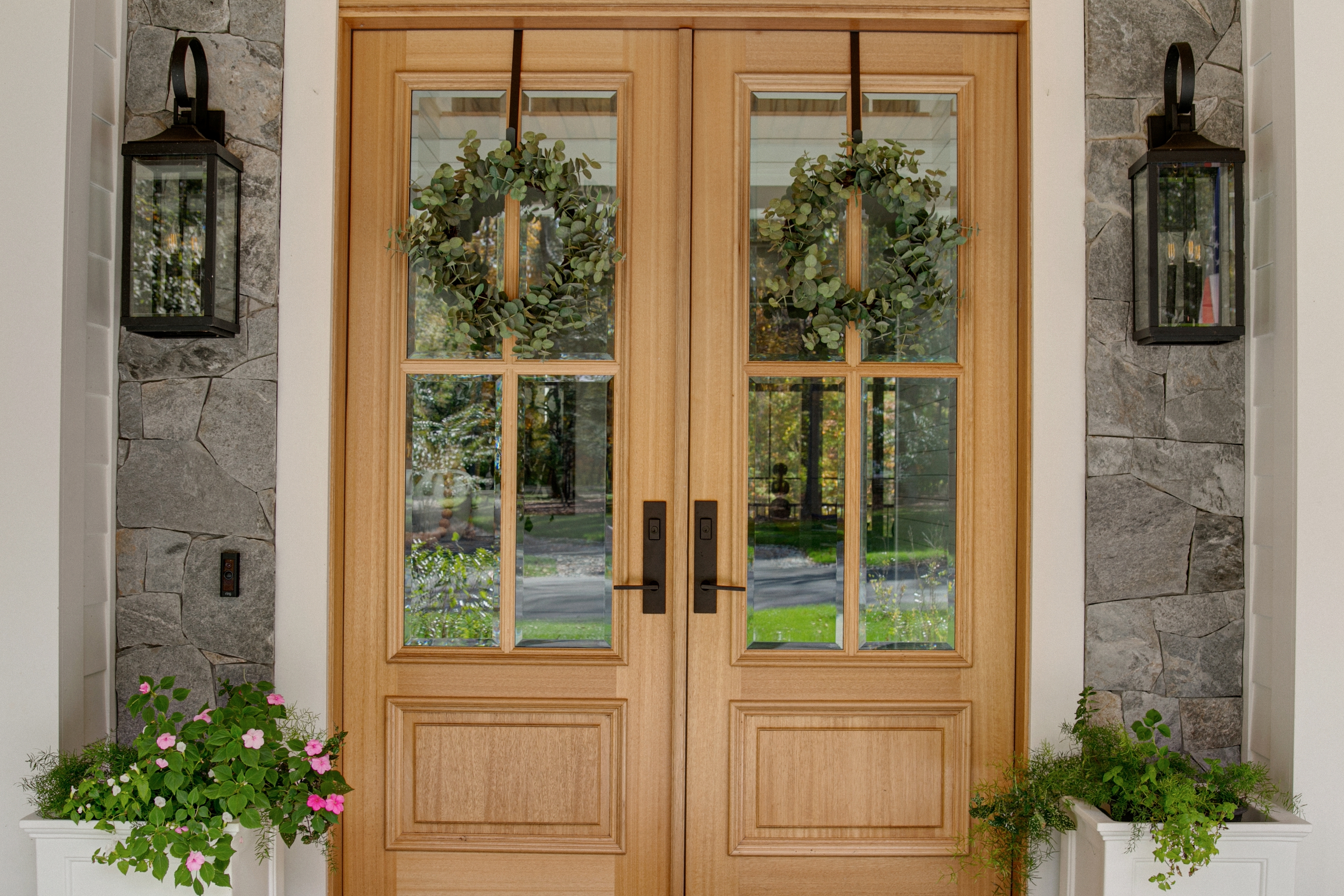
Natural wood double entry exterior doors with decorative glass panels, black handles and stone wall accents at a residential home. Natural wood double entry exterior doors with decorative glass panels, black handles and stone wall accents at a residential home.

The best exterior door for a hot climate is one that combines effective insulation, resistance to heat and sun exposure, durable finishes, and reliable weatherstripping. Fiberglass, steel, and wood doors can all work in desert environments, but the right choice depends on direct sunlight, temperature changes, maintenance requirements, and whether the door includes glass.

The Window Depot stocks exterior doors at its stores in Tucson, Phoenix, Chandler, Surprise, El Paso, Albuquerque and National City. In hot, dry markets like Arizona, west Texas and New Mexico, an exterior door must do more than provide security and curb appeal. It should help limit unwanted heat transfer, maintain a dependable seal, and withstand prolonged ultraviolet (UV) exposure. Choosing the right door material, finish, frame, and glass configuration can make a meaningful difference in comfort and long-term upkeep.

Quick Answers

  • What is the best exterior door for hot climates? Fiberglass is often a strong option because it offers good insulation potential, resists moisture-related problems, and can be finished to suit different home styles.
  • Are steel exterior doors good for desert heat? Yes. Insulated steel doors can provide durability and security, although exposed metal surfaces may become hot in direct sunlight and finishes require proper care.
  • Does wood work for an exterior door in a desert climate? Yes, but wood generally requires more attention to sealing, finish maintenance, and movement caused by changing moisture conditions.
  • Which exterior door finish lasts longest in direct sunlight? A finish specifically rated for exterior use and UV exposure is important. Actual durability depends on the door material, coating, color, exposure, and maintenance.
  • Should an exterior door have glass inserts in a hot climate? Glass can provide daylight, but its size, glazing performance, orientation, and shading affect heat gain.
  • How can you stop hot air from entering around a door? Inspect the weatherstripping, threshold, frame, and perimeter seals, and replace worn or damaged components with compatible products.

Why Does Desert Heat Matter When Choosing an Exterior Door?

Desert climates create several challenges for exterior doors. Intense sunlight can heat the door surface for hours, while UV exposure gradually degrades some finishes. Large temperature swings can also affect materials and components, and dust can collect around seals and moving hardware.

The amount of heat a door experiences depends on its orientation, the presence of shade, the color of its finish, and how much direct sunlight reaches it. A west-facing entrance, for example, may receive strong afternoon sun, while a recessed entrance protected by an overhang may experience less exposure.

A good selection process considers five factors:

  • Thermal performance: How well the door and frame limit heat transfer.
  • Material durability: How the door handles sun exposure, temperature changes, and everyday use.
  • Finish protection: Whether the coating is appropriate for the material and exposure.
  • Air sealing: How well the door closes against weatherstripping and the threshold.
  • Glass performance: Whether the glazing provides daylight without excessive unwanted solar heat gain.

The complete door assembly matters. Even a well-insulated slab may perform poorly if the frame is poorly fitted, the weatherstripping is damaged, or air leaks around the threshold.

Which Exterior Door Material Is Best for Hot Climates?

Fiberglass, steel, and wood each have advantages. Rather than choosing by material name alone, compare the specific door's construction, insulation, finish requirements, and installation details.

Are fiberglass exterior doors a good choice for desert heat?

Fiberglass is often a practical choice for homes exposed to strong sun and dry conditions. Many fiberglass doors use an insulated core and a molded exterior skin designed to resemble painted wood or natural wood grain.

Potential advantages include:

  • Insulation potential: Insulated fiberglass door systems can help reduce heat transfer when the slab, frame, and weather seals are designed and installed correctly.
  • Dimensional stability: Fiberglass generally resists many of the moisture-related expansion and contraction problems associated with solid wood.
  • Finish flexibility: Depending on the product, fiberglass may be painted or stained with a compatible exterior finish.
  • Style options: Available designs can include smooth surfaces, wood-grain textures, decorative panels, and glass inserts.

Fiberglass is not maintenance-free. Its finish can still fade or deteriorate with prolonged sun exposure, and some products have specific restrictions on dark colors, stains, or exposure conditions. Follow the manufacturer's instructions for approved coatings and refinishing.

Best for: Homeowners who want a balance of insulation potential, appearance, and relatively manageable maintenance.

Are steel exterior doors suitable for direct sunlight?

Steel exterior doors are commonly chosen for their strength, security, and value. Many insulated steel doors use a foam core to improve thermal performance, but the actual results depend on the product's construction and tested performance.

Steel can be a good option in desert regions, especially when the entrance is shaded or the selected door is specifically designed for the expected exposure.

Consider these factors before buying:

  • Insulation: Compare the manufacturer's thermal-performance information for the complete door system.
  • Surface temperature: Steel exposed to direct sunlight can become very hot. Dark finishes may absorb more solar energy than lighter finishes.
  • Finish condition: Scratches, chipped paint, or damaged protective coatings should be addressed according to the manufacturer's recommendations to help prevent corrosion.
  • Dents and repairs: Steel can dent, and damage may require professional repair or refinishing.
  • Frame and seals: A strong slab still needs a well-fitted frame and effective weatherstripping to limit air leakage.

Best for: Homeowners prioritizing security, durability, and cost-conscious performance, provided the selected model has suitable insulation and an appropriate exterior finish.

Can wood exterior doors withstand desert heat?

Wood doors can deliver a distinctive natural appearance and complement traditional, Southwestern, and contemporary architecture. However, solid wood responds to changes in moisture content, so choosing wood also means planning for finish maintenance and proper installation.

Desert air is often dry, but exterior wood doors may still experience changes from seasonal humidity, occasional rain, indoor-outdoor temperature differences, and uneven sun exposure.

Important considerations include:

  • Sealing: Keep the door protected with a compatible exterior finish, following the manufacturer's maintenance schedule.
  • Even exposure: Direct sun on one side can create uneven surface conditions and contribute to finish deterioration.
  • Movement: Wood may shrink, swell, or change shape as its moisture content changes.
  • Maintenance: Inspect the door periodically for cracking, peeling finish, open joints, and areas where moisture may enter.
  • Construction: Engineered wood components and solid wood designs can behave differently, so review the specific product's documentation.

Wood is not automatically unsuitable for hot climates. Its success depends on the species and construction, protective finish, exposure, installation, and the homeowner's willingness to maintain it.

Best for: Homeowners who prioritize natural wood appearance and are prepared to follow the required care and refinishing schedule.

How do fiberglass, steel, and wood compare?

 Factor

 Fiberglass

 Steel

 Wood

Insulation potential

Often good with an insulated core

Often good with an insulated core

Depends on construction and thickness

Direct-sun considerations

Finish and product exposure limits matter

Surface can become hot; finish condition matters

Sun exposure can affect finish and contribute to uneven movement

Maintenance

Generally manageable; follow finish requirements

Check for scratches, coating damage, and corrosion

Requires careful finish and condition inspections

Appearance

Smooth, paneled, or wood-grain styles

Smooth or paneled styles

Natural grain and a distinctive wood appearance

Main buying priority

Construction, finish, and UV suitability

Insulation, coating protection, and fit

Sealing, stability, and maintenance requirements

No material wins in every situation. Compare individual product specifications and installation requirements rather than assuming every door made from the same material performs equally well.

How Can You Choose a Door Finish That Resists Desert Sun?

A door's finish affects its appearance and its ability to withstand prolonged outdoor exposure. Strong UV radiation and high surface temperatures can cause some coatings to fade, chalk, crack, or peel over time.

Do dark exterior doors get too hot in direct sunlight?

Dark finishes generally absorb more solar energy than lighter finishes under otherwise similar conditions. This can increase the surface temperature of a sun-exposed door, although the actual temperature depends on the material, coating, sun angle, wind, and shading.

A dark door is not necessarily the wrong choice. However, if the entrance receives several hours of direct afternoon sunlight, consider whether a lighter color or a more shaded location would better suit the product's exposure limitations.

Before choosing a color, ask:

  • Is the color approved for this particular door material?
  • Does the manufacturer restrict dark colors on sun-exposed entrances?
  • Is the coating designed for exterior UV exposure?
  • Are special primers, stains, or topcoats required?
  • Does the warranty specify installation or exposure conditions?

These details are particularly important for fiberglass doors with decorative stains and products with manufacturer-specific color restrictions.

Which finish should you choose for fiberglass, steel, or wood?

The right coating depends on the door's construction. Do not assume that one paint or stain works for all three materials.

For fiberglass: Choose a compatible exterior paint or stain approved for the door's surface. Follow instructions about preparation, curing, color selection, and topcoats.

For steel: Use the manufacturer's recommended exterior coating system. Repair scratches and exposed areas promptly using approved products, especially where the protective coating has been compromised.

For wood: Use an appropriate exterior paint or stain system and protect all required surfaces, edges, and joints according to the manufacturer's instructions. Periodic inspection is important because a deteriorating finish can allow moisture to enter.

Routine care should include gentle cleaning with compatible products and prompt attention to peeling, cracking, or other finish damage. Avoid harsh cleaners or abrasive methods unless the manufacturer specifically approves them.

How Important Is Weatherstripping in a Hot, Dry Climate?

Weatherstripping is essential because the door slab alone does not determine how well the entrance seals. Gaps around the sides and top, or beneath the door, can allow hot outdoor air and dust to enter. During monsoon season, those same gaps can let in blowing dust and wind-driven rain.

Even an insulated door may perform poorly if the seal is worn, compressed unevenly, or incorrectly installed.

What should you inspect around the door?

Check the following components:

  • Side and head weatherstripping: Look for torn, flattened, brittle, or missing sections.
  • Door sweep: Check whether the bottom of the door closes evenly without an excessive gap.
  • Threshold: Confirm that the door meets the threshold properly and that the seal is intact.
  • Frame alignment: Look for uneven gaps that may indicate a misaligned slab, loose hardware, or installation issues.
  • Locking hardware: Ensure the door closes securely and engages without forcing it.
  • Perimeter sealant: Inspect the joint between the frame and surrounding wall for visible gaps or deterioration.

A simple visual inspection can reveal obvious problems, but persistent drafts may require a professional assessment. A gap may result from worn weatherstripping, a poorly adjusted door, frame movement, or a problem with the original installation.

Can better weatherstripping reduce cooling loss?

Effective weatherstripping helps limit unwanted air leakage, which can reduce the amount of hot outdoor air entering the home. That can help support indoor comfort and reduce the workload placed on cooling equipment.

However, the actual benefit depends on the size and location of the gaps, the door's condition, and the home's overall air leakage. Replacing seals will not correct every problem if the frame is damaged or the door is poorly installed.

When replacing weatherstripping, choose a product compatible with the door and frame. The seal should make consistent contact without preventing the door from closing and locking correctly.

Should You Choose an Exterior Door With Glass Inserts?

Glass inserts can brighten an entryway, provide a view outside, and add architectural interest. In a hot climate, however, glass also changes the way sunlight and heat enter through the door.

The important question is not simply whether a door has glass. It is how much glass it contains, where the entrance faces, what glazing is used, and whether shading is available.

How do glass size and placement affect heat gain?

A large glass insert can admit more daylight, but it can also increase solar heat gain depending on the glazing and the amount of direct sunlight it receives.

A north-facing or shaded entrance may have different solar exposure from a west-facing door exposed to afternoon sun. Consider the home's orientation and nearby features such as porch roofs, recessed entries, walls, and trees.

When comparing glass options, review the manufacturer's documented performance information rather than relying on appearance alone.

What glass features matter in desert climates?

Look for information about:

  • Solar heat gain coefficient (SHGC): Indicates how much solar heat passes through a glazing product. Lower values generally mean less solar heat gain.
  • U-factor: Measures the rate of heat transfer through the product. Lower values indicate better insulating performance.
  • Glazing construction: Multiple panes and suitable coatings may improve performance compared with basic single glazing, depending on the product.
  • Glass area: Smaller inserts may limit the glazed area while still bringing daylight into the entry.
  • Privacy and shading: Textured glass, suitable coverings, and architectural shading may help address privacy and sun exposure.

Do not select glass based on SHGC or U-factor alone. Compare the available ratings for the actual door or glazing configuration, and consider the complete assembly, including the frame and seals.

Is a door without glass better for hot climates?

A solid door can be a practical choice for entrances with intense direct sun, particularly when privacy and limiting glazed area are priorities. However, a well-designed door with suitable insulated glazing may also perform well.

The best decision depends on the product's documented thermal performance, the entrance's exposure, and your preferences for daylight, appearance, and privacy. If you're weighing a patio door instead, our guides to hinged vs. sliding patio doors and vinyl vs. aluminum sliding doors cover those options.

How Should You Account for Door Orientation and Direct Sunlight?

The direction your entrance faces can affect how much solar radiation reaches the door and how long it remains exposed.

West-facing doors may receive strong afternoon sun, while east-facing doors may experience more morning exposure. South-facing entrances in the Northern Hemisphere can receive substantial sunlight depending on the season and surrounding structures. Actual exposure varies by location, roof overhangs, nearby buildings, and landscaping.

Before selecting a door, evaluate:

  1. Hours of direct sunlight: Observe when the door receives direct sun and whether the exposure changes seasonally.
  2. Existing shade: Check whether an overhang, porch, recessed entry, or other structure protects the door.
  3. Finish and color: Confirm that the selected finish is appropriate for the expected exposure.
  4. Glass placement: Consider whether glazing will receive direct sunlight during the hottest part of the day.
  5. Frame and seal condition: Make sure the installation can maintain an effective seal through normal temperature changes.

If you are replacing a door that already experiences excessive heat, examine the complete entry system before buying a new slab. The frame, glass, finish, weatherstripping, and installation may all contribute to the problem.

What Door Frame and Installation Details Matter Most?

A door's material and insulation are only part of its performance. Incorrect installation can leave gaps that allow hot air and dust to enter, undermine weather resistance, and interfere with smooth operation.

Should you replace the frame with the door?

Not always. An existing frame may be reusable if it is structurally sound, properly aligned, compatible with the replacement door, and in good condition. However, damage, distortion, poor sealing, or incompatible dimensions may justify replacing more of the assembly.

Ask the installer to inspect:

  • Frame condition and alignment.
  • The condition of the threshold and bottom seal.
  • Gaps between the frame and wall opening.
  • The compatibility of the replacement slab with the existing frame and hardware.
  • The sealing method around the installed frame.
  • The manufacturer's requirements for installation and warranty coverage.

What should you ask the installer?

Ask how the door will be sealed, how the threshold will be fitted, and whether the installation method follows the manufacturer's instructions. Confirm that the door closes smoothly and locks securely before the project is considered complete. Contractors ordering for multiple openings should confirm rough opening size, jamb depth and swing direction for each door before placing the order.

For exposed entrances, discuss the expected sunlight and weather conditions when selecting the door and finish. Proper installation cannot eliminate every climate-related issue, but it helps the door perform as designed.

How Can You Maintain an Exterior Door in a Desert Climate?

Desert conditions can expose doors to intense sunlight, dust, wind, and large temperature changes. A regular inspection routine helps identify minor problems before they develop into more expensive repairs.

What maintenance should you perform?

Clean the surface periodically. Remove dust using cleaning methods approved for the door's material and finish. Avoid abrasive tools that could scratch the coating.

Inspect the finish. Look for fading, peeling, cracking, chips, or exposed areas. Follow the manufacturer's repair instructions for the specific material.

Check the seals. Examine weatherstripping, door sweeps, thresholds, and perimeter sealant for gaps or deterioration.

Test the operation. Open and close the door to identify sticking, rubbing, uneven gaps, or problems with the latch.

Inspect hardware. Check hinges, handles, and locking components for looseness or wear. Lubricate only as directed by the manufacturer.

Review glass and glazing seals. Check for visible damage or failed seals where applicable, and arrange repairs if needed.

Follow the maintenance schedule. Use the inspection intervals and care products recommended for the particular door, rather than relying on a universal schedule for every material.

How Do You Choose the Best Exterior Door for Your Home?

The best exterior door for a hot climate is the one that suits your home's exposure, insulation needs, appearance, security requirements, and maintenance preferences.

Use this checklist when comparing products:

  • Material: Decide whether fiberglass, steel, or wood best fits your priorities.
  • Insulation: Review the manufacturer's performance information for the complete door system.
  • Direct sunlight: Confirm that the door and finish are suitable for the entrance's exposure.
  • Color: Consider surface heating and any manufacturer restrictions on dark finishes.
  • Glass: Evaluate the size of the insert, SHGC, U-factor, and privacy requirements.
  • Weatherstripping: Confirm that the system provides a consistent seal around the door.
  • Frame and threshold: Check compatibility, condition, and installation requirements.
  • Maintenance: Understand how often the finish and seals need inspection or service.
  • Warranty: Review exclusions and requirements related to color, sun exposure, installation, and refinishing.
  • Budget: Compare initial cost alongside installation and long-term maintenance.

For many homeowners, an insulated fiberglass door is a useful starting point for comparison. An insulated steel door may be preferable when security and value are priorities, while a wood door may suit homeowners who value natural appearance and are prepared for additional upkeep. The specifications of the individual product should determine the final decision.

Frequently Asked Questions About Exterior Doors for Desert Heat

What is the best exterior door for hot climates?

Fiberglass is often a strong option because it can combine insulation, dimensional stability, and relatively manageable maintenance. Insulated steel and properly maintained wood doors can also work well when selected for the home's exposure and installed correctly.

Are fiberglass doors better than steel doors in direct sunlight?

Not in every situation. Both materials are available in products designed for exterior use, and both can have effective insulation. Compare finish restrictions, thermal-performance information, UV suitability, and the manufacturer's guidance for the specific model.

Do dark-colored exterior doors absorb more heat?

Generally, yes. Dark finishes tend to absorb more solar energy than lighter finishes under similar conditions. The actual surface temperature depends on material, coating, orientation, shade, wind, and exposure duration.

Does weatherstripping make a difference in hot weather?

Yes. Properly fitted weatherstripping helps reduce unwanted air leakage around the door. Damaged seals, poor alignment, and gaps at the threshold can undermine the performance of an otherwise well-insulated door.

Are glass inserts a bad idea in desert climates?

No. Glass inserts can provide daylight and visual appeal. Choose glazing based on solar heat gain, insulation, glass area, entrance orientation, and shading rather than assuming all glass doors perform the same way.

How often should an exterior door be inspected?

Inspect the door periodically and follow the manufacturer's maintenance schedule. Pay particular attention to finish damage, weatherstripping, threshold gaps, hardware, and any signs that the door no longer closes or seals properly.

Choose an Exterior Door That Fits Your Climate

Choosing an exterior door for desert heat means balancing insulation, sun resistance, air sealing, appearance, and maintenance. Fiberglass, steel, and wood each offer useful options, but the best results come from selecting a product suited to the actual exposure and ensuring the frame, threshold, weatherstripping, and glass are appropriate for the home.

Explore The Window Depot's exterior door selection to review available options for your project. You can also visit The Window Depot in Tucson, Phoenix, Chandler, Surprise, El Paso, Albuquerque or National City, or find a nearby The Window Depot location to discuss your needs and compare suitable door choices.

How to Choose an Exterior Door for Desert Heat

Natural wood double entry exterior doors with decorative glass panels, black handles and stone wall accents at a residential home. Natural wood double entry exterior doors with decorative glass panels, black handles and stone wall accents at a residential home.

The best exterior door for a hot climate is one that combines effective insulation, resistance to heat and sun exposure, durable finishes, and reliable weatherstripping. Fiberglass, steel, and wood doors can all work in desert environments, but the right choice depends on direct sunlight, temperature changes, maintenance requirements, and whether the door includes glass.

The Window Depot stocks exterior doors at its stores in Tucson, Phoenix, Chandler, Surprise, El Paso, Albuquerque and National City. In hot, dry markets like Arizona, west Texas and New Mexico, an exterior door must do more than provide security and curb appeal. It should help limit unwanted heat transfer, maintain a dependable seal, and withstand prolonged ultraviolet (UV) exposure. Choosing the right door material, finish, frame, and glass configuration can make a meaningful difference in comfort and long-term upkeep.

Quick Answers

  • What is the best exterior door for hot climates? Fiberglass is often a strong option because it offers good insulation potential, resists moisture-related problems, and can be finished to suit different home styles.
  • Are steel exterior doors good for desert heat? Yes. Insulated steel doors can provide durability and security, although exposed metal surfaces may become hot in direct sunlight and finishes require proper care.
  • Does wood work for an exterior door in a desert climate? Yes, but wood generally requires more attention to sealing, finish maintenance, and movement caused by changing moisture conditions.
  • Which exterior door finish lasts longest in direct sunlight? A finish specifically rated for exterior use and UV exposure is important. Actual durability depends on the door material, coating, color, exposure, and maintenance.
  • Should an exterior door have glass inserts in a hot climate? Glass can provide daylight, but its size, glazing performance, orientation, and shading affect heat gain.
  • How can you stop hot air from entering around a door? Inspect the weatherstripping, threshold, frame, and perimeter seals, and replace worn or damaged components with compatible products.

Why Does Desert Heat Matter When Choosing an Exterior Door?

Desert climates create several challenges for exterior doors. Intense sunlight can heat the door surface for hours, while UV exposure gradually degrades some finishes. Large temperature swings can also affect materials and components, and dust can collect around seals and moving hardware.

The amount of heat a door experiences depends on its orientation, the presence of shade, the color of its finish, and how much direct sunlight reaches it. A west-facing entrance, for example, may receive strong afternoon sun, while a recessed entrance protected by an overhang may experience less exposure.

A good selection process considers five factors:

  • Thermal performance: How well the door and frame limit heat transfer.
  • Material durability: How the door handles sun exposure, temperature changes, and everyday use.
  • Finish protection: Whether the coating is appropriate for the material and exposure.
  • Air sealing: How well the door closes against weatherstripping and the threshold.
  • Glass performance: Whether the glazing provides daylight without excessive unwanted solar heat gain.

The complete door assembly matters. Even a well-insulated slab may perform poorly if the frame is poorly fitted, the weatherstripping is damaged, or air leaks around the threshold.

Which Exterior Door Material Is Best for Hot Climates?

Fiberglass, steel, and wood each have advantages. Rather than choosing by material name alone, compare the specific door's construction, insulation, finish requirements, and installation details.

Are fiberglass exterior doors a good choice for desert heat?

Fiberglass is often a practical choice for homes exposed to strong sun and dry conditions. Many fiberglass doors use an insulated core and a molded exterior skin designed to resemble painted wood or natural wood grain.

Potential advantages include:

  • Insulation potential: Insulated fiberglass door systems can help reduce heat transfer when the slab, frame, and weather seals are designed and installed correctly.
  • Dimensional stability: Fiberglass generally resists many of the moisture-related expansion and contraction problems associated with solid wood.
  • Finish flexibility: Depending on the product, fiberglass may be painted or stained with a compatible exterior finish.
  • Style options: Available designs can include smooth surfaces, wood-grain textures, decorative panels, and glass inserts.

Fiberglass is not maintenance-free. Its finish can still fade or deteriorate with prolonged sun exposure, and some products have specific restrictions on dark colors, stains, or exposure conditions. Follow the manufacturer's instructions for approved coatings and refinishing.

Best for: Homeowners who want a balance of insulation potential, appearance, and relatively manageable maintenance.

Are steel exterior doors suitable for direct sunlight?

Steel exterior doors are commonly chosen for their strength, security, and value. Many insulated steel doors use a foam core to improve thermal performance, but the actual results depend on the product's construction and tested performance.

Steel can be a good option in desert regions, especially when the entrance is shaded or the selected door is specifically designed for the expected exposure.

Consider these factors before buying:

  • Insulation: Compare the manufacturer's thermal-performance information for the complete door system.
  • Surface temperature: Steel exposed to direct sunlight can become very hot. Dark finishes may absorb more solar energy than lighter finishes.
  • Finish condition: Scratches, chipped paint, or damaged protective coatings should be addressed according to the manufacturer's recommendations to help prevent corrosion.
  • Dents and repairs: Steel can dent, and damage may require professional repair or refinishing.
  • Frame and seals: A strong slab still needs a well-fitted frame and effective weatherstripping to limit air leakage.

Best for: Homeowners prioritizing security, durability, and cost-conscious performance, provided the selected model has suitable insulation and an appropriate exterior finish.

Can wood exterior doors withstand desert heat?

Wood doors can deliver a distinctive natural appearance and complement traditional, Southwestern, and contemporary architecture. However, solid wood responds to changes in moisture content, so choosing wood also means planning for finish maintenance and proper installation.

Desert air is often dry, but exterior wood doors may still experience changes from seasonal humidity, occasional rain, indoor-outdoor temperature differences, and uneven sun exposure.

Important considerations include:

  • Sealing: Keep the door protected with a compatible exterior finish, following the manufacturer's maintenance schedule.
  • Even exposure: Direct sun on one side can create uneven surface conditions and contribute to finish deterioration.
  • Movement: Wood may shrink, swell, or change shape as its moisture content changes.
  • Maintenance: Inspect the door periodically for cracking, peeling finish, open joints, and areas where moisture may enter.
  • Construction: Engineered wood components and solid wood designs can behave differently, so review the specific product's documentation.

Wood is not automatically unsuitable for hot climates. Its success depends on the species and construction, protective finish, exposure, installation, and the homeowner's willingness to maintain it.

Best for: Homeowners who prioritize natural wood appearance and are prepared to follow the required care and refinishing schedule.

How do fiberglass, steel, and wood compare?

 Factor

 Fiberglass

 Steel

 Wood

Insulation potential

Often good with an insulated core

Often good with an insulated core

Depends on construction and thickness

Direct-sun considerations

Finish and product exposure limits matter

Surface can become hot; finish condition matters

Sun exposure can affect finish and contribute to uneven movement

Maintenance

Generally manageable; follow finish requirements

Check for scratches, coating damage, and corrosion

Requires careful finish and condition inspections

Appearance

Smooth, paneled, or wood-grain styles

Smooth or paneled styles

Natural grain and a distinctive wood appearance

Main buying priority

Construction, finish, and UV suitability

Insulation, coating protection, and fit

Sealing, stability, and maintenance requirements

No material wins in every situation. Compare individual product specifications and installation requirements rather than assuming every door made from the same material performs equally well.

How Can You Choose a Door Finish That Resists Desert Sun?

A door's finish affects its appearance and its ability to withstand prolonged outdoor exposure. Strong UV radiation and high surface temperatures can cause some coatings to fade, chalk, crack, or peel over time.

Do dark exterior doors get too hot in direct sunlight?

Dark finishes generally absorb more solar energy than lighter finishes under otherwise similar conditions. This can increase the surface temperature of a sun-exposed door, although the actual temperature depends on the material, coating, sun angle, wind, and shading.

A dark door is not necessarily the wrong choice. However, if the entrance receives several hours of direct afternoon sunlight, consider whether a lighter color or a more shaded location would better suit the product's exposure limitations.

Before choosing a color, ask:

  • Is the color approved for this particular door material?
  • Does the manufacturer restrict dark colors on sun-exposed entrances?
  • Is the coating designed for exterior UV exposure?
  • Are special primers, stains, or topcoats required?
  • Does the warranty specify installation or exposure conditions?

These details are particularly important for fiberglass doors with decorative stains and products with manufacturer-specific color restrictions.

Which finish should you choose for fiberglass, steel, or wood?

The right coating depends on the door's construction. Do not assume that one paint or stain works for all three materials.

For fiberglass: Choose a compatible exterior paint or stain approved for the door's surface. Follow instructions about preparation, curing, color selection, and topcoats.

For steel: Use the manufacturer's recommended exterior coating system. Repair scratches and exposed areas promptly using approved products, especially where the protective coating has been compromised.

For wood: Use an appropriate exterior paint or stain system and protect all required surfaces, edges, and joints according to the manufacturer's instructions. Periodic inspection is important because a deteriorating finish can allow moisture to enter.

Routine care should include gentle cleaning with compatible products and prompt attention to peeling, cracking, or other finish damage. Avoid harsh cleaners or abrasive methods unless the manufacturer specifically approves them.

How Important Is Weatherstripping in a Hot, Dry Climate?

Weatherstripping is essential because the door slab alone does not determine how well the entrance seals. Gaps around the sides and top, or beneath the door, can allow hot outdoor air and dust to enter. During monsoon season, those same gaps can let in blowing dust and wind-driven rain.

Even an insulated door may perform poorly if the seal is worn, compressed unevenly, or incorrectly installed.

What should you inspect around the door?

Check the following components:

  • Side and head weatherstripping: Look for torn, flattened, brittle, or missing sections.
  • Door sweep: Check whether the bottom of the door closes evenly without an excessive gap.
  • Threshold: Confirm that the door meets the threshold properly and that the seal is intact.
  • Frame alignment: Look for uneven gaps that may indicate a misaligned slab, loose hardware, or installation issues.
  • Locking hardware: Ensure the door closes securely and engages without forcing it.
  • Perimeter sealant: Inspect the joint between the frame and surrounding wall for visible gaps or deterioration.

A simple visual inspection can reveal obvious problems, but persistent drafts may require a professional assessment. A gap may result from worn weatherstripping, a poorly adjusted door, frame movement, or a problem with the original installation.

Can better weatherstripping reduce cooling loss?

Effective weatherstripping helps limit unwanted air leakage, which can reduce the amount of hot outdoor air entering the home. That can help support indoor comfort and reduce the workload placed on cooling equipment.

However, the actual benefit depends on the size and location of the gaps, the door's condition, and the home's overall air leakage. Replacing seals will not correct every problem if the frame is damaged or the door is poorly installed.

When replacing weatherstripping, choose a product compatible with the door and frame. The seal should make consistent contact without preventing the door from closing and locking correctly.

Should You Choose an Exterior Door With Glass Inserts?

Glass inserts can brighten an entryway, provide a view outside, and add architectural interest. In a hot climate, however, glass also changes the way sunlight and heat enter through the door.

The important question is not simply whether a door has glass. It is how much glass it contains, where the entrance faces, what glazing is used, and whether shading is available.

How do glass size and placement affect heat gain?

A large glass insert can admit more daylight, but it can also increase solar heat gain depending on the glazing and the amount of direct sunlight it receives.

A north-facing or shaded entrance may have different solar exposure from a west-facing door exposed to afternoon sun. Consider the home's orientation and nearby features such as porch roofs, recessed entries, walls, and trees.

When comparing glass options, review the manufacturer's documented performance information rather than relying on appearance alone.

What glass features matter in desert climates?

Look for information about:

  • Solar heat gain coefficient (SHGC): Indicates how much solar heat passes through a glazing product. Lower values generally mean less solar heat gain.
  • U-factor: Measures the rate of heat transfer through the product. Lower values indicate better insulating performance.
  • Glazing construction: Multiple panes and suitable coatings may improve performance compared with basic single glazing, depending on the product.
  • Glass area: Smaller inserts may limit the glazed area while still bringing daylight into the entry.
  • Privacy and shading: Textured glass, suitable coverings, and architectural shading may help address privacy and sun exposure.

Do not select glass based on SHGC or U-factor alone. Compare the available ratings for the actual door or glazing configuration, and consider the complete assembly, including the frame and seals.

Is a door without glass better for hot climates?

A solid door can be a practical choice for entrances with intense direct sun, particularly when privacy and limiting glazed area are priorities. However, a well-designed door with suitable insulated glazing may also perform well.

The best decision depends on the product's documented thermal performance, the entrance's exposure, and your preferences for daylight, appearance, and privacy. If you're weighing a patio door instead, our guides to hinged vs. sliding patio doors and vinyl vs. aluminum sliding doors cover those options.

How Should You Account for Door Orientation and Direct Sunlight?

The direction your entrance faces can affect how much solar radiation reaches the door and how long it remains exposed.

West-facing doors may receive strong afternoon sun, while east-facing doors may experience more morning exposure. South-facing entrances in the Northern Hemisphere can receive substantial sunlight depending on the season and surrounding structures. Actual exposure varies by location, roof overhangs, nearby buildings, and landscaping.

Before selecting a door, evaluate:

  1. Hours of direct sunlight: Observe when the door receives direct sun and whether the exposure changes seasonally.
  2. Existing shade: Check whether an overhang, porch, recessed entry, or other structure protects the door.
  3. Finish and color: Confirm that the selected finish is appropriate for the expected exposure.
  4. Glass placement: Consider whether glazing will receive direct sunlight during the hottest part of the day.
  5. Frame and seal condition: Make sure the installation can maintain an effective seal through normal temperature changes.

If you are replacing a door that already experiences excessive heat, examine the complete entry system before buying a new slab. The frame, glass, finish, weatherstripping, and installation may all contribute to the problem.

What Door Frame and Installation Details Matter Most?

A door's material and insulation are only part of its performance. Incorrect installation can leave gaps that allow hot air and dust to enter, undermine weather resistance, and interfere with smooth operation.

Should you replace the frame with the door?

Not always. An existing frame may be reusable if it is structurally sound, properly aligned, compatible with the replacement door, and in good condition. However, damage, distortion, poor sealing, or incompatible dimensions may justify replacing more of the assembly.

Ask the installer to inspect:

  • Frame condition and alignment.
  • The condition of the threshold and bottom seal.
  • Gaps between the frame and wall opening.
  • The compatibility of the replacement slab with the existing frame and hardware.
  • The sealing method around the installed frame.
  • The manufacturer's requirements for installation and warranty coverage.

What should you ask the installer?

Ask how the door will be sealed, how the threshold will be fitted, and whether the installation method follows the manufacturer's instructions. Confirm that the door closes smoothly and locks securely before the project is considered complete. Contractors ordering for multiple openings should confirm rough opening size, jamb depth and swing direction for each door before placing the order.

For exposed entrances, discuss the expected sunlight and weather conditions when selecting the door and finish. Proper installation cannot eliminate every climate-related issue, but it helps the door perform as designed.

How Can You Maintain an Exterior Door in a Desert Climate?

Desert conditions can expose doors to intense sunlight, dust, wind, and large temperature changes. A regular inspection routine helps identify minor problems before they develop into more expensive repairs.

What maintenance should you perform?

Clean the surface periodically. Remove dust using cleaning methods approved for the door's material and finish. Avoid abrasive tools that could scratch the coating.

Inspect the finish. Look for fading, peeling, cracking, chips, or exposed areas. Follow the manufacturer's repair instructions for the specific material.

Check the seals. Examine weatherstripping, door sweeps, thresholds, and perimeter sealant for gaps or deterioration.

Test the operation. Open and close the door to identify sticking, rubbing, uneven gaps, or problems with the latch.

Inspect hardware. Check hinges, handles, and locking components for looseness or wear. Lubricate only as directed by the manufacturer.

Review glass and glazing seals. Check for visible damage or failed seals where applicable, and arrange repairs if needed.

Follow the maintenance schedule. Use the inspection intervals and care products recommended for the particular door, rather than relying on a universal schedule for every material.

How Do You Choose the Best Exterior Door for Your Home?

The best exterior door for a hot climate is the one that suits your home's exposure, insulation needs, appearance, security requirements, and maintenance preferences.

Use this checklist when comparing products:

  • Material: Decide whether fiberglass, steel, or wood best fits your priorities.
  • Insulation: Review the manufacturer's performance information for the complete door system.
  • Direct sunlight: Confirm that the door and finish are suitable for the entrance's exposure.
  • Color: Consider surface heating and any manufacturer restrictions on dark finishes.
  • Glass: Evaluate the size of the insert, SHGC, U-factor, and privacy requirements.
  • Weatherstripping: Confirm that the system provides a consistent seal around the door.
  • Frame and threshold: Check compatibility, condition, and installation requirements.
  • Maintenance: Understand how often the finish and seals need inspection or service.
  • Warranty: Review exclusions and requirements related to color, sun exposure, installation, and refinishing.
  • Budget: Compare initial cost alongside installation and long-term maintenance.

For many homeowners, an insulated fiberglass door is a useful starting point for comparison. An insulated steel door may be preferable when security and value are priorities, while a wood door may suit homeowners who value natural appearance and are prepared for additional upkeep. The specifications of the individual product should determine the final decision.

Frequently Asked Questions About Exterior Doors for Desert Heat

What is the best exterior door for hot climates?

Fiberglass is often a strong option because it can combine insulation, dimensional stability, and relatively manageable maintenance. Insulated steel and properly maintained wood doors can also work well when selected for the home's exposure and installed correctly.

Are fiberglass doors better than steel doors in direct sunlight?

Not in every situation. Both materials are available in products designed for exterior use, and both can have effective insulation. Compare finish restrictions, thermal-performance information, UV suitability, and the manufacturer's guidance for the specific model.

Do dark-colored exterior doors absorb more heat?

Generally, yes. Dark finishes tend to absorb more solar energy than lighter finishes under similar conditions. The actual surface temperature depends on material, coating, orientation, shade, wind, and exposure duration.

Does weatherstripping make a difference in hot weather?

Yes. Properly fitted weatherstripping helps reduce unwanted air leakage around the door. Damaged seals, poor alignment, and gaps at the threshold can undermine the performance of an otherwise well-insulated door.

Are glass inserts a bad idea in desert climates?

No. Glass inserts can provide daylight and visual appeal. Choose glazing based on solar heat gain, insulation, glass area, entrance orientation, and shading rather than assuming all glass doors perform the same way.

How often should an exterior door be inspected?

Inspect the door periodically and follow the manufacturer's maintenance schedule. Pay particular attention to finish damage, weatherstripping, threshold gaps, hardware, and any signs that the door no longer closes or seals properly.

Choose an Exterior Door That Fits Your Climate

Choosing an exterior door for desert heat means balancing insulation, sun resistance, air sealing, appearance, and maintenance. Fiberglass, steel, and wood each offer useful options, but the best results come from selecting a product suited to the actual exposure and ensuring the frame, threshold, weatherstripping, and glass are appropriate for the home.

Explore The Window Depot's exterior door selection to review available options for your project. You can also visit The Window Depot in Tucson, Phoenix, Chandler, Surprise, El Paso, Albuquerque or National City, or find a nearby The Window Depot location to discuss your needs and compare suitable door choices.

SEARCH ×

Search