
Select your store: 2300 S. 6th Ave, Tucson

Online orders are in store pickup only.

0 $0.00
items in your cartto quote To cart
Ooops no items were found.
Try something else.
Ok
Loading…

What Is a Window Sash Balance, and How Do You Know It's Failing?

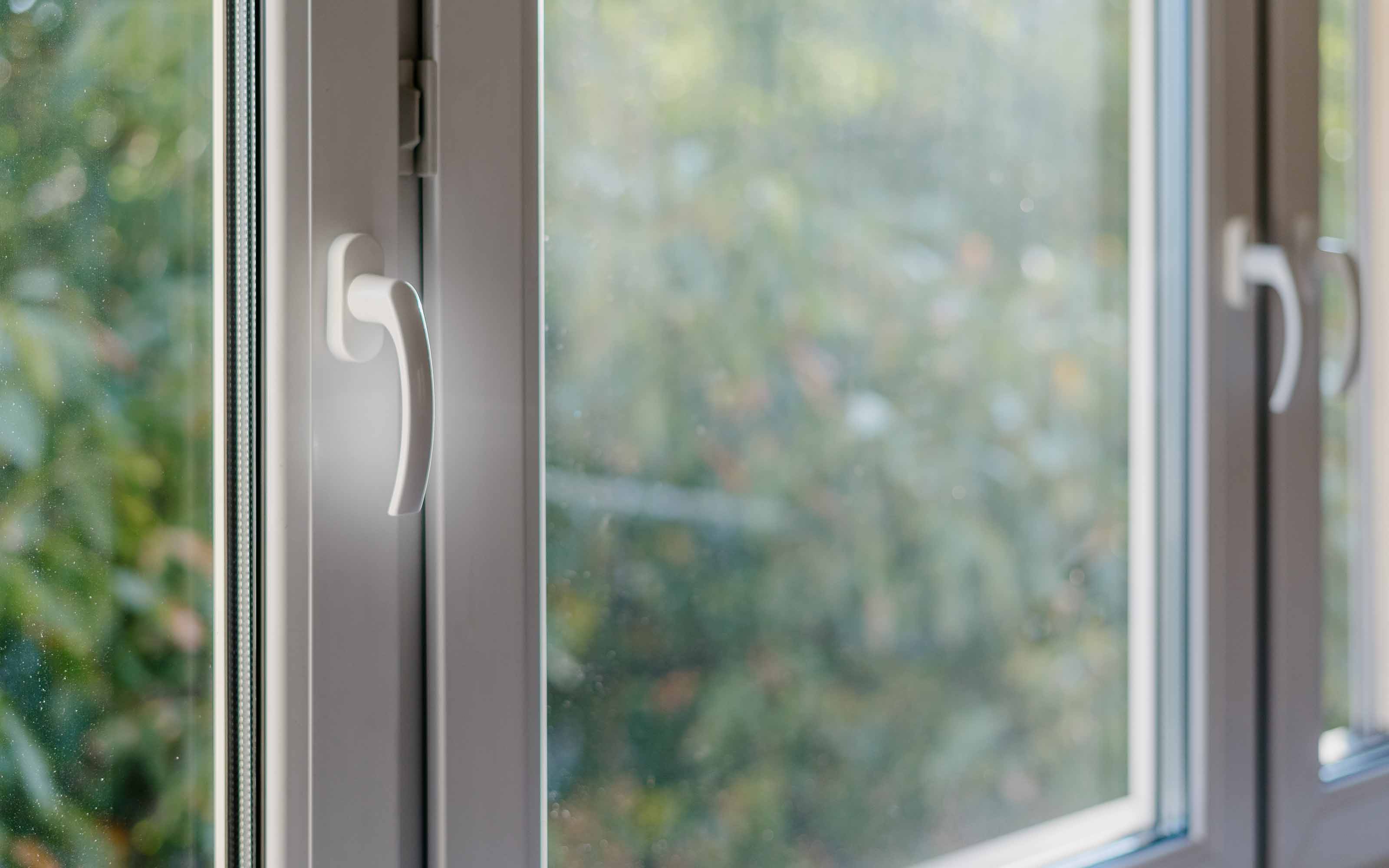
Close-up of a white window sash and handle with the outdoor view visible through the glass Close-up of a white window sash and handle with the outdoor view visible through the glass

A window sash balance is the part inside a single-hung or double-hung window that offsets the weight of the sash. It makes the window easier to raise and keeps it from sliding down once it's open. When a balance wears out, you'll usually notice a sash that drops, feels heavy or won't stay where you put it.

At The Window Depot, we hear from homeowners and contractors in Tucson, Phoenix, Chandler, Surprise, El Paso, Albuquerque and National City who are trying to decide whether a hard-to-open window needs a new part or a full replacement. Knowing how sash balances work makes that call a lot easier.

What Does a Window Sash Balance Do?

A sash balance counteracts the weight of the moving sash so you don't have to lift the full weight yourself. When you raise the window, the balance carries part of the load. When you lower it, the balance controls how fast it moves.

The balance also holds the sash in place when the window is partly open. That's the job people notice most, because when it stops working, the window won't stay put.

Sash balances are found in vertically sliding windows like single-hung and double-hung styles. Casement, awning and horizontal sliding windows use different operating hardware.

What Types of Sash Balances Are There?

Balance designs vary by manufacturer and by the age of the window. These are the types you're most likely to find.

 Balance type

 How it works

 Where you'll see it

 Sash weights and pulleys

 Metal weights hang on cords or chains inside the wall pocket

 Older wood windows

 Block and tackle (channel)

 An extension spring and pulley system inside a metal channel

 Many vinyl and aluminum windows

 Spiral

 A twisted rod inside a tube provides spring tension

 Common in vinyl windows

 Constant force coil

 A coiled steel spring mounted in the jamb pulls with steady force

 Many newer vinyl windows

Some balances also work with tilt-in sashes that pivot inward for cleaning. Knowing whether your window tilts helps narrow down the right replacement part.

What Are the Signs of a Failing Window Balance?

A worn balance changes how the window feels. Watch for these signs:

  • The sash drops or slams shut after you open it
  • The window is suddenly much harder to raise
  • The sash won't stay open partway
  • One side moves differently than the other, or the sash sits crooked
  • You hear snapping, grinding or clunking in the jamb

These symptoms don't always mean the balance is the problem. A misaligned sash, a worn guide or debris in the track can cause similar trouble. In dusty conditions, grit that builds up in the jamb channels can make a window drag even when the balance is fine.

Why Won't My Window Stay Open?

The most common cause of a window that won't stay open is a balance that no longer supports the sash's weight. A broken cord, a stretched spring or a disconnected shoe can all let the sash slide down on its own.

Check both sides of the window. If the sash sits lower on one side, the balance on that side is often the one that failed.

Can You Replace a Sash Balance Without Replacing the Window?

Often, yes. If the frame, glass and sash are in good shape, replacing a worn balance can bring a window back to smooth operation without buying a new unit.

The key is matching the part. Balances vary in type, length and strength, and many have a part number or code stamped or labeled on them. Measure the old balance and note the window brand before shopping. An incorrect balance can leave the sash too heavy to lift or too weak to stay open.

Spiral and coil balances can be under spring tension. Work carefully and follow the manufacturer's instructions when removing one.

When Does a Balance Problem Mean You Need a New Window?

A failed balance alone rarely means the whole window needs to go. Replacement starts to make more sense when the balance problem comes with other issues, such as a warped or damaged frame, fogging between the panes, or drafts you can feel around a closed sash.

It's also worth considering if the replacement part has been discontinued or if several windows in the house are failing at once. At that point, new vinyl replacement windows can fix the operating issues and improve comfort in the same project. Our guide to window air leakage ratings explains what to look for if drafts are part of the problem.

How Can You Keep Windows Operating Smoothly?

Pay attention when a window starts to feel different. A sudden increase in resistance or a sash that starts to creep down is easier to address early.

Keep the jamb tracks clean so dirt doesn't add drag, and don't force a window that sticks. Pushing hard on a binding sash puts stress on the balance, the frame and the hardware all at once.

Frequently Asked Questions

How do I know which sash balance my window uses?

Tilt or remove the sash to see the balance in the side jamb. Look for a stamped code or label, note the type and measure its length before buying a replacement.

Why does my window slam shut when I open it?

A window that slams shut usually has a balance that has broken or lost tension. The sash is falling under its own weight because nothing is supporting it.

Can I replace a window sash balance myself?

Many DIYers can, as long as they match the correct part and take care with spring tension. If the window is older or the part is hard to identify, it can help to get another opinion first.

Do casement windows have sash balances?

No. Casement windows open on hinges with a crank operator. Sash balances are used in vertically sliding windows like single-hung and double-hung styles.

Is it better to fix the balance or replace the window?

If the rest of the window is in good condition, replacing the balance is usually the practical choice. If the frame, glass or seals are also failing, a new window may be the better long-term fix.

Replacement Windows at The Window Depot

A worn sash balance is often a simple fix, but when a window has several problems at once, it may be time for something new. Visit The Window Depot in Tucson, Phoenix, Chandler, Surprise, El Paso, Albuquerque or National City to see our in-stock replacement windows, or browse vinyl windows online first. Find the store closest to you with our store locator.

What Is a Window Sash Balance, and How Do You Know It's Failing?

Close-up of a white window sash and handle with the outdoor view visible through the glass Close-up of a white window sash and handle with the outdoor view visible through the glass

A window sash balance is the part inside a single-hung or double-hung window that offsets the weight of the sash. It makes the window easier to raise and keeps it from sliding down once it's open. When a balance wears out, you'll usually notice a sash that drops, feels heavy or won't stay where you put it.

At The Window Depot, we hear from homeowners and contractors in Tucson, Phoenix, Chandler, Surprise, El Paso, Albuquerque and National City who are trying to decide whether a hard-to-open window needs a new part or a full replacement. Knowing how sash balances work makes that call a lot easier.

What Does a Window Sash Balance Do?

A sash balance counteracts the weight of the moving sash so you don't have to lift the full weight yourself. When you raise the window, the balance carries part of the load. When you lower it, the balance controls how fast it moves.

The balance also holds the sash in place when the window is partly open. That's the job people notice most, because when it stops working, the window won't stay put.

Sash balances are found in vertically sliding windows like single-hung and double-hung styles. Casement, awning and horizontal sliding windows use different operating hardware.

What Types of Sash Balances Are There?

Balance designs vary by manufacturer and by the age of the window. These are the types you're most likely to find.

 Balance type

 How it works

 Where you'll see it

 Sash weights and pulleys

 Metal weights hang on cords or chains inside the wall pocket

 Older wood windows

 Block and tackle (channel)

 An extension spring and pulley system inside a metal channel

 Many vinyl and aluminum windows

 Spiral

 A twisted rod inside a tube provides spring tension

 Common in vinyl windows

 Constant force coil

 A coiled steel spring mounted in the jamb pulls with steady force

 Many newer vinyl windows

Some balances also work with tilt-in sashes that pivot inward for cleaning. Knowing whether your window tilts helps narrow down the right replacement part.

What Are the Signs of a Failing Window Balance?

A worn balance changes how the window feels. Watch for these signs:

  • The sash drops or slams shut after you open it
  • The window is suddenly much harder to raise
  • The sash won't stay open partway
  • One side moves differently than the other, or the sash sits crooked
  • You hear snapping, grinding or clunking in the jamb

These symptoms don't always mean the balance is the problem. A misaligned sash, a worn guide or debris in the track can cause similar trouble. In dusty conditions, grit that builds up in the jamb channels can make a window drag even when the balance is fine.

Why Won't My Window Stay Open?

The most common cause of a window that won't stay open is a balance that no longer supports the sash's weight. A broken cord, a stretched spring or a disconnected shoe can all let the sash slide down on its own.

Check both sides of the window. If the sash sits lower on one side, the balance on that side is often the one that failed.

Can You Replace a Sash Balance Without Replacing the Window?

Often, yes. If the frame, glass and sash are in good shape, replacing a worn balance can bring a window back to smooth operation without buying a new unit.

The key is matching the part. Balances vary in type, length and strength, and many have a part number or code stamped or labeled on them. Measure the old balance and note the window brand before shopping. An incorrect balance can leave the sash too heavy to lift or too weak to stay open.

Spiral and coil balances can be under spring tension. Work carefully and follow the manufacturer's instructions when removing one.

When Does a Balance Problem Mean You Need a New Window?

A failed balance alone rarely means the whole window needs to go. Replacement starts to make more sense when the balance problem comes with other issues, such as a warped or damaged frame, fogging between the panes, or drafts you can feel around a closed sash.

It's also worth considering if the replacement part has been discontinued or if several windows in the house are failing at once. At that point, new vinyl replacement windows can fix the operating issues and improve comfort in the same project. Our guide to window air leakage ratings explains what to look for if drafts are part of the problem.

How Can You Keep Windows Operating Smoothly?

Pay attention when a window starts to feel different. A sudden increase in resistance or a sash that starts to creep down is easier to address early.

Keep the jamb tracks clean so dirt doesn't add drag, and don't force a window that sticks. Pushing hard on a binding sash puts stress on the balance, the frame and the hardware all at once.

Frequently Asked Questions

How do I know which sash balance my window uses?

Tilt or remove the sash to see the balance in the side jamb. Look for a stamped code or label, note the type and measure its length before buying a replacement.

Why does my window slam shut when I open it?

A window that slams shut usually has a balance that has broken or lost tension. The sash is falling under its own weight because nothing is supporting it.

Can I replace a window sash balance myself?

Many DIYers can, as long as they match the correct part and take care with spring tension. If the window is older or the part is hard to identify, it can help to get another opinion first.

Do casement windows have sash balances?

No. Casement windows open on hinges with a crank operator. Sash balances are used in vertically sliding windows like single-hung and double-hung styles.

Is it better to fix the balance or replace the window?

If the rest of the window is in good condition, replacing the balance is usually the practical choice. If the frame, glass or seals are also failing, a new window may be the better long-term fix.

Replacement Windows at The Window Depot

A worn sash balance is often a simple fix, but when a window has several problems at once, it may be time for something new. Visit The Window Depot in Tucson, Phoenix, Chandler, Surprise, El Paso, Albuquerque or National City to see our in-stock replacement windows, or browse vinyl windows online first. Find the store closest to you with our store locator.

SEARCH ×

Search