
What Are Window Weep Holes, and What Do They Do?

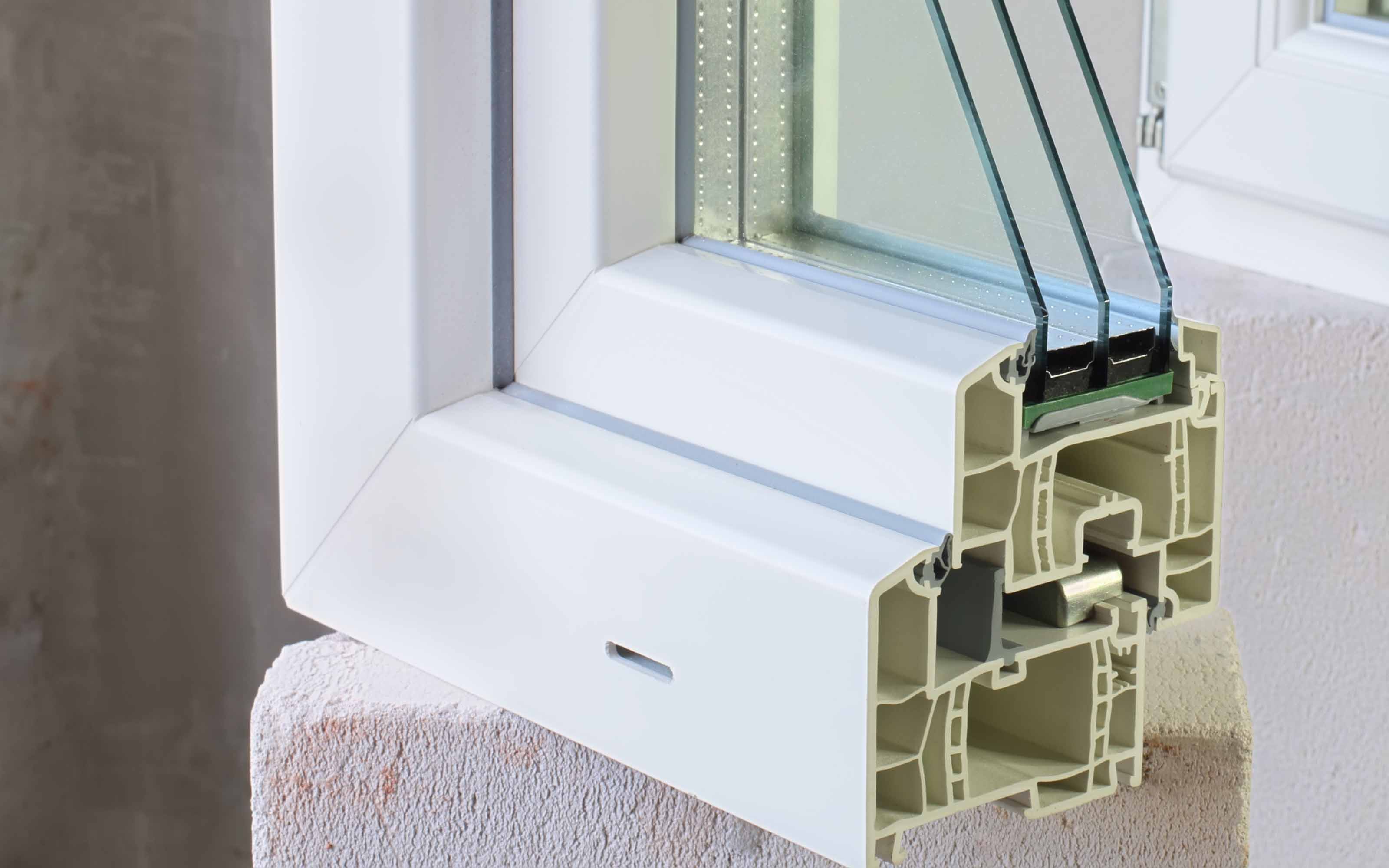
Window weep holes are small openings, usually along the bottom of the exterior frame, that let water drain out of a window's track and back outside. They're an intentional part of the window's drainage system, not a defect. If they get blocked, water can collect in the frame instead of draining away.
At The Window Depot, homeowners and contractors in Tucson, Phoenix, Chandler, Surprise, El Paso, Albuquerque and National City often ask whether those little slots on their windows should be sealed. The short answer is no, and the reasons matter every monsoon season.
Why Do Windows Have Weep Holes?
Even a well-built window can take in a little water during heavy or wind-driven rain. Weep holes give that water a controlled path back outside so it doesn't sit inside the frame.
That doesn't mean the window is designed to let water into your home. The drainage system manages water that reaches the lower track or frame and sends it back out before it can cause problems. The U.S. Department of Energy's Building America Solution Center describes weep holes as a path for water that reaches the frame or tracks to drain to the outside.
Where Are Window Weep Holes Located?
Most weep holes sit along the bottom of the exterior frame, often as small slots or openings. Some windows also have an interior weep opening in or beneath the lower track that connects to the exterior one.
The exact layout depends on the manufacturer and the window model. Not every small hole or seam in a frame is a weep hole, so check the manufacturer's information if you aren't sure what an opening is for.
Why Shouldn't You Block Window Weep Holes?
Blocking a weep hole cuts off the window's drainage path, so water that gets into the track has nowhere to go. The Building America Solution Center notes that clogged or accidentally caulked weep holes can let water build up in the frame and potentially damage surrounding building materials.
This is one of the most common well-meaning mistakes we hear about. Someone sees what looks like a gap at the bottom of the frame and seals it, not realizing it was there on purpose.
What Happens When Window Weep Holes Get Clogged?
When a weep hole clogs, water can sit in the lower track instead of draining outside. If it happens often or the water reaches interior surfaces, it can lead to staining and moisture damage around the window.
Common causes of blockage include:
- Dust and dirt, especially after monsoon dust storms in Arizona, Texas and New Mexico
- Leaves and outdoor debris
- Insects and spider webs
- Paint or caulk applied over the opening
- Leftover construction debris
A clogged weep hole doesn't mean the window has failed. Often it's just debris in the way.
How Can You Tell If a Weep Hole Is Clogged?
The clearest sign is water that stays in the lower track after rain instead of draining away. You might also see debris covering the exterior opening.
To test the drainage, the Building America Solution Center suggests gently adding water to the track or lightly misting the outside of the window, then watching to see whether it exits through the weep holes. If it doesn't drain as expected, the path likely needs cleaning.
How Do You Clean Window Weep Holes?
Start by vacuuming or wiping loose dirt out of the lower track. Then find the actual drainage opening and look for anything visibly blocking it.
For openings you can reach, a pipe cleaner or small drain brush works well. Gently loosen the debris without pushing it deeper into the channel, then run the water test again to confirm it drains.
Don't drill new holes or enlarge existing ones. The drainage system is designed as part of that specific frame, and changing it can interfere with how the window manages water.
Can You Caulk Around Window Weep Holes?
You should never caulk over a weep hole, but that doesn't mean all caulking around a window is wrong.
Weep holes are drainage openings in the window frame itself. The joints between the window and the wall are a separate area, and proper sealing and flashing there help keep water out of the wall. The key is knowing which is which before you reach for the caulk gun.
Do All Windows Have Weep Holes?
No. Drainage designs vary by window type, frame construction and manufacturer. Many vinyl windows use weep holes or slots, while some designs use concealed drainage paths that you can't see from the outside.
If you can't find a weep hole on your window, that isn't a reason to drill one. Check the product information to learn how that model drains.
What If Water Still Comes In After Cleaning the Weep Holes?
If the weep holes are clear and water is still getting inside, the problem is probably somewhere else. Watch for water stains or peeling paint around the window, damp or soft sills, and deteriorated sealant along the exterior.
Leaks like these can come from failed seals, damaged frames, flashing issues or the connection between the window and the wall. Rather than sealing random openings, have the window and surrounding wall looked at by a qualified window professional. If the window itself is the problem, new vinyl replacement windows may be the longer-term fix.
How Can You Keep Window Drainage Working?
Make weep holes part of your regular window cleaning. Clear dirt from the lower tracks and glance at the exterior openings to make sure nothing is covering them.
In the desert Southwest, it's worth checking after monsoon storms, when dust and heavy rain arrive together. Keep paint and sealant away from confirmed drainage openings, and let the window drain the way it was designed to. Our post on window sash balances covers another part of window maintenance that's easy to overlook.
Frequently Asked Questions
Why is there water in my window track after it rains?
Some water can enter the track during heavy or wind-driven rain, and the weep holes are meant to drain it back outside. If water stays in the track or reaches the inside of your home, the drainage path or another part of the window needs a closer look.
Can I use a wire to clean a window weep hole?
You can use a thin, flexible tool like a pipe cleaner, but work gently. Forcing something stiff deep into the frame can push debris farther in or damage the drainage channel.
What should I do if I accidentally caulked over a weep hole?
Once you've confirmed it's a weep hole, carefully remove the caulk so water can drain again. If you're not sure what the opening is, check the manufacturer's information before removing anything.
How often should I check my window weep holes?
There's no set schedule, but checking during routine window cleaning and after heavy storms catches most blockages early.
Should I drill new weep holes in my window?
No. A window's drainage is engineered as part of the frame, and a hole in the wrong spot can make water problems worse. Get manufacturer guidance before making any changes.
Find Replacement Windows at The Window Depot
Clear weep holes keep a window draining the way it should, but a window with recurring leaks or a damaged frame may be ready to replace. Visit The Window Depot in Tucson, Phoenix, Chandler, Surprise, El Paso, Albuquerque or National City to see our in-stock windows, or browse vinyl windows online first. Use our store locator to find the store nearest you.
What Are Window Weep Holes, and What Do They Do?