
What Is Low-E Glass and Is It Worth It?

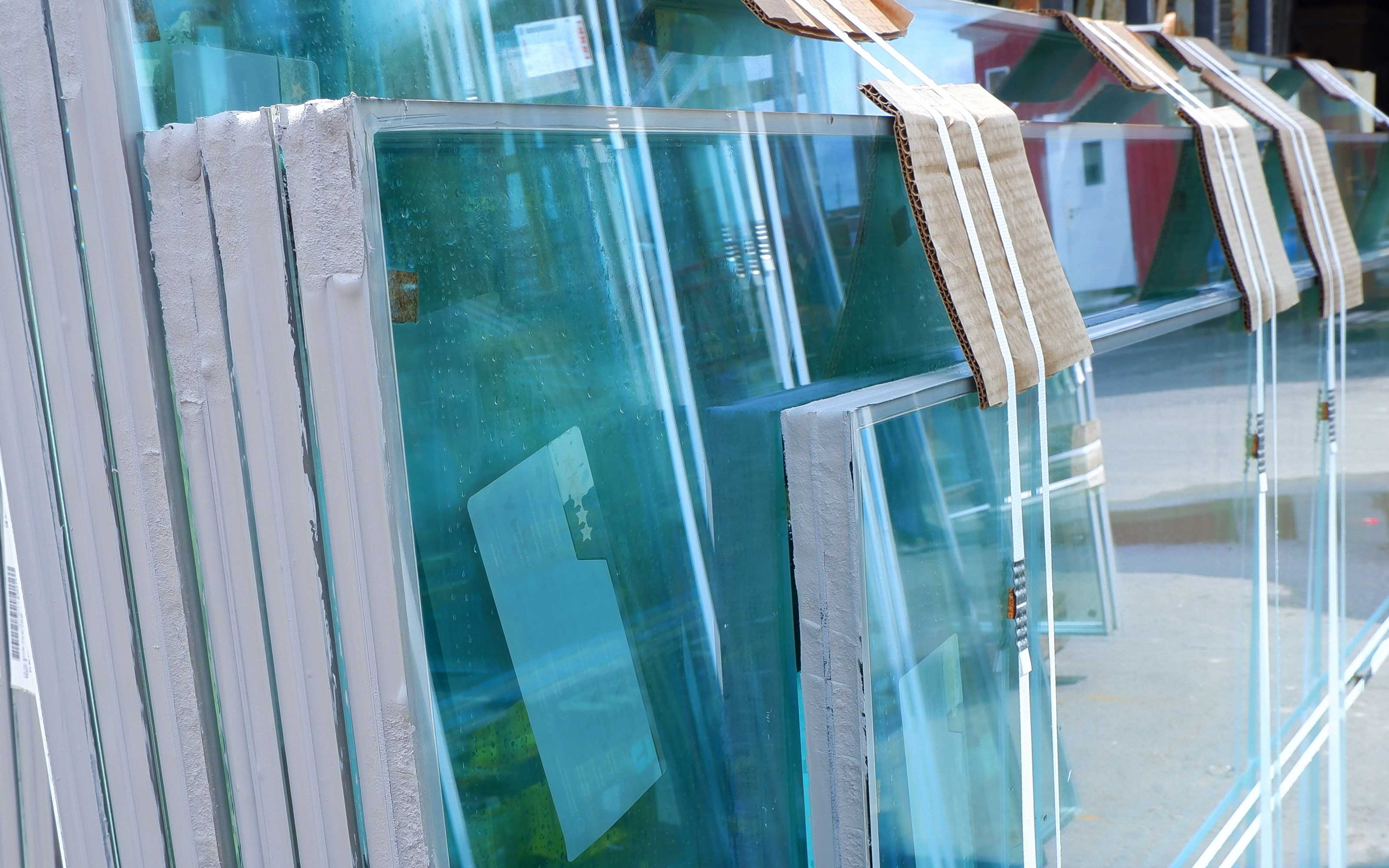
Low-E glass is window glass with a microscopically thin coating that helps control heat transfer while allowing natural light into your home. For many homeowners, Low-E glass is worth considering because it can improve indoor comfort and reduce heating and cooling demands, especially when the coating is matched to the local climate.
At The Window Depot, with stores in Tucson, Phoenix, Chandler, Surprise, El Paso, Albuquerque, and National City, we help homeowners and contractors compare replacement windows by their glass package and ratings, not just the label. Below, we cover how the coating works and which ratings tell you whether a window will actually perform.
What Is Low-E Glass?
Low-E stands for low emissivity, a property that describes how effectively a surface emits radiant heat. Low-E glass has a very thin, nearly invisible coating that changes how heat moves through the glass.
The coating helps reflect infrared radiation, which carries heat, while allowing much of the visible light to pass through. Depending on its design, it can help keep indoor heat from escaping during cooler weather or reduce the amount of outdoor solar heat entering the home during hot weather.
Low-E coatings are generally applied during manufacturing. They are commonly used in insulated glass units with two or more panes, where the coating can help control radiant heat transfer between the glass surfaces.
How Does Low-E Glass Work?
Low-E glass works by managing radiant heat rather than simply blocking all sunlight. The coating's performance depends on its properties, its position within the glass assembly, and the window's overall construction.
In a hot climate, a suitable Low-E coating can reduce unwanted solar heat gain, helping the home stay more comfortable during sunny afternoons. In a colder climate, another type of coating can help retain indoor heat.
The coating can also reduce the transmission of some ultraviolet radiation, which contributes to fading in flooring, furniture and fabrics. However, the amount of UV protection varies by glass package.
Low-E glass does not eliminate heat transfer entirely. Window frames, spacers, seals, installation quality and the number of glass panes all influence how the complete window performs.
What Are the Main Types of Low-E Glass?
Low-E coatings are designed for different heating and cooling needs. The most suitable option depends on the home's climate, window orientation and exposure to direct sunlight.
High-Solar-Gain Low-E Glass
This type allows more solar heat to enter while helping reduce heat transfer through the window. It may be useful in colder climates where passive solar heating is desirable.
Moderate-Solar-Gain Low-E Glass
This option balances daylight, solar heat gain and insulation. It may suit homes that need a mix of heating and cooling performance throughout the year.
Low-Solar-Gain Low-E Glass
This type is designed to limit solar heat entering the home while maintaining useful daylight. It can be especially helpful in hot, sunny areas such as Tucson, Phoenix and El Paso, where reducing unwanted afternoon heat is often a priority.
These categories describe general performance goals, not a universal ranking. The right coating is the one that suits the home's conditions.
Is Low-E Glass Worth the Cost?
For many homes, yes. Low-E glass can be a worthwhile investment when its performance addresses the home's actual heating, cooling and comfort needs. It may cost more initially than comparable glass without the coating, but the potential benefits extend beyond energy use.
The U.S. Department of Energy reports that Low-E windows typically cost about 10% to 15% more than regular windows and can reduce energy loss by as much as 30% to 50%. These are general estimates, not guaranteed savings for every home. Actual results depend on the existing windows, climate, glass package, energy prices and installation.
Low-E glass may be particularly worthwhile when existing windows allow excessive heat transfer, rooms become uncomfortably hot from direct sunlight, or heating and cooling systems run frequently to maintain indoor temperatures.
It is also worth considering when you are already planning to replace older windows and can compare the added cost of upgraded glass. For a closer look at how glass selection affects window performance in hot regions, read our guide to energy-efficient windows for hot climates.
The financial return varies from home to home. If the existing windows already perform well, the additional savings may be smaller. A useful comparison considers the upfront price difference alongside expected comfort improvements and energy use.
What Are the Benefits of Low-E Glass?
Better Indoor Comfort
By helping control heat transfer, Low-E glass can reduce temperature differences near windows. The improvement depends on the existing window and the replacement unit's overall performance.
Reduced Solar Heat Gain
The right coating can limit unwanted heat from sunlight, which is particularly relevant for sun-exposed rooms in hot climates.
More Controlled Daylight
Many Low-E glass options allow visible daylight through while controlling some of the sun's heat-producing radiation. The exact balance depends on the coating, so visible light transmission can differ between products.
Protection Against Some UV Exposure
Low-E coatings can reduce some ultraviolet transmission, helping limit one source of fading in interior furnishings. They do not prevent all fading, which can also result from visible light and other environmental factors.
Are There Any Disadvantages to Low-E Glass?
Low-E glass is not automatically the best choice for every home. There are a few factors to consider before choosing it.
Higher upfront cost: A Low-E glass package may cost more than a comparable option without the coating. Whether the difference is worthwhile depends on the expected performance benefits.
Different daylight levels: Some coatings reduce visible light more than others. Compare visible transmittance if maintaining a bright interior is important.
Not every coating suits every climate: A coating designed to block substantial solar heat may be less appropriate where winter sunlight is an important source of warmth.
It cannot fix every window problem: Low-E glass does not correct poor installation, air leaks around the frame or inadequate weatherstripping. Those issues need to be addressed separately.
How Do You Compare Low-E Glass Using NFRC Ratings?
The coating name alone does not tell you how well a complete window will perform. The National Fenestration Rating Council (NFRC) provides standardized ratings that help consumers compare the energy performance of complete window products.
When evaluating Low-E windows, pay particular attention to these measurements:
|
Rating |
What It Measures |
How to Interpret It |
|
U-factor |
Heat transfer through the complete window |
Lower values indicate better insulation |
|
Solar Heat Gain Coefficient (SHGC) |
The fraction of solar heat admitted through the window |
Lower values mean less solar heat enters |
|
Visible Transmittance (VT) |
How much visible light passes through |
Higher values mean more daylight |
|
Air Leakage (AL) |
Air passing through the window's joints and seals |
Lower values indicate less air leakage, when a rating is available |
For homes in hot, sunny areas, a lower SHGC may be a priority because it helps limit solar heat gain. U-factor still matters because it measures heat transfer through the window, while VT helps you assess how much daylight comes in. For a closer look at two of these ratings, see our guides to visible transmittance and window air leakage ratings.
There is no single set of ratings that works best for every location. Compare the complete product's certified ratings and consider the home's climate and window orientation. You can explore our window and door buying guides for more help understanding window options and planning a replacement project.
Is Low-E Glass a Good Choice for Arizona and Other Hot Climates?
Low-E glass can be a strong option for homes in hot climates, provided the coating is designed to limit unwanted solar heat gain. In places such as Phoenix and Tucson, windows exposed to intense afternoon sun can contribute to indoor heat buildup and increased cooling demand.
When comparing windows for these conditions, pay close attention to SHGC and U-factor. A lower SHGC can help reduce solar heat entering the home, while a lower U-factor indicates better resistance to heat transfer.
Window direction also matters. West-facing windows often receive strong afternoon sunlight, while shading, overhangs and nearby structures can affect how much direct sun reaches other windows.
Rather than choosing a coating based on the term Low-E alone, compare the ratings for the exact window configuration you plan to install.
How Can You Tell if a Window Has Low-E Glass?
The easiest starting point is the product label or specification sheet. Look for a description of the glazing package that identifies Low-E glass, then check the product's NFRC ratings to understand its overall performance.
You may not be able to identify a Low-E coating just by looking at the glass. Some coatings create a slight color shift or reflection, but appearance alone is not a dependable way to confirm the glass type or measure its performance.
If you are comparing replacement windows, ask for the specifications for the exact model and glass configuration. Different options within the same window line can have different U-factor, SHGC and VT values. You can review available vinyl windows to explore replacement window options for your project.
Frequently Asked Questions
Does Low-E Glass Make a Noticeable Difference?
It can. Low-E glass helps control radiant heat transfer and, depending on the coating, can reduce unwanted solar heat gain or help retain indoor heat. The difference you notice depends on the existing windows, climate and selected glass package.
Does Low-E Glass Make a Room Darker?
Not necessarily. Many Low-E coatings are designed to allow substantial visible light through while controlling heat. However, VT varies by product, so check the rating if natural daylight is important to you.
Can You Add Low-E Film to Existing Windows?
Yes. Some Low-E films are made for do-it-yourself application on existing glass. They cost far less than new windows, but they generally don't perform as well as a factory-applied coating sealed inside an insulated glass unit, so weigh that tradeoff against your windows' age and condition.
Is Low-E Glass Worth It in a Hot Climate?
Often, yes, especially when the coating is designed to reduce solar heat gain. Compare SHGC and U-factor to make sure the complete window suits the home's conditions.
Does Every Low-E Window Perform the Same Way?
No. Coatings differ in how they manage solar heat and visible light. The frame, glass layers, spacers and overall construction also affect performance, so compare certified ratings rather than relying on the coating description alone.
Compare Low-E Window Options at The Window Depot
Low-E glass can be a worthwhile upgrade when its heat-control properties match your home's needs. Before choosing a window, compare the complete product's NFRC ratings and consider how much solar heat and daylight each glass package allows through.
The Window Depot helps homeowners and contractors explore window options for projects in Tucson, Phoenix, Chandler, Surprise, El Paso, Albuquerque and National City. Use our store locator to find the nearest location and compare replacement window options that fit your home and climate.
What Is Low-E Glass and Is It Worth It?