
Select your store: 2300 S. 6th Ave, Tucson

Online orders are in store pickup only.

0 $0.00
items in your cartto quote To cart
Ooops no items were found.
Try something else.
Ok
Loading…

Preparing Your Home for Window Installation: What to Expect

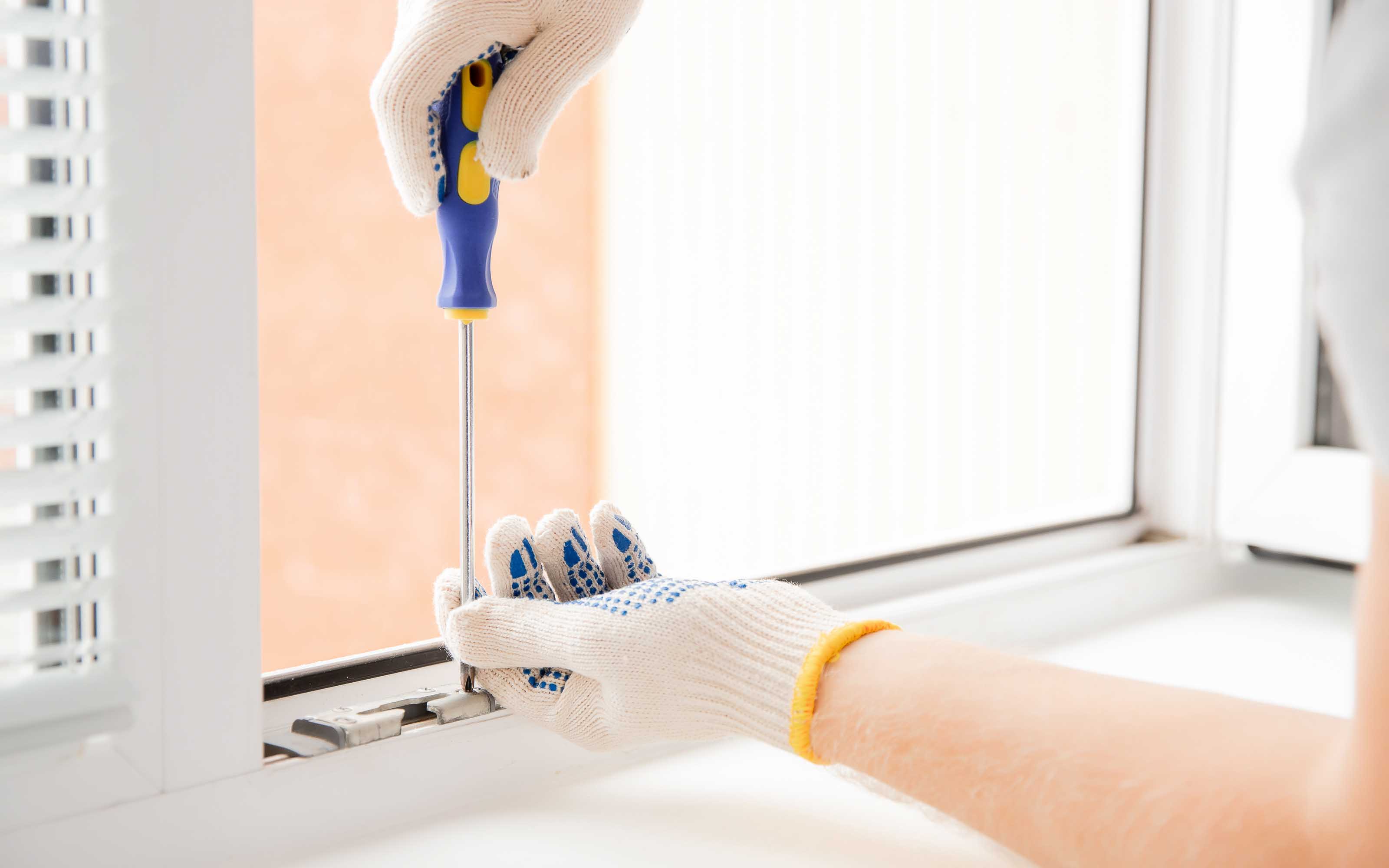
Window replacement is one of the most impactful upgrades a homeowner can make. New windows can improve indoor comfort, reduce outside noise, increase energy efficiency, and enhance curb appeal. Even so, many homeowners feel uncertain about what actually happens before installation day and how they should prepare their home.

Knowing what to expect ahead of time helps prevent delays, protects your belongings, and allows installers to work efficiently. This guide explains how to prepare your home for window installation, what to expect during the process, and what to expect once the installation is complete.

Why preparation matters before window installation

Preparing your home is not just about convenience. It directly affects installation quality, project timeline, and long-term results.

When work areas are clear and accessible, installers can focus on proper alignment, sealing, and insulation. Poor preparation can lead to delays, unnecessary dust exposure, or rushed finishing work.

Homeowners planning a window upgrade often find it helpful to review available window styles, materials, and installation options before installation day. The Window Depot offers helpful information about window solutions, materials, and home improvement options, enabling homeowners to better understand what to expect from the process and how different window choices can impact comfort, efficiency, and long-term performance.

What should you do before window installation day?

The most important step is clearing the area around each window.

Move furniture, lamps, plants, and décor at least three feet away from the window opening. This gives installers enough space to safely remove the old window and position the new one correctly.

You should also remove:

  • Curtains, blinds, shades, and rods
  • Window-mounted air conditioners
  • Decorative trim pieces or shelving near windows
  • Fragile items from nearby walls or surfaces

If your windows have security sensors, alarms, or smart-home devices attached to the frame, notify your installer in advance so they can plan for proper removal and reinstallation.

How should you prepare different rooms in your home?

Each room presents slightly different considerations.

Bedrooms and living areas

Clear walkways and remove valuables from nearby furniture. Secure wall décor and picture frames that could shift due to vibration.

Kitchens and bathrooms

Remove items from windowsills and countertops near windows. Cover nearby surfaces if they sit directly below the window opening.

Home offices

Unplug electronics near windows and back up important files in case power needs to be temporarily disconnected.

Homes built before 1978 may require extra precautions due to the possibility of lead-based paint. Professional installers follow safety protocols, but clearing the room and allowing ventilation helps reduce dust exposure.

How does window installation affect daily life inside your home?

Window installation is generally organized and controlled, but it does create temporary disruption.

Homeowners should expect:

  • Moderate noise from tools and equipment
  • Light dust or debris, especially in older homes
  • Temporary room restrictions during active work

Professional crews typically place drop cloths, cover flooring, and complete work one room at a time. This approach keeps the rest of the home usable throughout the project.

Pets should be secured in another room or taken off-site to avoid stress and safety concerns.

What happens during the window installation process?

Understanding the installation steps helps set realistic expectations.

A standard window installation usually includes:

  • Removal of the existing window and frame
  • Inspection of the rough opening for moisture damage or rot
  • Minor repairs or reinforcement if needed
  • Placement, leveling, and squaring of the new window
  • Securing the window according to specifications
  • Insulating and sealing around the frame
  • Reinstalling or repairing interior trim

Each window typically takes 30 to 90 minutes, depending on size, material, and the condition of the opening.

How long does window installation usually take?

Installation timelines vary based on the scope of work.

Most homeowners can expect:

  • A few hours for one or two windows
  • One full day for partial home replacements
  • One to three days for full home installations

Weather conditions, custom window sizes, or unexpected repairs can extend timelines slightly, but experienced crews plan projects to minimize delays.

Do you need to prepare the exterior of your home?

Exterior preparation plays a major role in installation safety and efficiency.

Before installation day:

  • Clear walkways and driveways
  • Move outdoor furniture and decorations
  • Trim shrubs or branches near windows
  • Provide space for ladders and equipment

If you live in a community with HOA rules, confirm any guidelines related to noise, parking, or exterior modifications before work begins.

Will your home remain secure during window installation?

Home security is a common concern, especially when multiple windows are being replaced.

Installers typically replace windows one at a time to avoid leaving openings exposed. For multi-day projects, temporary coverings are used to protect your home from weather and unauthorized access.

It is recommended that someone remain home during installation to answer questions and monitor progress.

What should you expect after installation is complete?

After installation, crews usually:

  • Remove old windows and debris
  • Clean interior and exterior work areas
  • Walk through the project with the homeowner

You should test each window to ensure it opens, closes, and locks properly. Installers will also explain basic care and maintenance recommendations.

Every home is different, and some questions are easier to answer with direct guidance. If you would like clarification on preparation steps or timing, you can contact us ahead of installation to review details, address concerns, and make sure everything is ready to go.

How soon will you notice the benefits of new windows?

Many benefits are noticeable right away.

Homeowners often experience reduced drafts, improved temperature control, and less outside noise. Over time, improved insulation and sealing can lead to better energy efficiency and more consistent indoor comfort throughout the year.

Why preparation supports long-term window performance

Clear access allows installers to properly seal and insulate each window, which helps prevent air leaks, moisture intrusion, and alignment issues. These details play a major role in how well windows perform over time.

Well-prepared homes often see better efficiency, fewer post-installation adjustments, and longer window lifespan.

Frequently Asked Questions

How early should I prepare my home?
Most preparation can be completed the day before, but clearing rooms earlier helps reduce stress.

Can I stay home during window installation?
Yes. Most homeowners remain home, but should expect noise and temporary room restrictions.

Will installers repair damaged window openings?
Minor damage is usually addressed during installation. Extensive repairs may require additional scheduling.

Will walls or trim need repainting?
In many cases, trim is reinstalled cleanly. Older homes may need light touch-up painting.

How do I maintain my new windows?
Regular cleaning, checking seals, and following care guidelines help extend window lifespan.

Preparing Your Home for Window Installation: What to Expect

Window replacement is one of the most impactful upgrades a homeowner can make. New windows can improve indoor comfort, reduce outside noise, increase energy efficiency, and enhance curb appeal. Even so, many homeowners feel uncertain about what actually happens before installation day and how they should prepare their home.

Knowing what to expect ahead of time helps prevent delays, protects your belongings, and allows installers to work efficiently. This guide explains how to prepare your home for window installation, what to expect during the process, and what to expect once the installation is complete.

Why preparation matters before window installation

Preparing your home is not just about convenience. It directly affects installation quality, project timeline, and long-term results.

When work areas are clear and accessible, installers can focus on proper alignment, sealing, and insulation. Poor preparation can lead to delays, unnecessary dust exposure, or rushed finishing work.

Homeowners planning a window upgrade often find it helpful to review available window styles, materials, and installation options before installation day. The Window Depot offers helpful information about window solutions, materials, and home improvement options, enabling homeowners to better understand what to expect from the process and how different window choices can impact comfort, efficiency, and long-term performance.

What should you do before window installation day?

The most important step is clearing the area around each window.

Move furniture, lamps, plants, and décor at least three feet away from the window opening. This gives installers enough space to safely remove the old window and position the new one correctly.

You should also remove:

  • Curtains, blinds, shades, and rods
  • Window-mounted air conditioners
  • Decorative trim pieces or shelving near windows
  • Fragile items from nearby walls or surfaces

If your windows have security sensors, alarms, or smart-home devices attached to the frame, notify your installer in advance so they can plan for proper removal and reinstallation.

How should you prepare different rooms in your home?

Each room presents slightly different considerations.

Bedrooms and living areas

Clear walkways and remove valuables from nearby furniture. Secure wall décor and picture frames that could shift due to vibration.

Kitchens and bathrooms

Remove items from windowsills and countertops near windows. Cover nearby surfaces if they sit directly below the window opening.

Home offices

Unplug electronics near windows and back up important files in case power needs to be temporarily disconnected.

Homes built before 1978 may require extra precautions due to the possibility of lead-based paint. Professional installers follow safety protocols, but clearing the room and allowing ventilation helps reduce dust exposure.

How does window installation affect daily life inside your home?

Window installation is generally organized and controlled, but it does create temporary disruption.

Homeowners should expect:

  • Moderate noise from tools and equipment
  • Light dust or debris, especially in older homes
  • Temporary room restrictions during active work

Professional crews typically place drop cloths, cover flooring, and complete work one room at a time. This approach keeps the rest of the home usable throughout the project.

Pets should be secured in another room or taken off-site to avoid stress and safety concerns.

What happens during the window installation process?

Understanding the installation steps helps set realistic expectations.

A standard window installation usually includes:

  • Removal of the existing window and frame
  • Inspection of the rough opening for moisture damage or rot
  • Minor repairs or reinforcement if needed
  • Placement, leveling, and squaring of the new window
  • Securing the window according to specifications
  • Insulating and sealing around the frame
  • Reinstalling or repairing interior trim

Each window typically takes 30 to 90 minutes, depending on size, material, and the condition of the opening.

How long does window installation usually take?

Installation timelines vary based on the scope of work.

Most homeowners can expect:

  • A few hours for one or two windows
  • One full day for partial home replacements
  • One to three days for full home installations

Weather conditions, custom window sizes, or unexpected repairs can extend timelines slightly, but experienced crews plan projects to minimize delays.

Do you need to prepare the exterior of your home?

Exterior preparation plays a major role in installation safety and efficiency.

Before installation day:

  • Clear walkways and driveways
  • Move outdoor furniture and decorations
  • Trim shrubs or branches near windows
  • Provide space for ladders and equipment

If you live in a community with HOA rules, confirm any guidelines related to noise, parking, or exterior modifications before work begins.

Will your home remain secure during window installation?

Home security is a common concern, especially when multiple windows are being replaced.

Installers typically replace windows one at a time to avoid leaving openings exposed. For multi-day projects, temporary coverings are used to protect your home from weather and unauthorized access.

It is recommended that someone remain home during installation to answer questions and monitor progress.

What should you expect after installation is complete?

After installation, crews usually:

  • Remove old windows and debris
  • Clean interior and exterior work areas
  • Walk through the project with the homeowner

You should test each window to ensure it opens, closes, and locks properly. Installers will also explain basic care and maintenance recommendations.

Every home is different, and some questions are easier to answer with direct guidance. If you would like clarification on preparation steps or timing, you can contact us ahead of installation to review details, address concerns, and make sure everything is ready to go.

How soon will you notice the benefits of new windows?

Many benefits are noticeable right away.

Homeowners often experience reduced drafts, improved temperature control, and less outside noise. Over time, improved insulation and sealing can lead to better energy efficiency and more consistent indoor comfort throughout the year.

Why preparation supports long-term window performance

Clear access allows installers to properly seal and insulate each window, which helps prevent air leaks, moisture intrusion, and alignment issues. These details play a major role in how well windows perform over time.

Well-prepared homes often see better efficiency, fewer post-installation adjustments, and longer window lifespan.

Frequently Asked Questions

How early should I prepare my home?
Most preparation can be completed the day before, but clearing rooms earlier helps reduce stress.

Can I stay home during window installation?
Yes. Most homeowners remain home, but should expect noise and temporary room restrictions.

Will installers repair damaged window openings?
Minor damage is usually addressed during installation. Extensive repairs may require additional scheduling.

Will walls or trim need repainting?
In many cases, trim is reinstalled cleanly. Older homes may need light touch-up painting.

How do I maintain my new windows?
Regular cleaning, checking seals, and following care guidelines help extend window lifespan.

SEARCH ×