
How to Choose Cabinet Layout for Small Kitchen Spaces That Maximize Storage and Workflow

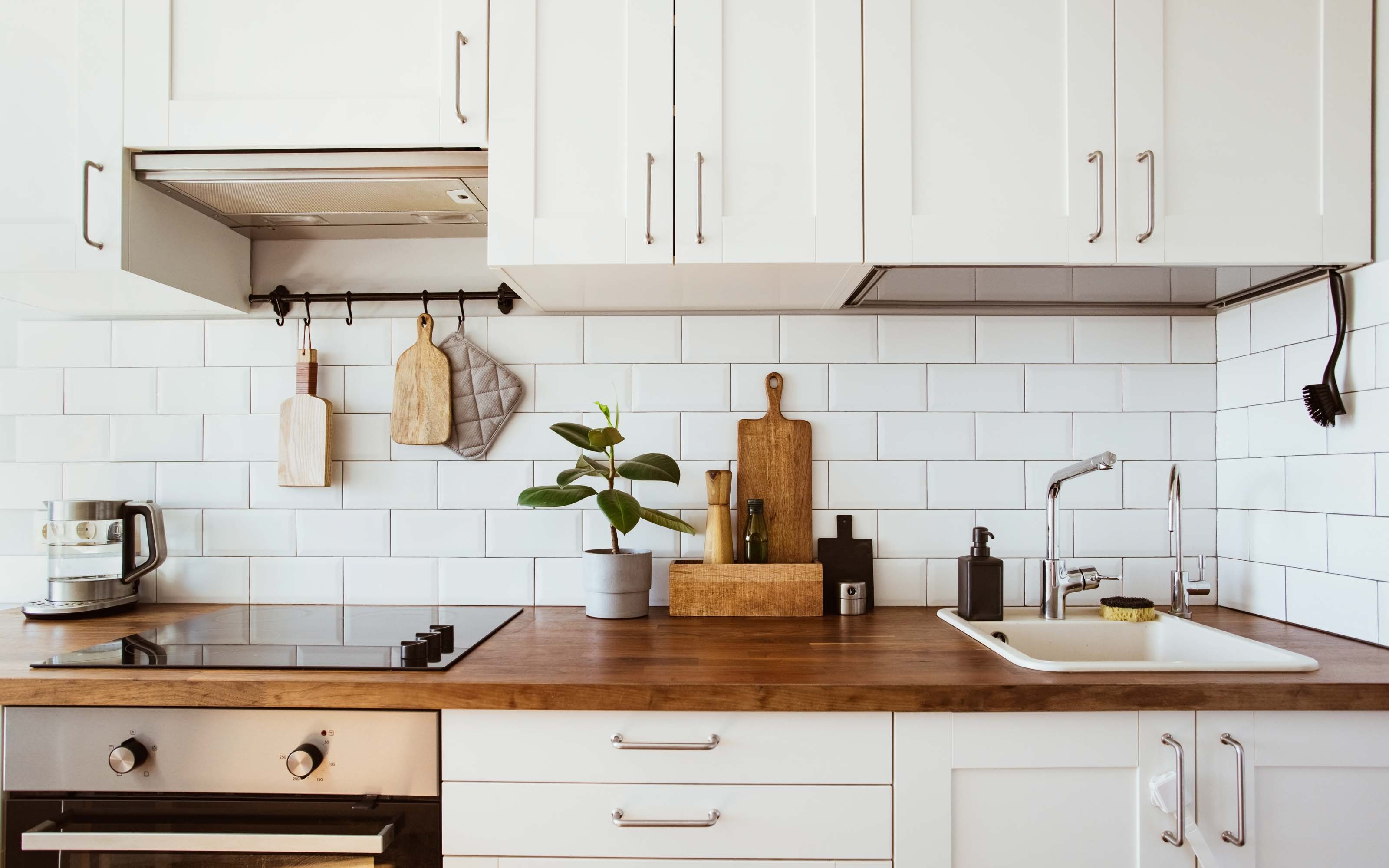
Designing a small kitchen is not just about placing cabinets into a limited room. It is about creating a layout that improves movement, increases storage space, and keeps the area comfortable for daily use.
If you are wondering how to choose a cabinet layout for a small kitchen, the key is to balance function, spacing, and design. The right layout can make your space feel larger, brighter, and easier to use.
Quick Answers for Small Kitchen Layout Planning
- How do you choose the best cabinet layout for a small kitchen?
Choose a layout based on your available space, movement, and storage needs. Focus on keeping key areas within reach while maintaining enough room to move comfortably. A simple layout often works best. - What cabinet layout saves the most space?
A single-wall layout saves the most space because it keeps everything aligned on one side. This allows more room for movement and helps the area feel more open. - What cabinet layout provides the most storage?
A U-shaped layout offers the most storage by using three sides efficiently. It is ideal if your space allows enough room to move freely. - What is the biggest mistake in layout design?
Adding too many cabinets can make the space feel tight and difficult to use. Keeping the layout simple helps maintain comfort and usability. - What layout makes a small kitchen look bigger?
L-shaped and single-wall layouts create a more open and airy feel. They reduce visual clutter and improve overall flow.
Why Layout Planning Is Important in Small Spaces
A well-planned layout directly affects how easy your kitchen is to use.
Improves Movement
Keeping key areas close together reduces unnecessary steps.
Maximizes Storage
Smart placement allows you to store more without clutter.
Enhances Openness
Using light colors and simple designs helps the room feel larger.
Best Cabinet Layout Ideas for Small Kitchens
Single-Wall Layout
This layout places everything along one side of the room.
Best for:
- Compact spaces
- Open-plan designs
Benefits:
- Saves space
- Simple and cost-effective
Galley Layout
This layout uses two parallel sides for storage and preparation.
Best for:
- Narrow spaces
Benefits:
- Efficient setup
- Easy access to essentials
L-Shaped Layout
This layout connects two sides to form an open corner.
Best for:
- Flexible layouts
Benefits:
- Opens up the center
- Improves flow
U-Shaped Layout
This layout surrounds you on three sides.
Best for:
- Spaces needing maximum storage
Benefits:
- High storage capacity
- Everything within reach
Quick Layout Comparison
Choosing the right layout depends on your space and storage needs.
|
Layout Type |
Space Efficiency |
Storage Level |
Best For |
|---|---|---|---|
|
Single-wall |
High |
Low |
Compact spaces |
|
Galley |
Medium |
Medium |
Narrow layouts |
|
L-shaped |
Medium |
Medium |
Open designs |
|
U-shaped |
Low |
High |
Maximum storage |
Tip: If you want more movement, choose an open layout. If you need more storage, choose a layout with more coverage.
When to Choose Each Layout
- Single-wall: Best for very limited space
- Galley: Ideal for efficiency in narrow areas
- L-shaped: Great for balancing space and flexibility
- U-shaped: Best when storage is the priority
This quick guide helps simplify your decision.
Standard Measurements to Follow
Using proper measurements helps improve comfort and usability:
- Base unit height: 34–36 inches
- Upper unit height: 12–42 inches
- Space between levels: about 18 inches
- Walking clearance: 36–48 inches
These guidelines help create a more functional layout.
How to Design Cabinets in a Small Kitchen Space
Designing cabinets in a small kitchen space requires careful planning.
Focus on:
- Using vertical storage
- Keeping layouts simple
- Making items easy to reach
These steps help maintain a clean and efficient space.
Step-by-Step Guide to Choosing the Right Layout
Step 1: Measure Your Space
Check the full area, including movement space.
Step 2: Plan Movement
Arrange key zones for easy access.
Step 3: Identify Storage Needs
Prioritize what you use most often.
Step 4: Keep It Simple
Avoid adding unnecessary elements.
Expert Tips for Better Layout Design
- Use vertical storage to maximize space
- Choose light color schemes
- Add open shelving for easy access
- Use sliding doors in tighter areas
- Keep pathways clear
Tip: A simple layout is often more effective than a complex one.
Common Mistakes to Avoid
Overloading the Space
Too many cabinets reduce movement and comfort.
Poor Spacing
Limited spacing makes the area harder to use.
Lack of Light
Dark spaces feel smaller and less inviting.
Simple Design Rule to Remember
A simple layout almost always works better in a small space. Focus on function first, then improve style with colors and finishes.
Why Choose The Window Depot for Cabinet Solutions
The Window Depot provides high-quality solutions designed for durability and modern style. Their team focuses on layouts that improve both function and visual appeal.
Instead of offering one-size-fits-all designs, they tailor each solution based on your space, storage needs, and overall layout goals.
What they help you achieve:
- Better layout planning → improves flow and usability
- Smarter storage solutions → keeps items organized without clutter
- Budget-friendly options → helps control renovation costs
- Clean and modern design → enhances overall appearance
Tip: Even a small adjustment in layout can significantly improve how your space feels and functions.
Whether you are planning a full upgrade or a simple improvement, their team provides guidance tailored to your needs.
Small Kitchen Cabinet Layout Checklist
Before finalizing your layout, review this quick checklist:
- Do you have enough space to move comfortably?
- Are essential items easy to reach?
- Is vertical space fully used?
- Does the layout feel open?
- Are tight areas optimized?
If most answers are yes, your layout is likely effective.
Do vs Don’t in Small Kitchen Cabinet Layout
|
Do This |
Avoid This |
|---|---|
|
Keep layout simple |
Overloading with too many cabinets |
|
Use vertical space |
Ignoring upper storage areas |
|
Maintain clear pathways |
Blocking movement zones |
|
Choose light colors |
Using heavy, dark finishes |
|
Plan for accessibility |
Hard-to-reach storage |
This quick comparison helps you avoid common mistakes while planning your layout.
One Simple Way to Improve Any Layout
Start by removing anything unnecessary.
A clean and simple layout often performs better than a crowded one. Focus on keeping only what you need and organizing it efficiently.
FAQs About Small Kitchen Cabinet Layouts
- How do you choose cabinet layout for small kitchen spaces?
Choose a layout based on space, movement, and storage needs. Focus on keeping the area functional and easy to use. A balanced layout improves both usability and overall design. - What is the best layout for a small kitchen remodel?
Single-wall, galley, and L-shaped layouts are effective for smaller spaces. They help maintain flow while maximizing available storage. - How do you maximize storage in a small kitchen?
Use vertical space, organize efficiently, and make use of corner areas. Simple storage solutions can significantly increase capacity. - What makes a small kitchen look bigger?
Light colors and minimal clutter can make a space feel larger. Open layouts also improve the visual flow of the room. - What should you avoid in small kitchen cabinet design?
Avoid overcrowding and blocking movement paths. Good spacing is essential for comfort and usability. - How do you design cabinets in a small kitchen space?
Focus on simplicity, accessibility, and efficient use of space. Well-planned layouts help maintain both function and style.
How to Choose Cabinet Layout for Small Kitchen Spaces That Maximize Storage and Workflow