
Select your store: 2300 S. 6th Ave, Tucson

Online orders are in store pickup only.

0 $0.00
items in your cartto quote To cart
Ooops no items were found.
Try something else.
Ok
Loading…

Vinyl Frames: Shield Against Humidity

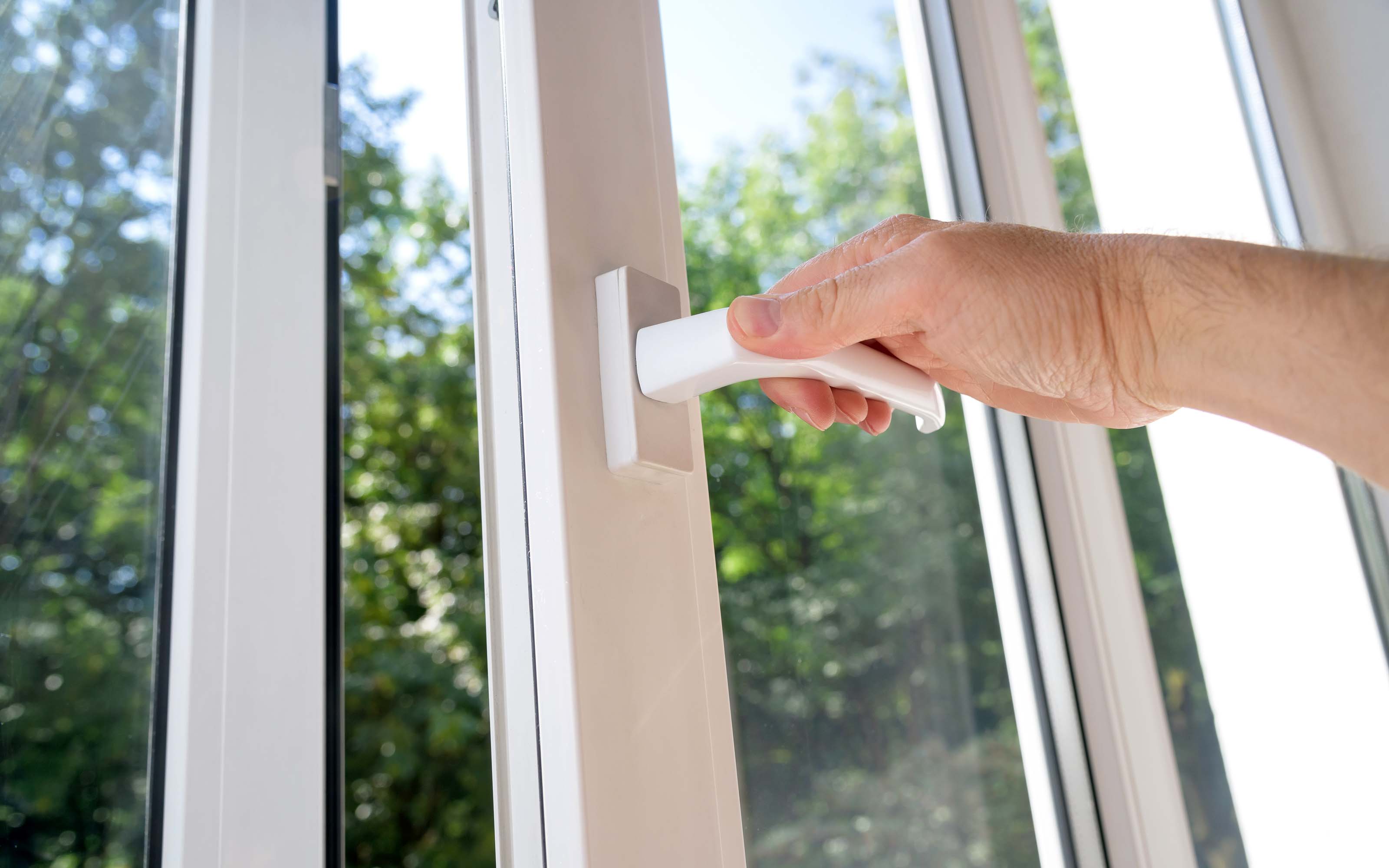
Vinyl window frame preventing condensation and moisture buildup in a humid home environment

Living in a humid climate means your home is constantly exposed to moisture, heat, and fluctuating temperatures. Over time, this combination can lead to serious problems such as mold growth, wood rot, and water damage to your building structure. One of the most common areas where moisture issues begin is around your windows, especially if they are not designed to handle high humidity levels.

Moisture does not only come from outside. Everyday activities inside your home, such as cooking, using the shower, and even breathing, release water vapor into the air. When this water vapor reaches cooler surfaces like windows, it can reach the dew point and form condensation. This process leads to water collection around window frames, which can eventually cause damage if not properly managed.

Vinyl window frames are one of the most effective solutions for preventing moisture damage in humid climates. They are designed to resist water, improve ventilation, and maintain airtight seals that protect your home. In this guide, you will learn how vinyl windows control moisture, improve indoor air quality, and help protect your entire building from long-term damage.

Quick Answers for Moisture Protection

  • How do vinyl window frames prevent moisture damage?
    Vinyl window frames prevent moisture damage by resisting water absorption, maintaining tight seals, and reducing condensation caused by water vapor reaching the dew point.
  • Why are vinyl windows ideal for humid climates?
    Vinyl windows do not absorb moisture, warp, or rot. They maintain their shape and performance even in high humidity and heat.
  • Can vinyl windows improve indoor air quality?
    Yes, by reducing moisture buildup and limiting mold growth, vinyl windows help maintain healthier indoor air quality.
  • Do vinyl windows reduce condensation inside the home?
    Yes, insulated glass and tight seals help control temperature differences, reducing condensation and water collection on surfaces.
  • How do vinyl windows work with ventilation systems?
    Vinyl windows support better airflow when paired with a ventilator or proper ventilation system, helping remove excess humidity.

What Causes Moisture Damage Around Windows in Humid Climates?

Moisture damage often develops slowly but can lead to serious structural problems if ignored. Windows and doors are among the most vulnerable areas in any building because they connect indoor and outdoor environments.

How does moisture enter your home?

Moisture can enter through:

  • Gaps in window and door frames
  • Poor sealing or installation
  • Rainwater infiltration from the roof or exterior walls
  • High indoor humidity from daily activities

Even well-built homes can experience moisture problems if ventilation and insulation are not properly managed.

How does water vapor cause condensation?

Water vapor is always present in the air, especially in humid climates. Activities like cooking and using the shower increase the amount of moisture inside your home. When warm, moist air touches a cooler surface like glass, it reaches the dew point and forms dew or condensation.

This condensation leads to water collection on window glass and frames, which can drip into surrounding materials.

Why is this a problem for your home?

Over time, repeated moisture exposure can cause:

  • Mold and mildew growth
  • Damage to drywall and paint
  • Wood rot around frames and structures
  • Reduced indoor air quality
  • Structural issues within the building

Managing moisture at the window level is essential for preventing these problems.

How Do Vinyl Window Frames Prevent Moisture Damage?

Vinyl window frames are specifically engineered to handle moisture and humidity more effectively than traditional materials.

Why is vinyl resistant to water and humidity?

Vinyl is a non-porous material, meaning it does not absorb water. Unlike wood, it will not swell, crack, or rot when exposed to moisture.

This makes vinyl windows ideal for humid climates where constant exposure to water vapor is unavoidable.

How do vinyl windows reduce condensation and dew formation?

Vinyl windows use insulated glass with multiple panes and gas-filled spaces. These features help regulate surface temperature, preventing it from dropping below the dew point.

When the glass stays closer to room temperature, condensation is less likely to form.

How do tight seals prevent moisture intrusion?

Vinyl windows are built with precision to create airtight seals. These seals prevent humid air from entering and reduce water infiltration during storms.

Strong seals also protect areas around doors and adjacent structures, helping maintain the integrity of the entire building.

How do vinyl frames handle long-term moisture exposure?

Vinyl frames maintain their shape and durability over time. They do not warp or shift, even with constant exposure to humidity, ensuring consistent protection.

Why Are Vinyl Windows Better Than Other Materials in Humid Environments?

When choosing windows for humid climates, material performance is critical.

Why are vinyl windows better than wood?

Wood absorbs moisture easily, which leads to swelling, warping, and eventual rot. This creates openings where more moisture can enter.

Vinyl eliminates this issue by resisting water entirely.

How do vinyl windows compare to aluminum?

Aluminum does not absorb water, but it can create condensation due to poor thermal insulation. This leads to moisture buildup and potential mold growth.

Vinyl provides better insulation, reducing condensation and improving indoor air quality.

Are vinyl windows more reliable long-term?

Yes, vinyl windows require less maintenance and provide consistent performance, making them a cost-effective choice for humid climates.

What Features Should You Look for in Moisture-Resistant Vinyl Windows?

Choosing the right features ensures maximum protection against moisture.

What type of glass reduces condensation?

Double-pane and triple-pane glass with insulating gas help regulate temperature and reduce condensation caused by water vapor.

Why are drainage systems important?

Built-in drainage systems allow water to escape instead of collecting inside the frame. This prevents long-term moisture damage.

How does weatherstripping improve moisture control?

Weatherstripping seals gaps and prevents humid air and water from entering your home.

Does installation affect performance?

Yes, proper installation ensures tight seals and prevents leaks. Poor installation can allow moisture to enter even the best windows.

How Do Vinyl Windows Help Improve Indoor Air Quality?

Vinyl windows play an important role in maintaining healthy indoor air quality.

How do they reduce mold and mildew?

By limiting moisture buildup and condensation, vinyl windows reduce the conditions that allow mold to grow.

How do they support ventilation?

When used with a ventilator or proper airflow design, vinyl windows help remove excess humidity from inside your home.

Why is indoor air quality important?

Good indoor air quality reduces health risks, improves comfort, and protects your home from long-term damage.

How Do Vinyl Windows Work with Roof and Ventilation Systems?

Moisture control is not limited to windows alone. It involves the entire building system.

How does the roof affect moisture levels?

A properly designed roof directs water away from your home and prevents leaks that could increase indoor humidity.

What role does a ventilator play?

A ventilator helps remove humid air from inside your home, especially in areas like bathrooms after a shower or kitchens during cooking.

How do windows, doors, and ventilation work together?

Windows, doors, and ventilation systems must work together to control airflow and moisture. Vinyl windows enhance this system by maintaining strong seals while still allowing controlled ventilation.

How Much Moisture Protection Can You Expect?

Vinyl windows provide significant protection against moisture damage. While no system can eliminate all moisture, they greatly reduce the risk.

Homeowners often experience:

  • Less condensation and dew formation
  • Reduced water collection on surfaces
  • Improved indoor air quality
  • Lower maintenance needs
  • Better overall comfort

Are Vinyl Windows Worth It in Humid Climates?

Vinyl windows are one of the best investments for moisture-prone environments.

How do they improve daily living?

They create a more comfortable indoor space by reducing humidity and stabilizing temperatures.

Do they help save on energy costs?

Yes, improved insulation reduces cooling needs, lowering energy bills.

Can they increase home value?

Yes, moisture-resistant and energy-efficient windows are highly desirable features.

Why Choose The Window Depot for Vinyl Windows?

The Window Depot offers high-quality vinyl windows designed for durability, moisture resistance, and energy efficiency.

Whether you are upgrading your windows, improving ventilation, or protecting your building from moisture damage, their team provides expert guidance to help you choose the right products.

How Can You Further Prevent Moisture Damage in Your Home?

How does ventilation help?

Proper ventilation removes excess water vapor and prevents condensation buildup.

Should you use a dehumidifier?

Yes, dehumidifiers help control indoor humidity levels, especially in high-moisture areas.

Why is regular inspection important?

Checking windows, doors, and seals helps prevent small moisture issues from becoming major problems.

Building Science Standards, Testing, and Professional Validation

Vinyl window performance in humid climates is defined by building science principles and verified through third-party testing standards used in residential and commercial construction. High-quality systems are evaluated under ASTM test methods such as E283 for air infiltration, E331 for water penetration, and E330 for structural performance. In addition, NFRC ratings are used to measure thermal performance, while AAMA certification programs validate product durability and compliance with industry requirements.

These standards are not theoretical. They are used by architects, building envelope consultants, and licensed contractors when specifying window systems for moisture control, condensation resistance, and long-term structural reliability. In humid environments, window performance is a critical part of the building envelope, and products are selected based on verified test data, code compliance, and real-world performance under environmental stress.

Vinyl windows are consistently specified in these applications due to their non-porous composition, resistance to water absorption, and ability to maintain airtight seals under temperature and humidity fluctuations. Their performance is further supported by multi-chamber frame design and insulated glazing systems that align with modern energy and moisture management standards.

FAQs

  1. How do vinyl window frames prevent moisture damage?
    Vinyl window frames prevent moisture damage by resisting water absorption and maintaining airtight seals that block humid air and water intrusion. They also reduce condensation by keeping glass temperatures more stable, which prevents water vapor from reaching the dew point. Over time, this helps protect surrounding materials like walls and frames from mold, rot, and structural damage.
  2. Are vinyl windows suitable for tropical and coastal climates?
    Yes, vinyl windows are highly suitable for tropical and coastal climates because they are designed to handle high humidity, salt exposure, and frequent rain. Unlike wood, they do not absorb moisture or deteriorate, and they maintain their performance even in extreme environmental conditions. This makes them a reliable long-term solution for homes in these regions.
  3. Can vinyl windows completely prevent mold and mildew?
    Vinyl windows significantly reduce the risk of mold and mildew by limiting moisture buildup and improving insulation. However, they work best when combined with proper ventilation and humidity control. Using exhaust fans, ventilators, and maintaining airflow throughout your home will further reduce the chances of mold growth.
  4. Do vinyl windows require maintenance in humid climates?
    Vinyl windows require very little maintenance compared to other materials. They do not need painting or sealing, and they are resistant to moisture-related damage. Regular cleaning and occasional inspection of seals and drainage systems are usually enough to keep them performing well for many years.
  5. How long do vinyl windows last in humid environments?
    Vinyl windows are designed for durability and can last for decades, even in humid climates. Their resistance to water, heat, and environmental stress allows them to maintain their structure and performance over time. This makes them a cost-effective investment for homeowners looking for long-term protection.

Vinyl Frames: Shield Against Humidity

Vinyl window frame preventing condensation and moisture buildup in a humid home environment

Living in a humid climate means your home is constantly exposed to moisture, heat, and fluctuating temperatures. Over time, this combination can lead to serious problems such as mold growth, wood rot, and water damage to your building structure. One of the most common areas where moisture issues begin is around your windows, especially if they are not designed to handle high humidity levels.

Moisture does not only come from outside. Everyday activities inside your home, such as cooking, using the shower, and even breathing, release water vapor into the air. When this water vapor reaches cooler surfaces like windows, it can reach the dew point and form condensation. This process leads to water collection around window frames, which can eventually cause damage if not properly managed.

Vinyl window frames are one of the most effective solutions for preventing moisture damage in humid climates. They are designed to resist water, improve ventilation, and maintain airtight seals that protect your home. In this guide, you will learn how vinyl windows control moisture, improve indoor air quality, and help protect your entire building from long-term damage.

Quick Answers for Moisture Protection

  • How do vinyl window frames prevent moisture damage?
    Vinyl window frames prevent moisture damage by resisting water absorption, maintaining tight seals, and reducing condensation caused by water vapor reaching the dew point.
  • Why are vinyl windows ideal for humid climates?
    Vinyl windows do not absorb moisture, warp, or rot. They maintain their shape and performance even in high humidity and heat.
  • Can vinyl windows improve indoor air quality?
    Yes, by reducing moisture buildup and limiting mold growth, vinyl windows help maintain healthier indoor air quality.
  • Do vinyl windows reduce condensation inside the home?
    Yes, insulated glass and tight seals help control temperature differences, reducing condensation and water collection on surfaces.
  • How do vinyl windows work with ventilation systems?
    Vinyl windows support better airflow when paired with a ventilator or proper ventilation system, helping remove excess humidity.

What Causes Moisture Damage Around Windows in Humid Climates?

Moisture damage often develops slowly but can lead to serious structural problems if ignored. Windows and doors are among the most vulnerable areas in any building because they connect indoor and outdoor environments.

How does moisture enter your home?

Moisture can enter through:

  • Gaps in window and door frames
  • Poor sealing or installation
  • Rainwater infiltration from the roof or exterior walls
  • High indoor humidity from daily activities

Even well-built homes can experience moisture problems if ventilation and insulation are not properly managed.

How does water vapor cause condensation?

Water vapor is always present in the air, especially in humid climates. Activities like cooking and using the shower increase the amount of moisture inside your home. When warm, moist air touches a cooler surface like glass, it reaches the dew point and forms dew or condensation.

This condensation leads to water collection on window glass and frames, which can drip into surrounding materials.

Why is this a problem for your home?

Over time, repeated moisture exposure can cause:

  • Mold and mildew growth
  • Damage to drywall and paint
  • Wood rot around frames and structures
  • Reduced indoor air quality
  • Structural issues within the building

Managing moisture at the window level is essential for preventing these problems.

How Do Vinyl Window Frames Prevent Moisture Damage?

Vinyl window frames are specifically engineered to handle moisture and humidity more effectively than traditional materials.

Why is vinyl resistant to water and humidity?

Vinyl is a non-porous material, meaning it does not absorb water. Unlike wood, it will not swell, crack, or rot when exposed to moisture.

This makes vinyl windows ideal for humid climates where constant exposure to water vapor is unavoidable.

How do vinyl windows reduce condensation and dew formation?

Vinyl windows use insulated glass with multiple panes and gas-filled spaces. These features help regulate surface temperature, preventing it from dropping below the dew point.

When the glass stays closer to room temperature, condensation is less likely to form.

How do tight seals prevent moisture intrusion?

Vinyl windows are built with precision to create airtight seals. These seals prevent humid air from entering and reduce water infiltration during storms.

Strong seals also protect areas around doors and adjacent structures, helping maintain the integrity of the entire building.

How do vinyl frames handle long-term moisture exposure?

Vinyl frames maintain their shape and durability over time. They do not warp or shift, even with constant exposure to humidity, ensuring consistent protection.

Why Are Vinyl Windows Better Than Other Materials in Humid Environments?

When choosing windows for humid climates, material performance is critical.

Why are vinyl windows better than wood?

Wood absorbs moisture easily, which leads to swelling, warping, and eventual rot. This creates openings where more moisture can enter.

Vinyl eliminates this issue by resisting water entirely.

How do vinyl windows compare to aluminum?

Aluminum does not absorb water, but it can create condensation due to poor thermal insulation. This leads to moisture buildup and potential mold growth.

Vinyl provides better insulation, reducing condensation and improving indoor air quality.

Are vinyl windows more reliable long-term?

Yes, vinyl windows require less maintenance and provide consistent performance, making them a cost-effective choice for humid climates.

What Features Should You Look for in Moisture-Resistant Vinyl Windows?

Choosing the right features ensures maximum protection against moisture.

What type of glass reduces condensation?

Double-pane and triple-pane glass with insulating gas help regulate temperature and reduce condensation caused by water vapor.

Why are drainage systems important?

Built-in drainage systems allow water to escape instead of collecting inside the frame. This prevents long-term moisture damage.

How does weatherstripping improve moisture control?

Weatherstripping seals gaps and prevents humid air and water from entering your home.

Does installation affect performance?

Yes, proper installation ensures tight seals and prevents leaks. Poor installation can allow moisture to enter even the best windows.

How Do Vinyl Windows Help Improve Indoor Air Quality?

Vinyl windows play an important role in maintaining healthy indoor air quality.

How do they reduce mold and mildew?

By limiting moisture buildup and condensation, vinyl windows reduce the conditions that allow mold to grow.

How do they support ventilation?

When used with a ventilator or proper airflow design, vinyl windows help remove excess humidity from inside your home.

Why is indoor air quality important?

Good indoor air quality reduces health risks, improves comfort, and protects your home from long-term damage.

How Do Vinyl Windows Work with Roof and Ventilation Systems?

Moisture control is not limited to windows alone. It involves the entire building system.

How does the roof affect moisture levels?

A properly designed roof directs water away from your home and prevents leaks that could increase indoor humidity.

What role does a ventilator play?

A ventilator helps remove humid air from inside your home, especially in areas like bathrooms after a shower or kitchens during cooking.

How do windows, doors, and ventilation work together?

Windows, doors, and ventilation systems must work together to control airflow and moisture. Vinyl windows enhance this system by maintaining strong seals while still allowing controlled ventilation.

How Much Moisture Protection Can You Expect?

Vinyl windows provide significant protection against moisture damage. While no system can eliminate all moisture, they greatly reduce the risk.

Homeowners often experience:

  • Less condensation and dew formation
  • Reduced water collection on surfaces
  • Improved indoor air quality
  • Lower maintenance needs
  • Better overall comfort

Are Vinyl Windows Worth It in Humid Climates?

Vinyl windows are one of the best investments for moisture-prone environments.

How do they improve daily living?

They create a more comfortable indoor space by reducing humidity and stabilizing temperatures.

Do they help save on energy costs?

Yes, improved insulation reduces cooling needs, lowering energy bills.

Can they increase home value?

Yes, moisture-resistant and energy-efficient windows are highly desirable features.

Why Choose The Window Depot for Vinyl Windows?

The Window Depot offers high-quality vinyl windows designed for durability, moisture resistance, and energy efficiency.

Whether you are upgrading your windows, improving ventilation, or protecting your building from moisture damage, their team provides expert guidance to help you choose the right products.

How Can You Further Prevent Moisture Damage in Your Home?

How does ventilation help?

Proper ventilation removes excess water vapor and prevents condensation buildup.

Should you use a dehumidifier?

Yes, dehumidifiers help control indoor humidity levels, especially in high-moisture areas.

Why is regular inspection important?

Checking windows, doors, and seals helps prevent small moisture issues from becoming major problems.

Building Science Standards, Testing, and Professional Validation

Vinyl window performance in humid climates is defined by building science principles and verified through third-party testing standards used in residential and commercial construction. High-quality systems are evaluated under ASTM test methods such as E283 for air infiltration, E331 for water penetration, and E330 for structural performance. In addition, NFRC ratings are used to measure thermal performance, while AAMA certification programs validate product durability and compliance with industry requirements.

These standards are not theoretical. They are used by architects, building envelope consultants, and licensed contractors when specifying window systems for moisture control, condensation resistance, and long-term structural reliability. In humid environments, window performance is a critical part of the building envelope, and products are selected based on verified test data, code compliance, and real-world performance under environmental stress.

Vinyl windows are consistently specified in these applications due to their non-porous composition, resistance to water absorption, and ability to maintain airtight seals under temperature and humidity fluctuations. Their performance is further supported by multi-chamber frame design and insulated glazing systems that align with modern energy and moisture management standards.

FAQs

  1. How do vinyl window frames prevent moisture damage?
    Vinyl window frames prevent moisture damage by resisting water absorption and maintaining airtight seals that block humid air and water intrusion. They also reduce condensation by keeping glass temperatures more stable, which prevents water vapor from reaching the dew point. Over time, this helps protect surrounding materials like walls and frames from mold, rot, and structural damage.
  2. Are vinyl windows suitable for tropical and coastal climates?
    Yes, vinyl windows are highly suitable for tropical and coastal climates because they are designed to handle high humidity, salt exposure, and frequent rain. Unlike wood, they do not absorb moisture or deteriorate, and they maintain their performance even in extreme environmental conditions. This makes them a reliable long-term solution for homes in these regions.
  3. Can vinyl windows completely prevent mold and mildew?
    Vinyl windows significantly reduce the risk of mold and mildew by limiting moisture buildup and improving insulation. However, they work best when combined with proper ventilation and humidity control. Using exhaust fans, ventilators, and maintaining airflow throughout your home will further reduce the chances of mold growth.
  4. Do vinyl windows require maintenance in humid climates?
    Vinyl windows require very little maintenance compared to other materials. They do not need painting or sealing, and they are resistant to moisture-related damage. Regular cleaning and occasional inspection of seals and drainage systems are usually enough to keep them performing well for many years.
  5. How long do vinyl windows last in humid environments?
    Vinyl windows are designed for durability and can last for decades, even in humid climates. Their resistance to water, heat, and environmental stress allows them to maintain their structure and performance over time. This makes them a cost-effective investment for homeowners looking for long-term protection.
SEARCH ×