
Select your store: 2300 S. 6th Ave, Tucson

Online orders are in store pickup only.

0 $0.00
items in your cartto quote To cart
Ooops no items were found.
Try something else.
Ok
Loading…

How Vinyl Windows Help Reduce Outside Noise in Busy Neighborhoods

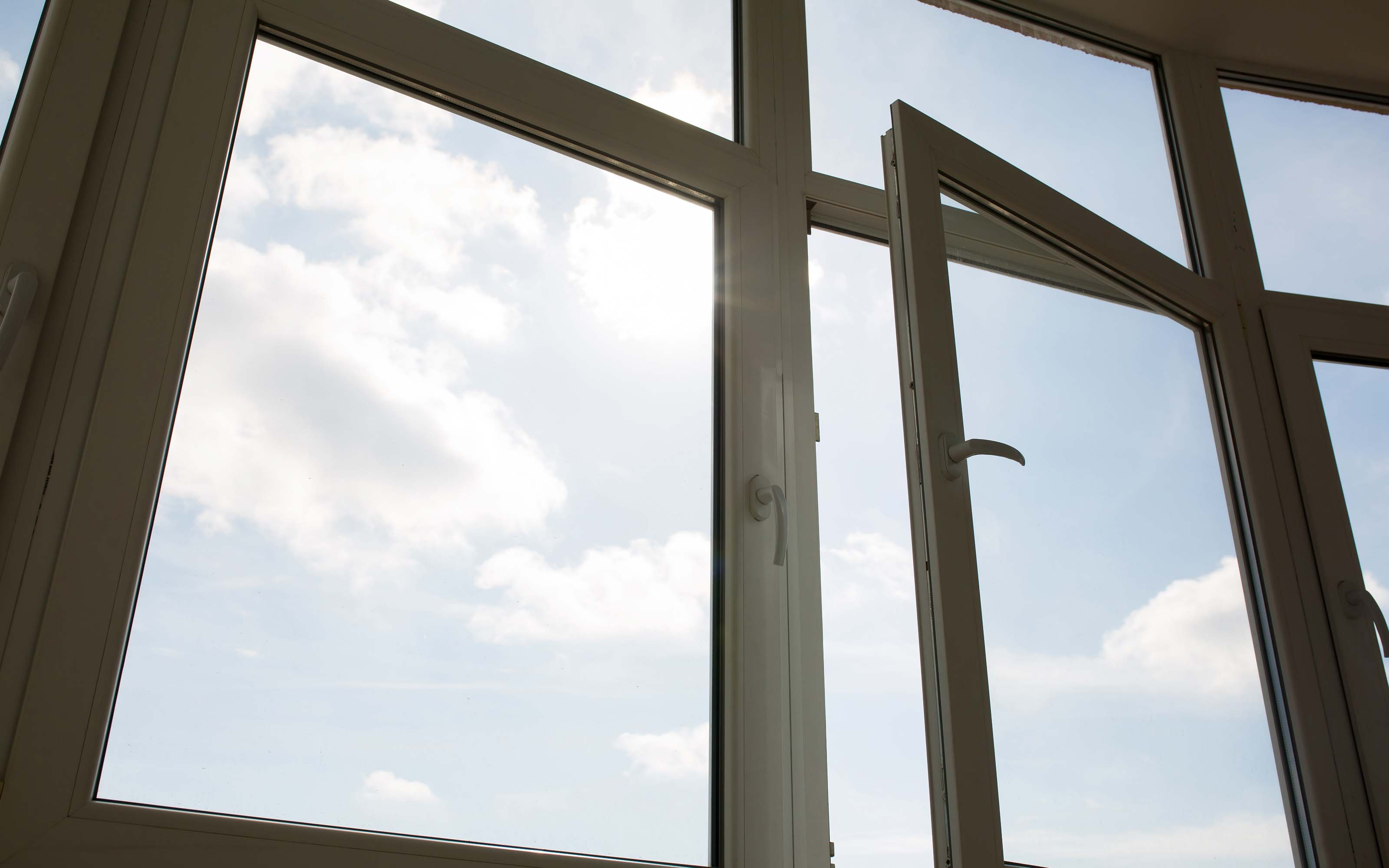
Modern home interior with vinyl windows designed to reduce outside noise and improve indoor comfort

Living in a busy neighborhood offers convenience, but constant noise from traffic, construction, and daily activity can reduce comfort inside your home. Over time, excessive noise can affect sleep, focus, and overall well-being. One of the most effective long-term solutions is upgrading your windows.

Vinyl windows are widely recognized for energy efficiency, but they also play a major role in sound reduction. Through advanced glass systems, insulated frames, and airtight sealing, they help create a quieter indoor environment. This guide explains how vinyl windows reduce noise, what features matter most, and how to choose the right system for your home.

Quick Answers for Noise Reduction

  • How do vinyl windows reduce outside noise
    Vinyl windows reduce outside noise by combining multi-pane glass, insulating gas layers such as argon, and airtight sealing systems. These elements work together to block, absorb, and weaken sound vibrations before they enter your home, creating a quieter indoor environment.
  • Are vinyl windows better than single-pane windows
    Yes. Double or triple-pane vinyl windows provide significantly better sound insulation than single-pane windows. The additional layers of glass and insulation create barriers that reduce how much noise can pass through.
  • What type of vinyl window is best for noisy areas
    Triple-pane windows or those with laminated glass are best for high-noise environments. These options provide stronger sound insulation, especially when combined with high-quality sealing and proper installation.
  • How much noise reduction can you expect
    High-quality vinyl windows can reduce outside noise by up to 50 percent or more. The exact level depends on factors such as glass type, number of panes, frame construction, and installation quality.

What Causes Outside Noise to Enter Your Home

Noise travels in sound waves that pass through air and solid materials. Windows are one of the most common entry points, especially when they are outdated or poorly sealed.

Thin glass, gaps around frames, and worn materials allow sound waves to pass through easily. Older windows often include single-pane glass, loose seals, or damaged frames, all of which increase noise intrusion.

Common sources of noise include traffic, construction activity, conversations from nearby homes, and environmental sounds such as wind and rain. Without proper insulation, these sounds can become constant disturbances.

How Vinyl Windows Reduce Outside Noise

Vinyl windows are designed with multiple layers of protection that work together to limit sound transmission.

Multi-pane glass creates barriers that weaken sound waves as they pass through each layer. Double-pane windows provide noticeable improvement, while triple-pane systems offer higher performance in louder environments.

Insulating gases such as argon are placed between panes to disrupt sound movement and improve insulation. These gases reduce the ability of sound waves to travel through the window system.

Airtight sealing is another key factor. Precision manufacturing and high-quality weatherstripping prevent sound from entering through small gaps around the frame.

Vinyl material itself also contributes to sound reduction. It absorbs vibrations more effectively than rigid materials, helping reduce the intensity of outside noise.

Why Vinyl Windows Perform Better Than Traditional Options

Vinyl windows provide consistent sound insulation compared to other materials. Aluminum frames tend to transfer sound more easily due to their rigid structure, while vinyl reduces vibration and sound transmission.

Wood windows can offer insulation but require maintenance. Over time, they may warp or shrink, creating gaps that allow noise to enter. Vinyl maintains its shape and sealing performance, ensuring long-term consistency.

Vinyl windows also offer strong performance at a more affordable cost compared to specialized soundproofing systems, making them a practical solution for most homeowners.

Key Features to Look for in Noise-Reducing Vinyl Windows

Choosing the right features is essential for effective noise reduction.

Triple-pane glass provides stronger insulation than double-pane systems. Laminated glass adds an additional layer that absorbs sound vibrations.

High-quality weatherstripping ensures tight sealing around the frame, preventing sound leaks.

Thicker glass and wider spacing between panes further reduce sound transmission by disrupting sound waves.

Professional installation is critical. Even high-quality windows will not perform properly without correct fitting and sealing.

How to Measure Noise Reduction Performance

Understanding performance ratings can help you choose better windows.

One important metric is the Sound Transmission Class or STC rating. This measures how well a window blocks sound. Higher STC ratings indicate better noise reduction performance.

Outdoor Indoor Transmission Class ratings are also used to evaluate how windows reduce external noise such as traffic. These ratings provide a more accurate reflection of real-world conditions.

Windows with higher ratings are recommended for homes in busy or high-noise environments.

Additional Ways to Improve Noise Reduction

While vinyl windows provide significant improvement, combining them with other solutions can enhance results.

Sealing gaps around walls and doors prevents sound from entering through small openings.

Heavy curtains and acoustic blinds absorb sound and add another layer of insulation.

Upgrading wall insulation can further reduce noise transmission throughout the home.

Using multiple strategies together creates a more effective sound barrier.

Industry Standards and Professional Validation

Vinyl window systems used in modern homes are evaluated under recognized industry standards to ensure consistent performance and reliability. Organizations such as the National Fenestration Rating Council and the American Architectural Manufacturers Association provide testing and certification for air leakage, structural strength, and thermal efficiency.

In professional construction and renovation projects, these standards guide product selection. Builders and installers rely on certified performance data to ensure windows meet building code requirements and perform under real-world conditions.

Choosing vinyl windows that meet these standards ensures verified quality, improved durability, and long-term value.

Expert Insight on Installation and Performance

Building professionals emphasize that window performance depends not only on materials but also on proper installation. Even high-quality vinyl windows can lose effectiveness if gaps, misalignment, or poor sealing are present.

Professional installation ensures the frame is properly aligned, sealed, and secured to prevent both air and sound leakage. This allows the window system to perform as designed and deliver maximum noise reduction.

Why Choose The Window Depot

Choosing the right provider is essential for achieving the best results. The Window Depot offers high-quality vinyl windows designed for durability, performance, and modern design.

Their team provides expert guidance to help homeowners select the right products based on noise reduction, energy efficiency, and overall home improvement goals. With reliable service and a wide range of options, they offer practical solutions for both renovation and new construction projects.

Advanced Sound Performance in Vinyl Windows

Modern vinyl windows are engineered and independently tested using acoustic and structural performance standards referenced in both residential and commercial construction. Sound control is evaluated using Sound Transmission Class (STC) and Outdoor Indoor Transmission Class (OITC) ratings, which are defined under ASTM test methods such as E90 and E413. These ratings are widely used by architects, builders, and acoustical engineers when specifying window systems for noise-sensitive environments.

Typical single-pane windows average around STC 26, while double-pane systems reach the low 30s. High-performance triple-pane or laminated glass configurations can exceed STC 35, delivering measurable reductions in sound transmission. OITC ratings are particularly important for low-frequency noise such as traffic, aircraft, and construction, and are commonly referenced in building specifications for urban and high-noise locations.

Vinyl window systems achieve these performance levels through engineered features including multi-pane glazing, laminated interlayers, and multi-chamber frame construction that reduces vibration transfer. Many high-quality systems are also tested under standards such as AAMA and NFRC protocols to evaluate air infiltration, water resistance, and thermal efficiency, ensuring performance across multiple conditions.

In professional construction and renovation projects, window selection is based on certified performance data and code compliance rather than appearance alone. Specifying vinyl windows that meet ASTM, AAMA, and NFRC standards ensures measurable noise reduction, verified durability, and long-term reliability supported by third-party testing and industry-recognized certification.

Frequently Asked Questions

  1. How much noise can vinyl windows reduce?
    Vinyl windows can reduce outside noise by up to 50 percent or more, depending on factors such as glass type, number of panes, and installation quality. Higher-performance options like laminated or triple-pane glass can provide even greater sound reduction in noisy environments.
  2. Are triple-pane windows worth it for noise reduction?
    Yes. Triple-pane windows offer better sound insulation than double-pane systems because they add an extra layer of glass and insulation. This makes them especially effective for homes located near busy roads, construction zones, or high-traffic areas.
  3. Do vinyl windows block all outside noise?
    No window can completely eliminate all outside noise. However, high-quality vinyl windows can significantly reduce sound levels, making your home noticeably quieter and more comfortable for daily living.
  4. Does installation affect noise reduction?
    Yes. Proper installation is critical for noise reduction. Even high-quality windows can underperform if there are gaps or poor sealing. Professional installation ensures a tight fit and maximizes both sound and energy performance.
  5. Are vinyl windows a long-term solution?
    Yes. Vinyl windows are designed for durability and long-term performance. They require minimal maintenance and continue to provide consistent insulation and noise reduction benefits for many years.

Conclusion

Vinyl windows are an effective solution for reducing outside noise in busy neighborhoods. Their combination of multi-pane glass, insulated frames, and airtight sealing creates a quieter and more comfortable indoor environment.

By selecting high-quality materials, understanding performance features, and ensuring proper installation, homeowners can significantly improve both comfort and energy efficiency. Upgrading to vinyl windows is a practical investment that enhances daily living while adding long-term value to your home.

How Vinyl Windows Help Reduce Outside Noise in Busy Neighborhoods

Modern home interior with vinyl windows designed to reduce outside noise and improve indoor comfort

Living in a busy neighborhood offers convenience, but constant noise from traffic, construction, and daily activity can reduce comfort inside your home. Over time, excessive noise can affect sleep, focus, and overall well-being. One of the most effective long-term solutions is upgrading your windows.

Vinyl windows are widely recognized for energy efficiency, but they also play a major role in sound reduction. Through advanced glass systems, insulated frames, and airtight sealing, they help create a quieter indoor environment. This guide explains how vinyl windows reduce noise, what features matter most, and how to choose the right system for your home.

Quick Answers for Noise Reduction

  • How do vinyl windows reduce outside noise
    Vinyl windows reduce outside noise by combining multi-pane glass, insulating gas layers such as argon, and airtight sealing systems. These elements work together to block, absorb, and weaken sound vibrations before they enter your home, creating a quieter indoor environment.
  • Are vinyl windows better than single-pane windows
    Yes. Double or triple-pane vinyl windows provide significantly better sound insulation than single-pane windows. The additional layers of glass and insulation create barriers that reduce how much noise can pass through.
  • What type of vinyl window is best for noisy areas
    Triple-pane windows or those with laminated glass are best for high-noise environments. These options provide stronger sound insulation, especially when combined with high-quality sealing and proper installation.
  • How much noise reduction can you expect
    High-quality vinyl windows can reduce outside noise by up to 50 percent or more. The exact level depends on factors such as glass type, number of panes, frame construction, and installation quality.

What Causes Outside Noise to Enter Your Home

Noise travels in sound waves that pass through air and solid materials. Windows are one of the most common entry points, especially when they are outdated or poorly sealed.

Thin glass, gaps around frames, and worn materials allow sound waves to pass through easily. Older windows often include single-pane glass, loose seals, or damaged frames, all of which increase noise intrusion.

Common sources of noise include traffic, construction activity, conversations from nearby homes, and environmental sounds such as wind and rain. Without proper insulation, these sounds can become constant disturbances.

How Vinyl Windows Reduce Outside Noise

Vinyl windows are designed with multiple layers of protection that work together to limit sound transmission.

Multi-pane glass creates barriers that weaken sound waves as they pass through each layer. Double-pane windows provide noticeable improvement, while triple-pane systems offer higher performance in louder environments.

Insulating gases such as argon are placed between panes to disrupt sound movement and improve insulation. These gases reduce the ability of sound waves to travel through the window system.

Airtight sealing is another key factor. Precision manufacturing and high-quality weatherstripping prevent sound from entering through small gaps around the frame.

Vinyl material itself also contributes to sound reduction. It absorbs vibrations more effectively than rigid materials, helping reduce the intensity of outside noise.

Why Vinyl Windows Perform Better Than Traditional Options

Vinyl windows provide consistent sound insulation compared to other materials. Aluminum frames tend to transfer sound more easily due to their rigid structure, while vinyl reduces vibration and sound transmission.

Wood windows can offer insulation but require maintenance. Over time, they may warp or shrink, creating gaps that allow noise to enter. Vinyl maintains its shape and sealing performance, ensuring long-term consistency.

Vinyl windows also offer strong performance at a more affordable cost compared to specialized soundproofing systems, making them a practical solution for most homeowners.

Key Features to Look for in Noise-Reducing Vinyl Windows

Choosing the right features is essential for effective noise reduction.

Triple-pane glass provides stronger insulation than double-pane systems. Laminated glass adds an additional layer that absorbs sound vibrations.

High-quality weatherstripping ensures tight sealing around the frame, preventing sound leaks.

Thicker glass and wider spacing between panes further reduce sound transmission by disrupting sound waves.

Professional installation is critical. Even high-quality windows will not perform properly without correct fitting and sealing.

How to Measure Noise Reduction Performance

Understanding performance ratings can help you choose better windows.

One important metric is the Sound Transmission Class or STC rating. This measures how well a window blocks sound. Higher STC ratings indicate better noise reduction performance.

Outdoor Indoor Transmission Class ratings are also used to evaluate how windows reduce external noise such as traffic. These ratings provide a more accurate reflection of real-world conditions.

Windows with higher ratings are recommended for homes in busy or high-noise environments.

Additional Ways to Improve Noise Reduction

While vinyl windows provide significant improvement, combining them with other solutions can enhance results.

Sealing gaps around walls and doors prevents sound from entering through small openings.

Heavy curtains and acoustic blinds absorb sound and add another layer of insulation.

Upgrading wall insulation can further reduce noise transmission throughout the home.

Using multiple strategies together creates a more effective sound barrier.

Industry Standards and Professional Validation

Vinyl window systems used in modern homes are evaluated under recognized industry standards to ensure consistent performance and reliability. Organizations such as the National Fenestration Rating Council and the American Architectural Manufacturers Association provide testing and certification for air leakage, structural strength, and thermal efficiency.

In professional construction and renovation projects, these standards guide product selection. Builders and installers rely on certified performance data to ensure windows meet building code requirements and perform under real-world conditions.

Choosing vinyl windows that meet these standards ensures verified quality, improved durability, and long-term value.

Expert Insight on Installation and Performance

Building professionals emphasize that window performance depends not only on materials but also on proper installation. Even high-quality vinyl windows can lose effectiveness if gaps, misalignment, or poor sealing are present.

Professional installation ensures the frame is properly aligned, sealed, and secured to prevent both air and sound leakage. This allows the window system to perform as designed and deliver maximum noise reduction.

Why Choose The Window Depot

Choosing the right provider is essential for achieving the best results. The Window Depot offers high-quality vinyl windows designed for durability, performance, and modern design.

Their team provides expert guidance to help homeowners select the right products based on noise reduction, energy efficiency, and overall home improvement goals. With reliable service and a wide range of options, they offer practical solutions for both renovation and new construction projects.

Advanced Sound Performance in Vinyl Windows

Modern vinyl windows are engineered and independently tested using acoustic and structural performance standards referenced in both residential and commercial construction. Sound control is evaluated using Sound Transmission Class (STC) and Outdoor Indoor Transmission Class (OITC) ratings, which are defined under ASTM test methods such as E90 and E413. These ratings are widely used by architects, builders, and acoustical engineers when specifying window systems for noise-sensitive environments.

Typical single-pane windows average around STC 26, while double-pane systems reach the low 30s. High-performance triple-pane or laminated glass configurations can exceed STC 35, delivering measurable reductions in sound transmission. OITC ratings are particularly important for low-frequency noise such as traffic, aircraft, and construction, and are commonly referenced in building specifications for urban and high-noise locations.

Vinyl window systems achieve these performance levels through engineered features including multi-pane glazing, laminated interlayers, and multi-chamber frame construction that reduces vibration transfer. Many high-quality systems are also tested under standards such as AAMA and NFRC protocols to evaluate air infiltration, water resistance, and thermal efficiency, ensuring performance across multiple conditions.

In professional construction and renovation projects, window selection is based on certified performance data and code compliance rather than appearance alone. Specifying vinyl windows that meet ASTM, AAMA, and NFRC standards ensures measurable noise reduction, verified durability, and long-term reliability supported by third-party testing and industry-recognized certification.

Frequently Asked Questions

  1. How much noise can vinyl windows reduce?
    Vinyl windows can reduce outside noise by up to 50 percent or more, depending on factors such as glass type, number of panes, and installation quality. Higher-performance options like laminated or triple-pane glass can provide even greater sound reduction in noisy environments.
  2. Are triple-pane windows worth it for noise reduction?
    Yes. Triple-pane windows offer better sound insulation than double-pane systems because they add an extra layer of glass and insulation. This makes them especially effective for homes located near busy roads, construction zones, or high-traffic areas.
  3. Do vinyl windows block all outside noise?
    No window can completely eliminate all outside noise. However, high-quality vinyl windows can significantly reduce sound levels, making your home noticeably quieter and more comfortable for daily living.
  4. Does installation affect noise reduction?
    Yes. Proper installation is critical for noise reduction. Even high-quality windows can underperform if there are gaps or poor sealing. Professional installation ensures a tight fit and maximizes both sound and energy performance.
  5. Are vinyl windows a long-term solution?
    Yes. Vinyl windows are designed for durability and long-term performance. They require minimal maintenance and continue to provide consistent insulation and noise reduction benefits for many years.

Conclusion

Vinyl windows are an effective solution for reducing outside noise in busy neighborhoods. Their combination of multi-pane glass, insulated frames, and airtight sealing creates a quieter and more comfortable indoor environment.

By selecting high-quality materials, understanding performance features, and ensuring proper installation, homeowners can significantly improve both comfort and energy efficiency. Upgrading to vinyl windows is a practical investment that enhances daily living while adding long-term value to your home.

SEARCH ×