
Select your store: 2300 S. 6th Ave, Tucson

Online orders are in store pickup only.

0 $0.00
items in your cartto quote To cart
Ooops no items were found.
Try something else.
Ok
Loading…

How to Create a More Cohesive Exterior With the Right Windows and Doors

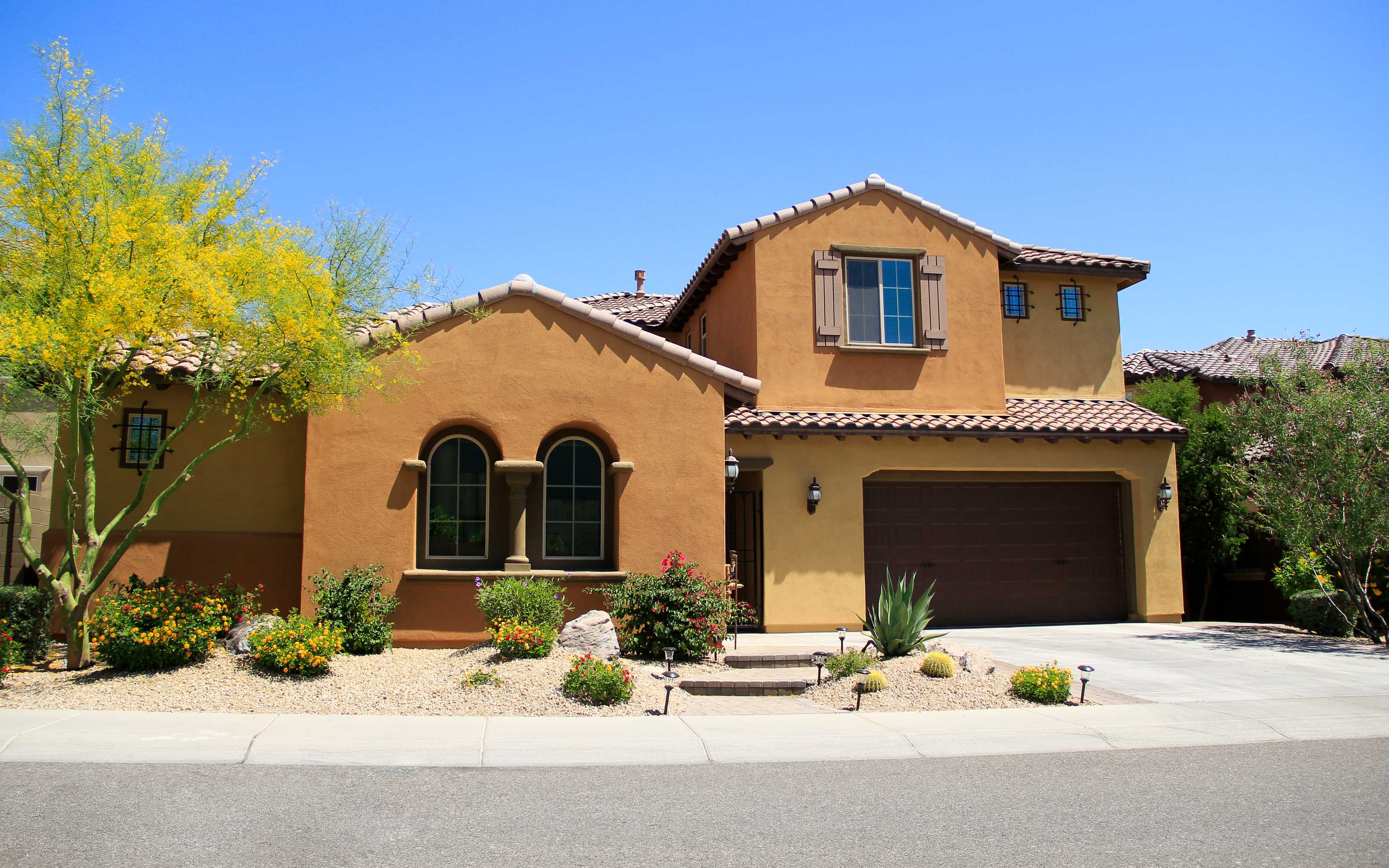
home exterior with matching windows and doors creating cohesive curb appeal

Your home’s exterior is the first thing people notice, and windows and doors play a major role in how everything comes together. When these elements feel mismatched, even a well-maintained home can look unbalanced. On the other hand, choosing the right combination can instantly improve curb appeal, value, and overall design harmony.

This guide explains how to create a cohesive exterior by aligning your windows and doors in style, color, proportion, and function.

Quick Answers for Exterior Design Cohesion

  • What makes a home exterior look cohesive?
    A cohesive exterior has consistent design elements, including matching window styles, door finishes, and complementary colors. Everything works together visually instead of competing for attention.
  • Do windows and doors need to match exactly?
    Not exactly, but they should complement each other in style, color, and proportions. Consistency is more important than identical design.
  • Can new windows and doors increase curb appeal?
    Yes. Coordinated upgrades can significantly improve your home’s appearance and make it more attractive to buyers.
  • What is the best color strategy for windows and doors?
    Choose colors that align with your home’s exterior palette. Neutral tones are safe, while bold doors can serve as a focal point when balanced correctly.
  • How do window styles affect exterior design?
    Window shapes, grids, and frame thickness influence the overall look. Matching styles across the home creates visual harmony.
  • Is it better to replace windows and doors at the same time?
    In many cases, yes. Updating them together ensures a consistent look and avoids mismatched finishes or styles.

Why does exterior cohesion matter for your home?

A cohesive exterior is not just about appearance. It also affects how your home is perceived and valued.

When windows and doors are aligned in design:

  • Your home looks more polished and intentional
  • Architectural features stand out more clearly
  • Curb appeal increases significantly
  • Property value can improve

Small design inconsistencies can disrupt the entire look, while thoughtful coordination creates a strong visual impact.

How do mismatched windows and doors affect your home’s appearance?

When design elements do not align, the result can feel disjointed.

Common issues include:

  • Different frame colors that clash
  • Inconsistent window styles across rooms
  • A front door that does not match the home’s architecture
  • Uneven proportions or sizing

These issues make the home look less cohesive, even if each element is high quality on its own.

How do common exterior design mistakes affect overall cohesion?

Even small design missteps can disrupt your home’s exterior. Understanding these common mistakes helps you avoid costly redesigns and achieve a more polished look.

Design Mistake

What Happens

Why It Hurts Cohesion

Better Approach

Mismatched window styles

Different shapes or grid patterns

Creates visual inconsistency

Use consistent window designs across the home

Clashing colors

Frames and doors do not align with exterior palette

Breaks visual harmony

Stick to a coordinated color scheme

Oversized or undersized doors

Door does not match entry scale

Looks unbalanced

Choose proportions that fit the structure

Inconsistent materials

Mixing too many finishes

Feels unplanned or chaotic

Limit to 1 to 2 complementary materials

Uneven window spacing

Windows placed irregularly

Disrupts symmetry

Align windows for balance and flow

Ignoring architectural style

Mixing modern and traditional elements poorly

Creates confusion in design

Match windows and doors to home style

Overuse of accents

Too many decorative elements

Overwhelms the exterior

Keep design clean and intentional

This breakdown helps homeowners recognize what might be affecting their home’s appearance and provides clear direction on how to improve it.

How do you match window and door styles effectively?

Choosing the right style combination is one of the most important steps.

Style Type

Window Characteristics

Door Style Match

Overall Look

Modern

Clean lines, minimal grids

Sleek, simple doors

Contemporary and streamlined

Traditional

Grids, detailed frames

Paneled or decorative doors

Classic and timeless

Farmhouse

Large panes, simple trim

Rustic or shaker-style doors

Warm and inviting

Craftsman

Divided lights, thick trim

Solid wood or detailed doors

Balanced and structured

Matching architectural styles helps create a unified and intentional exterior.

How does color coordination impact exterior design?

Color is one of the most noticeable elements of your home’s exterior.

Key strategies include:

  • Matching window frames with trim or siding
  • Using a contrasting front door as a focal point
  • Keeping a consistent color palette across all elements
  • Avoiding too many competing tones

A well-planned color scheme ties everything together and enhances visual appeal.

What role do proportions and symmetry play?

Even with the right styles and colors, proportion is critical.

Element

What to Consider

Why It Matters

Visual Impact

Window size

Consistent sizing across similar areas

Maintains balance

Clean, uniform look

Spacing

Even placement between windows

Creates symmetry

More organized appearance

Door scale

Proper size relative to the entryway

Avoids overpowering or undersized look

Strong focal point

Alignment

Matching heights and lines

Keeps design consistent

Professional finish

Balanced proportions make your home look more thoughtfully designed.

How do materials affect the overall look and durability?

Material choice influences both appearance and long-term performance.

Material

Visual Style

Durability

Best Use

Vinyl

Clean and modern

High

Low-maintenance homes

Wood

Warm and traditional

Moderate

Classic or historic homes

Fiberglass

Versatile appearance

High

Energy-efficient upgrades

Steel

Sleek and strong

Very high

Security-focused entry doors

Choosing materials that align with your design style ensures both cohesion and longevity.

Should you replace windows and doors at the same time?

Replacing windows and doors together often leads to better results.

Benefits include:

  • Consistent design across all elements
  • Matching finishes and materials
  • Improved energy efficiency
  • Reduced installation inconsistencies

While not always required, coordinated upgrades create a more seamless look.

How do coordinated upgrades improve home value?

A cohesive exterior is more appealing to buyers and can influence purchasing decisions.

Benefits include:

  • Stronger first impressions
  • Higher perceived value
  • Improved marketability
  • Faster resale potential

Investing in coordinated design upgrades can provide both aesthetic and financial returns.

How do professionals ensure a cohesive exterior design?

Creating a balanced exterior requires careful planning and experience.

At The Window Depot, professionals evaluate:

  • Architectural style and home layout
  • Color schemes and material compatibility
  • Window and door proportions
  • Long-term durability and performance

This approach ensures that every element works together to create a unified and visually appealing result.

Why trust The Window Depot for window and door upgrades?

The Window Depot has extensive experience helping homeowners create cohesive, high-performing exteriors. As a family-owned business, the team focuses on practical solutions that balance design, durability, and cost.

Our recommendations are based on real-world applications, helping homeowners achieve both visual harmony and long-term value. Contact us!

How do professionals design a cohesive exterior with windows and doors?

Creating a cohesive exterior requires more than matching colors or styles. Professionals take a structured approach that considers architecture, proportions, materials, and long-term performance.

At The Window Depot, exterior design recommendations are based on real project experience and proven results across different home styles. Each project is evaluated holistically to ensure every element works together.

Key factors professionals consider include:

  • Architectural consistency, ensuring windows and doors align with the home’s design style
  • Proportion and scale, balancing sizes and placement for visual harmony
  • Material compatibility, selecting finishes that complement each other and withstand local conditions
  • Color coordination, creating a unified palette across windows, doors, and trim
  • Performance requirements, including energy efficiency, durability, and long-term maintenance

This process ensures that design decisions are not based on trends alone, but on principles that improve both appearance and functionality. By combining design expertise with product knowledge, homeowners can achieve a cohesive exterior that looks intentional and performs reliably over time.

Frequently Asked Questions

  1. Do all windows in a home need to match?
    For the most cohesive look, yes. Consistency in style and design helps create a unified appearance.
  2. Can I mix modern windows with a traditional door?
    It is possible, but it requires careful planning. Matching overall design elements helps avoid a mismatched look.
  3. What is the easiest way to improve curb appeal?
    Updating windows and doors with coordinated styles and colors is one of the most effective ways.
  4. Should my front door stand out or blend in?
    It can do either. A bold color can create a focal point, while a neutral tone offers a more subtle look.
  5. Are coordinated upgrades worth the investment?
    Yes. They improve both appearance and value, making them a smart long-term upgrade.

How to Create a More Cohesive Exterior With the Right Windows and Doors

home exterior with matching windows and doors creating cohesive curb appeal

Your home’s exterior is the first thing people notice, and windows and doors play a major role in how everything comes together. When these elements feel mismatched, even a well-maintained home can look unbalanced. On the other hand, choosing the right combination can instantly improve curb appeal, value, and overall design harmony.

This guide explains how to create a cohesive exterior by aligning your windows and doors in style, color, proportion, and function.

Quick Answers for Exterior Design Cohesion

  • What makes a home exterior look cohesive?
    A cohesive exterior has consistent design elements, including matching window styles, door finishes, and complementary colors. Everything works together visually instead of competing for attention.
  • Do windows and doors need to match exactly?
    Not exactly, but they should complement each other in style, color, and proportions. Consistency is more important than identical design.
  • Can new windows and doors increase curb appeal?
    Yes. Coordinated upgrades can significantly improve your home’s appearance and make it more attractive to buyers.
  • What is the best color strategy for windows and doors?
    Choose colors that align with your home’s exterior palette. Neutral tones are safe, while bold doors can serve as a focal point when balanced correctly.
  • How do window styles affect exterior design?
    Window shapes, grids, and frame thickness influence the overall look. Matching styles across the home creates visual harmony.
  • Is it better to replace windows and doors at the same time?
    In many cases, yes. Updating them together ensures a consistent look and avoids mismatched finishes or styles.

Why does exterior cohesion matter for your home?

A cohesive exterior is not just about appearance. It also affects how your home is perceived and valued.

When windows and doors are aligned in design:

  • Your home looks more polished and intentional
  • Architectural features stand out more clearly
  • Curb appeal increases significantly
  • Property value can improve

Small design inconsistencies can disrupt the entire look, while thoughtful coordination creates a strong visual impact.

How do mismatched windows and doors affect your home’s appearance?

When design elements do not align, the result can feel disjointed.

Common issues include:

  • Different frame colors that clash
  • Inconsistent window styles across rooms
  • A front door that does not match the home’s architecture
  • Uneven proportions or sizing

These issues make the home look less cohesive, even if each element is high quality on its own.

How do common exterior design mistakes affect overall cohesion?

Even small design missteps can disrupt your home’s exterior. Understanding these common mistakes helps you avoid costly redesigns and achieve a more polished look.

Design Mistake

What Happens

Why It Hurts Cohesion

Better Approach

Mismatched window styles

Different shapes or grid patterns

Creates visual inconsistency

Use consistent window designs across the home

Clashing colors

Frames and doors do not align with exterior palette

Breaks visual harmony

Stick to a coordinated color scheme

Oversized or undersized doors

Door does not match entry scale

Looks unbalanced

Choose proportions that fit the structure

Inconsistent materials

Mixing too many finishes

Feels unplanned or chaotic

Limit to 1 to 2 complementary materials

Uneven window spacing

Windows placed irregularly

Disrupts symmetry

Align windows for balance and flow

Ignoring architectural style

Mixing modern and traditional elements poorly

Creates confusion in design

Match windows and doors to home style

Overuse of accents

Too many decorative elements

Overwhelms the exterior

Keep design clean and intentional

This breakdown helps homeowners recognize what might be affecting their home’s appearance and provides clear direction on how to improve it.

How do you match window and door styles effectively?

Choosing the right style combination is one of the most important steps.

Style Type

Window Characteristics

Door Style Match

Overall Look

Modern

Clean lines, minimal grids

Sleek, simple doors

Contemporary and streamlined

Traditional

Grids, detailed frames

Paneled or decorative doors

Classic and timeless

Farmhouse

Large panes, simple trim

Rustic or shaker-style doors

Warm and inviting

Craftsman

Divided lights, thick trim

Solid wood or detailed doors

Balanced and structured

Matching architectural styles helps create a unified and intentional exterior.

How does color coordination impact exterior design?

Color is one of the most noticeable elements of your home’s exterior.

Key strategies include:

  • Matching window frames with trim or siding
  • Using a contrasting front door as a focal point
  • Keeping a consistent color palette across all elements
  • Avoiding too many competing tones

A well-planned color scheme ties everything together and enhances visual appeal.

What role do proportions and symmetry play?

Even with the right styles and colors, proportion is critical.

Element

What to Consider

Why It Matters

Visual Impact

Window size

Consistent sizing across similar areas

Maintains balance

Clean, uniform look

Spacing

Even placement between windows

Creates symmetry

More organized appearance

Door scale

Proper size relative to the entryway

Avoids overpowering or undersized look

Strong focal point

Alignment

Matching heights and lines

Keeps design consistent

Professional finish

Balanced proportions make your home look more thoughtfully designed.

How do materials affect the overall look and durability?

Material choice influences both appearance and long-term performance.

Material

Visual Style

Durability

Best Use

Vinyl

Clean and modern

High

Low-maintenance homes

Wood

Warm and traditional

Moderate

Classic or historic homes

Fiberglass

Versatile appearance

High

Energy-efficient upgrades

Steel

Sleek and strong

Very high

Security-focused entry doors

Choosing materials that align with your design style ensures both cohesion and longevity.

Should you replace windows and doors at the same time?

Replacing windows and doors together often leads to better results.

Benefits include:

  • Consistent design across all elements
  • Matching finishes and materials
  • Improved energy efficiency
  • Reduced installation inconsistencies

While not always required, coordinated upgrades create a more seamless look.

How do coordinated upgrades improve home value?

A cohesive exterior is more appealing to buyers and can influence purchasing decisions.

Benefits include:

  • Stronger first impressions
  • Higher perceived value
  • Improved marketability
  • Faster resale potential

Investing in coordinated design upgrades can provide both aesthetic and financial returns.

How do professionals ensure a cohesive exterior design?

Creating a balanced exterior requires careful planning and experience.

At The Window Depot, professionals evaluate:

  • Architectural style and home layout
  • Color schemes and material compatibility
  • Window and door proportions
  • Long-term durability and performance

This approach ensures that every element works together to create a unified and visually appealing result.

Why trust The Window Depot for window and door upgrades?

The Window Depot has extensive experience helping homeowners create cohesive, high-performing exteriors. As a family-owned business, the team focuses on practical solutions that balance design, durability, and cost.

Our recommendations are based on real-world applications, helping homeowners achieve both visual harmony and long-term value. Contact us!

How do professionals design a cohesive exterior with windows and doors?

Creating a cohesive exterior requires more than matching colors or styles. Professionals take a structured approach that considers architecture, proportions, materials, and long-term performance.

At The Window Depot, exterior design recommendations are based on real project experience and proven results across different home styles. Each project is evaluated holistically to ensure every element works together.

Key factors professionals consider include:

  • Architectural consistency, ensuring windows and doors align with the home’s design style
  • Proportion and scale, balancing sizes and placement for visual harmony
  • Material compatibility, selecting finishes that complement each other and withstand local conditions
  • Color coordination, creating a unified palette across windows, doors, and trim
  • Performance requirements, including energy efficiency, durability, and long-term maintenance

This process ensures that design decisions are not based on trends alone, but on principles that improve both appearance and functionality. By combining design expertise with product knowledge, homeowners can achieve a cohesive exterior that looks intentional and performs reliably over time.

Frequently Asked Questions

  1. Do all windows in a home need to match?
    For the most cohesive look, yes. Consistency in style and design helps create a unified appearance.
  2. Can I mix modern windows with a traditional door?
    It is possible, but it requires careful planning. Matching overall design elements helps avoid a mismatched look.
  3. What is the easiest way to improve curb appeal?
    Updating windows and doors with coordinated styles and colors is one of the most effective ways.
  4. Should my front door stand out or blend in?
    It can do either. A bold color can create a focal point, while a neutral tone offers a more subtle look.
  5. Are coordinated upgrades worth the investment?
    Yes. They improve both appearance and value, making them a smart long-term upgrade.
SEARCH ×