Select your store: 2300 S. 6th Ave, Tucson

Online orders are in store pickup only.

0 $0.00
items in your cartto quote To cart
Ooops no items were found.
Try something else.
Ok
Loading…

Signs Your Entry Door Needs to Be Replaced

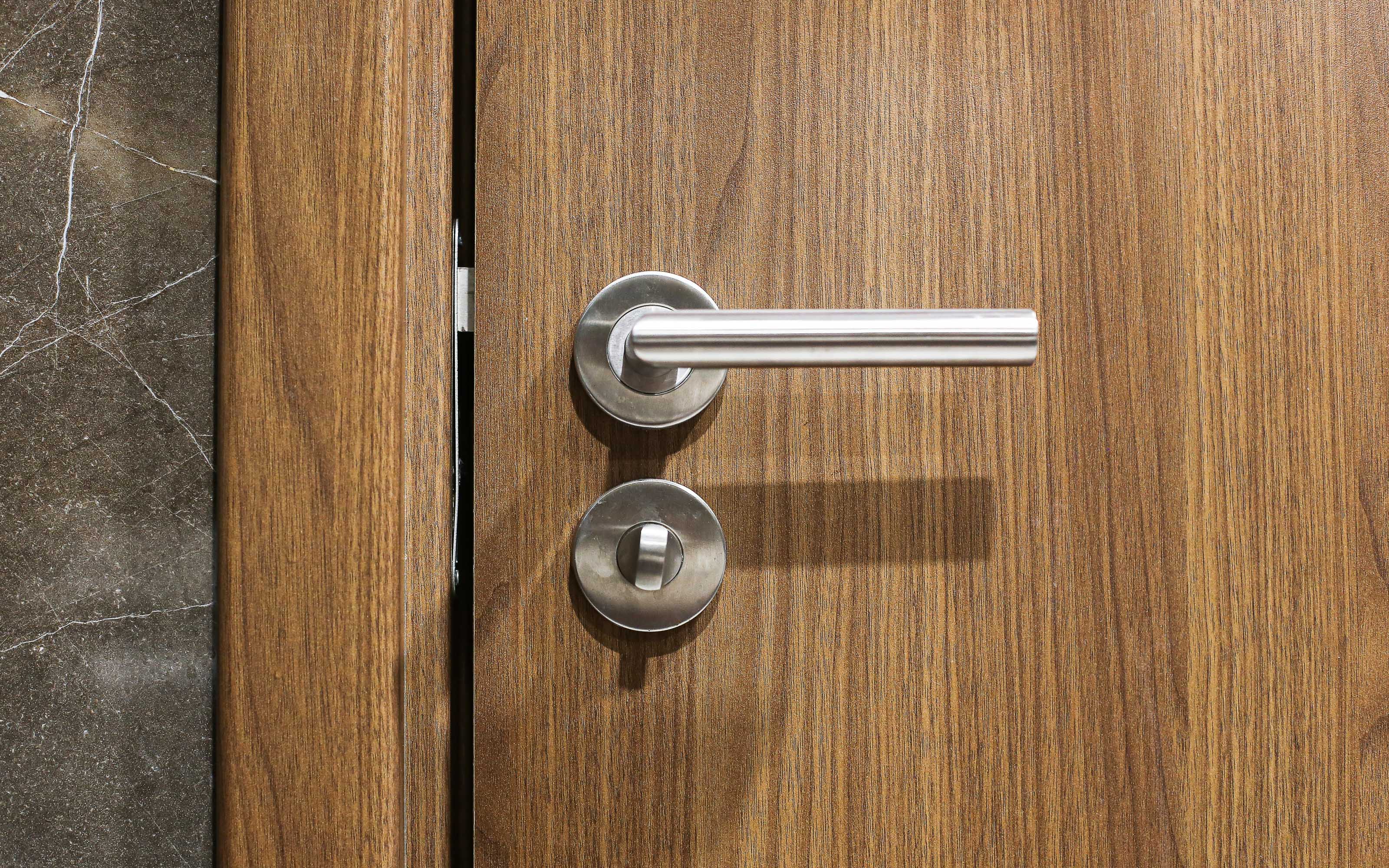
modern wooden entry door handle showing upgraded secure front door design

Your entry door does more than welcome guests. It plays a key role in your home’s security, energy efficiency, and overall appearance. Over time, even well-built doors begin to wear down, and ignoring the signs can lead to higher costs and reduced comfort.

If you are unsure whether it is time for an upgrade, this guide explains the most common warning signs and what they mean for your home.

Quick Answers for Entry Door Replacement

  • How do I know if my entry door needs to be replaced?
    Common signs include drafts, difficulty opening or closing, visible damage, and rising energy bills. These issues often indicate that the door is no longer sealing or functioning properly.
  • Do old entry doors affect energy efficiency?
    Yes. Poor seals and worn materials allow air to leak in and out, which increases heating and cooling costs.
  • Is it better to repair or replace an entry door?
    Minor issues can be repaired, but doors with structural damage, warping, or insulation problems are usually better replaced.
  • Can a new entry door increase home value?
    Yes. A new entry door improves curb appeal, security, and energy efficiency, which can positively impact resale value.
  • What are the most common problems with old doors?
    Warping, cracks, air leaks, and worn seals are among the most frequent issues homeowners experience.
  • How long does an entry door typically last?
    Most entry doors last 20 to 30 years, depending on the material and maintenance.

Why does your entry door matter more than you think?

Your entry door affects multiple aspects of your home at once. When it begins to fail, the impact goes beyond appearance.

An aging door can lead to:

  • Increased energy costs
  • Reduced home security
  • Lower curb appeal
  • Decreased indoor comfort

Recognizing these effects early helps you avoid bigger issues later.

1. You feel drafts around the door

If you notice air coming through closed doors, it usually means the seal is failing.

Drafts can result from:

  • Worn weatherstripping
  • Gaps between the door and frame
  • Warped door panels

This leads to energy loss and inconsistent indoor temperatures.

2. Your energy bills are steadily increasing

An inefficient entry door allows conditioned air to escape.

Issue

What It Means

Financial Impact

Poor sealing

Air leaks

Higher energy bills

Thin materials

Low insulation

Increased HVAC usage

Aging components

Reduced efficiency

Long-term cost increase

Replacing your door can improve insulation and reduce monthly expenses.

3. The door is difficult to open or close

If your door sticks, jams, or does not close properly, it may be warped or misaligned.

Common causes include:

  • Moisture damage
  • Structural shifting
  • Worn hinges or hardware

This can affect both convenience and safety.

4. You see visible damage or wear

Cracks, dents, rust, or peeling finishes are clear indicators that your door is deteriorating.

Damage can lead to:

  • Moisture intrusion
  • Reduced structural integrity
  • Increased maintenance costs

Ignoring these signs often leads to more expensive repairs.

5. Outside noise is becoming more noticeable

If your home feels louder than usual, your entry door may not be insulating sound effectively.

Modern doors provide better sound insulation, which improves comfort and indicates stronger overall performance.

6. Your home feels less secure

An old or damaged door can compromise your home’s security.

Signs include:

  • Loose or weak locks
  • Soft or deteriorating materials
  • Gaps that weaken structural integrity

Upgrading your door improves both safety and peace of mind.

7. Your door looks outdated or affects curb appeal

Your entry door is one of the first things people notice about your home.

An outdated door can:

  • Make your home appear older
  • Reduce buyer interest
  • Lower perceived value

A new door can instantly improve your home’s appearance.

How do modern entry doors improve performance?

Today’s entry doors are designed with both function and efficiency in mind.

Feature

Benefit

Impact on Your Home

Insulated cores

Better temperature control

Lower energy costs

Durable materials

Longer lifespan

Reduced maintenance

Advanced seals

Prevent air leaks

Improved comfort

Enhanced security features

Stronger protection

Increased safety

Modern designs

Updated appearance

Higher curb appeal

These improvements make replacement a practical long-term investment.

How do different entry door materials compare over time?

Choosing the right door material plays a major role in durability, maintenance, and long-term cost. Understanding how each option performs can help you make a smarter replacement decision.

Material

Durability

Maintenance Level

Energy Efficiency

Best For

Wood

Moderate, can warp over time

High, requires sealing or painting

Moderate

Traditional or classic home styles

Steel

Very strong and secure

Low to moderate

Good with insulation core

Security-focused homeowners

Fiberglass

Highly durable and weather-resistant

Low

Excellent insulation

Energy efficiency and low maintenance

Aluminum

Lightweight but less insulated

Low

Lower compared to others

Modern designs and mild climates

This comparison helps homeowners look beyond appearance and focus on long-term performance, maintenance needs, and overall value.

How do professionals evaluate if your entry door needs replacement?

Determining whether to repair or replace a door requires a comprehensive evaluation.

At The Window Depot, professionals assess:

  • Seal condition and air leakage
  • Structural integrity of the door and frame
  • Energy efficiency performance
  • Security features and durability
  • Installation quality and alignment

This approach ensures recommendations are based on real performance factors, not just visible issues.

Why trust The Window Depot for entry door solutions?

The Window Depot brings hands-on experience in supplying high-quality doors for homeowners, contractors, and builders. As a family-owned business, the team focuses on practical solutions that balance durability, energy efficiency, and cost.

Our guidance is based on real-world performance, helping homeowners choose entry doors that improve comfort, security, and long-term value. Contact us!

Frequently Asked Questions

  1. How often should you replace your entry door?
    Most entry doors last 20 to 30 years, but signs of damage or inefficiency may require earlier replacement.
  2. Can a new entry door really lower energy bills?
    Yes. Modern doors with proper insulation and sealing reduce heat transfer and improve efficiency.
  3. What is the best material for an entry door?
    Fiberglass and steel doors are popular for their durability, energy efficiency, and low maintenance.
  4. Is door replacement a good investment?
    Yes. It improves security, comfort, and curb appeal, which can increase home value.
  5. Should I replace my door or just repair it?
    If the door has structural damage or insulation issues, replacement is usually the better long-term option.

Signs Your Entry Door Needs to Be Replaced

modern wooden entry door handle showing upgraded secure front door design

Your entry door does more than welcome guests. It plays a key role in your home’s security, energy efficiency, and overall appearance. Over time, even well-built doors begin to wear down, and ignoring the signs can lead to higher costs and reduced comfort.

If you are unsure whether it is time for an upgrade, this guide explains the most common warning signs and what they mean for your home.

Quick Answers for Entry Door Replacement

  • How do I know if my entry door needs to be replaced?
    Common signs include drafts, difficulty opening or closing, visible damage, and rising energy bills. These issues often indicate that the door is no longer sealing or functioning properly.
  • Do old entry doors affect energy efficiency?
    Yes. Poor seals and worn materials allow air to leak in and out, which increases heating and cooling costs.
  • Is it better to repair or replace an entry door?
    Minor issues can be repaired, but doors with structural damage, warping, or insulation problems are usually better replaced.
  • Can a new entry door increase home value?
    Yes. A new entry door improves curb appeal, security, and energy efficiency, which can positively impact resale value.
  • What are the most common problems with old doors?
    Warping, cracks, air leaks, and worn seals are among the most frequent issues homeowners experience.
  • How long does an entry door typically last?
    Most entry doors last 20 to 30 years, depending on the material and maintenance.

Why does your entry door matter more than you think?

Your entry door affects multiple aspects of your home at once. When it begins to fail, the impact goes beyond appearance.

An aging door can lead to:

  • Increased energy costs
  • Reduced home security
  • Lower curb appeal
  • Decreased indoor comfort

Recognizing these effects early helps you avoid bigger issues later.

1. You feel drafts around the door

If you notice air coming through closed doors, it usually means the seal is failing.

Drafts can result from:

  • Worn weatherstripping
  • Gaps between the door and frame
  • Warped door panels

This leads to energy loss and inconsistent indoor temperatures.

2. Your energy bills are steadily increasing

An inefficient entry door allows conditioned air to escape.

Issue

What It Means

Financial Impact

Poor sealing

Air leaks

Higher energy bills

Thin materials

Low insulation

Increased HVAC usage

Aging components

Reduced efficiency

Long-term cost increase

Replacing your door can improve insulation and reduce monthly expenses.

3. The door is difficult to open or close

If your door sticks, jams, or does not close properly, it may be warped or misaligned.

Common causes include:

  • Moisture damage
  • Structural shifting
  • Worn hinges or hardware

This can affect both convenience and safety.

4. You see visible damage or wear

Cracks, dents, rust, or peeling finishes are clear indicators that your door is deteriorating.

Damage can lead to:

  • Moisture intrusion
  • Reduced structural integrity
  • Increased maintenance costs

Ignoring these signs often leads to more expensive repairs.

5. Outside noise is becoming more noticeable

If your home feels louder than usual, your entry door may not be insulating sound effectively.

Modern doors provide better sound insulation, which improves comfort and indicates stronger overall performance.

6. Your home feels less secure

An old or damaged door can compromise your home’s security.

Signs include:

  • Loose or weak locks
  • Soft or deteriorating materials
  • Gaps that weaken structural integrity

Upgrading your door improves both safety and peace of mind.

7. Your door looks outdated or affects curb appeal

Your entry door is one of the first things people notice about your home.

An outdated door can:

  • Make your home appear older
  • Reduce buyer interest
  • Lower perceived value

A new door can instantly improve your home’s appearance.

How do modern entry doors improve performance?

Today’s entry doors are designed with both function and efficiency in mind.

Feature

Benefit

Impact on Your Home

Insulated cores

Better temperature control

Lower energy costs

Durable materials

Longer lifespan

Reduced maintenance

Advanced seals

Prevent air leaks

Improved comfort

Enhanced security features

Stronger protection

Increased safety

Modern designs

Updated appearance

Higher curb appeal

These improvements make replacement a practical long-term investment.

How do different entry door materials compare over time?

Choosing the right door material plays a major role in durability, maintenance, and long-term cost. Understanding how each option performs can help you make a smarter replacement decision.

Material

Durability

Maintenance Level

Energy Efficiency

Best For

Wood

Moderate, can warp over time

High, requires sealing or painting

Moderate

Traditional or classic home styles

Steel

Very strong and secure

Low to moderate

Good with insulation core

Security-focused homeowners

Fiberglass

Highly durable and weather-resistant

Low

Excellent insulation

Energy efficiency and low maintenance

Aluminum

Lightweight but less insulated

Low

Lower compared to others

Modern designs and mild climates

This comparison helps homeowners look beyond appearance and focus on long-term performance, maintenance needs, and overall value.

How do professionals evaluate if your entry door needs replacement?

Determining whether to repair or replace a door requires a comprehensive evaluation.

At The Window Depot, professionals assess:

  • Seal condition and air leakage
  • Structural integrity of the door and frame
  • Energy efficiency performance
  • Security features and durability
  • Installation quality and alignment

This approach ensures recommendations are based on real performance factors, not just visible issues.

Why trust The Window Depot for entry door solutions?

The Window Depot brings hands-on experience in supplying high-quality doors for homeowners, contractors, and builders. As a family-owned business, the team focuses on practical solutions that balance durability, energy efficiency, and cost.

Our guidance is based on real-world performance, helping homeowners choose entry doors that improve comfort, security, and long-term value. Contact us!

Frequently Asked Questions

  1. How often should you replace your entry door?
    Most entry doors last 20 to 30 years, but signs of damage or inefficiency may require earlier replacement.
  2. Can a new entry door really lower energy bills?
    Yes. Modern doors with proper insulation and sealing reduce heat transfer and improve efficiency.
  3. What is the best material for an entry door?
    Fiberglass and steel doors are popular for their durability, energy efficiency, and low maintenance.
  4. Is door replacement a good investment?
    Yes. It improves security, comfort, and curb appeal, which can increase home value.
  5. Should I replace my door or just repair it?
    If the door has structural damage or insulation issues, replacement is usually the better long-term option.
SEARCH ×