
Select your store: 2300 S. 6th Ave, Tucson

Online orders are in store pickup only.

0 $0.00
items in your cartto quote To cart
Ooops no items were found.
Try something else.
Ok
Loading…

Are Vinyl Windows Right for Your Home? What to Consider First

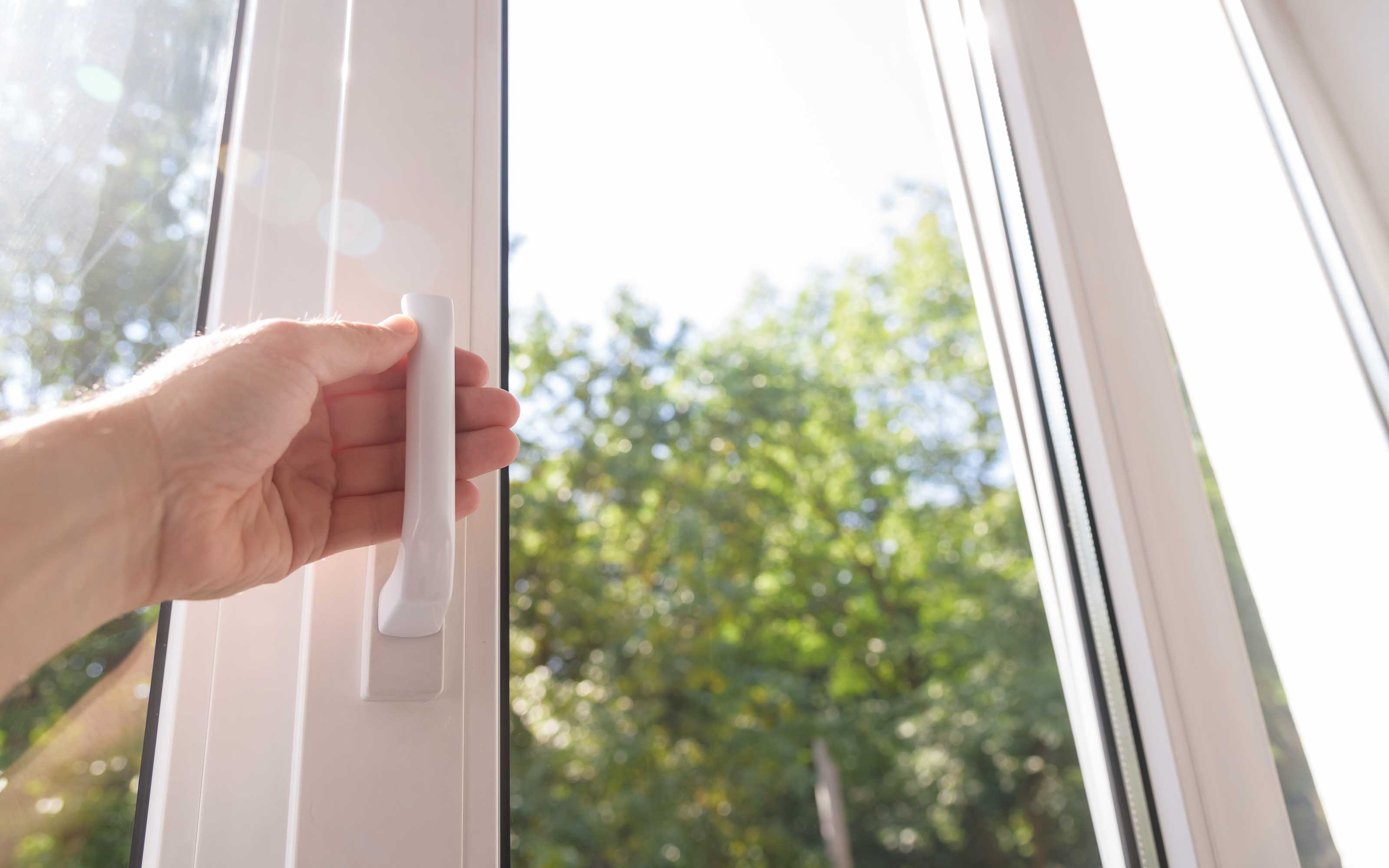
hand opening vinyl window with natural sunlight and outdoor view

Vinyl windows are one of the most popular choices for homeowners today, but that does not automatically mean they are the right fit for every home. If you are comparing window materials or planning a replacement project, understanding how vinyl windows perform can help you make a more informed decision.

This guide explains what vinyl windows are, their advantages, potential drawbacks, and how to decide if they match your specific needs.

Quick Answers for Vinyl Window Decisions

  • Are vinyl windows a good choice for most homes?
    Yes. Vinyl windows offer a strong balance of affordability, durability, and energy efficiency. They are especially popular for homeowners who want low maintenance and reliable performance.
  • What makes vinyl windows energy efficient?
    Vinyl windows use insulated frames, multi-chamber construction, and double or triple-pane glass. These features help reduce heat transfer and maintain consistent indoor temperatures.
  • How long do vinyl windows typically last?
    Most vinyl windows last 20 to 30 years with proper installation. Their resistance to moisture and rot helps extend their lifespan with minimal upkeep.
  • Are there any downsides to vinyl windows?
    Vinyl windows have limited color options and cannot be repainted easily. They may also not suit historic homes that require a more traditional appearance.
  • Do vinyl windows increase home value?
    Yes. They improve energy efficiency, comfort, and curb appeal, which can make your home more attractive to buyers.
  • When should you choose vinyl over other materials?
    Vinyl is ideal when you want a cost-effective, low-maintenance option with solid energy performance. It works well for modern homes and large replacement projects.

What are vinyl windows, and how are they different from other materials?

Vinyl windows are made from PVC, a durable and low-maintenance material commonly used in modern construction. Unlike wood or aluminum, vinyl does not require painting or sealing and resists moisture naturally.

Here is how vinyl compares to other common materials:

  • Wood offers a classic look but requires ongoing maintenance
  • Aluminum is strong but less energy efficient
  • Vinyl balances durability, efficiency, and affordability

For many homeowners, vinyl provides a practical middle ground between cost and performance.

Why are vinyl windows considered energy efficient?

Vinyl windows are designed to reduce heat transfer and improve insulation. This helps maintain a consistent indoor temperature throughout the year.

Key energy-saving features include:

  • Multi-chambered frames that trap air
  • Compatibility with double or triple-pane glass
  • Tight seals that prevent drafts

These features make vinyl windows a strong option for homeowners looking to reduce energy costs without upgrading to premium materials.

What are the main benefits of vinyl windows?

Vinyl windows offer several advantages that make them appealing for both new construction and replacement projects.

  • Low maintenance, no painting or staining required
  • Affordable compared to wood or fiberglass
  • Resistant to moisture, rot, and pests
  • Long lifespan with minimal upkeep
  • Good insulation for improved comfort

These benefits make vinyl windows especially attractive for homeowners who want a reliable, cost-effective solution.

How do different types of vinyl windows compare for your home?

Not all vinyl windows are the same. Understanding the different styles and how they function can help you choose the best option for your space, layout, and ventilation needs.

Window Type

How It Opens

Best For

Key Benefit

Single-hung

Bottom sash moves up

Budget-friendly upgrades

Simple design, lower cost

Double-hung

Both sashes move

Bedrooms and living areas

Easy cleaning and ventilation

Casement

Opens outward with a crank

Hard-to-reach areas

Excellent airflow and tight seal

Sliding

Moves horizontally

Wide wall spaces

Smooth operation and modern look

Picture

Fixed, does not open

Living rooms, views

Maximum natural light

Awning

Hinged at the top, opens outward

Bathrooms and kitchens

Ventilation even during rain

Bay or bow

Extends outward from wall

Front-facing rooms

Adds space and visual appeal

This comparison helps homeowners match window styles to how they use each room, making the decision more practical and personalized.

What are the potential downsides of vinyl windows?

While vinyl windows work well in many situations, they are not perfect for every home.

Some limitations to consider include:

  • Fewer color customization options compared to wood
  • Cannot be repainted easily
  • May expand or contract slightly in extreme temperatures
  • Less traditional appearance for historic homes

Understanding these trade-offs helps you avoid choosing a material that does not align with your goals.

How do vinyl windows compare in cost and long-term value?

Vinyl windows are often one of the most budget-friendly options upfront. However, their real value comes from long-term savings.

Factor

Vinyl Windows

Wood Windows

Aluminum Windows

Initial cost

Lower

Higher

Moderate

Maintenance cost

Minimal

High

Low

Energy efficiency

High

Moderate

Low

Lifespan

Long

Long with upkeep

Long

Overall value

Strong balance

Premium option

Functional choice

Vinyl windows provide a solid return on investment, especially for homeowners focused on energy savings and low maintenance.

When are vinyl windows the best choice for your home?

Vinyl windows are ideal if you are looking for:

  • A cost-effective replacement option
  • Improved energy efficiency
  • Low-maintenance materials
  • Reliable performance in most climates

They are especially well-suited for modern homes, rental properties, and large-scale replacement projects where budget and durability matter.

When should you consider other window materials instead?

There are situations where another material may be a better fit.

You may want to explore alternatives if:

  • You own a historic or luxury home
  • You want custom colors or finishes
  • You prefer a natural wood appearance
  • Your design requires highly specialized window shapes

Choosing the right material depends on both function and aesthetics.

How do vinyl windows impact home value and comfort?

Upgrading to vinyl windows can improve both daily comfort and long-term property value.

Homeowners often notice:

  • More stable indoor temperatures
  • Reduced outside noise
  • Lower energy bills
  • Improved curb appeal

These benefits make vinyl windows a practical upgrade for many households.

How do you choose the right vinyl windows for your needs?

Not all vinyl windows are the same. Quality, design, and installation all play a role in performance.

At The Window Depot, customers can explore:

  • Energy-efficient vinyl window options
  • Various styles and configurations
  • Custom sizing for unique spaces
  • Expert guidance based on project needs

Selecting the right windows ensures better results and long-term satisfaction.

What factors do professionals evaluate before recommending vinyl windows?

Choosing vinyl windows involves more than selecting a material. Experienced suppliers and installers evaluate several performance factors to ensure long-term efficiency, durability, and overall value.

At The Window Depot, these are the key elements considered when helping homeowners choose the right vinyl windows:

Factor

What to Look For

Why It Matters

Impact on Your Home

Frame construction

Multi-chambered frames

Improves insulation strength

Better energy efficiency

Glass type

Double or triple-pane

Reduces heat transfer

Lower energy bills

Low-E coating

Heat-reflective glass layer

Blocks UV and heat

Protects interiors and improves comfort

Gas fill

Argon or krypton between panes

Enhances insulation

Increased thermal performance

Weather sealing

Tight, durable seals

Prevents air and water leaks

Consistent indoor temperature

Reinforcement

Internal frame support

Adds strength to vinyl

Better durability in extreme climates

Installation quality

Professional fitting

Prevents gaps and misalignment

Long-term performance and lifespan

This approach reflects real-world experience in window selection, helping homeowners move beyond surface-level comparisons and focus on features that directly affect comfort, energy savings, and long-term performance.

Why trust The Window Depot for window replacement guidance?

The Window Depot has extensive experience helping homeowners, contractors, and builders choose the right materials for their projects. As a family-owned business, they focus on practical solutions that balance performance, cost, and durability.

The team understands how factors like climate, home design, and energy efficiency impact window selection. This hands-on expertise allows customers to make informed decisions with confidence. Contact us!

Frequently Asked Questions

  1. Are vinyl windows better than wood windows?
    Vinyl windows are better for low maintenance and affordability, while wood windows offer a more traditional appearance. The right choice depends on your priorities.
  2. How long do vinyl windows last?
    Most vinyl windows last 20 to 30 years with proper installation and minimal maintenance.
  3. Do vinyl windows increase home value?
    Yes. They improve energy efficiency, curb appeal, and buyer interest, which can increase resale value.
  4. Can vinyl windows handle extreme weather?
    High-quality vinyl windows are designed to perform well in various climates, though extreme heat or cold may cause slight expansion or contraction.
  5. Are vinyl windows worth the investment?
    For most homeowners, vinyl windows offer a strong balance of cost, performance, and long-term savings.

Are Vinyl Windows Right for Your Home? What to Consider First

hand opening vinyl window with natural sunlight and outdoor view

Vinyl windows are one of the most popular choices for homeowners today, but that does not automatically mean they are the right fit for every home. If you are comparing window materials or planning a replacement project, understanding how vinyl windows perform can help you make a more informed decision.

This guide explains what vinyl windows are, their advantages, potential drawbacks, and how to decide if they match your specific needs.

Quick Answers for Vinyl Window Decisions

  • Are vinyl windows a good choice for most homes?
    Yes. Vinyl windows offer a strong balance of affordability, durability, and energy efficiency. They are especially popular for homeowners who want low maintenance and reliable performance.
  • What makes vinyl windows energy efficient?
    Vinyl windows use insulated frames, multi-chamber construction, and double or triple-pane glass. These features help reduce heat transfer and maintain consistent indoor temperatures.
  • How long do vinyl windows typically last?
    Most vinyl windows last 20 to 30 years with proper installation. Their resistance to moisture and rot helps extend their lifespan with minimal upkeep.
  • Are there any downsides to vinyl windows?
    Vinyl windows have limited color options and cannot be repainted easily. They may also not suit historic homes that require a more traditional appearance.
  • Do vinyl windows increase home value?
    Yes. They improve energy efficiency, comfort, and curb appeal, which can make your home more attractive to buyers.
  • When should you choose vinyl over other materials?
    Vinyl is ideal when you want a cost-effective, low-maintenance option with solid energy performance. It works well for modern homes and large replacement projects.

What are vinyl windows, and how are they different from other materials?

Vinyl windows are made from PVC, a durable and low-maintenance material commonly used in modern construction. Unlike wood or aluminum, vinyl does not require painting or sealing and resists moisture naturally.

Here is how vinyl compares to other common materials:

  • Wood offers a classic look but requires ongoing maintenance
  • Aluminum is strong but less energy efficient
  • Vinyl balances durability, efficiency, and affordability

For many homeowners, vinyl provides a practical middle ground between cost and performance.

Why are vinyl windows considered energy efficient?

Vinyl windows are designed to reduce heat transfer and improve insulation. This helps maintain a consistent indoor temperature throughout the year.

Key energy-saving features include:

  • Multi-chambered frames that trap air
  • Compatibility with double or triple-pane glass
  • Tight seals that prevent drafts

These features make vinyl windows a strong option for homeowners looking to reduce energy costs without upgrading to premium materials.

What are the main benefits of vinyl windows?

Vinyl windows offer several advantages that make them appealing for both new construction and replacement projects.

  • Low maintenance, no painting or staining required
  • Affordable compared to wood or fiberglass
  • Resistant to moisture, rot, and pests
  • Long lifespan with minimal upkeep
  • Good insulation for improved comfort

These benefits make vinyl windows especially attractive for homeowners who want a reliable, cost-effective solution.

How do different types of vinyl windows compare for your home?

Not all vinyl windows are the same. Understanding the different styles and how they function can help you choose the best option for your space, layout, and ventilation needs.

Window Type

How It Opens

Best For

Key Benefit

Single-hung

Bottom sash moves up

Budget-friendly upgrades

Simple design, lower cost

Double-hung

Both sashes move

Bedrooms and living areas

Easy cleaning and ventilation

Casement

Opens outward with a crank

Hard-to-reach areas

Excellent airflow and tight seal

Sliding

Moves horizontally

Wide wall spaces

Smooth operation and modern look

Picture

Fixed, does not open

Living rooms, views

Maximum natural light

Awning

Hinged at the top, opens outward

Bathrooms and kitchens

Ventilation even during rain

Bay or bow

Extends outward from wall

Front-facing rooms

Adds space and visual appeal

This comparison helps homeowners match window styles to how they use each room, making the decision more practical and personalized.

What are the potential downsides of vinyl windows?

While vinyl windows work well in many situations, they are not perfect for every home.

Some limitations to consider include:

  • Fewer color customization options compared to wood
  • Cannot be repainted easily
  • May expand or contract slightly in extreme temperatures
  • Less traditional appearance for historic homes

Understanding these trade-offs helps you avoid choosing a material that does not align with your goals.

How do vinyl windows compare in cost and long-term value?

Vinyl windows are often one of the most budget-friendly options upfront. However, their real value comes from long-term savings.

Factor

Vinyl Windows

Wood Windows

Aluminum Windows

Initial cost

Lower

Higher

Moderate

Maintenance cost

Minimal

High

Low

Energy efficiency

High

Moderate

Low

Lifespan

Long

Long with upkeep

Long

Overall value

Strong balance

Premium option

Functional choice

Vinyl windows provide a solid return on investment, especially for homeowners focused on energy savings and low maintenance.

When are vinyl windows the best choice for your home?

Vinyl windows are ideal if you are looking for:

  • A cost-effective replacement option
  • Improved energy efficiency
  • Low-maintenance materials
  • Reliable performance in most climates

They are especially well-suited for modern homes, rental properties, and large-scale replacement projects where budget and durability matter.

When should you consider other window materials instead?

There are situations where another material may be a better fit.

You may want to explore alternatives if:

  • You own a historic or luxury home
  • You want custom colors or finishes
  • You prefer a natural wood appearance
  • Your design requires highly specialized window shapes

Choosing the right material depends on both function and aesthetics.

How do vinyl windows impact home value and comfort?

Upgrading to vinyl windows can improve both daily comfort and long-term property value.

Homeowners often notice:

  • More stable indoor temperatures
  • Reduced outside noise
  • Lower energy bills
  • Improved curb appeal

These benefits make vinyl windows a practical upgrade for many households.

How do you choose the right vinyl windows for your needs?

Not all vinyl windows are the same. Quality, design, and installation all play a role in performance.

At The Window Depot, customers can explore:

  • Energy-efficient vinyl window options
  • Various styles and configurations
  • Custom sizing for unique spaces
  • Expert guidance based on project needs

Selecting the right windows ensures better results and long-term satisfaction.

What factors do professionals evaluate before recommending vinyl windows?

Choosing vinyl windows involves more than selecting a material. Experienced suppliers and installers evaluate several performance factors to ensure long-term efficiency, durability, and overall value.

At The Window Depot, these are the key elements considered when helping homeowners choose the right vinyl windows:

Factor

What to Look For

Why It Matters

Impact on Your Home

Frame construction

Multi-chambered frames

Improves insulation strength

Better energy efficiency

Glass type

Double or triple-pane

Reduces heat transfer

Lower energy bills

Low-E coating

Heat-reflective glass layer

Blocks UV and heat

Protects interiors and improves comfort

Gas fill

Argon or krypton between panes

Enhances insulation

Increased thermal performance

Weather sealing

Tight, durable seals

Prevents air and water leaks

Consistent indoor temperature

Reinforcement

Internal frame support

Adds strength to vinyl

Better durability in extreme climates

Installation quality

Professional fitting

Prevents gaps and misalignment

Long-term performance and lifespan

This approach reflects real-world experience in window selection, helping homeowners move beyond surface-level comparisons and focus on features that directly affect comfort, energy savings, and long-term performance.

Why trust The Window Depot for window replacement guidance?

The Window Depot has extensive experience helping homeowners, contractors, and builders choose the right materials for their projects. As a family-owned business, they focus on practical solutions that balance performance, cost, and durability.

The team understands how factors like climate, home design, and energy efficiency impact window selection. This hands-on expertise allows customers to make informed decisions with confidence. Contact us!

Frequently Asked Questions

  1. Are vinyl windows better than wood windows?
    Vinyl windows are better for low maintenance and affordability, while wood windows offer a more traditional appearance. The right choice depends on your priorities.
  2. How long do vinyl windows last?
    Most vinyl windows last 20 to 30 years with proper installation and minimal maintenance.
  3. Do vinyl windows increase home value?
    Yes. They improve energy efficiency, curb appeal, and buyer interest, which can increase resale value.
  4. Can vinyl windows handle extreme weather?
    High-quality vinyl windows are designed to perform well in various climates, though extreme heat or cold may cause slight expansion or contraction.
  5. Are vinyl windows worth the investment?
    For most homeowners, vinyl windows offer a strong balance of cost, performance, and long-term savings.
SEARCH ×