
Select your store: 2300 S. 6th Ave, Tucson

Online orders are in store pickup only.

0 $0.00
items in your cartto quote To cart
Ooops no items were found.
Try something else.
Ok
Loading…

What to Look for When Buying High-Quality Aluminum Windows

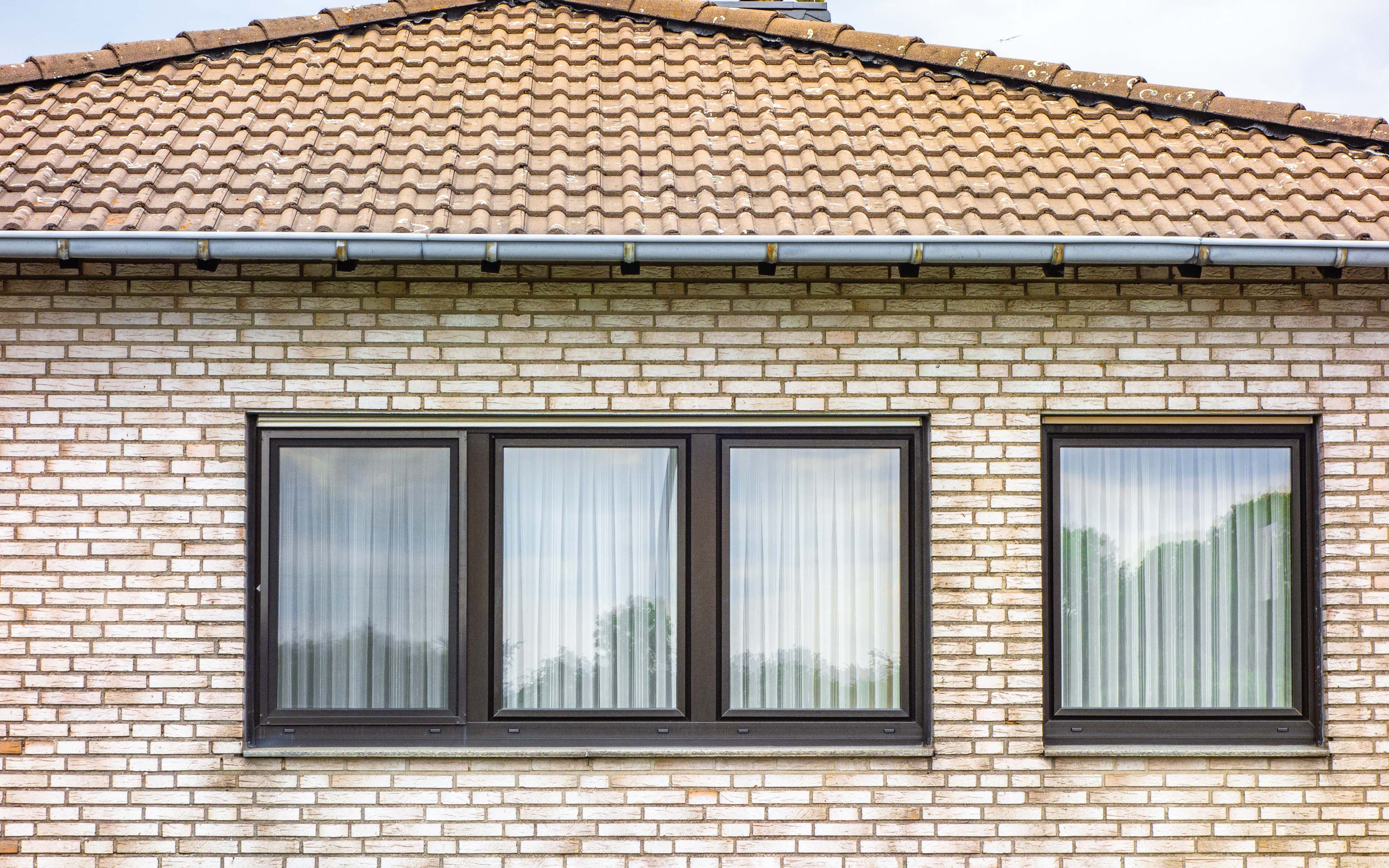
Residential home exterior with high-quality aluminum windows featuring durable frames and energy-efficient design

Choosing the right aluminum windows is one of the most important decisions in any home construction or renovation project. Whether you are upgrading an existing property or building a new home, selecting high-quality aluminium systems can significantly improve energy efficiency, comfort, durability, and overall aesthetics.

Modern aluminum windows are no longer just a design feature, they are a key structural and performance component in today’s homes. With advanced extrusion techniques, high-performance glass, and improved thermal insulation systems, they are engineered to perform well in various climate conditions while maintaining a sleek, contemporary appearance.

For homeowners, understanding what defines quality aluminum windows ensures a smarter investment and long-term value.

Quick Answers for Buying Aluminum Windows

  • What makes aluminum windows high quality?
    High-quality aluminum windows feature precision extrusion frames, energy-efficient glass, durable finishes, and advanced sealing systems that improve insulation and performance.
  • Are aluminum windows suitable for all climate conditions?
    Yes, when designed with proper thermal insulation and glazing, aluminum windows perform well in both hot and cold climate environments.
  • Do aluminum windows improve energy efficiency?
    Yes, they reduce heat transfer, regulate indoor temperature, and help lower overall energy consumption.
  • Which styles offer the best ventilation?
    Casement window and awning styles provide excellent ventilation, while single hung window options are ideal for smaller spaces.

Why Aluminum Windows Are a Popular Choice in Modern Home Construction

Aluminum windows are widely used in modern home construction because they combine strength, durability, and modern design. Their slim frames allow for larger glass panels, which enhance natural light and create open, airy spaces.

They are commonly used in:

  • living room areas with large wall openings
  • kitchen spaces that require durability and ventilation
  • patio installations for seamless indoor-outdoor flow
  • integrated windows and doors systems

Their clean appearance makes them a perfect match for modern architectural style homes, where minimalism and functionality are key.

Additionally, aluminum is environmentally friendly and supports sustainability through recycling. This reduces waste and lowers the overall environmental impact, making it a preferred building material.

Key Features of High-Quality Aluminum Windows

When buying aluminum windows, it is essential to focus on features that directly impact performance, longevity, and efficiency.

1. Frame Strength and Extrusion Technology

The strength of aluminum windows starts with the manufacturing process. High-quality frames are produced using advanced extrusion methods, which ensure consistent thickness and structural integrity.

A well-constructed frame should:

  • resist corrosion and moisture
  • withstand extreme climate conditions
  • maintain durability over time

Aluminum’s natural toughness allows it to support larger glass panels without compromising strength.

2. Thermal Insulation and Heat Control

Thermal insulation is one of the most critical features to consider. Aluminum naturally conducts heat, so modern systems are designed to minimize this through advanced technology.

Key features include:

  • thermal break barriers inside the frame
  • insulated frame systems
  • improved sealing for temperature control

These features reduce heat transfer, improve indoor comfort, and increase energy efficiency.

3. Glass and Glazing Performance

Glass plays a major role in how well a window performs. High-quality aluminum windows use advanced glazing systems that improve insulation and reduce noise.

Look for:

  • double or triple glazing
  • low-E coatings to control heat
  • laminated glass for sound reduction

High-performance glass also helps reduce condensation and improves indoor comfort.

4. Sealing Systems and Weather Resistance

Proper sealing protects your home from air leaks, water intrusion, and environmental exposure.

High-quality systems include:

  • tight sealing around frames
  • resistance to wind and moisture
  • durable locking mechanisms

These features are especially important in areas with changing climate conditions.

5. Durable Finishes and Aesthetics

Aluminum windows are available in a range of finishes that improve both durability and design.

Powder coating is commonly used because it:

  • protects against corrosion
  • enhances aesthetics
  • ensures long-lasting color

This allows homeowners to match their windows with interior design elements and architectural style.

6. Hardware and Functional Components

High-quality hardware ensures smooth operation and long-term performance.

Important components include:

  • hinges and sliding tracks
  • locking systems for security
  • handles designed for durability

Reliable components improve usability and safety.

How Aluminum Windows Improve Energy Efficiency

Energy efficiency is a major factor when choosing aluminum windows.

Modern systems improve efficiency through:

  • reduced heat transfer
  • advanced thermal insulation
  • airtight sealing systems
  • high-performance glazing

These features help regulate indoor temperature, reduce energy consumption, and improve overall comfort.

Types of Aluminum Windows to Consider

Aluminum windows are available in different styles to suit various needs.

Common types include:

  • Casement window – ideal for ventilation and airflow
  • Awning windows – allow ventilation even during rain
  • Sliding windows – perfect for compact spaces
  • Single hung window – simple and functional
  • Picture windows – maximize natural light
  • Impact rated windows – designed for extreme climate conditions

Each type offers unique advantages depending on layout and functionality.

Matching Windows With Your Home Design

Choosing the right windows involves balancing performance with design.

Consider:

  • your architectural style
  • wall placement and layout
  • natural light requirements
  • ventilation needs

Modern homes often feature large window systems to create bright, open spaces that connect indoor and outdoor areas.

Aluminum Windows vs Other Materials

Material

Advantage

Limitation

Aluminum

Strong, modern design

Requires thermal insulation

Vinyl

Energy efficient

Less durable

Wood

Natural appearance

High maintenance

Fiberglass

Strong and stable

Higher cost


Aluminum stands out for its durability, low maintenance, and modern aesthetics.

Compliance, Code, and Quality Standards

Before purchasing aluminum windows, it is important to check for compliance with building code and quality standards.

Look for:

  • certified product class ratings
  • compliance with construction code
  • manufacturer reference specifications
  • tested performance standards

This ensures safety, durability, and long-term reliability.

Step-by-Step Guide to Choosing Aluminum Windows

Step 1: Assess Your NeedsDetermine priorities such as energy efficiency, design, and ventilation.

Step 2: Evaluate Your SpaceConsider placement in areas like the kitchen, living room, or patio.

Step 3: Compare FeaturesReview frame quality, glass options, and hardware components.

Step 4: Set a BudgetBalance upfront cost with long-term value.

Step 5: Choose a Trusted SupplierWork with a reliable provider offering quality service and support.

When Should You Upgrade Your Windows?

You should consider upgrading if your current windows:

  • allow drafts or air leaks
  • show signs of damage or wear
  • increase energy costs
  • no longer match your home design

Upgrading improves efficiency, comfort, and aesthetics.

Homeowners can explore options and view product selections from The Window Depot to find high-quality aluminum windows and doors systems.

Pro Tips for Buying Aluminum Windows

  • choose thermal insulation features to reduce heat transfer
  • invest in high-performance glass
  • prioritize professional installation
  • match window styles with your home
  • ensure compliance with building code

Frequently Asked Questions

  1. How long do aluminum windows last?
    Aluminum windows can last 20 to 30 years or more with proper maintenance. Their durable frames resist corrosion and perform well across different climate conditions.
  2. Are aluminum windows good for all climates?
    Yes, aluminum windows work well in most climates when paired with proper thermal insulation and glazing. These features help control heat transfer and maintain indoor comfort.
  3. Do aluminum windows reduce noise?
    Yes, aluminum windows with double or triple glazing help reduce outside noise. Proper sealing also improves sound insulation and indoor comfort.
  4. Are aluminum windows environmentally friendly?
    Yes, aluminum is recyclable and supports sustainability. It helps reduce waste and lowers environmental impact over time.
  5. Are aluminum windows safe?
    Yes, aluminum windows are strong and include secure locking systems. Their durability adds an extra layer of protection for homeowners.

Professional Standards and Expert Recommendations

High-quality aluminum windows are typically specified based on performance criteria used by architects, builders, and certified installers in both residential and commercial construction. Industry professionals rely on standardized testing and certification systems such as those from the National Fenestration Rating Council and the American Architectural Manufacturers Association to evaluate window performance. These standards measure key factors including thermal efficiency, air infiltration, water resistance, and structural strength under pressure.

In professional projects, window selection is guided by documented performance data rather than appearance alone. Aluminum systems that include thermal break technology, precision-engineered frames, and high-performance glazing are commonly recommended because they meet strict building code requirements and deliver consistent results in real-world conditions.

Choosing windows that align with these professional standards ensures that your investment is backed by verified performance, expert validation, and long-term reliability.

Conclusion

Buying high-quality aluminum windows requires careful evaluation of materials, performance features, and design compatibility. From extrusion and glazing to thermal insulation and sealing systems, each component plays a critical role in long-term performance.

With the right choice, aluminum windows can improve energy efficiency, enhance aesthetics, and provide lasting value for your home. Contact us!

What to Look for When Buying High-Quality Aluminum Windows

Residential home exterior with high-quality aluminum windows featuring durable frames and energy-efficient design

Choosing the right aluminum windows is one of the most important decisions in any home construction or renovation project. Whether you are upgrading an existing property or building a new home, selecting high-quality aluminium systems can significantly improve energy efficiency, comfort, durability, and overall aesthetics.

Modern aluminum windows are no longer just a design feature, they are a key structural and performance component in today’s homes. With advanced extrusion techniques, high-performance glass, and improved thermal insulation systems, they are engineered to perform well in various climate conditions while maintaining a sleek, contemporary appearance.

For homeowners, understanding what defines quality aluminum windows ensures a smarter investment and long-term value.

Quick Answers for Buying Aluminum Windows

  • What makes aluminum windows high quality?
    High-quality aluminum windows feature precision extrusion frames, energy-efficient glass, durable finishes, and advanced sealing systems that improve insulation and performance.
  • Are aluminum windows suitable for all climate conditions?
    Yes, when designed with proper thermal insulation and glazing, aluminum windows perform well in both hot and cold climate environments.
  • Do aluminum windows improve energy efficiency?
    Yes, they reduce heat transfer, regulate indoor temperature, and help lower overall energy consumption.
  • Which styles offer the best ventilation?
    Casement window and awning styles provide excellent ventilation, while single hung window options are ideal for smaller spaces.

Why Aluminum Windows Are a Popular Choice in Modern Home Construction

Aluminum windows are widely used in modern home construction because they combine strength, durability, and modern design. Their slim frames allow for larger glass panels, which enhance natural light and create open, airy spaces.

They are commonly used in:

  • living room areas with large wall openings
  • kitchen spaces that require durability and ventilation
  • patio installations for seamless indoor-outdoor flow
  • integrated windows and doors systems

Their clean appearance makes them a perfect match for modern architectural style homes, where minimalism and functionality are key.

Additionally, aluminum is environmentally friendly and supports sustainability through recycling. This reduces waste and lowers the overall environmental impact, making it a preferred building material.

Key Features of High-Quality Aluminum Windows

When buying aluminum windows, it is essential to focus on features that directly impact performance, longevity, and efficiency.

1. Frame Strength and Extrusion Technology

The strength of aluminum windows starts with the manufacturing process. High-quality frames are produced using advanced extrusion methods, which ensure consistent thickness and structural integrity.

A well-constructed frame should:

  • resist corrosion and moisture
  • withstand extreme climate conditions
  • maintain durability over time

Aluminum’s natural toughness allows it to support larger glass panels without compromising strength.

2. Thermal Insulation and Heat Control

Thermal insulation is one of the most critical features to consider. Aluminum naturally conducts heat, so modern systems are designed to minimize this through advanced technology.

Key features include:

  • thermal break barriers inside the frame
  • insulated frame systems
  • improved sealing for temperature control

These features reduce heat transfer, improve indoor comfort, and increase energy efficiency.

3. Glass and Glazing Performance

Glass plays a major role in how well a window performs. High-quality aluminum windows use advanced glazing systems that improve insulation and reduce noise.

Look for:

  • double or triple glazing
  • low-E coatings to control heat
  • laminated glass for sound reduction

High-performance glass also helps reduce condensation and improves indoor comfort.

4. Sealing Systems and Weather Resistance

Proper sealing protects your home from air leaks, water intrusion, and environmental exposure.

High-quality systems include:

  • tight sealing around frames
  • resistance to wind and moisture
  • durable locking mechanisms

These features are especially important in areas with changing climate conditions.

5. Durable Finishes and Aesthetics

Aluminum windows are available in a range of finishes that improve both durability and design.

Powder coating is commonly used because it:

  • protects against corrosion
  • enhances aesthetics
  • ensures long-lasting color

This allows homeowners to match their windows with interior design elements and architectural style.

6. Hardware and Functional Components

High-quality hardware ensures smooth operation and long-term performance.

Important components include:

  • hinges and sliding tracks
  • locking systems for security
  • handles designed for durability

Reliable components improve usability and safety.

How Aluminum Windows Improve Energy Efficiency

Energy efficiency is a major factor when choosing aluminum windows.

Modern systems improve efficiency through:

  • reduced heat transfer
  • advanced thermal insulation
  • airtight sealing systems
  • high-performance glazing

These features help regulate indoor temperature, reduce energy consumption, and improve overall comfort.

Types of Aluminum Windows to Consider

Aluminum windows are available in different styles to suit various needs.

Common types include:

  • Casement window – ideal for ventilation and airflow
  • Awning windows – allow ventilation even during rain
  • Sliding windows – perfect for compact spaces
  • Single hung window – simple and functional
  • Picture windows – maximize natural light
  • Impact rated windows – designed for extreme climate conditions

Each type offers unique advantages depending on layout and functionality.

Matching Windows With Your Home Design

Choosing the right windows involves balancing performance with design.

Consider:

  • your architectural style
  • wall placement and layout
  • natural light requirements
  • ventilation needs

Modern homes often feature large window systems to create bright, open spaces that connect indoor and outdoor areas.

Aluminum Windows vs Other Materials

Material

Advantage

Limitation

Aluminum

Strong, modern design

Requires thermal insulation

Vinyl

Energy efficient

Less durable

Wood

Natural appearance

High maintenance

Fiberglass

Strong and stable

Higher cost


Aluminum stands out for its durability, low maintenance, and modern aesthetics.

Compliance, Code, and Quality Standards

Before purchasing aluminum windows, it is important to check for compliance with building code and quality standards.

Look for:

  • certified product class ratings
  • compliance with construction code
  • manufacturer reference specifications
  • tested performance standards

This ensures safety, durability, and long-term reliability.

Step-by-Step Guide to Choosing Aluminum Windows

Step 1: Assess Your NeedsDetermine priorities such as energy efficiency, design, and ventilation.

Step 2: Evaluate Your SpaceConsider placement in areas like the kitchen, living room, or patio.

Step 3: Compare FeaturesReview frame quality, glass options, and hardware components.

Step 4: Set a BudgetBalance upfront cost with long-term value.

Step 5: Choose a Trusted SupplierWork with a reliable provider offering quality service and support.

When Should You Upgrade Your Windows?

You should consider upgrading if your current windows:

  • allow drafts or air leaks
  • show signs of damage or wear
  • increase energy costs
  • no longer match your home design

Upgrading improves efficiency, comfort, and aesthetics.

Homeowners can explore options and view product selections from The Window Depot to find high-quality aluminum windows and doors systems.

Pro Tips for Buying Aluminum Windows

  • choose thermal insulation features to reduce heat transfer
  • invest in high-performance glass
  • prioritize professional installation
  • match window styles with your home
  • ensure compliance with building code

Frequently Asked Questions

  1. How long do aluminum windows last?
    Aluminum windows can last 20 to 30 years or more with proper maintenance. Their durable frames resist corrosion and perform well across different climate conditions.
  2. Are aluminum windows good for all climates?
    Yes, aluminum windows work well in most climates when paired with proper thermal insulation and glazing. These features help control heat transfer and maintain indoor comfort.
  3. Do aluminum windows reduce noise?
    Yes, aluminum windows with double or triple glazing help reduce outside noise. Proper sealing also improves sound insulation and indoor comfort.
  4. Are aluminum windows environmentally friendly?
    Yes, aluminum is recyclable and supports sustainability. It helps reduce waste and lowers environmental impact over time.
  5. Are aluminum windows safe?
    Yes, aluminum windows are strong and include secure locking systems. Their durability adds an extra layer of protection for homeowners.

Professional Standards and Expert Recommendations

High-quality aluminum windows are typically specified based on performance criteria used by architects, builders, and certified installers in both residential and commercial construction. Industry professionals rely on standardized testing and certification systems such as those from the National Fenestration Rating Council and the American Architectural Manufacturers Association to evaluate window performance. These standards measure key factors including thermal efficiency, air infiltration, water resistance, and structural strength under pressure.

In professional projects, window selection is guided by documented performance data rather than appearance alone. Aluminum systems that include thermal break technology, precision-engineered frames, and high-performance glazing are commonly recommended because they meet strict building code requirements and deliver consistent results in real-world conditions.

Choosing windows that align with these professional standards ensures that your investment is backed by verified performance, expert validation, and long-term reliability.

Conclusion

Buying high-quality aluminum windows requires careful evaluation of materials, performance features, and design compatibility. From extrusion and glazing to thermal insulation and sealing systems, each component plays a critical role in long-term performance.

With the right choice, aluminum windows can improve energy efficiency, enhance aesthetics, and provide lasting value for your home. Contact us!

SEARCH ×