
Choosing Windows for Phoenix Homes, Desert Heat and Energy Efficiency

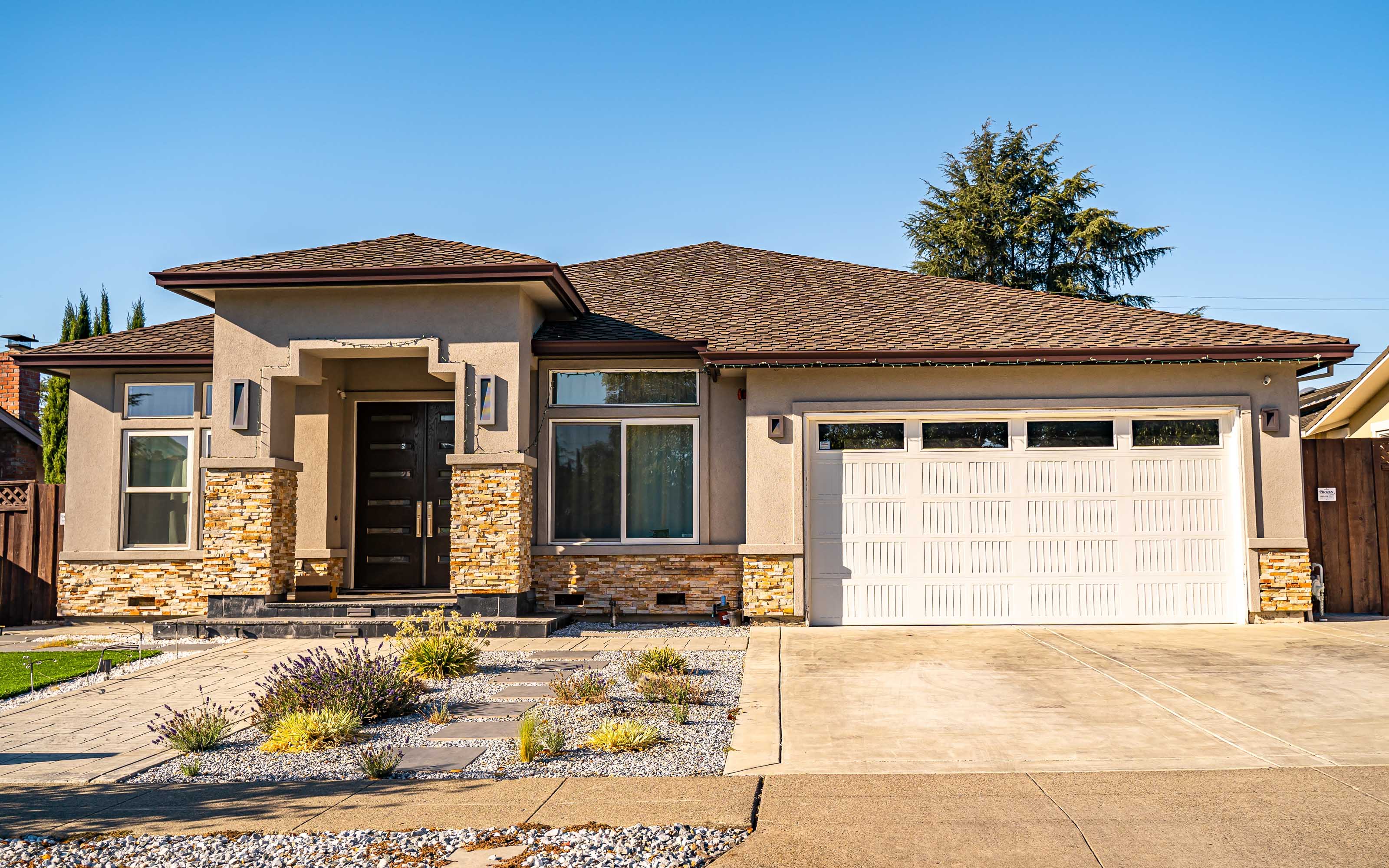
Living in Phoenix means living with extreme heat, intense sunlight, and long cooling seasons that place constant pressure on your home’s envelope. Among all exterior components, windows play one of the biggest roles in determining indoor comfort, energy efficiency, and long-term maintenance costs.
Choosing the right windows for Phoenix homes is not just a design decision. It is a performance decision that directly affects cooling bills, interior comfort, and how well your home holds up under desert conditions year after year. This guide explains how desert heat and UV exposure affect window performance, what features matter most, and how homeowners can make informed choices that support comfort and efficiency in 2026 and beyond.
Why Phoenix’s desert climate creates unique challenges for windows
Phoenix experiences prolonged periods of extreme heat, with summer temperatures often exceeding 100 degrees for weeks at a time. The sun’s intensity is also higher due to clear skies and low humidity, which increases solar radiation entering the home.
Windows are a major source of heat gain. When windows are not designed for desert conditions, sunlight passes through the glass and converts to heat inside the home. This forces air conditioning systems to work harder and longer, leading to higher energy bills and uneven indoor temperatures.
In a desert climate, windows must do more than provide views and natural light. They must actively reduce heat transfer and block harmful radiation.
How desert heat affects indoor comfort and energy use
Heat enters homes through windows in two primary ways: direct solar radiation and conductive heat transfer.
Direct sunlight is the biggest concern in Phoenix. Sunlight entering through untreated or outdated glass can significantly raise indoor temperatures, especially in rooms with south- or west-facing windows. This often creates hot spots near windows and makes certain rooms uncomfortable during peak afternoon hours.
Windows designed for hot climates reduce solar heat gain, helping homes maintain more consistent indoor temperatures and reducing the workload on cooling systems.
Why UV protection is critical for Phoenix homes
UV radiation is stronger in desert regions and affects more than just temperature.
Ultraviolet rays can cause:
- Fading of flooring, furniture, and cabinetry
- Damage to artwork, fabrics, and window treatments
- Premature aging of interior finishes
Windows without adequate UV protection allow these rays to pass through even when the glass appears tinted. Modern window technologies block a high percentage of UV radiation while still allowing visible light into the home. This protects interiors and helps maintain a bright, comfortable living environment.
Why energy efficiency matters more in Phoenix than many other regions
Cooling costs account for a large portion of household energy use in Phoenix. Small improvements in window performance can lead to noticeable reductions in energy consumption over time.
Energy-efficient windows:
- Reduce heat gain during peak summer months
- Help maintain consistent indoor temperatures
- Reduce strain on air conditioning systems
- Support long-term HVAC efficiency and lifespan
In desert climates, energy efficiency is not a luxury feature. It is a necessity for long-term affordability and comfort.
Which window glass technologies work best in desert climates?
Glass selection is one of the most important decisions when choosing windows for Phoenix homes.
Low-E glass coatings
Low-emissivity coatings reflect infrared heat away from the home while allowing visible light to pass through. This reduces solar heat gain without making interiors feel dark.
Double- and triple-pane glass
Multi-pane windows create insulating layers that slow heat transfer. Double-pane windows are common in Phoenix, while triple-pane windows offer additional insulation for homeowners prioritizing maximum efficiency.
Gas-filled panes
Argon or krypton gas between panes improves insulation and reduces heat movement through the window.
Together, these technologies significantly improve window performance in extreme heat.
How window frame materials perform in Phoenix heat
Frame materials affect how much heat is transferred around the glass.
Vinyl frames
Vinyl windows are popular in Phoenix due to their thermal resistance, durability, and low maintenance needs. They do not conduct heat easily and resist warping when properly manufactured.
Aluminum frames
Aluminum is strong and lightweight, but conducts heat. Modern aluminum windows with thermal breaks perform much better than older designs and are often chosen for contemporary homes.
Fiberglass frames
Fiberglass offers excellent strength, dimensional stability, and thermal performance, making it well-suited for desert climates.
Choosing the right frame material helps maintain energy efficiency over time.
How window orientation affects performance in Phoenix homes
Not all windows receive the same amount of sun exposure.
South- and west-facing windows receive the most direct sunlight and contribute the most to heat gain. These windows benefit the most from advanced Low-E coatings and lower Solar Heat Gain Coefficient ratings.
North-facing windows typically receive indirect light and experience less heat gain, allowing for more flexibility in glass selection.
Understanding orientation helps homeowners prioritize upgrades and maximize return on investment.
Which window styles seal best against heat and air leakage?
Window style impacts how tightly a window seals when closed.
Casement windows compress tightly against the frame, reducing air leakage. Sliding windows are common but may allow more air infiltration if not properly designed. Fixed windows offer excellent efficiency when combined with operable windows for ventilation.
Minimizing air leaks is especially important in hot climates where cooled air must be retained indoors.
How to use energy ratings when comparing windows
Energy ratings help homeowners compare window performance objectively.
Important ratings include:
- Solar Heat Gain Coefficient: lower values reduce heat entry
- U-Factor: lower values indicate better insulation
- Visible Transmittance balances light with solar control
In Phoenix, prioritizing a low Solar Heat Gain Coefficient is especially important for reducing cooling loads.
When Phoenix homeowners should consider window replacement
Older windows often lack modern energy-saving features.
Signs it may be time to replace windows include:
- Excessive heat near windows
- Uneven indoor temperatures
- Rising cooling costs
- Faded interior furnishings
- Drafts or difficulty operating windows
Replacing outdated windows can significantly improve comfort and efficiency in desert climates.
Where homeowners can explore window options designed for desert conditions
Comparing window materials, glass technologies, and energy ratings before making a decision helps homeowners choose products suited for desert living. The Window Depot provides helpful information on window solutions designed to handle Phoenix heat, UV exposure, and energy efficiency demands, allowing homeowners to evaluate options based on performance and long-term value.
What Phoenix homeowners should consider before installing new windows
Before installation, it is important to evaluate:
- Sun exposure by window orientation
- Current cooling costs and comfort issues
- Desired balance of natural light and heat control
- Maintenance preferences
- Budget and long-term efficiency goals
Matching window performance to desert conditions helps ensure lasting comfort and energy savings.
Frequently Asked Questions
What glass is best for Phoenix heat?
Low-E coated, double- or triple-pane glass performs best in desert climates.
Do energy-efficient windows really reduce cooling bills?
Yes. High-performance windows significantly reduce heat gain and cooling demand.
Are vinyl windows durable in extreme heat?
Yes. Quality vinyl windows are designed to withstand high temperatures with minimal maintenance.
How important is UV protection for windows?
Very important. UV protection helps prevent fading and interior damage.
How long do quality windows last in Phoenix?
With proper installation, quality windows can last 20 to 30 years or longer.
Choosing Windows for Phoenix Homes, Desert Heat and Energy Efficiency