
What Is the Best Caulk for Windows and Doors in Desert Heat?

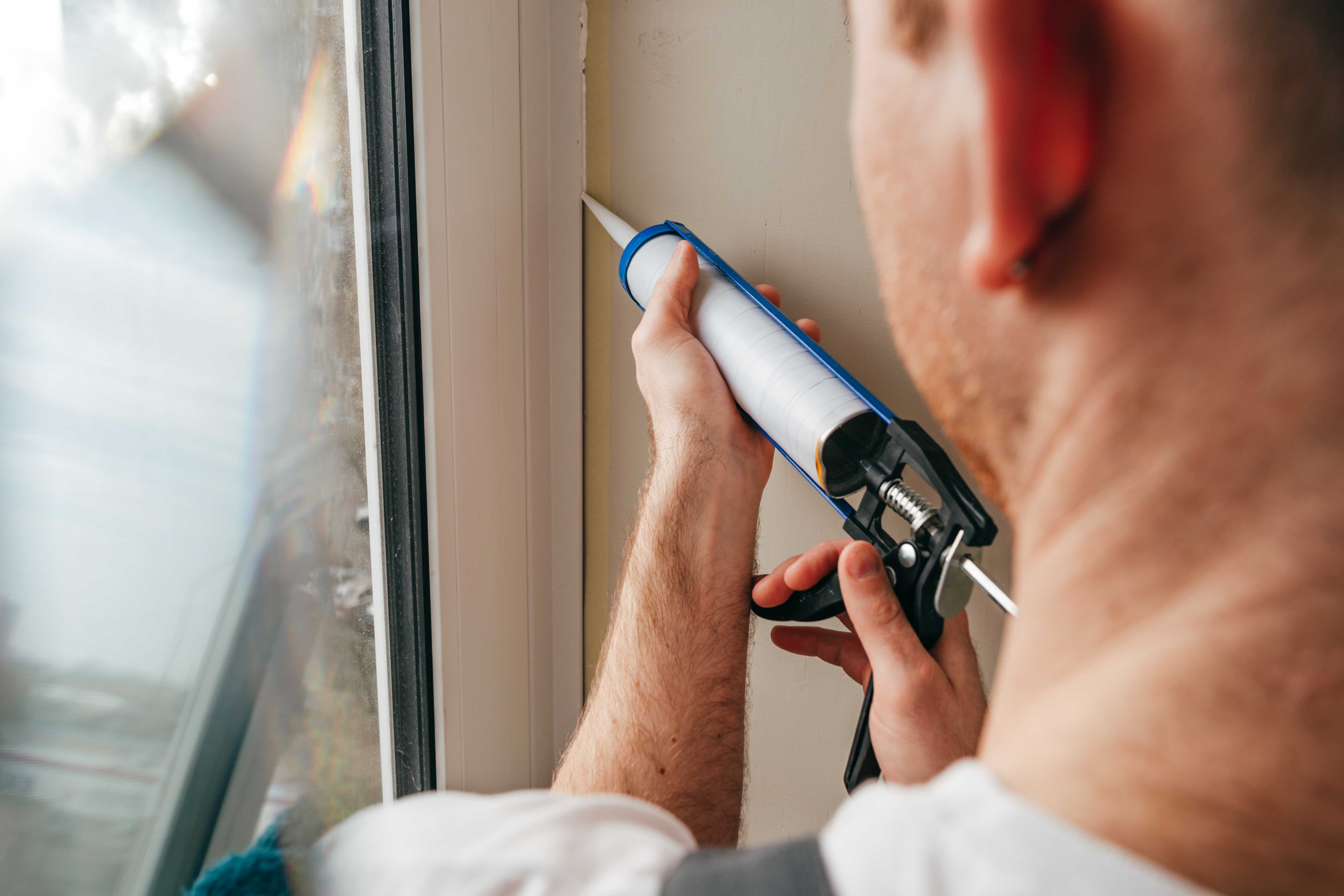
The best caulk for windows and doors in desert heat is a flexible, UV-resistant exterior sealant rated for the frame materials and temperature conditions. Silicone is often a strong choice for exposed exterior joints, while paintable acrylic and polyurethane sealants can work for specific applications when their product labels confirm suitability.
The Window Depot stocks exterior caulk and sealants, including paintable and heat-resistant options, at its stores in Tucson, Phoenix, Chandler, Surprise, El Paso, Albuquerque and National City. Intense sun and big swings between afternoon heat and cool nights put real stress on window and door seals, so the product you pick and when you apply it both matter
What Is the Best Caulk for Windows in Desert Heat?
For exterior window and door joints exposed to intense sunlight, choose a sealant specifically labeled for exterior use, with good UV resistance and enough flexibility to accommodate normal expansion and contraction.
Silicone is a common choice for weather-exposed joints because it remains flexible and resists sunlight and moisture. Paintable acrylic sealants can be useful around trim that needs a painted finish, while polyurethane may suit certain joints between compatible building materials, including masonry and window surrounds.
No single caulk is best for every window. Before buying, check the product label for:
- Exterior-use suitability
- UV and weather resistance
- Compatibility with the frame and surrounding materials
- Movement capability
- Application and service temperature ranges
- Paintability and curing requirements
Silicone vs. Acrylic vs. Polyurethane Caulk: Which Is Best?
The three main sealant types have different strengths. Matching the product to the joint helps reduce the risk of premature cracking, peeling, and gaps around the frame.
|
Caulk Type |
Main Advantages |
Paintable? |
Common Applications |
|
Silicone |
Flexible, weather-resistant, and generally UV-resistant |
Usually not |
Exposed exterior joints around compatible window and door frames |
|
Acrylic or siliconized acrylic |
Easy to apply and clean up, with paintable options |
Usually, if specified on the label |
Trim and smaller gaps that need a painted finish |
|
Polyurethane |
Strong adhesion and flexibility, depending on formulation |
Often, but verify the label |
Suitable exterior joints between compatible building materials |
Is Silicone Caulk Best for Exposed Exterior Joints?
Silicone is often a good option for exterior window and door joints that experience intense sunlight, rain, and temperature changes. Its flexibility helps it accommodate normal movement without becoming brittle as quickly as some less flexible products.
Silicone is available in clear and colored finishes, which can help the seal blend with the frame.
Its main limitation is paintability. Standard silicone generally does not accept paint reliably, so choose an appropriate color before application. Adhesion also varies by surface, and some materials require a specific sealant or primer.
Is Acrylic Caulk Better When You Need a Paintable Finish?
Acrylic and siliconized acrylic caulks are useful when the joint around a window or door needs to match painted trim. They are generally easier to tool and clean up than silicone or polyurethane products.
However, not every acrylic caulk is suitable for exposed desert conditions. Choose a formulation specifically rated for exterior use and the expected movement of the joint. Basic interior acrylic caulk may crack or deteriorate outdoors when conditions exceed its intended performance.
Allow the sealant to cure as directed before painting or exposing it to moisture. The product label should specify the required waiting time.
When Should You Use Polyurethane Caulk?
Polyurethane sealants can provide strong adhesion and flexibility for joints between compatible materials, such as masonry and some window-frame surrounds. They may be appropriate where a joint needs to accommodate movement and the finished surface will be painted.
Performance depends on the specific formulation. Some products have restrictions on UV exposure, compatible substrates, or finishing coats, so check the technical instructions before using one in direct desert sunlight.
Polyurethane can also be harder to clean up than water-based acrylic products. Careful application and surface preparation are important.
What Does Heat-Resistant Caulk Mean?
Heat resistance can refer to a sealant's ability to withstand high temperatures during service or to remain durable under intense sunlight and daily temperature changes.
For windows and doors in Arizona and other desert climates, the second concern is especially important. A sealant may be exposed to hot frame surfaces during the day, followed by cooler temperatures at night. The surrounding materials can expand and contract, placing stress on the seal.
When choosing a product, check these details:
- Service temperature: The temperature range the cured sealant is designed to withstand.
- UV resistance: Its ability to withstand prolonged exposure to sunlight.
- Movement capability: How much expansion and contraction the sealant can accommodate.
- Application temperature: The temperatures permitted while applying and curing the product.
A sealant labeled for very high temperatures is not automatically the best option for an exterior window. Products designed for ovens, fireplaces, or specialized high-temperature applications may not be intended for ordinary window-frame joints.
Choose a product labeled for window and door sealing, exterior weather exposure, and the materials you are joining. Contractors sealing multiple openings can check each sealant's technical data sheet for movement class and substrate compatibility before buying in quantity.
Should You Use Paintable or Non-Paintable Caulk Around Windows?
The choice depends on where the joint is located and how it will be finished.
Use paintable caulk when the joint is part of a painted trim system and the sealant is compatible with the expected outdoor conditions. This is often useful around paintable wood trim and other approved surfaces.
Non-paintable silicone can be a better fit for exposed joints where weather resistance and flexibility are priorities. Because paint generally will not adhere reliably to standard silicone, select a color that complements the frame.
Before applying either type, check whether the sealant is compatible with the frame material and any existing coating. Painted surfaces should be sound, clean, and dry. Follow the manufacturer's instructions for any required primer.
When Should You Recaulk Windows and Doors?
There is no universal schedule for recaulking. The lifespan of a seal depends on the product, sun exposure, joint movement, installation quality, and condition of the surrounding materials.
Inspect the seals periodically, especially each spring, before summer heat and monsoon season in Arizona, El Paso and Albuquerque.
Look for these warning signs:
- Cracks or splits in the caulk bead
- Sealant that has pulled away from the frame or wall
- Gaps that expose the joint to dust, wind, or moisture
- Brittle, loose, or visibly deteriorated material
- Drafts or water intrusion around a closed window or door
Discoloration alone does not always mean a seal has failed. Check whether the caulk remains firmly attached and whether the joint is continuous.
If the seal is damaged, remove the failed material and prepare the joint before applying a compatible replacement. Simply spreading new caulk over loose or cracked material can leave gaps underneath and lead to another failure.
Do not seal over window weep holes or drainage openings. These openings allow water to escape from parts of the window assembly, and blocking them can cause water to collect where it should drain.
How Can You Apply Caulk Around Windows in Desert Heat?
Even a high-quality sealant can fail if it is applied to a dirty surface or under unsuitable conditions. Follow the product instructions and take these steps for a more durable result.
1. Check the Weather and Surface Temperature
Avoid applying caulk to a frame that is excessively hot from direct sunlight. High surface temperatures can affect how the sealant flows, adheres, and cures.
Choose a suitable time when the surfaces are within the manufacturer's permitted application-temperature range. The air temperature alone may not reflect how hot a sunlit frame has become.
2. Remove Old, Failed Caulk
Cut away loose or deteriorated sealant carefully. Avoid damaging the window frame, surrounding finish, or weather barriers.
The joint should be suitable for the new sealant. Some products are not compatible with residue from other sealant types, so remove old material as directed.
3. Clean and Dry the Joint
Remove dust, dirt, loose paint, and debris. Desert conditions can leave fine dust on surfaces, which may prevent proper adhesion.
Use a cleaning method appropriate for the frame material and allow the joint to dry completely when required. Follow any instructions concerning primers or surface preparation.
4. Apply a Consistent Bead
Cut the nozzle to suit the joint width and apply a continuous bead without leaving gaps. Use a compatible backer rod if the joint is too deep and the sealant manufacturer's instructions call for one.
Tool the bead as directed to ensure good contact with the joint surfaces. Avoid spreading sealant across drainage openings or parts that must remain operable.
5. Allow the Sealant to Cure
Protect the new bead from dust, water, and disturbance during curing. Drying time and full cure are not always the same, and hot weather can change the working time.
Follow the manufacturer's instructions before painting, cleaning the area, or exposing the sealant to water.
Can Recaulking Fix Drafty Windows and Doors?
Recaulking can help when air is entering through a failed exterior joint between the window frame and the surrounding wall or trim. It can also help address certain gaps around door frames.
Air sealing is a practical home-maintenance measure. Current ENERGY STAR guidance states that sealing air leaks and adding insulation can reduce annual energy bills by up to 10%, although actual savings depend on the home and the improvements made.
However, drafts can have other causes, including worn weatherstripping, a poorly adjusted sash, damaged seals between glass panes, or gaps concealed behind the frame. Caulk will not correct every one of these problems.
Inspect where the air is entering before deciding what to seal. If the window itself is damaged or no longer closes properly, repair or replacement may be necessary. Homeowners considering replacement can explore vinyl window options for their project.
Frequently Asked Questions
What Is the Best Caulk for Windows in Arizona?
A flexible, UV-resistant exterior sealant rated for the window-frame materials is a good starting point. Silicone often suits exposed exterior joints, while paintable products may be appropriate for compatible trim. Check the product's temperature and movement specifications before use.
Is Silicone or Acrylic Caulk Better for Desert Heat?
Silicone is often preferable for exposed weather joints because of its flexibility and UV resistance. Acrylic can be a better choice where paintability matters, provided the specific product is rated for exterior exposure and the joint's movement.
Can You Apply Caulk in Direct Sunlight?
Avoid applying caulk to excessively hot surfaces. Direct sunlight can raise the frame temperature beyond the product's permitted application range and shorten working time. Follow the label and choose a suitable time of day.
How Often Should You Recaulk Windows?
Inspect window seals regularly rather than relying on a fixed replacement interval. Recaulk when the existing seal is cracked, detached, or no longer continuous, after identifying the cause of the failure.
Should You Caulk the Inside and Outside of a Window?
It depends on the window design and intended sealing system. Interior and exterior joints serve different purposes, and some assemblies need to manage moisture and drainage in specific ways. Follow the window manufacturer's instructions and never block weep holes or drainage paths.
Conclusion: How Do You Choose the Best Caulk for Windows in Desert Heat?
The best caulk for windows in desert heat depends on the joint, the surface material, and the conditions the seal must withstand. Silicone, acrylic, and polyurethane can all be useful when matched to the correct application, but no product can compensate for poor preparation or an unsuitable joint design.
Check the product's exterior rating, UV resistance, movement capability, and temperature requirements before applying it. For additional guidance on choosing windows for hot, sunny conditions, read our guide to energy-efficient windows for hot climates.
To pick up caulk and sealants or talk through your project in person, visit The Window Depot in Tucson, Phoenix, Chandler, Surprise, El Paso, Albuquerque or National City. Use The Window Depot store locator to find a nearby location.
What Is the Best Caulk for Windows and Doors in Desert Heat?