
Window Screen Types: Fiberglass, Aluminum, and Pet-Resistant Options

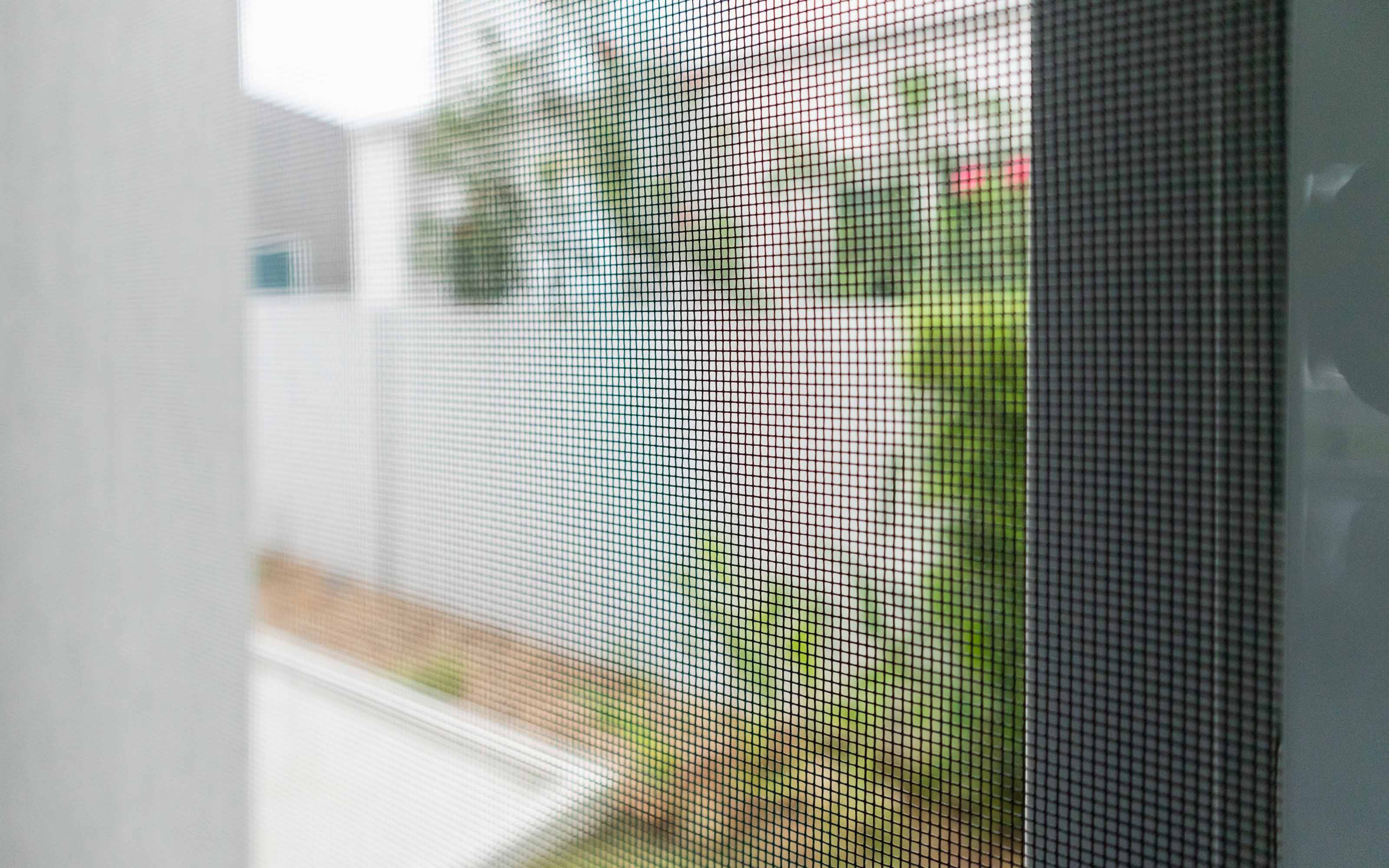
Window screens rarely get much attention until one tears, sags, or gets clawed through by a curious pet. The material behind that screen mesh makes a bigger difference than most homeowners realize, affecting everything from visibility and airflow to durability and maintenance. At The Window Depot, we help homeowners compare fiberglass, aluminum, and pet-resistant window screens so they can choose the best option for their home's needs, lifestyle, and budget.
Quick Answers for Window Screen Types
- What's the most common window screen material?
Fiberglass is the most widely used residential screen material because it offers a good balance of affordability, flexibility, and visibility. - Is aluminum screen stronger than fiberglass?
Yes. Aluminum screening is more rigid and resistant to punctures and sagging over time, though it can dent or crease if bent, unlike fiberglass, which flexes back into shape. - What makes pet-resistant screens different?
Pet-resistant screens use thicker vinyl-coated polyester threads, making them significantly stronger and more resistant to scratches and tears from claws than standard fiberglass or aluminum. - Does screen material affect visibility?
Yes. Darker finishes, especially charcoal or black aluminum, tend to offer the clearest outward view, while standard silver-gray fiberglass is more visible but slightly hazier. - How long do window screens typically last?
Fiberglass screens generally last 8 to 10 years under normal conditions, while aluminum and specialty screens can last longer depending on climate and exposure. - Can I get a screen that blocks heat as well as insects?
Yes. Solar or sun screens use a tighter weave designed to block a significant percentage of solar heat gain, in addition to standard insect protection.
What Is a Fiberglass Window Screen?
Fiberglass window screen is made from woven glass fiber threads coated in vinyl, giving the material flexibility without sacrificing durability. It's the standard choice for most new construction and replacement window screens because it balances cost, visibility, and ease of installation better than most alternatives. Fiberglass won't rust, corrode, or stain, and because it's flexible, it tends to bounce back into shape rather than holding a crease or dent the way metal screening can.
Standard fiberglass screen typically uses an 18x16 mesh count, meaning 18 threads per inch run one direction and 16 threads run the other. This mesh size blocks common household insects while still allowing solid airflow through the window. Charcoal is generally the most popular fiberglass color, since it tends to offer better outward visibility than the lighter silver-gray option.
What Is an Aluminum Window Screen?
The aluminum window screen is woven from thin aluminum wire rather than coated glass fiber, which makes it more rigid and resistant to punctures than fiberglass. Because it holds its shape well and resists sagging over time, aluminum has historically been a popular choice for screen doors and larger openings that see more regular use.
The tradeoff is that aluminum can dent or crease if bent sharply, and unlike fiberglass, it won't spring back into its original shape once that happens. Aluminum screen is available in several finishes, including bright, charcoal, and black, with the darker finishes generally offering better outward visibility by reducing glare on the mesh itself.
What Makes Pet-Resistant Screens Different?
Pet-resistant screens are built specifically to hold up against scratching, clawing, and general wear from dogs and cats, which standard fiberglass and aluminum screens aren't designed to handle. Rather than glass fiber or aluminum wire, pet-resistant screens typically use a heavier vinyl-coated polyester thread, which is thicker and more elastic than standard screening material.
This added strength does come with tradeoffs. Pet-resistant screens tend to have a slightly less refined appearance than standard fiberglass, since the thicker threads are more visible up close, and they generally cost more per square foot. For households with pets that regularly interact with window screens, though, the reduced need for frequent screen replacement can offset that higher upfront cost over time.
How Does Mesh Count Affect Screen Performance?
Mesh count refers to the number of threads woven per inch in each direction, and it directly affects both insect protection and airflow. Standard window and door screens typically use an 18x16 mesh, which blocks common insects like flies and mosquitoes while maintaining good ventilation and visibility. For homes dealing with smaller biting insects, sometimes called no-see-ums, a tighter 20x20 mesh is generally more effective, though the denser weave slightly reduces both airflow and outward visibility compared to standard mesh.
Choosing the right mesh count is really about matching the screen to the specific pest pressure in your area rather than assuming a tighter weave is automatically better, since a denser mesh does trade off some airflow and visibility to gain that extra insect protection.
Are There Screens Designed for Sun and Heat Control?
Yes. Solar, or sun, screens use a tighter, more specialized weave designed to block a significant percentage of solar heat gain before it ever reaches the window glass. These screens are especially useful on windows that receive intense, direct afternoon sun, since they can meaningfully reduce indoor heat buildup and glare while still allowing airflow and a filtered view to the outside.
Solar screens do reduce visibility more than standard insect screening, since the tighter weave that blocks heat also blocks more light. For homeowners in hot, sun-intensive climates, this tradeoff is often worth it on west- and south-facing windows in particular, where heat gain tends to be the most significant.
Which Screen Material Is Right for Your Climate?
Climate plays a real role in which screen material makes the most sense long term. In hot, dry, sun-intensive regions, UV exposure over many years can affect any screen material to some degree, though vinyl-coated fiberglass and aluminum both hold up reasonably well compared to uncoated materials. In coastal areas, corrosion resistance becomes more important, so homeowners may consider specialty screen materials designed for harsh coastal environments.
For most inland, arid climates, standard fiberglass or aluminum screening performs well without needing a specialty material, making solar screens a more relevant upgrade for heat control than a switch to coastal-grade metals.
Retractable vs. Fixed Window Screens: Which Is Better?
Beyond material, screens also come in different frame styles, and this is a separate decision from choosing fiberglass, aluminum, or pet-resistant mesh. Fixed screens are the traditional option, mounted permanently in a frame that stays in place over the window opening year-round. They're simple, affordable, and require no ongoing operation, which makes them the default choice for most residential windows.
Retractable screens work differently, rolling into a small housing at the side or top of the window frame when not in use, similar to how a roller shade operates. This lets a homeowner have full, unobstructed glass when the screen isn't needed, then pull it into place for ventilation. Retractable screens tend to cost more than fixed screens and involve more moving parts, which means slightly more maintenance over time, but many homeowners find the flexibility worthwhile, especially on frequently used windows or doors where an unobstructed view matters part of the day.
Fixed screens remain the more practical, budget-friendly choice for most windows, while retractable screens are worth considering for statement windows, patio doors, or any opening where you want the option to remove the screen from view without physically taking it out.
How Are Window Screens Installed, and Can You Do It Yourself?
Most window screens use a simple frame-and-spline system: the mesh is laid over an aluminum frame, then a rubber spline is pressed into a groove around the frame's perimeter, locking the mesh in place under tension. This is a fairly accessible DIY project for a standard fixed screen, requiring a spline roller tool, replacement mesh, and a bit of patience to keep the tension even while pressing the spline into place.
Re-screening an existing frame yourself is often the most affordable way to fix a torn or sagging screen, since the frame itself typically doesn't need replacing, only the mesh. That said, custom-sized screens, screens for oddly shaped windows, or retractable screen systems generally involve more specialized hardware and are usually better handled by a professional installer, particularly if the existing frame is damaged or warped.
What Are Common Window Screen Problems, and How Do You Fix Them?
Sagging is one of the most frequent screen issues, usually caused by mesh that wasn't installed with enough tension, or fiberglass that has stretched slightly over years of heat exposure. In most cases, sagging can be fixed by re-stretching and re-splining the existing mesh, or replacing it if the material has become brittle or discolored.
Small tears and punctures are common with pet-resistant needs in mind but can happen to any screen material. Fiberglass and pet-resistant mesh can sometimes be patched with a small adhesive screen repair kit for minor damage, though larger tears usually call for replacing that panel's mesh entirely. Aluminum screens are more prone to denting than tearing, and unlike fiberglass, a bent aluminum screen generally can't be reshaped back to its original flat profile, which often means the affected section needs to be replaced rather than repaired.
Discoloration or a chalky residue on fiberglass screens is typically a sign of long-term UV exposure breaking down the vinyl coating. This is largely a cosmetic issue rather than a functional one, though heavily degraded mesh may also become more brittle and prone to tearing, which is a good signal that it's time for a replacement.
Are There Industry Standards for Window Screen Performance?
Yes. Insect screening materials sold in the United States are commonly tested against ASTM International standards, which set benchmarks for how screens perform under real-world conditions. ASTM E2389 is a widely referenced standard covering the classification and performance testing of insect screening, addressing factors like mesh strength, durability, and resistance to environmental exposure.
Meeting a recognized ASTM standard doesn't guarantee a screen performs identically in every installation, since factors like frame fit, tension, and installation quality also affect real-world performance. Still, choosing a screen material and manufacturer that references ASTM testing is a reasonable way to compare quality across brands, rather than relying on marketing claims alone.
Frequently Asked Questions
Can I replace just the screen mesh without replacing the whole window screen frame?
In most cases, yes. Screen mesh can typically be re-stretched into an existing aluminum frame using a spline tool, which is often more affordable than replacing the entire screen assembly.
Do pet-resistant screens work for both cats and dogs?
Yes, pet-resistant screens are designed to hold up against scratching and general impact from both cats and dogs, though extremely determined pets can still eventually damage any screen material with enough repeated force.
Is black aluminum screen harder to see through than charcoal fiberglass?
Generally, black aluminum offers slightly better outward visibility than charcoal fiberglass, since the darker, matte finish reduces glare on the mesh more effectively.
Do solar screens work well in the winter, or do they block too much light?
Solar screens can be removed seasonally in some setups, though many homeowners leave them up year-round since the reduction in winter light is generally less noticeable than the summer heat and glare reduction benefit.
How much more do pet-resistant screens cost compared to standard fiberglass?
Pet-resistant screening typically costs more per square foot than standard fiberglass, reflecting the heavier vinyl-coated polyester material, though exact pricing varies by brand and screen size.
Are retractable screens worth the extra cost over fixed screens?
It depends on the window or door. For frequently used openings like patio doors, many homeowners find the unobstructed view worthwhile, while standard windows often do just fine with a simpler, more affordable fixed screen.
Can a torn screen be patched, or does the whole panel need replacing?
Small tears in fiberglass or pet-resistant mesh can often be patched with an adhesive repair kit, but larger tears, or any damage to aluminum screening, usually call for replacing the mesh in that panel entirely.
About Window Depot
Window Depot has served homeowners since 2002, offering window screens for a variety of residential needs, including standard fiberglass, aluminum, pet-resistant, and solar screen options. The team can help homeowners compare screen materials based on durability, visibility, climate, and everyday use. Visit a location near you to explore window screen solutions for your home.
Window Screen Types: Fiberglass, Aluminum, and Pet-Resistant Options