
Select your store: 2300 S. 6th Ave, Tucson

Online orders are in store pickup only.

0 $0.00
items in your cartto quote To cart
Ooops no items were found.
Try something else.
Ok
Loading…

Why Is My Window Frame Pulling Away From the Wall?

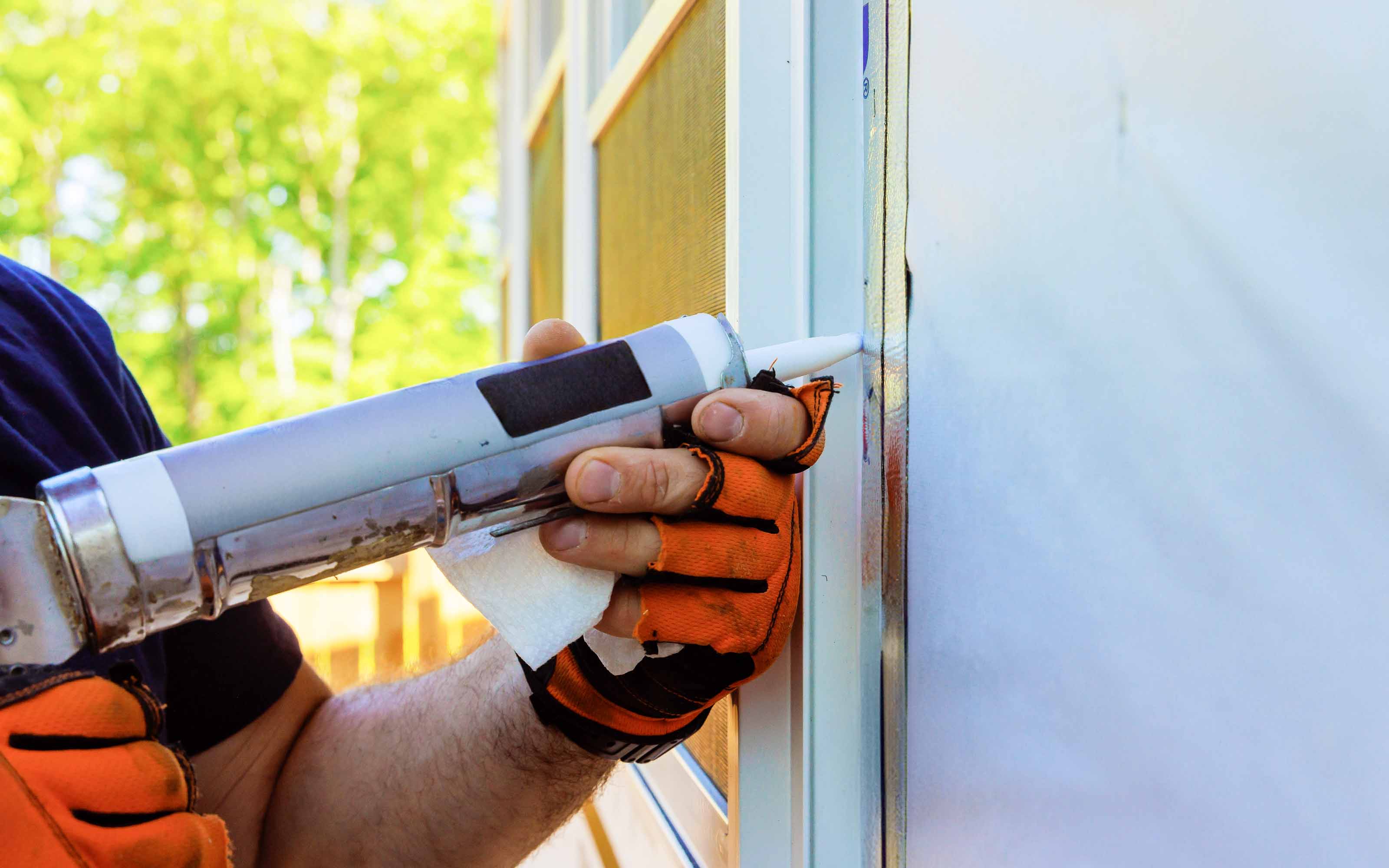
Worker applying exterior caulk around a window frame Worker applying exterior caulk around a window frame

A window frame usually looks like it's pulling away from the wall because the caulk around it has cracked or shrunk, not because the window has moved. When the frame itself has shifted, the cause is typically moisture damage around the opening, settling in the house, or a window that wasn't secured properly. Figuring out which one you have decides the fix.

At The Window Depot, homeowners and contractors in Tucson, Phoenix, Chandler, Surprise, El Paso, Albuquerque and National City often notice these gaps after a long summer. Intense sun and big day-to-night temperature swings are tough on exterior sealant, so a gap around the frame is common, and often simple to fix.

Is It the Caulk or the Frame?

This is the first question to answer, because the fixes are very different.

If the caulk has failed, the window is still in the same place. The sealant has cracked, pulled loose from one side or shrunk away from the frame. You'll usually see a clean line along the joint with the frame and wall both intact.

If the frame has moved, the gap tends to be uneven, wider at one corner or along one side. You may also see cracks spreading into the wall, interior trim pulling loose, or a window that has started to stick or not lock properly.

Where Is the Gap, and What Does It Mean?

The location of the gap tells you a lot.

 What you see

 What it usually means

 Thin, even crack along the exterior caulk line

 Caulk has aged or shrunk; frame is likely fine

 Interior trim separating from the wall, window works normally

 Trim or drywall movement, often cosmetic

 Gap wider at one corner or one side

 Frame or opening has shifted

 Cracks in stucco or drywall spreading from the corners

 Movement in the wall or opening around the window

 Gap plus water stains, soft wood or peeling paint

 Moisture has damaged the surrounding materials

 Gap plus a window that sticks or won't lock

 Frame movement affecting operation

What Causes a Window Frame to Pull Away From the Wall?

Aging or failed caulk

Exterior caulk takes constant sun, heat and moisture. In the desert Southwest, UV exposure and wide temperature swings make sealant dry out, crack and pull away faster. This is the most common cause of a visible gap and the easiest to fix.

Moisture damage around the opening

When water gets behind the trim or into the framing around a window, it can soften wood, break down materials and loosen the fasteners holding the window in place. Over time, that lets the frame shift. Water that reaches a window sill often travels from somewhere else, so our post on window sill damage is worth a read if you see staining.

House settling and movement

Homes move slightly as materials expand, contract and settle. Minor movement can open gaps at the joints around windows. On stucco homes, this often shows up as hairline cracks radiating from window corners.

Installation issues

A window that wasn't fastened, shimmed or sealed correctly can loosen over time. If the gap has been there since the window went in, installation is a likely factor.

How Do You Check a Window Frame That's Pulling Away?

Look at the whole window, inside and out, before deciding anything.

  1. Walk the full perimeter. Check the top, both sides and the bottom. Compare the gap from one side to the other.
  2. Inspect the exterior caulk. Look for cracks, brittleness, missing sections or caulk that has pulled free from one surface.
  3. Check the interior trim. See whether trim has separated from the wall and whether the drywall around it has cracked.
  4. Look for moisture. Water stains, peeling paint, soft wood or a musty smell around the window all point to water getting in.
  5. Test the window. Open, close and lock it. A window that has started to bind or won't latch may have shifted.
  6. Track it over time. Take a photo and mark the ends of the gap with painter's tape. If it grows over a few weeks, the movement is ongoing.

Can You Fix a Gap Around a Window Frame With Caulk?

Yes, if the frame hasn't moved and the materials around it are sound. Remove the old, failed caulk first rather than layering new caulk over it. Clean the joint, let it dry, and apply a sealant rated for exterior use and the materials you're sealing. Heat-resistant formulas hold up better on sun-exposed walls.

Caulk won't fix a frame that has shifted or an opening with water damage. Sealing over those problems hides the evidence and lets the damage continue behind it.

What Should You Avoid?

Resist the urge to pull the frame back into place yourself. Driving screws or nails through the frame, forcing it against the wall or packing a large gap with caulk can damage the window and make the real problem harder to diagnose later. Painting over water stains without finding the source is another common mistake.

When Does a Separating Frame Need Professional Attention?

Have the window looked at by a qualified professional if the gap is growing, the frame feels loose, water is getting inside or the window no longer operates normally. The same goes for cracks spreading into the wall, or several windows showing the same problem at once, which can point to a broader issue with the house.

Do You Need to Replace the Window?

Not always. If the window itself is in good shape and the problem is limited to sealing or a repairable opening, replacement may not be needed. Our guide to window repair vs. replacement walks through how to decide.

If the frame is damaged or the opening needs work, the type of replacement matters. Insert replacement windows fit inside the existing frame, so that frame has to be solid. A damaged frame usually calls for full-frame replacement instead. When you're ready, our vinyl replacement windows come in a wide range of sizes and styles.

How Can You Prevent Gaps Around Window Frames?

Check the caulk around your windows once or twice a year, and after monsoon season in Arizona, Texas and New Mexico. Replace cracked sealant before water has a chance to get behind it, and keep sprinklers from soaking exterior walls. Our window maintenance checklist is an easy routine to follow.

Frequently Asked Questions

Why is there a gap between my window frame and the wall?

Most often, the exterior caulk has cracked or shrunk. If the gap is uneven or growing, the frame or the wall around it may have moved.

Can I caulk a gap between my window frame and wall?

Yes, if the frame is still secure and the surrounding materials are in good condition. Remove the old caulk first and use an exterior-rated sealant.

How do I know if my window frame is moving?

Compare the gap on all sides and mark its ends with tape. A gap that's uneven, growing or paired with a window that sticks points to movement.

Can water damage cause a window frame to pull away?

Yes. Water can weaken the wood and fasteners around the opening, which lets the frame shift. Find and stop the source before sealing the gap.

Do I need a new window if the frame is pulling away?

Not necessarily. Many gaps are caulk problems. Replacement becomes more likely when the frame is damaged or the window no longer works properly.

Get Supplies and Replacement Windows at The Window Depot

A gap around a window is often a quick resealing job, and sometimes it's a sign to look deeper. Whether you need caulk and sealant or a new window, visit The Window Depot in Tucson, Phoenix, Chandler, Surprise, El Paso, Albuquerque or National City. Find the nearest store with our store locator.

Why Is My Window Frame Pulling Away From the Wall?

Worker applying exterior caulk around a window frame Worker applying exterior caulk around a window frame

A window frame usually looks like it's pulling away from the wall because the caulk around it has cracked or shrunk, not because the window has moved. When the frame itself has shifted, the cause is typically moisture damage around the opening, settling in the house, or a window that wasn't secured properly. Figuring out which one you have decides the fix.

At The Window Depot, homeowners and contractors in Tucson, Phoenix, Chandler, Surprise, El Paso, Albuquerque and National City often notice these gaps after a long summer. Intense sun and big day-to-night temperature swings are tough on exterior sealant, so a gap around the frame is common, and often simple to fix.

Is It the Caulk or the Frame?

This is the first question to answer, because the fixes are very different.

If the caulk has failed, the window is still in the same place. The sealant has cracked, pulled loose from one side or shrunk away from the frame. You'll usually see a clean line along the joint with the frame and wall both intact.

If the frame has moved, the gap tends to be uneven, wider at one corner or along one side. You may also see cracks spreading into the wall, interior trim pulling loose, or a window that has started to stick or not lock properly.

Where Is the Gap, and What Does It Mean?

The location of the gap tells you a lot.

 What you see

 What it usually means

 Thin, even crack along the exterior caulk line

 Caulk has aged or shrunk; frame is likely fine

 Interior trim separating from the wall, window works normally

 Trim or drywall movement, often cosmetic

 Gap wider at one corner or one side

 Frame or opening has shifted

 Cracks in stucco or drywall spreading from the corners

 Movement in the wall or opening around the window

 Gap plus water stains, soft wood or peeling paint

 Moisture has damaged the surrounding materials

 Gap plus a window that sticks or won't lock

 Frame movement affecting operation

What Causes a Window Frame to Pull Away From the Wall?

Aging or failed caulk

Exterior caulk takes constant sun, heat and moisture. In the desert Southwest, UV exposure and wide temperature swings make sealant dry out, crack and pull away faster. This is the most common cause of a visible gap and the easiest to fix.

Moisture damage around the opening

When water gets behind the trim or into the framing around a window, it can soften wood, break down materials and loosen the fasteners holding the window in place. Over time, that lets the frame shift. Water that reaches a window sill often travels from somewhere else, so our post on window sill damage is worth a read if you see staining.

House settling and movement

Homes move slightly as materials expand, contract and settle. Minor movement can open gaps at the joints around windows. On stucco homes, this often shows up as hairline cracks radiating from window corners.

Installation issues

A window that wasn't fastened, shimmed or sealed correctly can loosen over time. If the gap has been there since the window went in, installation is a likely factor.

How Do You Check a Window Frame That's Pulling Away?

Look at the whole window, inside and out, before deciding anything.

  1. Walk the full perimeter. Check the top, both sides and the bottom. Compare the gap from one side to the other.
  2. Inspect the exterior caulk. Look for cracks, brittleness, missing sections or caulk that has pulled free from one surface.
  3. Check the interior trim. See whether trim has separated from the wall and whether the drywall around it has cracked.
  4. Look for moisture. Water stains, peeling paint, soft wood or a musty smell around the window all point to water getting in.
  5. Test the window. Open, close and lock it. A window that has started to bind or won't latch may have shifted.
  6. Track it over time. Take a photo and mark the ends of the gap with painter's tape. If it grows over a few weeks, the movement is ongoing.

Can You Fix a Gap Around a Window Frame With Caulk?

Yes, if the frame hasn't moved and the materials around it are sound. Remove the old, failed caulk first rather than layering new caulk over it. Clean the joint, let it dry, and apply a sealant rated for exterior use and the materials you're sealing. Heat-resistant formulas hold up better on sun-exposed walls.

Caulk won't fix a frame that has shifted or an opening with water damage. Sealing over those problems hides the evidence and lets the damage continue behind it.

What Should You Avoid?

Resist the urge to pull the frame back into place yourself. Driving screws or nails through the frame, forcing it against the wall or packing a large gap with caulk can damage the window and make the real problem harder to diagnose later. Painting over water stains without finding the source is another common mistake.

When Does a Separating Frame Need Professional Attention?

Have the window looked at by a qualified professional if the gap is growing, the frame feels loose, water is getting inside or the window no longer operates normally. The same goes for cracks spreading into the wall, or several windows showing the same problem at once, which can point to a broader issue with the house.

Do You Need to Replace the Window?

Not always. If the window itself is in good shape and the problem is limited to sealing or a repairable opening, replacement may not be needed. Our guide to window repair vs. replacement walks through how to decide.

If the frame is damaged or the opening needs work, the type of replacement matters. Insert replacement windows fit inside the existing frame, so that frame has to be solid. A damaged frame usually calls for full-frame replacement instead. When you're ready, our vinyl replacement windows come in a wide range of sizes and styles.

How Can You Prevent Gaps Around Window Frames?

Check the caulk around your windows once or twice a year, and after monsoon season in Arizona, Texas and New Mexico. Replace cracked sealant before water has a chance to get behind it, and keep sprinklers from soaking exterior walls. Our window maintenance checklist is an easy routine to follow.

Frequently Asked Questions

Why is there a gap between my window frame and the wall?

Most often, the exterior caulk has cracked or shrunk. If the gap is uneven or growing, the frame or the wall around it may have moved.

Can I caulk a gap between my window frame and wall?

Yes, if the frame is still secure and the surrounding materials are in good condition. Remove the old caulk first and use an exterior-rated sealant.

How do I know if my window frame is moving?

Compare the gap on all sides and mark its ends with tape. A gap that's uneven, growing or paired with a window that sticks points to movement.

Can water damage cause a window frame to pull away?

Yes. Water can weaken the wood and fasteners around the opening, which lets the frame shift. Find and stop the source before sealing the gap.

Do I need a new window if the frame is pulling away?

Not necessarily. Many gaps are caulk problems. Replacement becomes more likely when the frame is damaged or the window no longer works properly.

Get Supplies and Replacement Windows at The Window Depot

A gap around a window is often a quick resealing job, and sometimes it's a sign to look deeper. Whether you need caulk and sealant or a new window, visit The Window Depot in Tucson, Phoenix, Chandler, Surprise, El Paso, Albuquerque or National City. Find the nearest store with our store locator.

SEARCH ×

Search