
What Are the Best Window Trim and Door Molding Styles?

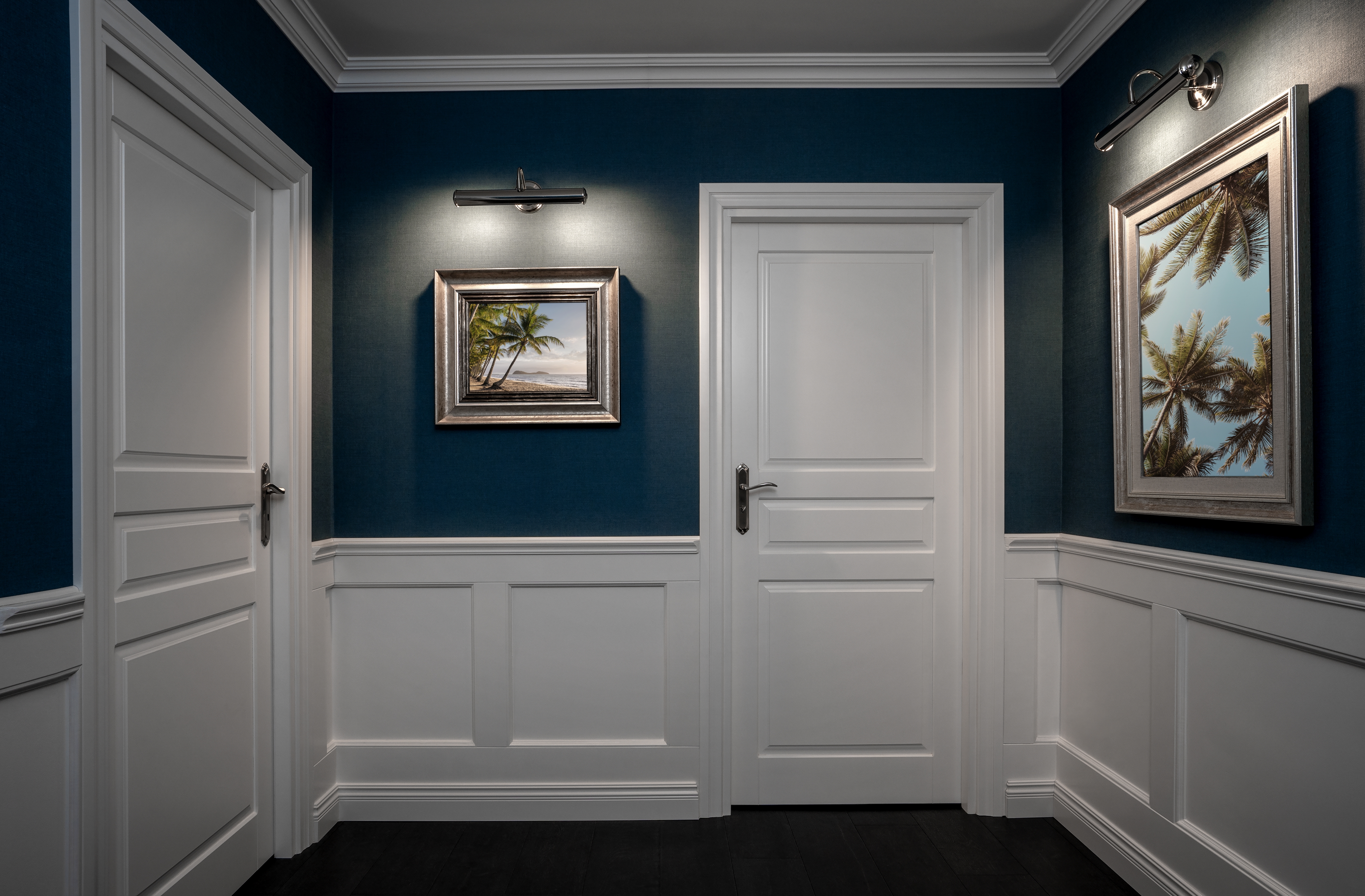
The best window and door molding styles are those that complement your home's architecture, coordinate with existing trim, and suit the installation location. Window trim styles range from flat, modern casing to traditional Colonial profiles and Craftsman-inspired designs, with materials such as MDF, wood, and exterior-rated PVC offering different appearance and performance benefits.
Choosing the right molding helps create a finished look around windows and doors while connecting these features to your baseboards, wall colors, and interior design. The right profile depends on your home's style, the size of each opening, your preferred finish, and whether the molding will be installed indoors or outdoors. The Window Depot stocks molding for window and door projects at its stores in Tucson, Phoenix, Chandler, Surprise, El Paso, Albuquerque and National City.
What Is Window and Door Molding?
Window and door molding, commonly called casing, is trim installed around the perimeter of a window or door opening. It creates a finished transition between the frame and the surrounding wall while adding decorative detail.
Casing is different from other types of molding. Baseboards run along the bottom of walls, while crown molding finishes the transition between walls and ceilings. Window and door casing specifically frames openings.
Properly selected and installed casing can also cover small gaps between the frame and wall. However, casing alone does not replace the flashing, weatherproofing, insulation, or sealing needed to protect an exterior opening.
What Are the Most Popular Window Trim Styles?
The most popular window trim styles range from simple profiles with clean edges to decorative designs with more pronounced contours. Each option creates a different visual effect and works best with particular architectural details.
1. Flat or Modern Casing
Flat casing features a smooth, relatively simple profile without elaborate decorative curves. Its clean appearance works well in contemporary homes, minimalist interiors, and spaces with simple architectural details.
Choose flat casing if you want the windows and doors to look defined without making the trim the main design feature. Wider flat boards can create a bolder frame, while narrower profiles provide a more understated finish.
2. Colonial Casing
Colonial casing typically features a shaped profile with traditional contours. It complements classic interiors, traditional homes, and rooms with decorative baseboards or panel doors.
This style works particularly well when you want window and door trim to coordinate with other traditional architectural details. Keep the profile consistent across adjoining rooms for a unified appearance.
3. Ranch-Style Casing
Ranch-style casing often uses straightforward profiles that suit casual, practical interiors. Depending on the specific profile, it can work well in ranch homes, mid-century-inspired spaces, and rooms with simple trim details.
Pair it with complementary baseboards and door casing to create a consistent look without excessive ornamentation.
4. Craftsman-Style Trim
Craftsman-inspired trim commonly emphasizes broad, flat boards and strong horizontal and vertical lines. Some designs use a wider top casing or a layered head detail to create visual emphasis.
This style complements homes with natural materials, simple built-in cabinetry, and architectural details that emphasize craftsmanship. Compare the trim with existing woodwork before selecting a design.
5. Decorative or Traditional Casing
Decorative casing uses more pronounced curves, stepped edges, or layered profiles. It can complement formal interiors, historic-inspired homes, and rooms with detailed architectural finishes.
Because ornate trim draws attention, balance it with the surrounding doors, baseboards, and wall details. Using highly decorative casing alongside very simple trim throughout the same space can make the overall design feel inconsistent.
What Materials Are Used for Window and Door Molding?
Molding materials affect appearance, paintability, durability, cost, and suitability for different environments. The best option depends on whether the trim will be installed indoors or outdoors and how much exposure it will have to moisture.
MDF Molding
Medium-density fiberboard (MDF) is a common choice for interior casing because it provides a smooth, consistent surface that is easy to paint. It works well when you want a uniform finish around windows and doors.
MDF is generally best suited to dry interior environments. Standard MDF can swell or deteriorate when exposed to moisture, so check the product specifications before using it in bathrooms, damp areas, or exterior applications.
Wood Molding
Wood molding offers natural grain and can be painted or stained, depending on the species and finish. It suits traditional, Craftsman, farmhouse, and other designs that emphasize natural materials.
Wood can expand and contract with changes in moisture and temperature. Proper installation, finishing, and maintenance help protect it from moisture-related damage.
Primed Finger-Jointed Pine
Finger-jointed pine casing is made by joining smaller pieces of wood to create longer lengths. Primed products arrive with a base coating that helps prepare the surface for painting.
This option can work well for interior window and door trim when you want a wood-based material with a paint-ready finish. Verify the product's intended application and finishing requirements before installation.
Exterior-Grade Molding Materials
Exterior trim must withstand weather, moisture, sunlight, and temperature changes. In Arizona, El Paso and Albuquerque, that means strong UV exposure and big daily temperature swings, so choose materials and finishes rated for intense sun. Depending on the application, suitable options may include PVC, fiber cement, treated wood, or other products specifically rated for exterior use.
Do not assume that an interior molding profile is suitable for outdoor installation. Check the manufacturer's guidance for moisture exposure, fastening, painting, and compatibility with the window or door system.
How Do You Match Window Trim Styles to Your Home?
The most effective trim choices complement your home's existing architectural features rather than competing with them.
|
Home style |
Recommended trim approach |
Design goal |
|
Modern or contemporary |
Flat casing with clean edges |
Simple, uncluttered lines |
|
Traditional |
Colonial or shaped casing |
Classic architectural detail |
|
Craftsman |
Broad, flat boards with defined lines |
Emphasize structure and craftsmanship |
|
Farmhouse |
Simple, substantial casing |
Create a relaxed, coordinated finish |
|
Transitional |
Moderately detailed casing |
Balance traditional and modern elements |
|
Historic-inspired |
Period-appropriate decorative profiles |
Preserve architectural character |
These are starting points rather than strict rules. Existing trim, ceiling height, room proportions, and personal preference should also influence your decision.
For more ideas about coordinating architectural details, read The Window Depot's guide to matching doors, trim, and hardware.
Should Window and Door Trim Match?
Window and door trim does not have to be identical in every room, but using a consistent design approach usually creates a more cohesive interior.
Consider these guidelines:
- Keep profiles compatible. Window casing and door casing can differ slightly, but their shapes and proportions should work together.
- Coordinate the color and finish. White painted trim creates a unified look, while stained wood can add warmth. Contrasting colors can work when used intentionally.
- Consider the baseboards. Casing that complements the baseboard profile helps the room feel connected from floor to ceiling.
- Maintain consistency between adjoining rooms. Repeating trim styles helps create visual continuity, especially in open-plan layouts.
- Respect architectural details. If your home already has distinctive woodwork, choose new molding that complements it rather than introducing an unrelated style.
If you are replacing several types of trim, compare samples together before purchasing. A profile that looks attractive by itself may appear too heavy or too plain when installed beside your existing doors and baseboards.
How Do You Choose the Right Molding Size?
The width and thickness of casing influence how prominent a window or door looks. A narrow profile can blend into the wall, while wider casing can give an opening more visual weight.
Before choosing a size, consider:
- Window and door proportions: Larger openings can often accommodate wider trim, while smaller openings may look better with more restrained profiles.
- Wall space: Make sure the casing fits comfortably around nearby corners, cabinets, switches, and other architectural features.
- Existing trim dimensions: Matching the approximate scale of nearby baseboards and door casing can improve consistency.
- Profile depth: A more pronounced profile creates stronger shadows and visual detail than a flat board.
- Installation requirements: Check the dimensions of the frame, wall opening, and available mounting surface before ordering materials.
Measure each opening carefully and account for the required cuts, joints, and waste. If you are replacing existing casing, remove or measure a sample when possible so you can compare the profile and dimensions accurately.
Why Should You Plan Molding Early in a Remodel?
Molding is a finishing detail, but it should be considered early in a renovation so you can coordinate the materials, measurements, and installation schedule.
For homeowners planning trim upgrades, establish the scope of the project before purchasing materials. Measure the openings, compare available profiles, confirm whether the molding is intended for interior or exterior use, and coordinate the finish with other planned improvements.
Planning ahead can help reduce mismatched materials, unnecessary cuts, and delays during installation.
What Should You Know Before Installing Window and Door Molding?
Good installation is essential to achieving a professional finish. Even a high-quality casing profile can look uneven if the corners, joints, or wall transitions are poorly finished.
Before installation, inspect the opening and confirm that the window or door is properly installed. For exterior openings, verify that the required weatherproofing and drainage details are in place before covering the surrounding area.
During the project:
- Measure the opening and determine the casing dimensions.
- Check that the selected molding is suitable for the intended location.
- Cut and fit the pieces carefully, paying attention to corners and joints.
- Fasten the trim using an appropriate method for the material and substrate.
- Fill nail holes and finish joints as recommended for the product.
- Apply suitable primer, paint, or stain when required.
For exterior work, follow the window or door manufacturer's installation instructions. Decorative trim should not obstruct drainage paths or cover components that must remain accessible.
Where Can You Find Window and Door Molding?
The Window Depot offers molding products for home improvement projects, including casing options for finishing windows and doors. Product selection, dimensions, and availability may vary, so check the current product listing before planning your project. Contractors and remodelers trimming out several rooms can bring a sample piece or profile measurements to the store to match casing across the whole job.
Browse The Window Depot's molding collection to compare available profiles and choose trim that fits your design and installation requirements.
Conclusion: How Can You Choose the Right Window Trim?
Choosing the right window and door molding starts with your home's architectural style, the desired finish, and the conditions where the trim will be installed. Flat casing suits modern spaces, Colonial profiles complement traditional interiors, and Craftsman-style trim emphasizes clean lines and strong architectural details. Selecting suitable materials and coordinating the casing with your doors and baseboards helps create a consistent, finished appearance.
Before purchasing, measure your openings, confirm the molding's intended application, and compare profiles with your existing trim. Explore The Window Depot's molding collection, or visit a store in Tucson, Phoenix, Chandler, Surprise, El Paso, Albuquerque or National City. Use the store locator to find a nearby location for your home improvement project.
Frequently Asked Questions
1. What is the most popular window trim style?
Flat casing and traditional shaped casing are both common choices. Flat profiles suit modern interiors, while Colonial and other decorative profiles complement traditional homes. The best option depends on your architecture and existing trim.
2. Is MDF or wood better for window casing?
MDF offers a smooth, paint-ready surface that works well for many dry interior applications. Wood provides natural grain and can be stained or painted. Choose according to the location, desired finish, budget, and moisture exposure.
3. Should window and door casing be the same width?
Not necessarily. They can vary slightly, but coordinating their proportions and profiles generally creates a more consistent appearance. Consider the size of each opening and the surrounding trim when selecting widths.
4. Can you use interior molding around exterior windows?
Only if the product is specifically rated for the intended exterior application. Many interior MDF products are unsuitable for direct weather exposure. Choose exterior-rated materials and follow the manufacturer's installation instructions.
5. Should window trim match the wall color?
It can, but it does not have to. Matching trim and walls creates a subtle, unified appearance, while contrasting trim makes the opening stand out. White, off-white, stained wood, and complementary accent colors can all work depending on the room's design.
What Are the Best Window Trim and Door Molding Styles?