
Top Energy Efficient Windows for Lower Utility Bills

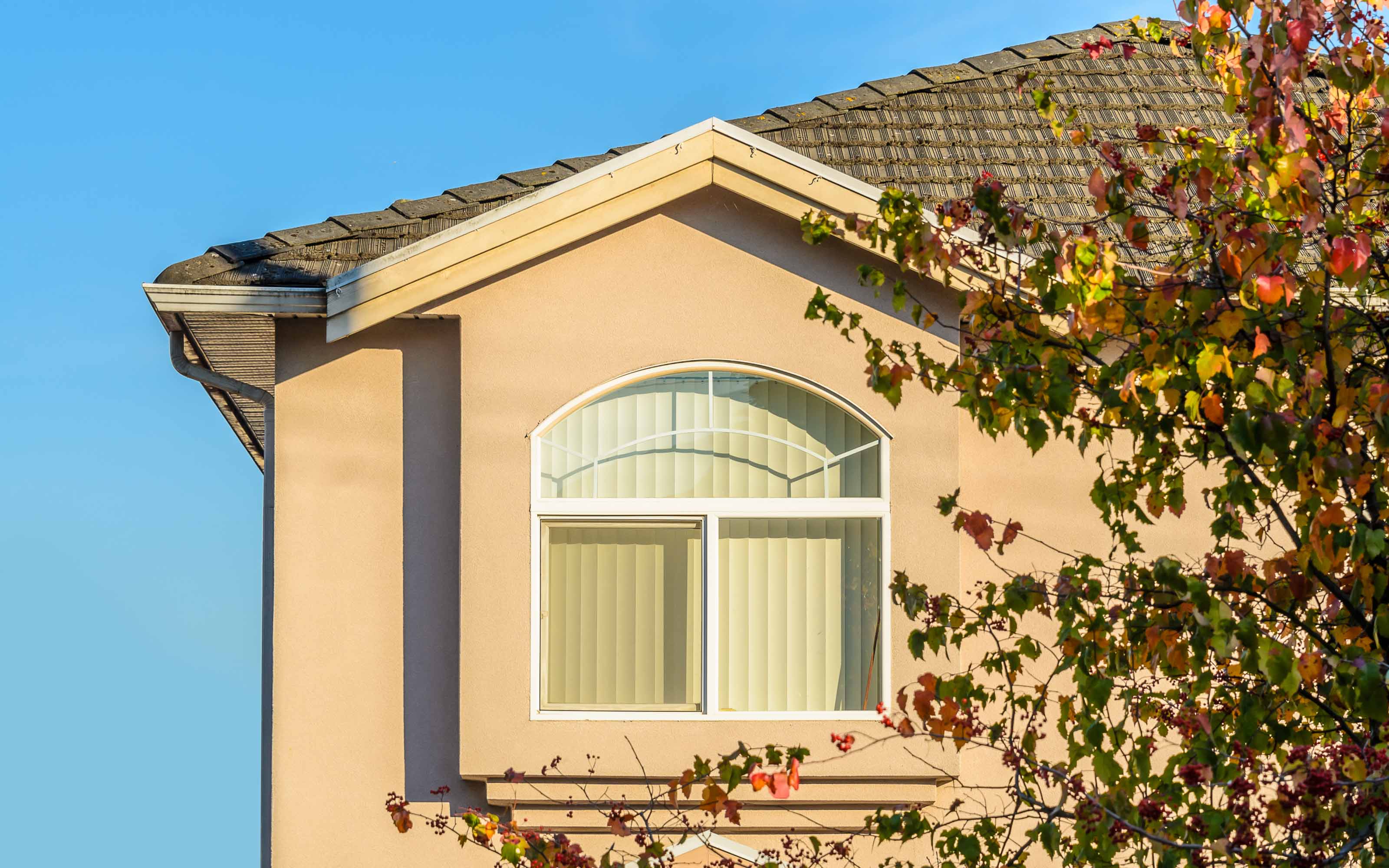
Rising energy costs have made homeowners more focused on improving efficiency throughout the home. One of the most effective upgrades is installing energy-efficient windows. Modern window technology helps reduce heat transfer, improve indoor comfort, and lower monthly heating and cooling expenses.
Older windows often allow drafts, heat loss, and UV exposure that force HVAC systems to work harder. Upgrading to energy-saving windows can improve insulation while enhancing curb appeal and long-term home value.
Whether you are planning a full renovation or replacing outdated windows one room at a time, understanding the benefits of modern window technology can help you make smarter home improvement decisions.
Quick Answers for Energy Efficient Windows
- What are energy-saving windows?
Energy-saving windows are designed to reduce heat transfer and improve insulation inside the home. Features like low-e glass coatings, insulated frames, and multiple panes help improve efficiency. - How do low-e glass windows work?
Low-e glass windows use a microscopic coating that reflects heat while still allowing natural light inside. This helps homes stay cooler in summer and warmer in winter. - What are the benefits of insulated windows?
Insulated window benefits include lower utility bills, better indoor comfort, reduced outside noise, and improved energy efficiency year-round. - Can new windows lower energy bills?
Yes. Energy-efficient windows help reduce heating and cooling loss, which may lower monthly energy costs and reduce strain on HVAC systems.
Why Energy Efficient Windows Matter
Windows play a major role in regulating indoor temperatures. Older windows with poor insulation can allow heat to escape during winter and enter during summer, causing energy bills to rise.
Modern energy-saving windows are built to reduce these issues through advanced materials and insulated designs. Homeowners often notice improved comfort immediately after replacing inefficient windows.
Energy-efficient upgrades can also:
- Reduce hot and cold spots inside the home
- Improve indoor temperature consistency
- Lower HVAC usage
- Reduce UV damage to furniture and flooring
- Increase property value
For homeowners focused on long-term savings, replacing outdated windows is often one of the most impactful upgrades available.
What Are Low-E Glass Windows?
Low-e glass windows are among the most popular energy-efficient window options available today. “Low-e” stands for low emissivity, which refers to a special coating applied to the glass surface.
This nearly invisible coating reflects heat while still allowing natural light to enter the home.
Benefits of Low-E Glass Windows
- Helps block harmful UV rays
- Improves indoor temperature control
- Reduces solar heat gain
- Improves overall window efficiency
- Helps reduce fading on furniture and flooring
Low-e technology is especially beneficial in climates with extreme temperatures because it helps maintain more stable indoor conditions throughout the year.
What Are the Insulated Window Benefits?
Insulated windows use multiple panes of glass separated by gas-filled spaces to improve thermal performance. These designs help reduce heat transfer and create a stronger barrier between indoor and outdoor temperatures.
Key Insulated Window Benefits
Lower Utility Bills
Improved insulation helps HVAC systems work more efficiently, which may reduce heating and cooling costs.
Better Indoor Comfort
Insulated windows help eliminate drafts and temperature fluctuations near windows.
Noise Reduction
Multi-pane windows can help reduce outside noise, creating a quieter indoor environment.
Improved Energy Efficiency
Homes with insulated windows often maintain more consistent temperatures throughout the year.
Which Window Styles Are Most Energy Efficient?
Different window styles offer varying levels of energy performance. Choosing the right style depends on your home’s design, ventilation needs, and efficiency goals.
Double Pane Windows
Double-pane windows are one of the most common energy-efficient options because they include two layers of glass with insulating gas between them.
Triple Pane Windows
Triple-pane windows provide even greater insulation and noise reduction, making them ideal for extreme climates.
Casement Windows
Casement windows create a tighter seal when closed, which can improve energy performance compared to some sliding designs.
Picture Windows
Picture windows do not open, allowing for excellent insulation and unobstructed natural light.
Signs It May Be Time to Replace Old Windows
Many homeowners delay window replacement until major problems appear. However, older windows can quietly increase energy costs over time.
Common signs include:
- Drafts near windows
- Rising energy bills
- Condensation between panes
- Difficulty opening or closing windows
- Outside noise is becoming more noticeable
- Fading furniture from UV exposure
Replacing inefficient windows early can help prevent ongoing energy loss and improve home comfort.
Professional vs DIY Window Installation
|
Factor |
Professional Installation |
DIY Installation |
|---|---|---|
|
Energy Efficiency |
Proper sealing helps maximize efficiency |
Poor sealing can reduce performance |
|
Window Fit |
Accurate measurements improve insulation |
Incorrect sizing may create drafts |
|
Long-Term Durability |
Professionally installed windows often last longer |
Installation mistakes may shorten the lifespan |
|
Moisture Protection |
Proper flashing helps prevent leaks |
Improper installation may cause water damage |
|
Warranty Coverage |
Many manufacturers require professional installation |
DIY work may void warranties |
|
Installation Speed |
Faster and more efficient process |
May take longer without experience |
|
Safety |
Professionals use proper tools and techniques |
DIY installation can increase injury risk |
|
Overall Appearance |
Cleaner, more polished finish |
Uneven installation may affect the appearance |
Working with experienced companies like The Window Depot can help homeowners choose high-quality energy-saving windows while ensuring proper installation and long-term performance.
Why Energy Efficient Window Expertise Matters
Choosing energy-efficient windows involves more than selecting a window style or glass package. Factors like climate conditions, home orientation, insulation performance, frame materials, and proper installation all affect long-term energy savings and indoor comfort. Experienced professionals, like The Window Depot, help homeowners evaluate low-e glass windows, insulated window benefits, and energy-saving window options based on the specific needs of the home. Professional guidance can also help prevent issues like air leaks, moisture intrusion, poor sealing, and reduced thermal performance that may limit efficiency gains over time. Working with knowledgeable window specialists helps homeowners make informed decisions that support durability, comfort, and lower utility costs for years to come.
Why Professional Window Expertise Is Critical for Energy Efficiency
Energy-efficient windows only perform as well as the materials, technology, and installation behind them. Selecting the right energy-saving windows requires understanding glass performance ratings, insulation values, climate considerations, frame construction, and proper sealing methods. Experienced professionals, like The Window Depot, help homeowners compare low-e glass windows, insulated window benefits, and advanced energy-efficient window systems based on the specific needs of the property. Expert installation is equally important because even high-quality windows can lose efficiency if they are improperly measured, sealed, or installed. Professional guidance helps reduce the risk of air leaks, condensation issues, heat transfer, moisture damage, and unnecessary strain on HVAC systems. By working with trusted window specialists, homeowners can improve long-term comfort, maximize energy savings, and protect the overall value and performance of their home investment.
Frequently Asked Questions
What are the most energy-efficient window types?
Double-pane, triple-pane, and low-e glass windows are among the most energy-efficient options for modern homes.
How much can energy-saving windows reduce utility bills?
Savings vary by home and climate, but energy-efficient windows can help reduce heating and cooling costs by improving insulation.
Are low-e glass windows worth it?
Yes. Low-e glass windows help improve temperature control, reduce UV exposure, and increase overall energy efficiency.
What are the biggest insulated window benefits?
Insulated windows help improve comfort, lower energy costs, reduce outside noise, and improve indoor temperature consistency.
How long do energy-efficient windows last?
High-quality windows that are professionally installed can often last 20 years or longer with proper maintenance.
Top Energy Efficient Windows for Lower Utility Bills