
Shower Door Styles: Framed, Frameless, or Semi-Frameless?

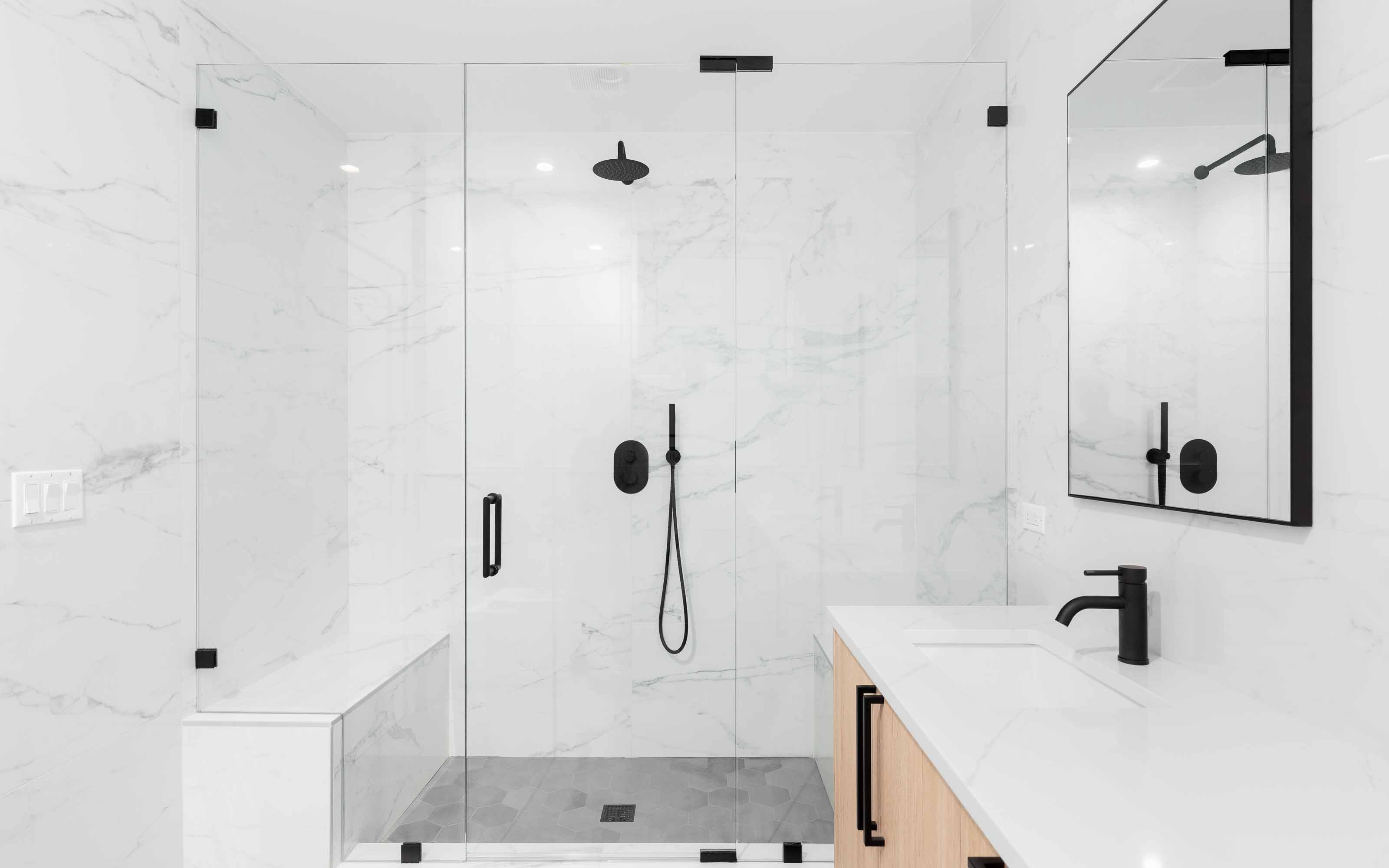
Shower doors do much more than keep water off the bathroom floor. The frame style you choose affects the overall look of your bathroom, how easy the glass is to clean, and even how open and spacious the room feels. At The Window Depot, we help homeowners compare framed, semi-frameless, and frameless shower doors to find the right balance of style, durability, and maintenance. Understanding the key differences between these options makes it easier to choose a shower door that fits your bathroom design, budget, and everyday needs.
Quick Answers for Shower Door Styles
- What's the main difference between framed and frameless shower doors?
Framed doors have a metal border around the glass panels, while frameless doors use thick, heavy glass with minimal or no metal framing for a cleaner, more open look. - What is a semi-frameless shower door?
A semi-frameless door has some metal framing, typically around the hinges or door edge, but less than a fully framed door, striking a middle ground in both style and price. - Is frameless glass thicker than framed glass?
Yes. Frameless doors typically use glass in the 3/8 to 1/2 inch range, since the glass itself provides structural support that a frame would otherwise supply. - Which style is easiest to clean?
Frameless doors tend to be easier to clean since they have fewer metal channels and corners where soap scum and mineral deposits can build up. - Which style is the most budget-friendly?
Framed shower doors are generally the most affordable option, since they use thinner glass and simpler hardware compared to semi-frameless or frameless designs. - Does shower door glass need to meet a safety standard?
Yes. Shower and tub enclosure glass is required to be tempered safety glass under U.S. building code, certified to standards like ANSI Z97.1 or CPSC 16 CFR 1201.
What's the Real Difference Between Framed, Semi-Frameless, and Frameless Doors?
The core difference comes down to how much metal framing surrounds the glass, and that has a ripple effect on nearly everything else about the door. Framed doors use a metal border, typically aluminum, around the full perimeter of each glass panel. Semi-frameless doors reduce that framing to just the essential structural points, usually near the hinges or door edge, while leaving most of the glass exposed. Frameless doors eliminate the border almost entirely, relying on thicker glass and minimal hardware to hold everything in place.
This isn't just a style choice. Less framing means thicker, heavier glass is needed to maintain structural integrity, which is part of why frameless doors tend to cost more and require more precise installation than framed ones.
What Are Framed Shower Doors?
Framed shower doors surround each glass panel with a metal frame, commonly aluminum finished in chrome, brushed nickel, or matte black. Because the frame provides structural support, the glass itself can be thinner, typically around 1/4 inch, which helps keep the overall cost of a framed door lower than other styles.
Framed doors have been the standard in American bathrooms for decades, and they remain a practical option, particularly for larger tub and shower combinations where full coverage and easy resealing matter more than an ultra-minimal look. The visible frame also does a good job of hiding minor installation imperfections, since the metal border covers small gaps or uneven edges that would be much more noticeable on a frameless door.
What Are Semi-Frameless Shower Doors?
Semi-frameless doors sit in between the other two styles, using partial framing rather than a full border or none at all. Typically, this means metal hardware at the hinge points and possibly along the door's leading edge, while the rest of the panel remains exposed glass. This gives semi-frameless doors a more open, modern look than fully framed doors, without the higher glass thickness and price point of a completely frameless design.
This style has become increasingly popular as a middle-ground option for homeowners who want a cleaner appearance but aren't ready to commit to the cost of frameless glass. Semi-frameless doors typically use glass in the 5/16 to 3/8 inch range, thicker than framed doors but generally thinner than fully frameless designs.
What Are Frameless Shower Doors?
Frameless shower doors use little to no metal framing, relying instead on thick tempered glass, typically 3/8 to 1/2 inch, along with hardware such as hinges, clips, support bars, or wall channels to hold the panels securely in place. The result is a clean, seamless look that many homeowners associate with modern, high-end bathroom design.
Because there's no frame to help square up the installation or hide small gaps, frameless doors require more precise measuring and installation than framed or semi-frameless options. This precision is part of why frameless doors tend to be the most expensive of the three styles, both in materials and labor.
How Does Glass Thickness Differ Between the Styles?
Glass thickness increases as framing decreases, since the glass has to compensate structurally for the support a frame would otherwise provide. Framed doors commonly use 1/4 inch glass, semi-frameless doors typically use 5/16 to 3/8 inch glass, and frameless doors generally use 3/8 to 1/2 inch glass. Because thicker glass is heavier, frameless doors require secure anchoring and precise hardware installation to safely support the additional weight.
This difference in thickness also affects how the glass feels and sounds day to day. Thicker frameless glass tends to feel sturdier when opening and closing the door, while thinner framed glass can feel slightly lighter and, in some cases, more prone to noticeable vibration if not installed correctly.
Which Style Is Easiest to Clean and Maintain?
Frameless doors generally have an edge here, mainly because there are fewer metal channels and corners for soap scum, hard water deposits, and mildew to collect in. A framed door's metal border creates small tracks and joints that can trap moisture and grime, requiring more detailed cleaning to keep looking fresh over time.
That said, no shower door style is maintenance-free. Frameless glass still needs regular squeegeeing and occasional deep cleaning to prevent hard water buildup, particularly in homes with harder water. A protective glass coating, sometimes applied at the factory or added afterward, can help reduce how often deep cleaning is needed regardless of which style you choose.
Which Style Fits a Small Bathroom Best?
Frameless and semi-frameless doors tend to make a small bathroom feel more open, since the absence of a bulky frame reduces visual clutter in a tight space. A fully framed door, particularly with a dark or bold frame color, can make a small shower area feel more boxed in by comparison, even though the actual footprint hasn't changed.
That said, framed doors aren't automatically a poor fit for small bathrooms. A framed door in a light or matching finish, paired with clear glass, can still feel relatively open, so the framing style matters less than the overall color and glass choice in some cases.
What Door Configurations Are Available Across These Styles?
Shower doors come in several configurations that can apply across framed, semi-frameless, and frameless styles. Sliding, or bypass, doors are common for larger openings and tub enclosures, since they don't require floor clearance to swing open. Hinged doors swing outward like a standard door and are often paired with a fixed glass panel, working well for walk-in shower stalls. Pivot doors rotate on a center-mounted hinge rather than a side hinge, offering a slightly different swing radius that can suit specific layouts. Neo-angle configurations fit into corner showers, using two angled glass panels to make efficient use of a corner space.
The configuration you choose is generally independent of the framing style, meaning a sliding door, for example, can be ordered in framed, semi-frameless, or frameless glass depending on the look and budget you're working with.
Are There Industry Standards for Shower Door Glass Safety?
Yes, and this applies across all three framing styles. In the United States, glass used in shower and tub enclosures is classified as a hazardous location under the residential building code, which requires the glass to be tempered safety glass rather than standard annealed glass. This requirement is typically referenced through the International Residential Code, Section R308.4.5, which calls for safety glazing in and around showers, tubs, and similar wet, high-traffic areas.
Compliance is verified against two closely aligned standards: ANSI Z97.1 and CPSC 16 CFR 1201. Both use impact testing, commonly called the shot bag test, to confirm the glass can withstand a set level of force and, if it does break, fragments into small, relatively blunt pieces rather than large, sharp shards. Shower and tub enclosure glass falls under the higher-impact classification in both standards, known as Category II under CPSC or Class A under ANSI, reflecting the higher risk of impact in a wet, slippery environment.
Every compliant shower door should carry a permanent, etched certification mark on the glass itself, rather than a removable sticker, confirming it meets ANSI Z97.1 or CPSC 16 CFR 1201. Building inspectors may check for this certification mark during installation where applicable, helping verify that the glass complies with required safety glazing standards.
Frequently Asked Questions
Can I switch from a framed to a frameless shower door without changing the shower base?
In many cases, yes, since the shower base and framing style are generally independent. The main consideration is whether the existing tile and wall surfaces can support the anchoring hardware frameless glass requires.
Do frameless shower doors leak more than framed doors?
Not necessarily. Frameless doors rely on precise installation and quality seals rather than a full frame to manage water, so leaks are more often tied to installation quality than the framing style itself.
Is semi-frameless glass as strong as fully frameless glass?
Semi-frameless glass is typically thinner than fully frameless glass, but it's still tempered safety glass rated for the same hazardous-location use, just with slightly different structural support from its partial framing.
How long does a typical shower door last?
With proper installation and regular cleaning, tempered glass shower doors in any framing style can last well over a decade, with hardware components like hinges and rollers being the parts most likely to need eventual replacement.
Can shower doors be custom-sized for an unusual shower shape?
Yes, particularly for frameless and semi-frameless doors, which are often custom-measured and cut for the specific opening rather than sold in fixed standard sizes.
About Window Depot
Window Depot has served homeowners since 2002, offering a variety of home improvement products, including shower doors in chrome, brushed nickel, and black finishes for bathtub and walk-in shower applications. The team can help homeowners compare framed, semi-frameless, and frameless options based on bathroom size, budget, and maintenance preferences. Visit a location near you to explore shower door styles for your next bathroom project.
Shower Door Styles: Framed, Frameless, or Semi-Frameless?