
Which Kitchen Sink Type Is Best: Undermount, Drop-In, or Farmhouse?

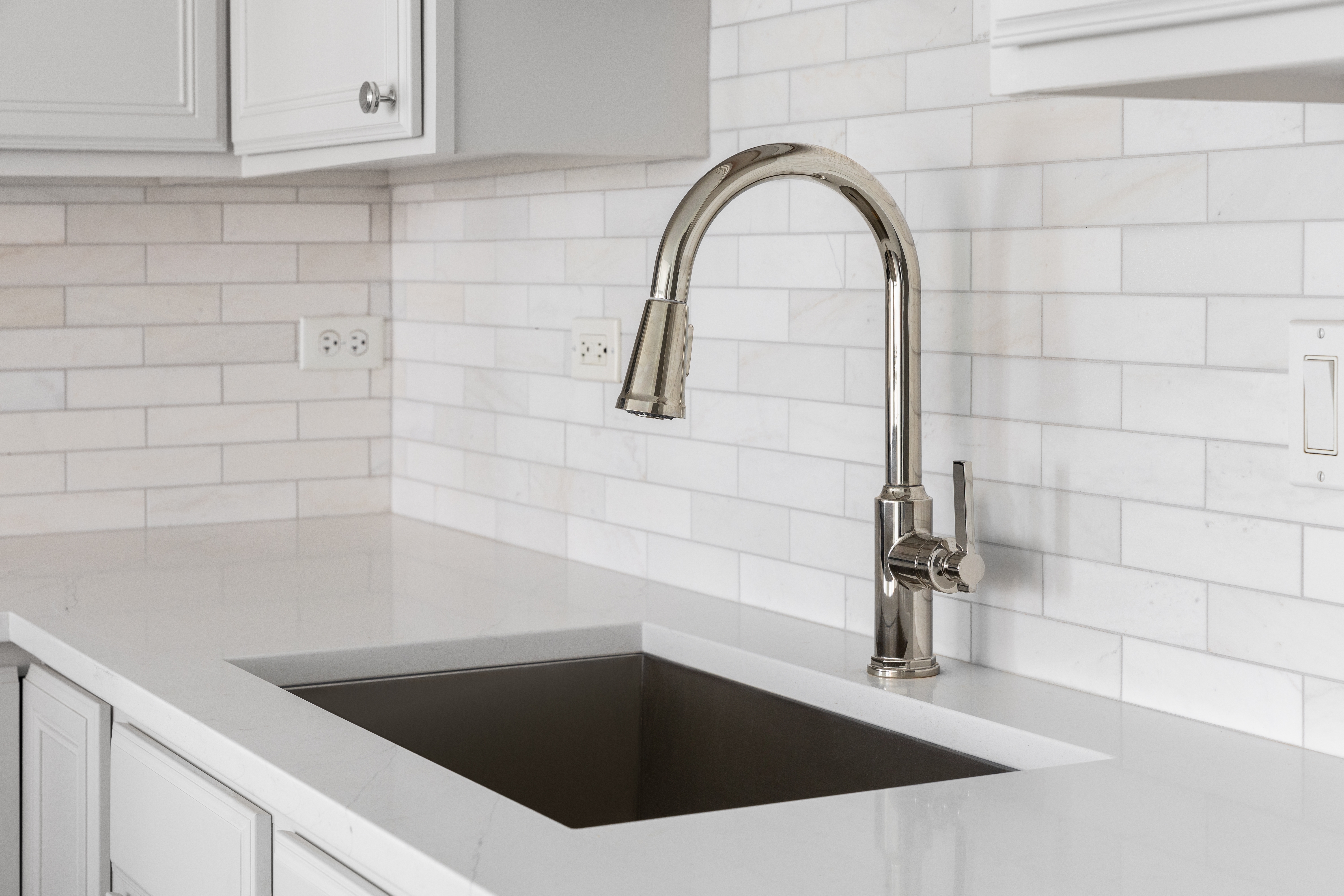
The best kitchen sink depends on your countertop material, kitchen layout, cleaning habits, and preferred style. An undermount sink offers a seamless countertop edge, a drop-in sink provides a practical top-mounted installation, and a farmhouse sink features a deep basin with a distinctive exposed front. The right choice depends on your space, installation requirements, and everyday kitchen needs.
Choosing a sink should be part of your countertop planning, not an afterthought. The Window Depot carries sinks, faucets and granite, quartz and butcher block countertops at its stores in Tucson, Phoenix, Chandler, Surprise, El Paso, Albuquerque and National City, so you can plan the sink and counter together. Kitchen cabinets are available by special order if a farmhouse sink means changing the sink base.
What Are the Main Types of Kitchen Sinks?
Three popular kitchen sink styles are undermount, drop-in, and farmhouse. Each has different installation requirements, maintenance considerations, and design benefits.
- Undermount sinks: Sit below the countertop surface and create a clean transition between the counter and basin.
- Drop-in sinks: Fit into a prepared countertop opening, with the rim resting on the surface.
- Farmhouse sinks: Typically feature a deep basin and an exposed front panel, also called an apron.
The best choice depends on the countertop, cabinet construction, available space, and the way you use your kitchen.
Undermount vs. Drop-In Sink: What Is the Difference?
|
Feature |
Undermount Sink |
Drop-In Sink |
|
nstallation |
Secured beneath the countertop |
Installed from above into a cutout |
|
Appearance |
Clean, seamless countertop edge |
Visible rim around the sink |
|
Countertop cleanup |
Crumbs and spills can be wiped into the basin |
The raised rim can collect debris |
|
Countertop compatibility |
Commonly used with suitable stone and engineered surfaces |
Works with many countertop types when properly supported and sealed |
|
Installation requirements |
Requires secure mounting and a suitable finished countertop edge |
Generally simpler to install or replace |
|
Replacement |
May require more work if sink dimensions change |
Often easier when the replacement fits the existing opening |
|
Typical design |
Modern, transitional, or minimalist |
Traditional, practical, or contemporary |
An undermount sink is often preferred for its streamlined appearance and convenient countertop cleanup. A drop-in sink can be a practical choice for a straightforward replacement or a countertop material better suited to a top-mounted installation.
Neither style is automatically better for every kitchen. Countertop compatibility, installation quality, budget, and daily use should guide the decision.
1. What Are the Benefits of Undermount Kitchen Sinks?
An undermount sink is attached beneath the countertop, leaving the countertop edge exposed around the basin. Because there is no raised sink rim, the transition between the work surface and the sink looks clean and uncluttered.
Benefits of Undermount Sinks
- Easier countertop cleanup: You can sweep crumbs and small spills directly into the sink without working around a raised rim.
- Streamlined appearance: The sink integrates neatly with the countertop and cabinetry.
- Flexible design: Stainless steel and other suitable sink materials can complement a variety of kitchen styles.
- Continuous-looking countertop: The lack of an overlapping rim creates a more uninterrupted work surface.
What Are the Potential Drawbacks?
Undermount sinks require a countertop that can support the installation and maintain a finished, exposed edge around the cutout. The sink must be securely mounted, and the joint must be sealed correctly to help prevent water from reaching the cabinetry.
If the sink needs to be replaced later, the work may be more involved than replacing a typical drop-in model. Sink dimensions, mounting hardware, cabinet clearance, and countertop condition all matter.
Which Countertops Work Best With Undermount Sinks?
Granite and quartz are common choices because they can provide a suitable finished edge and support a properly installed undermount sink. However, the countertop fabricator or installer must confirm that the specific material and installation method are appropriate.
Explore the kitchen countertop options available when planning your sink and counter together.
2. What Are the Benefits of Drop-In Kitchen Sinks?
A drop-in sink, also known as a top-mount or self-rimming sink, is placed into a cutout in the countertop. Its rim rests on the surface and helps support the sink while covering the cut edge.
This design is popular for practical kitchen renovations because installation and future replacement can be relatively straightforward.
Benefits of Drop-In Sinks
- Flexible installation: Many drop-in models work with different countertop materials when cutout, support, and sealing requirements are met.
- Convenient replacement: A sink that matches an existing opening can simplify a renovation.
- Visible rim: The rim covers the countertop cutout and provides a defined border around the basin.
- Broad style selection: Drop-in sinks come in different shapes, sizes, materials, and bowl configurations.
What Are the Potential Drawbacks?
The rim creates an edge where crumbs, grease, and moisture can collect. Regular cleaning around the perimeter helps keep the area sanitary and reduces buildup.
The visible rim may also interrupt the uninterrupted appearance of a countertop, which matters to homeowners seeking a minimalist design.
Are Drop-In Sinks Better for Laminate Countertops?
A drop-in sink is often a practical option for laminate countertops because the rim covers the cutout edge. This helps protect the cut edge when the sink is installed and sealed according to the countertop manufacturer's requirements.
Proper sealing is essential. Water that reaches an exposed or poorly protected cutout can damage the countertop substrate. Always confirm compatibility with the specific laminate product and follow the installation instructions.
3. Are Farmhouse Kitchen Sinks a Good Choice?
A farmhouse sink, also called an apron-front sink, has a deep basin and a front panel that remains visible rather than being fully concealed behind the cabinet face. Its distinctive shape can suit traditional, rustic, transitional, and contemporary kitchens.
Farmhouse describes the sink's design, not just its mounting method. Many farmhouse sinks require specialized cabinet and countertop arrangements, so they should be planned early in a renovation.
What Are the Benefits of Farmhouse Sinks?
- Deep basin: Many models provide room for large pots, baking trays, and bulky cookware.
- Distinctive appearance: The exposed front creates a strong design feature.
- Practical workflow: Depending on the sink and cabinet layout, the basin can make washing larger items more convenient.
- Multiple design options: Farmhouse sinks are available in different materials, colors, and configurations.
What Are the Potential Drawbacks?
Farmhouse sinks can require a compatible sink base cabinet, careful measurements, and additional structural support because of their size and weight. Some models also need custom countertop cutouts.
The exposed front may need more attention to prevent scratches, stains, or damage, depending on the sink material. Before buying, check the basin dimensions, cabinet width, finished front height, faucet placement, and countertop overhang requirements.
Which Countertops Pair Well With Farmhouse Sinks?
Farmhouse sinks can work with granite, quartz, and other suitable countertop materials. The important factors are the sink's installation specifications, the countertop cutout, and the support provided by the cabinetry.
Because the apron front and deep basin affect the surrounding design, select the sink and cabinet configuration before finalizing countertop measurements. For remodelers, get the sink's cutout template and spec sheet to the fabricator before the countertop is templated.
How Do You Choose a Kitchen Sink Based on Countertop Material?
Your countertop is one of the most important factors when selecting a sink. The material affects how the sink opening is cut, how the edges are finished, and how the sink is supported and sealed.
Granite Countertops
Granite is commonly paired with undermount sinks because a finished stone edge can create a clean transition into the basin. Drop-in sinks are also possible. Confirm the cutout, edge finish, and support requirements with the installer. Our complete guide to granite and quartz countertops covers how the two materials compare.
Quartz Countertops
Quartz can be a good match for undermount sinks when the specific surface and installation system permit it. Proper cutout fabrication and secure sink mounting are important for long-term performance.
Laminate Countertops
Drop-in sinks are often a practical choice because the rim covers the cutout. The exposed edge still needs appropriate protection and sealing to help prevent moisture damage.
Butcher Block Countertops
Wood countertops require particular attention to moisture protection around the sink opening. A compatible drop-in sink may simplify edge protection, but the cutout must be sealed and maintained correctly. Undermount installation should only be considered when the countertop construction and installation system support it.
No countertop material should be selected on appearance alone. Review the sink manufacturer's specifications and countertop installation requirements before committing to a particular combination.
What Else Should You Consider Before Buying a Kitchen Sink?
The mounting style is only one part of the decision. Think about how the sink will function in your kitchen and how it will fit into the overall renovation.
Sink Size and Cabinet Space
Measure the available cabinet width, countertop depth, and sink base before shopping. A large farmhouse sink may require a specific cabinet configuration, while a smaller kitchen may benefit from a compact single-bowl design.
Single-Bowl vs. Double-Bowl Sinks
A single-bowl sink provides an uninterrupted space for washing large cookware. A double-bowl sink separates tasks, which can be useful for washing and rinsing or keeping food preparation separate from dish cleanup.
Consider your daily routine and the dimensions of the cookware you use most often.
Sink Material and Maintenance
Stainless steel is a common choice for its versatility and resistance to corrosion. Other materials may offer different appearances, weights, and maintenance requirements. Check the manufacturer's cleaning recommendations and consider how the finish will look with your countertop and cabinet hardware.
Faucet and Accessory Compatibility
Check the number and placement of faucet holes, the available space behind the sink, and the clearance beneath the countertop. Accessories such as drain assemblies, strainers, and sink grids may also affect your final selection.
Installation and Long-Term Maintenance
A well-chosen sink still needs proper support, sealing, drainage, and plumbing connections. Confirm these details before installation, especially if you are changing the sink style or replacing the countertop at the same time.
Explore kitchen and bathroom sink options at The Window Depot to compare styles for your project. Product dimensions and availability can vary, so verify the details for the model you choose.
Which Kitchen Sink Type Is Best for Your Home?
The right sink depends on your priorities.
- Choose an undermount sink if you prefer a seamless countertop appearance and easy cleanup, and your countertop supports this installation.
- Choose a drop-in sink if you want a practical installation that may simplify replacement or work well with a compatible laminate countertop.
- Choose a farmhouse sink if you want a deep basin and an exposed apron-front design, and your cabinets and countertop can accommodate it.
For a kitchen renovation, finalize the sink style, cabinet dimensions, and countertop material together. This helps prevent costly adjustments and ensures the sink fits both the design and your intended daily use.
The Window Depot offers home improvement materials for kitchen projects, including sinks and countertops. To explore its broader product selection, visit the home improvement product guide.
Find a Nearby Store
Before purchasing, confirm product availability and installation requirements for your project. The Window Depot has stores in Tucson, Phoenix, Chandler, Surprise, El Paso, Albuquerque and National City.
Use The Window Depot store locator to find a nearby location.
Frequently Asked Questions
Is an Undermount Sink Better Than a Drop-In Sink?
An undermount sink offers a seamless countertop edge and makes it easier to wipe crumbs into the basin. A drop-in sink is often easier to install or replace and can be suitable for a wider range of countertop materials. The better option depends on countertop compatibility, installation requirements, and personal preference.
Can You Install an Undermount Sink With Quartz Countertops?
Yes, many quartz countertop installations accommodate undermount sinks. The countertop fabricator and installer must confirm the material's requirements, cutout details, and suitable mounting and support methods.
Can You Use a Drop-In Sink With a Granite Countertop?
Yes. Drop-in sinks can be installed with granite countertops when the cutout dimensions, rim support, and sealing requirements are met. Granite can also accommodate many undermount sink installations.
Are Farmhouse Sinks Difficult to Install?
Farmhouse sinks can require more planning than standard drop-in sinks because they often need a compatible cabinet, precise countertop cutouts, and suitable structural support. Measure carefully and confirm installation requirements before purchasing.
Which Kitchen Sink Is Easiest to Clean?
Undermount sinks can make countertop cleanup easier because there is no raised rim to work around. However, all sink styles need regular cleaning, and ease of maintenance also depends on the sink material, finish, basin shape, and condition of the installation joints.
Which Kitchen Sink Type Is Best: Undermount, Drop-In, or Farmhouse?