
How Window Placement Affects Energy Efficiency in Arizona Homes

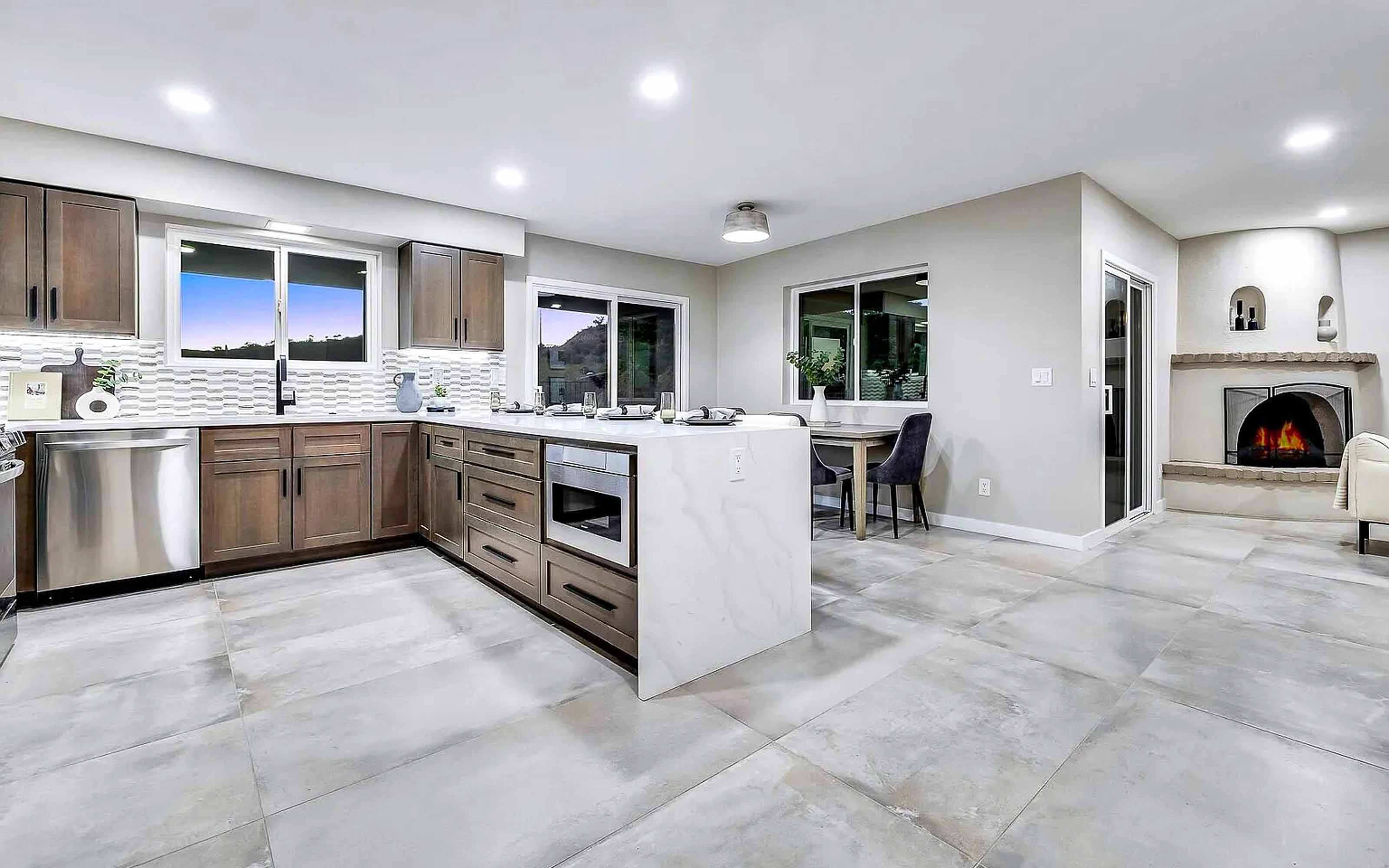
Arizona homeowners face unique challenges when it comes to maintaining comfortable indoor temperatures. With long summers, intense sunshine, and frequent triple-digit temperatures, every design decision can affect energy consumption. While many homeowners focus on insulation, roofing materials, and HVAC systems, window placement is often overlooked.
The location and orientation of your windows play a major role in how much heat enters your home throughout the day. Strategic window placement can reduce cooling costs, improve natural lighting, and increase overall comfort. Poorly placed windows, on the other hand, can lead to excessive solar heat gain and higher utility bills.
Understanding how window placement affects energy efficiency can help Arizona homeowners make smarter decisions when building, remodeling, or replacing windows.
Quick Answers for Arizona Homeowners
- Does window placement affect energy efficiency?
Yes. The direction your windows face determines how much sunlight and heat enter your home throughout the day, which impacts cooling costs and indoor comfort. - Which windows receive the most heat in Arizona?
West-facing windows typically receive the most intense afternoon sun, making them the biggest contributors to unwanted heat gain. - Are north-facing windows energy efficient?
North-facing windows generally receive indirect sunlight and stay cooler, making them one of the most energy-efficient window placements in Arizona. - Can replacement windows improve energy efficiency even if placement stays the same?
Yes. Modern Low-E glass, insulated frames, and energy-efficient window designs can significantly reduce heat transfer. - What is solar heat gain?
Solar heat gain is the increase in indoor temperature caused by sunlight entering through windows. - Should all windows be the same size?
Not necessarily. Window size should often vary based on orientation to maximize natural light while minimizing unwanted heat gain.
Why Window Placement Matters in Arizona
Arizona's climate differs from that of many other regions of the country. Homes experience intense solar exposure for much of the year. Even energy-efficient windows can struggle if they are poorly positioned.
Every side of a home receives sunlight differently throughout the day:
|
Window Direction |
Sun Exposure |
Energy Impact |
|---|---|---|
|
North |
Mostly indirect light |
Lowest heat gain |
|
East |
Morning sunlight |
Moderate heat gain |
|
South |
Consistent sunlight throughout the day |
Manageable with proper glass |
|
West |
Intense afternoon sun |
Highest heat gain |
Because sunlight patterns change throughout the day, strategic window placement can significantly reduce the workload on your air conditioning system.
How West-Facing Windows Affect Cooling Costs
West-facing windows are often the biggest challenge for Arizona homeowners.
During the afternoon, when outdoor temperatures are already at their highest, west-facing windows receive direct sunlight. This combination can dramatically increase indoor temperatures.
Common issues with large west-facing windows include:
- Increased solar heat gain
- Hot spots inside rooms
- Higher cooling costs
- Increased HVAC strain
- Furniture fading from UV exposure
Many homeowners notice that west-facing rooms become uncomfortable during the hottest part of the day, even when the rest of the house remains relatively cool.
How to Improve West-Facing Windows
If your home already has west-facing windows, several upgrades can help reduce heat gain:
- Install Low-E glass
- Choose windows with a lower Solar Heat Gain Coefficient (SHGC)
- Add exterior shade structures
- Use solar screens
- Upgrade to energy-efficient replacement windows
These improvements can help block a significant portion of solar heat before it enters your home.
Why North-Facing Windows Are Often Ideal
North-facing windows are generally considered the most energy-efficient orientation in Arizona.
Unlike other window directions, north-facing windows receive mostly indirect sunlight. This allows homeowners to enjoy natural daylight without introducing excessive heat.
Benefits of north-facing windows include:
- Consistent natural lighting
- Reduced glare
- Lower cooling demands
- Less UV exposure
- Improved indoor comfort
Because these windows receive less direct sunlight, homeowners often have greater flexibility when selecting glass packages and window sizes.
How East-Facing Windows Impact Comfort
East-facing windows capture morning sunlight, which is generally less intense than afternoon sunlight.
This can provide several advantages:
- Bright natural light in the morning
- Reduced need for artificial lighting
- Lower heat gain compared to west-facing windows
- Comfortable daytime temperatures
Bedrooms, breakfast nooks, and kitchens often benefit from east-facing windows because they receive pleasant morning light without excessive afternoon heat.
However, larger east-facing windows can still contribute to cooling costs during summer months if they are not equipped with energy-efficient glass.
Understanding South-Facing Windows in Arizona
South-facing windows often cause confusion because they receive substantial sunlight year-round.
The energy impact of south-facing windows depends largely on their design and the type of glass used.
Well-designed south-facing windows can:
- Maximize natural daylight
- Improve winter comfort
- Reduce artificial lighting needs
- Support passive solar design strategies
When paired with Low-E glass and proper shading features, south-facing windows can perform efficiently even in Arizona's hot climate.
The Relationship Between Window Size and Energy Efficiency
Window placement and window size should work together.
Large windows can provide beautiful views and abundant natural light, but oversized windows in the wrong location may increase cooling costs.
For example:
Large West-Facing Windows
These can create excessive heat gain and significantly increase energy usage.
Large North-Facing Windows
These often provide excellent daylight without substantially affecting indoor temperatures.
Balanced Window Design
Many energy-efficient homes use larger windows on the north side and smaller windows on the west side to better balance natural light and temperature control.
How Natural Light Can Reduce Energy Usage
Properly placed windows do more than control heat. They can also reduce dependence on artificial lighting.
When daylight is strategically introduced into living spaces, homeowners may use electric lights less frequently throughout the day.
Benefits include:
- Lower electricity consumption
- Improved indoor ambiance
- Better visibility
- Enhanced productivity
- Increased home value
Modern energy-efficient homes often use window placement as part of a broader daylighting strategy.
The Role of Low-E Glass in Window Performance
Even with ideal window placement, Arizona homes benefit significantly from Low-E glass.
Low-E, or low-emissivity glass, contains a microscopic coating that reflects heat while allowing visible light to pass through.
Benefits include:
- Reduced solar heat gain
- Improved indoor comfort
- Lower cooling costs
- Protection against UV damage
- Better energy efficiency year-round
For homes with unavoidable west-facing or south-facing windows, Low-E glass can make a substantial difference.
How Window Placement Affects HVAC Performance
Many homeowners do not realize how closely windows and HVAC systems work together.
When windows allow excessive heat into the home, the air conditioner must run longer and work harder to maintain comfortable temperatures.
This can lead to:
- Higher monthly utility bills
- Increased equipment wear
- More frequent repairs
- Reduced HVAC lifespan
Strategic window placement helps reduce cooling demands and supports more efficient HVAC operation.
Common Window Placement Mistakes in Arizona Homes
Too Many Large West-Facing Windows
This is one of the most common causes of excessive heat gain.
Ignoring Sun Exposure
Some homeowners prioritize aesthetics without considering how sunlight affects energy performance.
Choosing Glass Without Considering Orientation
Different window orientations may benefit from different glass packages and performance ratings.
Overlooking Exterior Shade
Trees, awnings, and architectural shading elements can significantly improve window performance.
Using Older Single-Pane Windows
Older windows often allow substantial heat transfer regardless of placement.
Window Placement Considerations for New Construction
If you're building a new home, window placement should be part of the design process from the beginning.
Consider:
- Local sun patterns
- Seasonal temperature changes
- Room function
- Natural lighting goals
- Exterior shading opportunities
Working with experienced window professionals can help ensure your home's design supports long-term energy efficiency.
Can Replacement Windows Improve Existing Window Placement Challenges?
While homeowners cannot easily change the location of existing windows, they can improve performance through replacement windows.
Modern replacement windows offer:
- Advanced Low-E coatings
- Improved frame insulation
- Better weather sealing
- Reduced air leakage
- Enhanced solar heat control
These upgrades can help offset many challenges associated with less-than-ideal window placement.
Signs Your Window Placement May Be Affecting Energy Efficiency
You may have a window placement issue if you notice:
- Rooms that are consistently hotter than others
- High summer energy bills
- Excessive afternoon heat
- Fading furniture or flooring
- Frequent HVAC cycling
- Glare problems during certain times of the day
An energy-efficient window evaluation can help identify opportunities for improvement.
Frequently Asked Questions
Which window direction is best for energy efficiency in Arizona?
North-facing windows are generally the most energy-efficient because they receive indirect sunlight and generate less heat gain.
Why are west-facing windows problematic?
West-facing windows receive intense afternoon sun during the hottest part of the day, which can increase indoor temperatures and cooling costs.
Can Low-E glass reduce heat from west-facing windows?
Yes. Low-E glass helps reflect heat and reduce solar heat gain while still allowing natural light into the home.
Should I avoid large windows in Arizona?
Not necessarily. Large windows can work well when properly placed and equipped with energy-efficient glass packages.
Do replacement windows lower cooling costs?
Modern replacement windows can significantly reduce heat transfer, helping lower energy consumption and improve indoor comfort.
Make Window Placement Work for Your Arizona Home
Window placement has a direct impact on energy efficiency, comfort, and cooling costs in Arizona homes. Understanding how different window orientations interact with sunlight can help homeowners make informed decisions when building, remodeling, or replacing windows.
Whether you're planning a new home or upgrading existing windows, combining strategic placement with modern energy-efficient features such as Low-E glass and insulated frames can help create a cooler, more comfortable living environment.
At The Window Depot, we help Arizona homeowners select replacement windows designed to perform in the Southwest's demanding climate. Our team can recommend energy-efficient window solutions that enhance comfort, reduce utility costs, and improve the overall performance of your home.
Visit a location near you to explore our selection of high-quality windows and speak with our experts in person. Seeing your options up close can help you make confident decisions for your home while getting personalized recommendations tailored to your space, budget, and energy efficiency goals.
How Window Placement Affects Energy Efficiency in Arizona Homes