
Select your store: 2300 S. 6th Ave, Tucson

Online orders are in store pickup only.

0 $0.00
items in your cartto quote To cart
Ooops no items were found.
Try something else.
Ok
Loading…

How to Maintain Skylights in Arizona's Dust and Monsoon Seasons

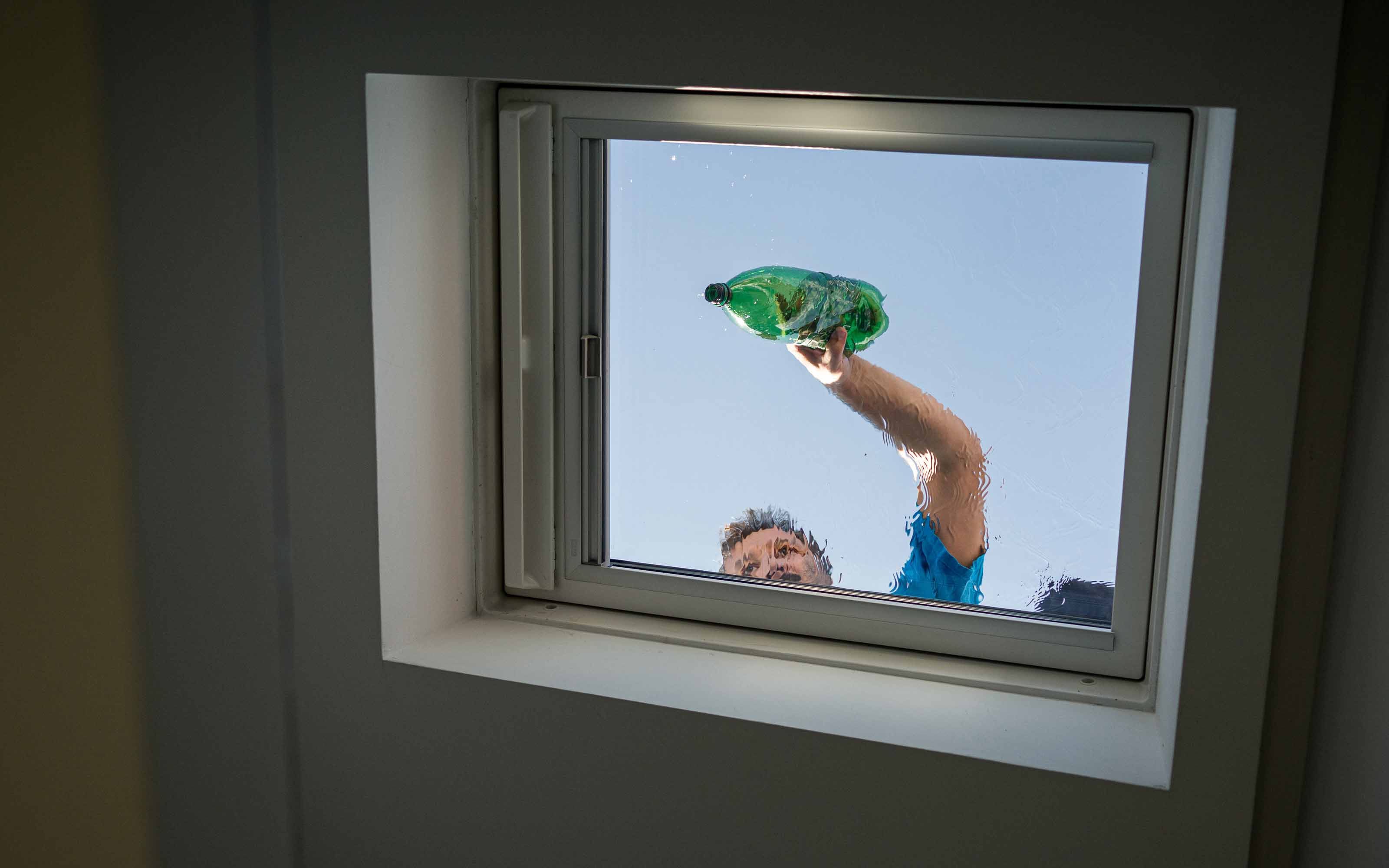
Arizona home with clean energy-efficient skylights maintained to withstand dust storms, intense sun, and monsoon weather

Skylights are a valuable addition to Arizona homes, bringing abundant natural light into living spaces while enhancing comfort and visual appeal. However, Arizona's unique climate presents challenges that homeowners in other regions may not experience. Dust storms, prolonged dry periods, intense sunlight, and seasonal monsoon weather can all affect skylight performance and longevity.

While modern skylights are designed to withstand demanding environmental conditions, regular maintenance remains essential. A well-maintained skylight can continue providing natural light, energy efficiency, and weather protection for many years. Neglecting maintenance, on the other hand, can lead to reduced performance, premature wear, and costly repairs.

Understanding how to care for skylights throughout Arizona's changing seasons can help homeowners protect their investment and avoid common problems before they develop.

Quick Answers for Skylight Maintenance in Arizona

  • How often should skylights be cleaned in Arizona?
    Most homeowners should inspect and clean skylights at least twice per year. Additional cleaning may be necessary after dust storms or monsoon weather.
  • Can Arizona dust damage skylights?
    Dust itself may not immediately damage skylights, but excessive buildup can reduce natural light, affect drainage systems, and contribute to premature wear if left unaddressed.
  • Should skylights be inspected after monsoon storms?
    Yes. Heavy rain, strong winds, and flying debris can affect flashing, seals, and surrounding roofing materials. Post-storm inspections can help identify issues early.
  • What is the most common skylight maintenance issue?
    Debris accumulation around flashing and drainage areas is one of the most common maintenance concerns in Arizona homes.
  • Can regular maintenance extend skylight lifespan?
    Yes. Routine cleaning, inspections, and minor repairs can help maximize performance and extend the life of a skylight system.
  • Are professional skylight inspections necessary?
    Periodic professional inspections can help identify issues that may not be visible from inside the home, especially after severe weather events.

Why Arizona's Climate Creates Unique Maintenance Challenges

Arizona homeowners deal with environmental conditions that differ from many other regions.

Factors affecting skylights include:

  • Dust storms
  • Monsoon rain
  • Intense UV exposure
  • Extreme summer heat
  • Wind-driven debris
  • Rapid temperature fluctuations

These conditions place additional demands on skylights, roofing materials, and weatherproofing systems.

Regular maintenance helps ensure skylights continue performing effectively despite these environmental challenges.

How Does Dust Affect Skylight Performance?

Dust is one of the most common maintenance concerns for Arizona homeowners.

Throughout much of the year, fine dust particles accumulate on roofs, windows, and skylights. During dust storms, significant amounts of debris can collect around skylight frames and flashing systems.

Potential effects of dust buildup include:

  • Reduced natural light transmission
  • Dirty or cloudy appearance
  • Blocked drainage pathways
  • Increased cleaning requirements
  • Premature wear on seals and moving components

While occasional dust accumulation is normal, excessive buildup should be addressed to maintain optimal performance.

Why Regular Skylight Cleaning Matters

Many homeowners underestimate how much dust and debris can affect skylight appearance and performance.

Clean skylights allow maximum daylight penetration and help preserve the aesthetic appeal of interior spaces.

Benefits of regular cleaning include:

  • Improved natural light
  • Better visibility
  • Enhanced appearance
  • Easier inspections
  • Improved overall performance

Cleaning also provides an opportunity to inspect skylights for signs of wear or damage.

How Often Should Skylights Be Cleaned in Arizona?

Cleaning frequency depends on location, surrounding landscaping, and weather conditions.

A general maintenance schedule includes:

Maintenance Task

Recommended Frequency

Visual Inspection

Monthly

Exterior Cleaning

Twice Per Year

Post-Dust Storm Inspection

As Needed

Post-Monsoon Inspection

As Needed

Professional Inspection

Every 1–2 Years

Homes located near construction zones, desert areas, or unpaved roads may require more frequent cleaning.

What Is the Best Way to Clean Skylights?

Proper cleaning techniques help maintain skylight performance while avoiding unnecessary damage.

Homeowners should:

  • Use soft cloths or non-abrasive tools
  • Avoid harsh chemicals
  • Follow manufacturer recommendations
  • Remove loose debris before washing
  • Rinse thoroughly

Abrasive materials can scratch glazing surfaces and potentially reduce long-term performance.

Safety should always be the top priority when working on roofs or elevated surfaces.

How Can Dust Storms Impact Skylights?

Dust storms are a common occurrence in many parts of Arizona.

Strong winds can carry:

  • Fine dust particles
  • Sand
  • Small debris
  • Organic material

Following a dust storm, homeowners should inspect skylights for:

  • Excessive dirt accumulation
  • Scratches
  • Seal damage
  • Debris around flashing
  • Drainage blockages

Prompt cleaning helps prevent long-term issues from developing.

Why Is Monsoon Season Important for Skylight Maintenance?

Arizona's monsoon season introduces different maintenance challenges than the dry season.

Heavy rainfall can expose weaknesses in:

  • Flashing systems
  • Roofing materials
  • Skylight seals
  • Drainage pathways

Strong winds may also deposit debris around skylights.

Regular inspections during monsoon season can help identify problems before they lead to leaks or water damage.

What Should Homeowners Inspect After a Monsoon Storm?

After severe weather, homeowners should perform a visual inspection.

Areas to evaluate include:

Flashing

Flashing directs water away from the skylight and roof connection.

Look for:

  • Loose flashing
  • Bent metal
  • Visible gaps
  • Debris accumulation

Skylight Seals

Inspect perimeter seals for:

  • Cracking
  • Separation
  • Visible wear

Glass or Glazing

Check for:

  • Cracks
  • Chips
  • Impact damage

Interior Signs

Inside the home, watch for:

  • Water stains
  • Discoloration
  • Moisture around skylight openings

Early detection often prevents more extensive repairs.

How Does Arizona's UV Exposure Affect Skylights?

Arizona receives some of the highest UV levels in the country.

Over time, ultraviolet exposure can affect:

  • Seal materials
  • Plastic components
  • Exterior finishes
  • Roofing materials surrounding skylights

Modern skylights are designed to withstand prolonged sun exposure, but periodic inspections remain important.

Homeowners should monitor skylight components for signs of aging or deterioration.

Can Extreme Heat Affect Skylight Components?

Arizona summers place significant stress on exterior building materials.

High temperatures can contribute to:

  • Material expansion and contraction
  • Seal wear
  • Component aging
  • Increased thermal stress

Quality skylights are engineered to handle temperature fluctuations, but maintenance helps ensure components continue functioning properly.

Why Proper Drainage Is Important

Water management is essential for skylight performance.

Dust, leaves, and debris can accumulate around skylights and interfere with drainage pathways.

Blocked drainage can increase the risk of:

  • Water pooling
  • Moisture intrusion
  • Flashing issues
  • Roof damage

Routine cleaning helps maintain proper water flow during monsoon storms.

How Can Homeowners Protect Skylights From Debris?

Arizona weather can introduce debris from:

  • Dust storms
  • Trees
  • Wind events
  • Seasonal weather

Homeowners can reduce debris-related concerns by:

  • Trimming nearby branches
  • Cleaning roofs regularly
  • Inspecting skylights after storms
  • Removing accumulated leaves and debris

These simple steps help minimize wear and improve performance.

What Are Common Signs a Skylight Needs Attention?

Regular inspections make it easier to identify developing issues.

Warning signs include:

  • Reduced light transmission
  • Visible dirt buildup
  • Condensation between panes
  • Water stains
  • Drafts
  • Cracked seals
  • Discoloration

Addressing concerns early often prevents more extensive repairs.

How Can Homeowners Extend Skylight Lifespan?

Consistent maintenance is one of the most effective ways to protect a skylight investment.

Best practices include:

  • Routine inspections
  • Regular cleaning
  • Prompt repairs
  • Professional evaluations
  • Debris removal
  • Monitoring after severe weather

These habits can help maximize performance and longevity.

Why Professional Skylight Inspections Matter

While homeowners can perform basic inspections, professional evaluations provide additional expertise.

Professional inspections may identify:

  • Hidden flashing issues
  • Seal deterioration
  • Drainage concerns
  • Early signs of damage
  • Installation-related problems

Periodic professional inspections can provide valuable peace of mind, especially following severe weather events.

How Modern Skylights Reduce Maintenance Concerns

Today's skylights incorporate advanced technologies designed to improve durability and simplify maintenance.

Features may include:

  • Durable glazing systems
  • UV-resistant materials
  • Improved flashing designs
  • Energy-efficient glass
  • Weather-resistant seals

These advancements help skylights perform more reliably in Arizona's demanding climate.

Frequently Asked Questions

How often should skylights be inspected in Arizona?

A monthly visual inspection is recommended, along with more detailed evaluations after major storms.

Can dust storms damage skylights?

Dust storms can contribute to dirt accumulation and minor wear. Post-storm inspections help identify any concerns.

What should I do if I notice water around my skylight?

Water intrusion should be addressed promptly to prevent additional damage. A professional inspection is recommended.

Is professional skylight cleaning necessary?

Some homeowners choose professional cleaning services, particularly for difficult-to-access skylights or multi-story homes.

Can maintenance improve skylight lifespan?

Yes. Regular cleaning, inspections, and timely repairs can help maximize skylight performance and longevity.

Protect Your Skylights Year-Round

Arizona's dust, heat, UV exposure, and monsoon weather create unique maintenance challenges for skylights. Fortunately, routine inspections, proper cleaning, and timely repairs can help homeowners protect their skylights and preserve their benefits for years to come.

By developing a consistent maintenance routine and addressing concerns early, homeowners can enjoy brighter interiors, improved energy efficiency, and reliable skylight performance throughout every season.

Contact The Window Depot

If you're concerned about the condition of your skylights or considering an upgrade, The Window Depot can help. Our team can assist with skylight evaluations, replacement options, and energy-efficient solutions designed for Arizona homes. Contact us today to learn more about maintaining and improving your skylight system.

How to Maintain Skylights in Arizona's Dust and Monsoon Seasons

Arizona home with clean energy-efficient skylights maintained to withstand dust storms, intense sun, and monsoon weather

Skylights are a valuable addition to Arizona homes, bringing abundant natural light into living spaces while enhancing comfort and visual appeal. However, Arizona's unique climate presents challenges that homeowners in other regions may not experience. Dust storms, prolonged dry periods, intense sunlight, and seasonal monsoon weather can all affect skylight performance and longevity.

While modern skylights are designed to withstand demanding environmental conditions, regular maintenance remains essential. A well-maintained skylight can continue providing natural light, energy efficiency, and weather protection for many years. Neglecting maintenance, on the other hand, can lead to reduced performance, premature wear, and costly repairs.

Understanding how to care for skylights throughout Arizona's changing seasons can help homeowners protect their investment and avoid common problems before they develop.

Quick Answers for Skylight Maintenance in Arizona

  • How often should skylights be cleaned in Arizona?
    Most homeowners should inspect and clean skylights at least twice per year. Additional cleaning may be necessary after dust storms or monsoon weather.
  • Can Arizona dust damage skylights?
    Dust itself may not immediately damage skylights, but excessive buildup can reduce natural light, affect drainage systems, and contribute to premature wear if left unaddressed.
  • Should skylights be inspected after monsoon storms?
    Yes. Heavy rain, strong winds, and flying debris can affect flashing, seals, and surrounding roofing materials. Post-storm inspections can help identify issues early.
  • What is the most common skylight maintenance issue?
    Debris accumulation around flashing and drainage areas is one of the most common maintenance concerns in Arizona homes.
  • Can regular maintenance extend skylight lifespan?
    Yes. Routine cleaning, inspections, and minor repairs can help maximize performance and extend the life of a skylight system.
  • Are professional skylight inspections necessary?
    Periodic professional inspections can help identify issues that may not be visible from inside the home, especially after severe weather events.

Why Arizona's Climate Creates Unique Maintenance Challenges

Arizona homeowners deal with environmental conditions that differ from many other regions.

Factors affecting skylights include:

  • Dust storms
  • Monsoon rain
  • Intense UV exposure
  • Extreme summer heat
  • Wind-driven debris
  • Rapid temperature fluctuations

These conditions place additional demands on skylights, roofing materials, and weatherproofing systems.

Regular maintenance helps ensure skylights continue performing effectively despite these environmental challenges.

How Does Dust Affect Skylight Performance?

Dust is one of the most common maintenance concerns for Arizona homeowners.

Throughout much of the year, fine dust particles accumulate on roofs, windows, and skylights. During dust storms, significant amounts of debris can collect around skylight frames and flashing systems.

Potential effects of dust buildup include:

  • Reduced natural light transmission
  • Dirty or cloudy appearance
  • Blocked drainage pathways
  • Increased cleaning requirements
  • Premature wear on seals and moving components

While occasional dust accumulation is normal, excessive buildup should be addressed to maintain optimal performance.

Why Regular Skylight Cleaning Matters

Many homeowners underestimate how much dust and debris can affect skylight appearance and performance.

Clean skylights allow maximum daylight penetration and help preserve the aesthetic appeal of interior spaces.

Benefits of regular cleaning include:

  • Improved natural light
  • Better visibility
  • Enhanced appearance
  • Easier inspections
  • Improved overall performance

Cleaning also provides an opportunity to inspect skylights for signs of wear or damage.

How Often Should Skylights Be Cleaned in Arizona?

Cleaning frequency depends on location, surrounding landscaping, and weather conditions.

A general maintenance schedule includes:

Maintenance Task

Recommended Frequency

Visual Inspection

Monthly

Exterior Cleaning

Twice Per Year

Post-Dust Storm Inspection

As Needed

Post-Monsoon Inspection

As Needed

Professional Inspection

Every 1–2 Years

Homes located near construction zones, desert areas, or unpaved roads may require more frequent cleaning.

What Is the Best Way to Clean Skylights?

Proper cleaning techniques help maintain skylight performance while avoiding unnecessary damage.

Homeowners should:

  • Use soft cloths or non-abrasive tools
  • Avoid harsh chemicals
  • Follow manufacturer recommendations
  • Remove loose debris before washing
  • Rinse thoroughly

Abrasive materials can scratch glazing surfaces and potentially reduce long-term performance.

Safety should always be the top priority when working on roofs or elevated surfaces.

How Can Dust Storms Impact Skylights?

Dust storms are a common occurrence in many parts of Arizona.

Strong winds can carry:

  • Fine dust particles
  • Sand
  • Small debris
  • Organic material

Following a dust storm, homeowners should inspect skylights for:

  • Excessive dirt accumulation
  • Scratches
  • Seal damage
  • Debris around flashing
  • Drainage blockages

Prompt cleaning helps prevent long-term issues from developing.

Why Is Monsoon Season Important for Skylight Maintenance?

Arizona's monsoon season introduces different maintenance challenges than the dry season.

Heavy rainfall can expose weaknesses in:

  • Flashing systems
  • Roofing materials
  • Skylight seals
  • Drainage pathways

Strong winds may also deposit debris around skylights.

Regular inspections during monsoon season can help identify problems before they lead to leaks or water damage.

What Should Homeowners Inspect After a Monsoon Storm?

After severe weather, homeowners should perform a visual inspection.

Areas to evaluate include:

Flashing

Flashing directs water away from the skylight and roof connection.

Look for:

  • Loose flashing
  • Bent metal
  • Visible gaps
  • Debris accumulation

Skylight Seals

Inspect perimeter seals for:

  • Cracking
  • Separation
  • Visible wear

Glass or Glazing

Check for:

  • Cracks
  • Chips
  • Impact damage

Interior Signs

Inside the home, watch for:

  • Water stains
  • Discoloration
  • Moisture around skylight openings

Early detection often prevents more extensive repairs.

How Does Arizona's UV Exposure Affect Skylights?

Arizona receives some of the highest UV levels in the country.

Over time, ultraviolet exposure can affect:

  • Seal materials
  • Plastic components
  • Exterior finishes
  • Roofing materials surrounding skylights

Modern skylights are designed to withstand prolonged sun exposure, but periodic inspections remain important.

Homeowners should monitor skylight components for signs of aging or deterioration.

Can Extreme Heat Affect Skylight Components?

Arizona summers place significant stress on exterior building materials.

High temperatures can contribute to:

  • Material expansion and contraction
  • Seal wear
  • Component aging
  • Increased thermal stress

Quality skylights are engineered to handle temperature fluctuations, but maintenance helps ensure components continue functioning properly.

Why Proper Drainage Is Important

Water management is essential for skylight performance.

Dust, leaves, and debris can accumulate around skylights and interfere with drainage pathways.

Blocked drainage can increase the risk of:

  • Water pooling
  • Moisture intrusion
  • Flashing issues
  • Roof damage

Routine cleaning helps maintain proper water flow during monsoon storms.

How Can Homeowners Protect Skylights From Debris?

Arizona weather can introduce debris from:

  • Dust storms
  • Trees
  • Wind events
  • Seasonal weather

Homeowners can reduce debris-related concerns by:

  • Trimming nearby branches
  • Cleaning roofs regularly
  • Inspecting skylights after storms
  • Removing accumulated leaves and debris

These simple steps help minimize wear and improve performance.

What Are Common Signs a Skylight Needs Attention?

Regular inspections make it easier to identify developing issues.

Warning signs include:

  • Reduced light transmission
  • Visible dirt buildup
  • Condensation between panes
  • Water stains
  • Drafts
  • Cracked seals
  • Discoloration

Addressing concerns early often prevents more extensive repairs.

How Can Homeowners Extend Skylight Lifespan?

Consistent maintenance is one of the most effective ways to protect a skylight investment.

Best practices include:

  • Routine inspections
  • Regular cleaning
  • Prompt repairs
  • Professional evaluations
  • Debris removal
  • Monitoring after severe weather

These habits can help maximize performance and longevity.

Why Professional Skylight Inspections Matter

While homeowners can perform basic inspections, professional evaluations provide additional expertise.

Professional inspections may identify:

  • Hidden flashing issues
  • Seal deterioration
  • Drainage concerns
  • Early signs of damage
  • Installation-related problems

Periodic professional inspections can provide valuable peace of mind, especially following severe weather events.

How Modern Skylights Reduce Maintenance Concerns

Today's skylights incorporate advanced technologies designed to improve durability and simplify maintenance.

Features may include:

  • Durable glazing systems
  • UV-resistant materials
  • Improved flashing designs
  • Energy-efficient glass
  • Weather-resistant seals

These advancements help skylights perform more reliably in Arizona's demanding climate.

Frequently Asked Questions

How often should skylights be inspected in Arizona?

A monthly visual inspection is recommended, along with more detailed evaluations after major storms.

Can dust storms damage skylights?

Dust storms can contribute to dirt accumulation and minor wear. Post-storm inspections help identify any concerns.

What should I do if I notice water around my skylight?

Water intrusion should be addressed promptly to prevent additional damage. A professional inspection is recommended.

Is professional skylight cleaning necessary?

Some homeowners choose professional cleaning services, particularly for difficult-to-access skylights or multi-story homes.

Can maintenance improve skylight lifespan?

Yes. Regular cleaning, inspections, and timely repairs can help maximize skylight performance and longevity.

Protect Your Skylights Year-Round

Arizona's dust, heat, UV exposure, and monsoon weather create unique maintenance challenges for skylights. Fortunately, routine inspections, proper cleaning, and timely repairs can help homeowners protect their skylights and preserve their benefits for years to come.

By developing a consistent maintenance routine and addressing concerns early, homeowners can enjoy brighter interiors, improved energy efficiency, and reliable skylight performance throughout every season.

Contact The Window Depot

If you're concerned about the condition of your skylights or considering an upgrade, The Window Depot can help. Our team can assist with skylight evaluations, replacement options, and energy-efficient solutions designed for Arizona homes. Contact us today to learn more about maintaining and improving your skylight system.

SEARCH ×