
How to Know When It’s Time to Replace Your Windows Instead of Repairing Them

Many homeowners try to fix window problems as long as possible. While repairs can solve minor issues, there comes a point when replacement is the smarter and more cost-effective option. Knowing when to replace your windows instead of repairing them can help you avoid ongoing maintenance costs, improve comfort, and reduce energy loss with energy-efficient replacement windows
This guide explains how to tell when window repair is no longer enough, what signs point to replacement, and how new windows can improve comfort, efficiency, and long-term value.
What window problems can usually be repaired?
Some window issues are surface-level and can be fixed without replacing the entire unit.
Repairs often make sense when:
- Locks, handles, or hardware are loose or broken
- The weatherstripping has worn out
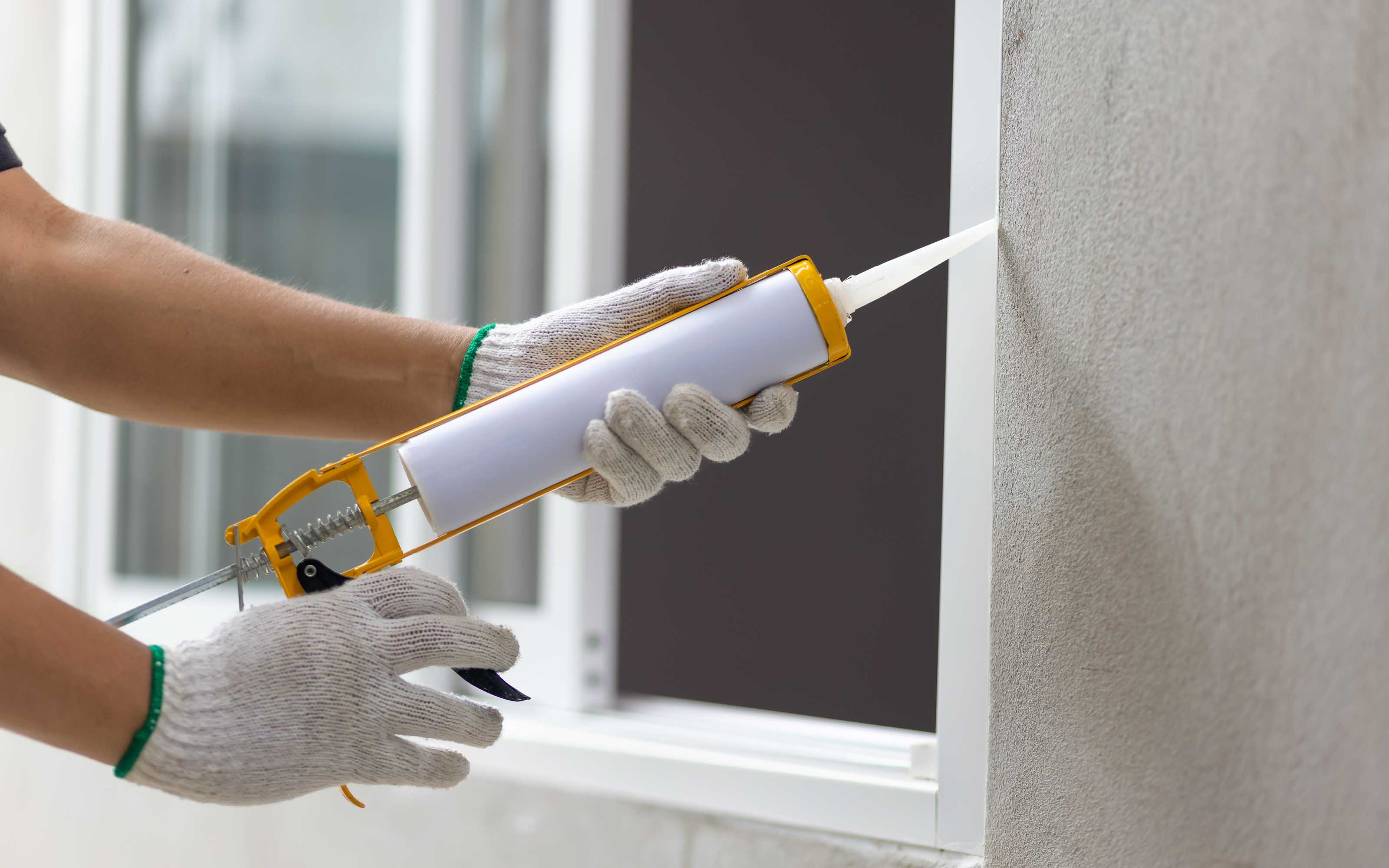
- Caulking around the window has failed
- Windows stick due to dirt, paint, or minor alignment issues
If your windows are relatively new and built with modern window systems, repairs can extend their usable life.
When does repairing windows stop making sense?
Repair stops being practical when problems are frequent, structural, or affecting energy efficiency. If you are fixing the same window repeatedly, replacement is often more economical.
Red flags include:
- Multiple repairs are needed within a short time
- Rising energy bills despite sealing and patching
- Damage that affects the frame, sash, or glass seal
At this stage, repairs address symptoms rather than the underlying problem.
How do drafts and energy bills signal it’s time for replacement?
Drafty windows are one of the clearest signs that replacement may be needed. Older windows often lack modern insulation features, allowing heat to escape in winter and enter in summer.
If you notice:
- Cold air near windows during cooler months
- Rooms that are hard to keep comfortable
- Increased heating or cooling costs year after year
New energy-efficient windows can dramatically reduce heat transfer and improve indoor comfort.
Why condensation between panes means replacement, not repair
Condensation trapped between glass panes indicates seal failure in double or triple-pane windows. Once the seal fails, the insulating gas escapes, and moisture enters the unit.
This problem cannot be permanently repaired. The window has lost its energy efficiency and clarity, and replacement is the only long-term solution.
How window frame damage affects safety and performance
Rotting wood, warped frames, or corrosion weaken the structure of your windows. This can lead to leaks, security issues, and difficulty opening or closing the window safely.
Frame damage often spreads beyond what repairs can fix. Replacing the entire window ensures proper sealing, smooth operation, and restored structural integrity.
Are your windows affecting home value and curb appeal?
Outdated or damaged windows can make a home look worn and poorly maintained. New windows instantly improve exterior appearance while signaling quality and efficiency to buyers.
For homeowners planning to sell or remodel, window replacement can:
- Increase resale appeal
- Improve perceived home condition
- Complement other upgrades like siding or doors
How long do windows typically last?
Most windows last between 15 and 25 years, depending on materials, climate, and installation quality. If your windows are approaching or beyond this range, replacement often provides better returns than continued repairs.
Older windows were not built to modern energy standards, making them less efficient even when functioning properly.
How replacing windows can save money over time
While replacement costs more upfront than repair, it often saves money long-term through:
- Lower energy bills
- Reduced maintenance costs
- Improved durability and warranties
- Increased comfort and usability
When repairs become frequent, replacement becomes the more financially responsible choice.
If you are weighing repair versus replacement and want to explore reliable options, The Window Depot offers a wide range of windows and remodeling materials designed for long-term performance and value. You can browse available products, materials, and solutions on the home remodeling resource center.
Contact us to reach out directly to discuss your project goals, timelines, and product questions. Speaking with an experienced team can help you make a confident decision based on your home’s needs, not guesswork.
Frequently Asked Questions
How do I know if my windows are repairable or need replacement?
If issues are minor and isolated, repairs may work. Structural damage, seal failure, or ongoing drafts usually mean replacement is the better option.
Is it cheaper to repair or replace windows?
Repairs are cheaper short term, but repeated fixes often cost more than replacing the window once.
Do new windows really improve energy efficiency?
Yes. Modern windows are designed to reduce heat transfer and air leakage, which helps lower heating and cooling costs.
Can I replace just some windows instead of all of them?
Yes. Many homeowners replace windows in stages, starting with the most damaged or inefficient ones.
How long does window replacement take?
Most standard window replacements can be completed in a single day, depending on the number of windows and project scope.
How to Know When It’s Time to Replace Your Windows Instead of Repairing Them