
How to Know It’s Time to Replace Your Home’s Windows

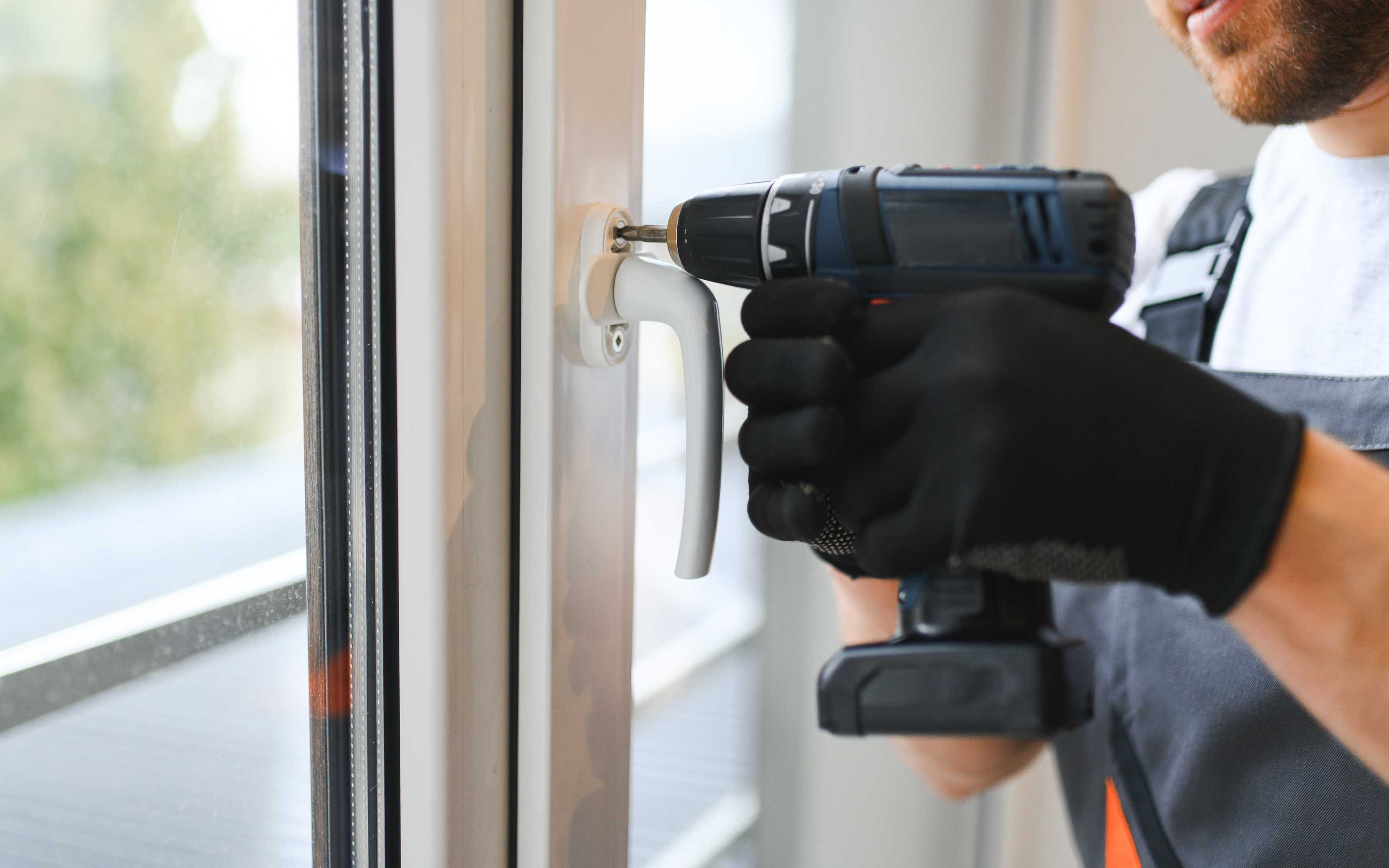
Windows play a major role in your home’s comfort, energy efficiency, and overall appearance. Many homeowners wait too long to replace aging windows, often because the signs are subtle at first. Knowing what to look for can help you avoid higher energy bills, structural damage, and unnecessary repairs.
If you are wondering whether it is time to upgrade, this guide breaks down the most common signs and what they mean for your home.
Quick Answers for Window Replacement Signs
- How do I know if my windows need to be replaced?
Common signs include drafts, difficulty opening or closing, condensation between panes, and visible damage. These issues usually indicate failing seals or aging materials. - Do old windows really increase energy bills?
Yes. Older windows often lose their insulating ability, allowing air to escape. This forces your heating and cooling system to work harder, increasing energy costs. - Is condensation between window panes a serious problem?
Yes. It usually means the seal has failed and the insulating gas is gone. This reduces energy efficiency and often requires full window replacement. - Can damaged windows affect my home’s structure?
Yes. Cracks and leaks can allow moisture to enter, which may lead to mold, wood rot, and wall damage over time. - When is the best time to replace windows?
The best time is when you start noticing performance issues. Modern installations can be done year-round, so delaying often leads to higher costs. - Are new windows worth the investment?
Yes. New windows improve comfort, reduce energy bills, and increase home value. Over time, they often pay for themselves through savings and added appeal.
What are the most obvious signs your windows need to be replaced?
The clearest indicators often show up in your daily routine. If your windows are no longer performing as expected, your home will let you know.
Look for these common warning signs:
- Drafts near closed windows
- Difficulty opening or closing
- Visible damage, such as cracks or warping
- Condensation between glass panes
- Outside noise is becoming more noticeable
When windows stop sealing properly, they lose their ability to insulate your home. This leads to discomfort and higher energy costs over time.
How do different window problems impact your home over time?
Understanding how specific window issues affect your home helps you make smarter replacement decisions. The table below breaks down common problems, what they mean, and the potential long-term impact.
|
Window Issue |
What It Means |
Short-Term Impact |
Long-Term Risk |
|---|---|---|---|
|
Drafts or air leaks |
Broken seals or poor insulation |
Uneven indoor temperatures |
Higher energy bills and HVAC strain |
|
Condensation between panes |
Failed window seal |
Reduced visibility |
Complete loss of insulation efficiency |
|
Difficulty opening or closing |
Warped frames or hardware failure |
Daily inconvenience |
Safety concerns during emergencies |
|
Visible cracks or damage |
Structural wear or impact damage |
Reduced curb appeal |
Water intrusion and structural decay |
|
Outside noise increase |
Poor sound insulation |
Less indoor comfort |
Lower property value over time |
|
Water leaks around frame |
Improper sealing or aging materials |
Moisture buildup |
Mold growth and wall damage |
|
Fading furniture or floors |
UV protection failure |
Interior discoloration |
Permanent damage to furnishings |
This breakdown helps homeowners quickly connect what they are experiencing with the real consequences. It also reinforces why timely window replacement is a smart investment.
Why do old windows increase energy bills?
Older windows are one of the biggest sources of energy loss in a home. Over time, seals weaken and materials degrade, allowing air to escape.
Modern energy-efficient windows are designed with features such as:
- Double or triple-pane glass
- Low-emissivity coatings
- Insulated frames
- Gas fills between panes
If your energy bills have steadily increased without a clear reason, your windows could be a major factor. Replacing them can significantly reduce heating and cooling costs.
How does window damage affect your home’s structure?
Damaged windows are not just a cosmetic issue. They can lead to more serious problems if ignored.
Moisture intrusion is one of the biggest risks. When water enters through cracks or gaps, it can cause:
- Wood rot
- Mold growth
- Wall and insulation damage
Addressing window issues early helps protect the structural integrity of your home and prevents costly repairs later.
What does condensation between window panes mean?
If you notice fog or moisture trapped between the glass panes, it usually means the seal has failed.
This is important because:
- The insulating gas has likely escaped
- The window is no longer energy efficient
- Visibility and appearance are reduced
Once the seal is broken, the window cannot be repaired effectively. Replacement is typically the best solution.
How do outdated windows affect home value and curb appeal?
Windows have a direct impact on how your home looks from the outside and feels on the inside.
Old or worn windows can make a home appear neglected. On the other hand, new windows can:
- Improve curb appeal
- Increase resale value
- Attract potential buyers
- Enhance natural lighting
For homeowners considering selling, window replacement is one of the upgrades that can deliver a strong return on investment.
How much can new windows save you over time?
Replacing old windows is not just about comfort. It also has a measurable impact on energy costs, maintenance, and long-term home value. The table below shows how upgrading to modern windows compares to keeping outdated ones.
|
Factor |
Old Windows |
New Energy-Efficient Windows |
Long-Term Benefit |
|---|---|---|---|
|
Energy efficiency |
Poor insulation |
Advanced insulation technology |
Lower monthly utility bills |
|
Heating and cooling costs |
Higher due to air leaks |
Reduced due to tight seals |
Consistent savings over time |
|
Maintenance needs |
Frequent repairs |
Minimal upkeep |
Lower maintenance expenses |
|
Indoor comfort |
Temperature fluctuations |
Stable indoor climate |
Improved daily comfort |
|
Noise reduction |
Limited sound blocking |
Enhanced sound insulation |
Quieter living environment |
|
Home value |
Neutral or negative impact |
Increased resale appeal |
Higher property value |
|
UV protection |
Minimal protection |
Built-in UV coatings |
Protects furniture and flooring |
This comparison highlights why many homeowners view window replacement as both a comfort upgrade and a smart financial decision.
When is the best time to replace your windows?
Many people assume window replacement should only happen during certain seasons. In reality, modern installation techniques allow for year-round replacement.
However, the best time is when you start noticing performance issues. Waiting too long can lead to:
- Higher utility costs
- More extensive damage
- Reduced indoor comfort
Acting early ensures you get the most value and avoid unnecessary complications.
Why should you choose high-quality replacement windows?
Not all windows are created equal. Choosing high-quality materials and proper installation makes a significant difference in long-term performance.
At The Window Depot, homeowners can find:
- Energy-efficient window options
- Durable materials built for long-term use
- Custom sizes for unique spaces
- Expert guidance for every project
Investing in the right windows ensures better comfort, lower energy costs, and improved home value.
Frequently Asked Questions
- How long do home windows typically last?
Most windows last between 15 to 25 years, depending on materials and maintenance. Vinyl and modern insulated windows often last longer than older wood models. - Can I replace just one window, or do I need to replace all of them?
You can replace individual windows. However, replacing multiple windows at once often improves energy efficiency and creates a more consistent appearance. - Are new windows really worth the cost?
Yes. New windows can lower energy bills, improve comfort, and increase home value. Over time, the savings and benefits often outweigh the initial investment. - How do I know if my windows are energy inefficient?
Common signs include drafts, rising energy bills, and uneven indoor temperatures. Condensation between panes is also a strong indicator. - What type of windows are best for energy efficiency?
Double or triple-pane windows with insulated frames and low-emissivity coatings are among the most energy-efficient options available today.
Why trust The Window Depot for window replacement guidance?
The Window Depot brings years of hands-on experience in supplying high-quality windows, doors, and home improvement materials to homeowners, contractors, and builders. As a family-owned business, the team understands the practical challenges of selecting the right products for different climates, budgets, and home styles.
Their expertise goes beyond product selection. The Window Depot helps customers evaluate energy efficiency, durability, and long-term value, ensuring each project is backed by informed recommendations and reliable materials. This real-world experience allows homeowners to make confident decisions when upgrading their windows. Contact Us!
How to Know It’s Time to Replace Your Home’s Windows