
Select your store: 2300 S. 6th Ave, Tucson

Online orders are in store pickup only.

0 $0.00
items in your cartto quote To cart
Ooops no items were found.
Try something else.
Ok
Loading…

How to Choose the Right Cabinet Layout for a Small Kitchen

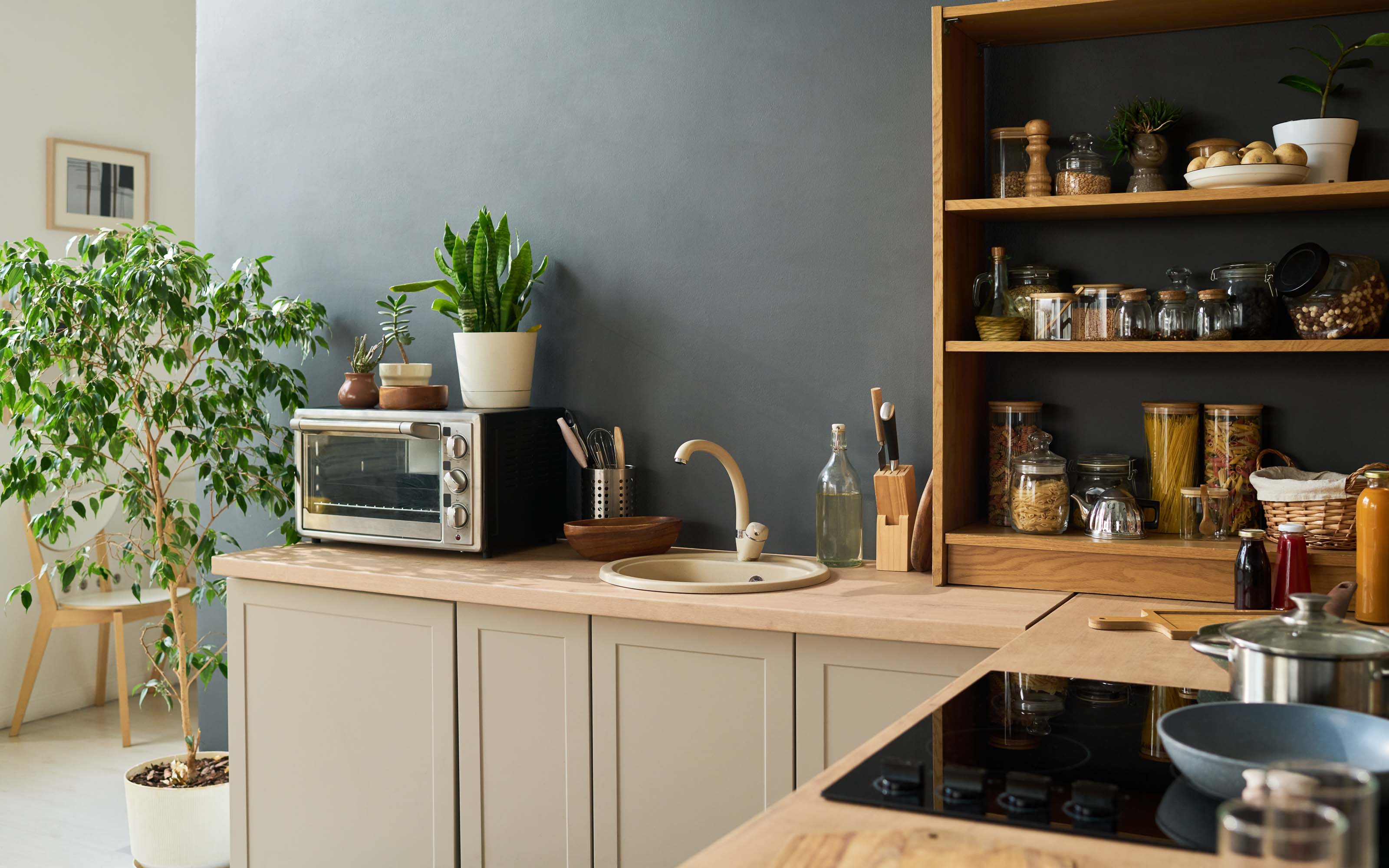
Modern small kitchen with efficient cabinet layout, open shelving, and organized storage design

Choosing the right kitchen cabinet layout is one of the most important steps in any kitchen renovation. In small kitchens, the layout directly affects storage, workflow, and how comfortable the space feels. A well-planned kitchen cabinets design layout improves organization, maximizes available space, and creates a more efficient cooking area.

Quick Answers for Small Kitchen Cabinet Layouts

  • What is the best layout for a small kitchen?
    The best layout for small kitchen spaces is typically a galley, L-shaped, or U-shaped design depending on your floor plan.
  • How do you maximize storage in a small kitchen?
    Use vertical cabinetry, wall kitchen units, drawers, and pantry solutions.
  • What makes a layout efficient?
    A layout with proper traffic flow and easy access to the sink, stove, and countertop improves efficiency.
  • What is the kitchen work triangle and why is it important
    The kitchen work triangle refers to the optimal placement of the sink, stove, and refrigerator. It helps improve efficiency by reducing unnecessary movement and creating a smoother workflow.
  • How much space is needed between cabinets in a small kitchen
    Ideally, there should be at least 36 inches of clearance between cabinets or countertops to allow comfortable movement and proper workflow in a small kitchen.

What Is the Best Kitchen Cabinet Layout for a Small Kitchen?

The best kitchen cabinets design layout depends on your available space and how your kitchen connects to surrounding areas like the dining room.

A strong layout should:

  • support smooth traffic flow
  • provide easy access to the sink and countertop workspace
  • maximize storage without overcrowding

Popular options include:

  • single-wall layouts for compact kitchens
  • galley kitchen layouts for efficiency
  • l shaped kitchen cabinets for flexibility
  • u shaped kitchen cabinets for maximum storage

How to Choose the Right Cabinet Layout Step by Step

Step 1: Review your floor planStart by understanding your kitchen’s layout, including walls, corners, and walkways.

Step 2: Plan your workflowPosition the sink, stove, and refrigerator to create an efficient working triangle.

Step 3: Choose a layout styleSelect from galley, L-shaped, or U-shaped layouts depending on your space.

Step 4: Organize storage zonesPlan where to place drawers, cabinets, and pantry storage.

Step 5: Maximize vertical storageUse tall cabinets and wall kitchen units to increase storage capacity.

Step 6: Check spacing and clearanceEnsure proper traffic flow and enough room to move comfortably.

How Do L-Shaped and U-Shaped Layouts Compare?

Both layouts are popular in small home kitchen design, but they serve different purposes.

  • L shaped kitchen cabinets are ideal for open layouts and flexibility
  • U shaped kitchen cabinets provide more storage and countertop space

L-shaped layouts work well for open concepts, while U-shaped designs are better for maximizing storage in enclosed kitchens.

What Is the Difference Between L-Shaped and U-Shaped Kitchen Cabinets?

When choosing between l shaped kitchen cabinets and u shaped kitchen cabinets, it is important to consider space, storage, and workflow.

  • L-shaped kitchen cabinets are ideal for open layouts and allow better connection to the dining room
  • U-shaped kitchen cabinets provide more storage and countertop space, making them ideal for enclosed kitchens

For small kitchens, L-shaped layouts are often preferred because they improve traffic flow while still offering enough cabinetry for storage.

How Can Pantry Storage Improve Your Kitchen?

Adding pantry storage is one of the most effective upgrades in a kitchen renovation.

Options include:

  • built-in pantry cabinets
  • walk in pantry cabinet ideas for larger spaces
  • compact pantry solutions for small kitchens

Pantry storage helps keep your kitchen organized and reduces clutter.

What Are the Best Pantry Cabinet Ideas for Small Kitchens?

Pantry storage plays a key role in any kitchen renovation, especially in compact spaces.

Some of the most effective solutions include:

  • walk in pantry cabinet ideas for larger homes
  • vertical pantry cabinets for tight spaces
  • built-in pantry units for seamless design
  • pull-out pantry drawers for easy access

Adding pantry storage helps improve organization and reduces clutter in small kitchens.

Small Kitchen Layout Comparison

Layout Type

Best For

Key Advantage

Single-wall layout

Very small kitchens

Saves maximum space

Galley layout

Narrow kitchens

Efficient workflow

L-shaped layout

Open small kitchens

Better movement

U-shaped layout

Closed kitchens

Maximum storage and countertop space

What Design Principles Do Experts Use?

Professional designers focus on efficiency and simplicity when planning layouts.

Key principles include:

  • maintaining clear traffic flow
  • prioritizing workflow over excessive cabinetry
  • using drawers for accessibility
  • maximizing countertop workspace

Many cool small kitchen designs and small kitchen cabinet design trends focus on clean layouts and practical storage.

What Mistakes Should You Avoid During a Renovation?

During a kitchen renovation, avoid these common mistakes:

  • overcrowding the space with cabinets
  • ignoring pantry storage options
  • blocking movement between work areas
  • choosing bulky cabinetry

Instead, focus on layouts that balance storage and usability.

When Should You Upgrade Your Kitchen Cabinets?

If your cabinets lack storage, show signs of wear, or no longer fit your layout, it may be time for an upgrade.

Modern kitchen cabinet solutions are designed to improve organization, increase storage, and enhance overall design. Homeowners can explore options from The Window Depot to improve both functionality and aesthetics.

If you are planning a renovation or exploring small kitchen cabinet design ideas, their team can provide expert guidance tailored to your space.

Pro Tips for Small Kitchen Cabinet Layouts

  • use drawers instead of deep cabinets for easier access
  • choose lighter colors to make the space feel larger
  • maximize vertical cabinetry and wall units
  • keep frequently used items within reach
  • maintain a clean and simple layout

Professional kitchen designers often recommend balancing cabinetry, countertop space, and traffic flow to create a more functional layout in small kitchens.

Small Kitchen Cabinet Design Options

Design Type

Best Use

Benefit

Small kitchen cabinet design

Compact homes

Maximizes storage

Wall kitchen units

Vertical storage

Saves floor space

U-shaped kitchen cabinets

Enclosed kitchens

More countertop area

L-shaped kitchen cabinets

Open layouts

Better traffic flow

Frequently Asked Questions

  1. What is the best layout for a very small kitchen?
    The best layout for a very small kitchen is usually a single-wall or galley layout. These designs maximize limited space, improve workflow, and allow better use of cabinetry and countertop areas without overcrowding.
  2. Are U-shaped kitchen cabinets good for small kitchens?
    Yes, u shaped kitchen cabinets can work well in small kitchens if space allows. They provide more storage and countertop space, but require careful planning to maintain proper traffic flow.
  3. How do you design a functional small kitchen layout?
    To design a functional layout, focus on the kitchen work triangle, ensure enough space between cabinets, and use vertical storage like wall kitchen units. A clear floor plan helps improve efficiency and organization.
  4. What type of cabinets are best for small kitchens?
    The best cabinets for small kitchens include space-saving cabinetry such as tall cabinets, wall-mounted units, and drawers. These options improve storage while keeping the kitchen open and uncluttered.
  5. How can I add more storage to a small kitchen?
    You can add more storage by using pantry cabinets, installing pull-out drawers, and maximizing vertical space. Solutions like walk in pantry cabinet ideas or compact pantry units help improve organization.

Expert Insight on Small Kitchen Layout Planning

Professional kitchen designers, certified renovation specialists, and members of organizations such as the National Kitchen and Bath Association emphasize that effective layout planning must prioritize workflow efficiency, proper spacing, and long-term usability rather than simply increasing cabinet quantity. These recommendations are based on established industry standards used in residential construction and interior design, including the kitchen work triangle, minimum clearance guidelines, and ergonomic accessibility principles.

Best practices include maintaining appropriate walkway clearances, typically around 36 inches for safe movement, and carefully positioning the sink, stove, and refrigerator to reduce unnecessary steps. Designers also apply space planning methods such as storage zoning, task-based countertop allocation, and the use of space-saving cabinetry solutions to improve accessibility and efficiency in compact kitchens.

In professional design and remodeling projects, these principles are applied through detailed planning, measurement, and real-world usability testing. Working with experienced professionals ensures that your kitchen cabinet layout follows proven standards, aligns with functional design principles, and delivers long-term performance, efficiency, and comfort in small kitchen spaces.

Conclusion

Choosing the right kitchen cabinet layout is essential for creating a functional and efficient small kitchen. With proper planning, smart storage, and the right design approach, even compact kitchens can become highly usable and visually appealing. Contact us!

How to Choose the Right Cabinet Layout for a Small Kitchen

Modern small kitchen with efficient cabinet layout, open shelving, and organized storage design

Choosing the right kitchen cabinet layout is one of the most important steps in any kitchen renovation. In small kitchens, the layout directly affects storage, workflow, and how comfortable the space feels. A well-planned kitchen cabinets design layout improves organization, maximizes available space, and creates a more efficient cooking area.

Quick Answers for Small Kitchen Cabinet Layouts

  • What is the best layout for a small kitchen?
    The best layout for small kitchen spaces is typically a galley, L-shaped, or U-shaped design depending on your floor plan.
  • How do you maximize storage in a small kitchen?
    Use vertical cabinetry, wall kitchen units, drawers, and pantry solutions.
  • What makes a layout efficient?
    A layout with proper traffic flow and easy access to the sink, stove, and countertop improves efficiency.
  • What is the kitchen work triangle and why is it important
    The kitchen work triangle refers to the optimal placement of the sink, stove, and refrigerator. It helps improve efficiency by reducing unnecessary movement and creating a smoother workflow.
  • How much space is needed between cabinets in a small kitchen
    Ideally, there should be at least 36 inches of clearance between cabinets or countertops to allow comfortable movement and proper workflow in a small kitchen.

What Is the Best Kitchen Cabinet Layout for a Small Kitchen?

The best kitchen cabinets design layout depends on your available space and how your kitchen connects to surrounding areas like the dining room.

A strong layout should:

  • support smooth traffic flow
  • provide easy access to the sink and countertop workspace
  • maximize storage without overcrowding

Popular options include:

  • single-wall layouts for compact kitchens
  • galley kitchen layouts for efficiency
  • l shaped kitchen cabinets for flexibility
  • u shaped kitchen cabinets for maximum storage

How to Choose the Right Cabinet Layout Step by Step

Step 1: Review your floor planStart by understanding your kitchen’s layout, including walls, corners, and walkways.

Step 2: Plan your workflowPosition the sink, stove, and refrigerator to create an efficient working triangle.

Step 3: Choose a layout styleSelect from galley, L-shaped, or U-shaped layouts depending on your space.

Step 4: Organize storage zonesPlan where to place drawers, cabinets, and pantry storage.

Step 5: Maximize vertical storageUse tall cabinets and wall kitchen units to increase storage capacity.

Step 6: Check spacing and clearanceEnsure proper traffic flow and enough room to move comfortably.

How Do L-Shaped and U-Shaped Layouts Compare?

Both layouts are popular in small home kitchen design, but they serve different purposes.

  • L shaped kitchen cabinets are ideal for open layouts and flexibility
  • U shaped kitchen cabinets provide more storage and countertop space

L-shaped layouts work well for open concepts, while U-shaped designs are better for maximizing storage in enclosed kitchens.

What Is the Difference Between L-Shaped and U-Shaped Kitchen Cabinets?

When choosing between l shaped kitchen cabinets and u shaped kitchen cabinets, it is important to consider space, storage, and workflow.

  • L-shaped kitchen cabinets are ideal for open layouts and allow better connection to the dining room
  • U-shaped kitchen cabinets provide more storage and countertop space, making them ideal for enclosed kitchens

For small kitchens, L-shaped layouts are often preferred because they improve traffic flow while still offering enough cabinetry for storage.

How Can Pantry Storage Improve Your Kitchen?

Adding pantry storage is one of the most effective upgrades in a kitchen renovation.

Options include:

  • built-in pantry cabinets
  • walk in pantry cabinet ideas for larger spaces
  • compact pantry solutions for small kitchens

Pantry storage helps keep your kitchen organized and reduces clutter.

What Are the Best Pantry Cabinet Ideas for Small Kitchens?

Pantry storage plays a key role in any kitchen renovation, especially in compact spaces.

Some of the most effective solutions include:

  • walk in pantry cabinet ideas for larger homes
  • vertical pantry cabinets for tight spaces
  • built-in pantry units for seamless design
  • pull-out pantry drawers for easy access

Adding pantry storage helps improve organization and reduces clutter in small kitchens.

Small Kitchen Layout Comparison

Layout Type

Best For

Key Advantage

Single-wall layout

Very small kitchens

Saves maximum space

Galley layout

Narrow kitchens

Efficient workflow

L-shaped layout

Open small kitchens

Better movement

U-shaped layout

Closed kitchens

Maximum storage and countertop space

What Design Principles Do Experts Use?

Professional designers focus on efficiency and simplicity when planning layouts.

Key principles include:

  • maintaining clear traffic flow
  • prioritizing workflow over excessive cabinetry
  • using drawers for accessibility
  • maximizing countertop workspace

Many cool small kitchen designs and small kitchen cabinet design trends focus on clean layouts and practical storage.

What Mistakes Should You Avoid During a Renovation?

During a kitchen renovation, avoid these common mistakes:

  • overcrowding the space with cabinets
  • ignoring pantry storage options
  • blocking movement between work areas
  • choosing bulky cabinetry

Instead, focus on layouts that balance storage and usability.

When Should You Upgrade Your Kitchen Cabinets?

If your cabinets lack storage, show signs of wear, or no longer fit your layout, it may be time for an upgrade.

Modern kitchen cabinet solutions are designed to improve organization, increase storage, and enhance overall design. Homeowners can explore options from The Window Depot to improve both functionality and aesthetics.

If you are planning a renovation or exploring small kitchen cabinet design ideas, their team can provide expert guidance tailored to your space.

Pro Tips for Small Kitchen Cabinet Layouts

  • use drawers instead of deep cabinets for easier access
  • choose lighter colors to make the space feel larger
  • maximize vertical cabinetry and wall units
  • keep frequently used items within reach
  • maintain a clean and simple layout

Professional kitchen designers often recommend balancing cabinetry, countertop space, and traffic flow to create a more functional layout in small kitchens.

Small Kitchen Cabinet Design Options

Design Type

Best Use

Benefit

Small kitchen cabinet design

Compact homes

Maximizes storage

Wall kitchen units

Vertical storage

Saves floor space

U-shaped kitchen cabinets

Enclosed kitchens

More countertop area

L-shaped kitchen cabinets

Open layouts

Better traffic flow

Frequently Asked Questions

  1. What is the best layout for a very small kitchen?
    The best layout for a very small kitchen is usually a single-wall or galley layout. These designs maximize limited space, improve workflow, and allow better use of cabinetry and countertop areas without overcrowding.
  2. Are U-shaped kitchen cabinets good for small kitchens?
    Yes, u shaped kitchen cabinets can work well in small kitchens if space allows. They provide more storage and countertop space, but require careful planning to maintain proper traffic flow.
  3. How do you design a functional small kitchen layout?
    To design a functional layout, focus on the kitchen work triangle, ensure enough space between cabinets, and use vertical storage like wall kitchen units. A clear floor plan helps improve efficiency and organization.
  4. What type of cabinets are best for small kitchens?
    The best cabinets for small kitchens include space-saving cabinetry such as tall cabinets, wall-mounted units, and drawers. These options improve storage while keeping the kitchen open and uncluttered.
  5. How can I add more storage to a small kitchen?
    You can add more storage by using pantry cabinets, installing pull-out drawers, and maximizing vertical space. Solutions like walk in pantry cabinet ideas or compact pantry units help improve organization.

Expert Insight on Small Kitchen Layout Planning

Professional kitchen designers, certified renovation specialists, and members of organizations such as the National Kitchen and Bath Association emphasize that effective layout planning must prioritize workflow efficiency, proper spacing, and long-term usability rather than simply increasing cabinet quantity. These recommendations are based on established industry standards used in residential construction and interior design, including the kitchen work triangle, minimum clearance guidelines, and ergonomic accessibility principles.

Best practices include maintaining appropriate walkway clearances, typically around 36 inches for safe movement, and carefully positioning the sink, stove, and refrigerator to reduce unnecessary steps. Designers also apply space planning methods such as storage zoning, task-based countertop allocation, and the use of space-saving cabinetry solutions to improve accessibility and efficiency in compact kitchens.

In professional design and remodeling projects, these principles are applied through detailed planning, measurement, and real-world usability testing. Working with experienced professionals ensures that your kitchen cabinet layout follows proven standards, aligns with functional design principles, and delivers long-term performance, efficiency, and comfort in small kitchen spaces.

Conclusion

Choosing the right kitchen cabinet layout is essential for creating a functional and efficient small kitchen. With proper planning, smart storage, and the right design approach, even compact kitchens can become highly usable and visually appealing. Contact us!

SEARCH ×