
How to Choose the Right Bathroom Vanity and Sink Combo for Your Space

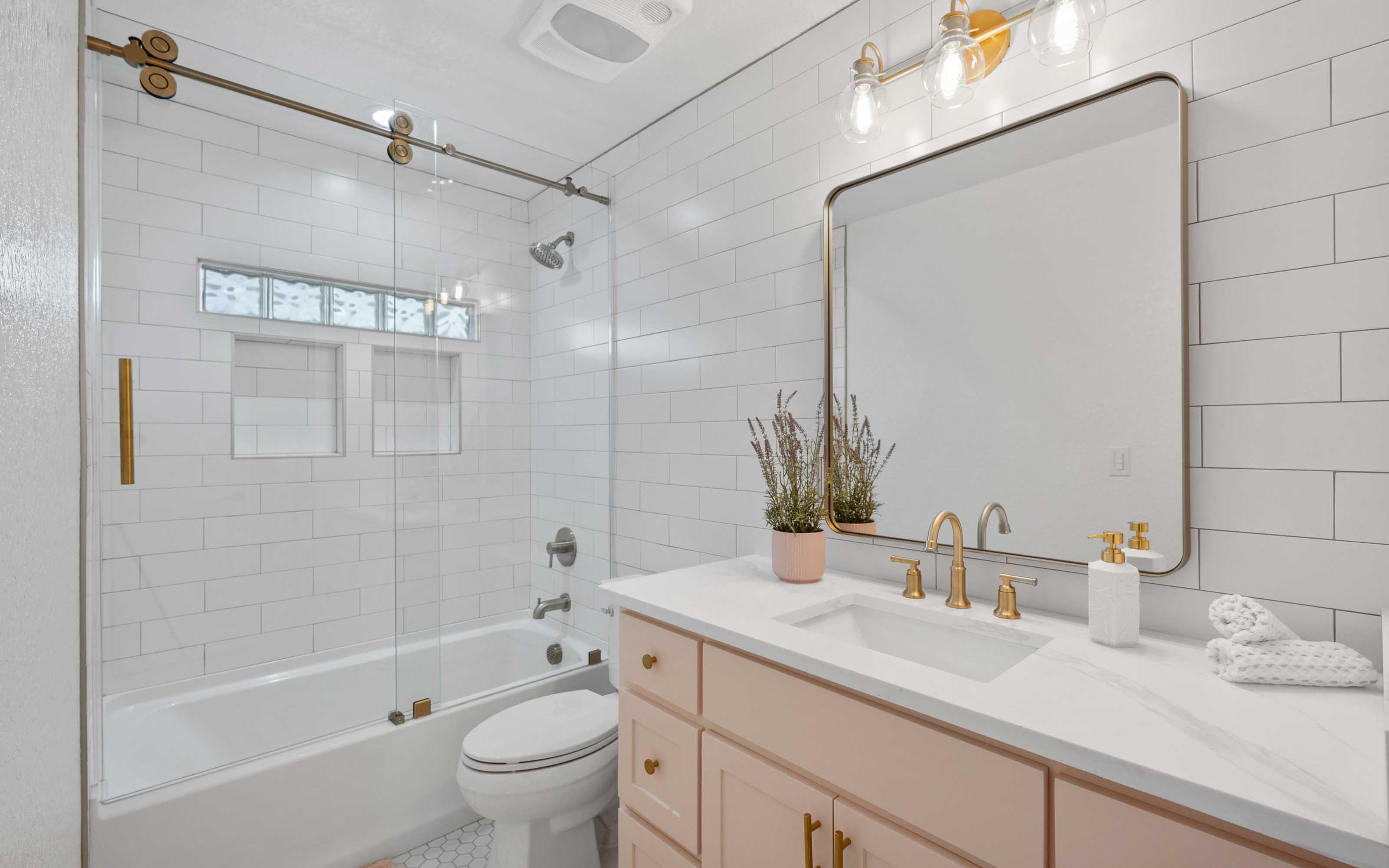
Choosing the right bathroom vanity and sink combo is one of the most important decisions in a bathroom remodel. The vanity is not just a visual focal point. It affects how the bathroom functions every day, how storage is organized, how easy the space is to clean, and how comfortable it feels for one or multiple users.
In busy homes, bathrooms often serve multiple purposes. They support morning routines, evening wind-downs, guest use, and sometimes shared family schedules. Selecting the right vanity and sink combination requires thoughtful planning around space, layout, materials, and long-term use. This guide explains how to choose a bathroom vanity and sink combo that fits your space, supports daily routines, and remains practical for years to come.
Why choosing the right vanity and sink combo matters
A bathroom vanity is used dozens of times each day. Poor sizing or layout can quickly make a bathroom feel cramped, cluttered, or inefficient.
The right vanity and sink combo:
- Improves movement and workflow
- Provides adequate storage for daily essentials
- Supports one or multiple users comfortably
- Makes cleaning easier and faster
- Enhances the overall look and balance of the room
Choosing the wrong vanity can lead to constant frustration, limited storage, and costly changes later.
How do you determine the correct vanity size for your bathroom?
Vanity size should always be determined by available space and bathroom layout, not just design preference.
Start by measuring the width, depth, and height of the installation area. Be sure to account for door swing, drawer clearance, toilet spacing, and walking paths. A vanity that looks great in a showroom may feel overwhelming or restrictive in a smaller bathroom.
General size guidelines:
- Small bathrooms and powder rooms often work best with 24 to 36 inch vanities
- Standard bathrooms typically accommodate 36 to 48-inch vanities
- Primary bathrooms with more space can support 60-inch or wider vanities, including double sink options
Choosing the correct size ensures the bathroom remains functional and comfortable for everyday use.
How does vanity depth affect bathroom functionality?
Depth is often overlooked but plays a critical role in comfort.
Standard vanity depth is usually around 21 inches. In narrow bathrooms, a shallower vanity can improve movement and prevent the space from feeling tight. Deeper vanities provide more storage but may restrict walkways in smaller layouts.
Balancing depth with room size helps maintain proper clearance and usability.
What sink type works best with your vanity?
The sink style influences daily use, cleaning effort, and overall appearance.
Integrated sinks
Integrated sinks are molded directly into the countertop. They offer a seamless appearance and are among the easiest options to clean due to the absence of seams and edges.
Undermount sinks
Undermount sinks attach beneath the countertop, creating a clean transition between sink and surface. They simplify countertop cleaning and are popular in modern and transitional bathrooms.
Vessel sinks
Vessel sinks sit on top of the countertop and create a bold design statement. While visually striking, they often require taller faucets and may need more frequent cleaning around the base.
Drop-in sinks
Drop-in sinks are installed into a cutout in the countertop. They are easy to replace and budget-friendly, but the visible rim can collect debris and require more cleaning.
The best sink type depends on cleaning preferences, faucet selection, and daily use patterns.
How important is storage when choosing a bathroom vanity?
Storage is one of the most critical factors, especially in busy households.
Vanities with drawers offer better organization than cabinet-only designs. Deep drawers are ideal for hair tools, toiletries, and bulk items. Shallow drawers work well for makeup, grooming tools, and smaller essentials.
Consider:
- How many people use the bathroom daily
- What items need to be stored within reach
- Whether concealed storage is preferred over open shelving
Smart storage design reduces clutter and improves efficiency.
Should you choose a single or double sink vanity?
The choice between single and double sinks depends on space and usage.
Single sink vanities:
- Works well in smaller bathrooms
- Offer more countertop and storage space
- Are easier to clean and maintain
Double sink vanities:
- Support shared bathrooms and busy mornings
- Require more width and plumbing planning
- Reduce wait times during peak use
If space allows, double vanities can greatly improve functionality in primary bathrooms.
What materials are best for bathroom vanity durability?
Bathrooms expose vanities to moisture, humidity, and frequent cleaning.
Durable vanity construction often includes:
- Solid wood or plywood boxes
- Moisture-resistant finishes
- Quality hardware designed for frequent use
Avoid low-quality materials that swell or warp when exposed to moisture. Durability is essential for long-term performance.
How does countertop material affect vanity performance?
The countertop and sink surface must withstand water exposure and daily cleaning.
Popular vanity countertop materials include:
- Quartz for low maintenance and durability
- Solid surface materials for seamless design
- Porcelain for moisture resistance and easy cleaning
Non-porous surfaces help prevent staining, mold growth, and water damage.
How do plumbing and layout influence vanity selection?
Existing plumbing often determines which vanity styles will work without modification.
Freestanding vanities offer flexibility, while wall-mounted vanities require precise plumbing alignment. Before selecting a vanity, confirm drain and water line locations to avoid unexpected changes during installation.
Proper planning helps ensure smooth installation and long-term reliability.
How should style and finish factor into your decision?
While function is the priority, style still matters.
Neutral finishes and clean lines remain popular because they adapt easily to changing décor. In 2026, homeowners continue to favor timeless vanity designs that balance visual appeal with practicality.
Choosing a vanity that blends well with multiple styles helps protect long-term value.
Where homeowners can explore vanity and sink options before choosing
Comparing vanity styles, sink configurations, and material options before committing helps homeowners make confident decisions. The Window Depot provides helpful information on bathroom vanities and home remodeling solutions, allowing homeowners to evaluate options based on size, storage, durability, and everyday usability.
What should you consider before installing a bathroom vanity?
Before installation, evaluate how the bathroom is used daily.
Key considerations include:
- Number of users
- Storage needs
- Cleaning habits
- Moisture exposure
- Budget and long-term plans
Matching the vanity and sink combo to household routines helps ensure comfort and satisfaction. If you have questions about layout, sizing, or materials, contact us.
Frequently Asked Questions
What vanity size works best for small bathrooms?
Vanities between 24 and 36 inches wide are usually best for compact spaces.
Are drawers better than cabinets in bathroom vanities?
Drawers typically provide better organization and easier access to daily items.
Which sink type is easiest to clean?
Integrated and undermount sinks are generally the easiest to maintain.
Do bathroom vanities need moisture protection?
Yes. Moisture-resistant materials and finishes help prevent warping and damage.
How long should a quality bathroom vanity last?
With proper care and installation, a quality vanity can last 15 to 25 years or more.
How to Choose the Right Bathroom Vanity and Sink Combo for Your Space