
Select your store: 2300 S. 6th Ave, Tucson

Online orders are in store pickup only.

0 $0.00
items in your cartto quote To cart
Ooops no items were found.
Try something else.
Ok
Loading…

How Low-E Glass Helps Arizona Homes Stay Cooler and Protect Against UV Damage

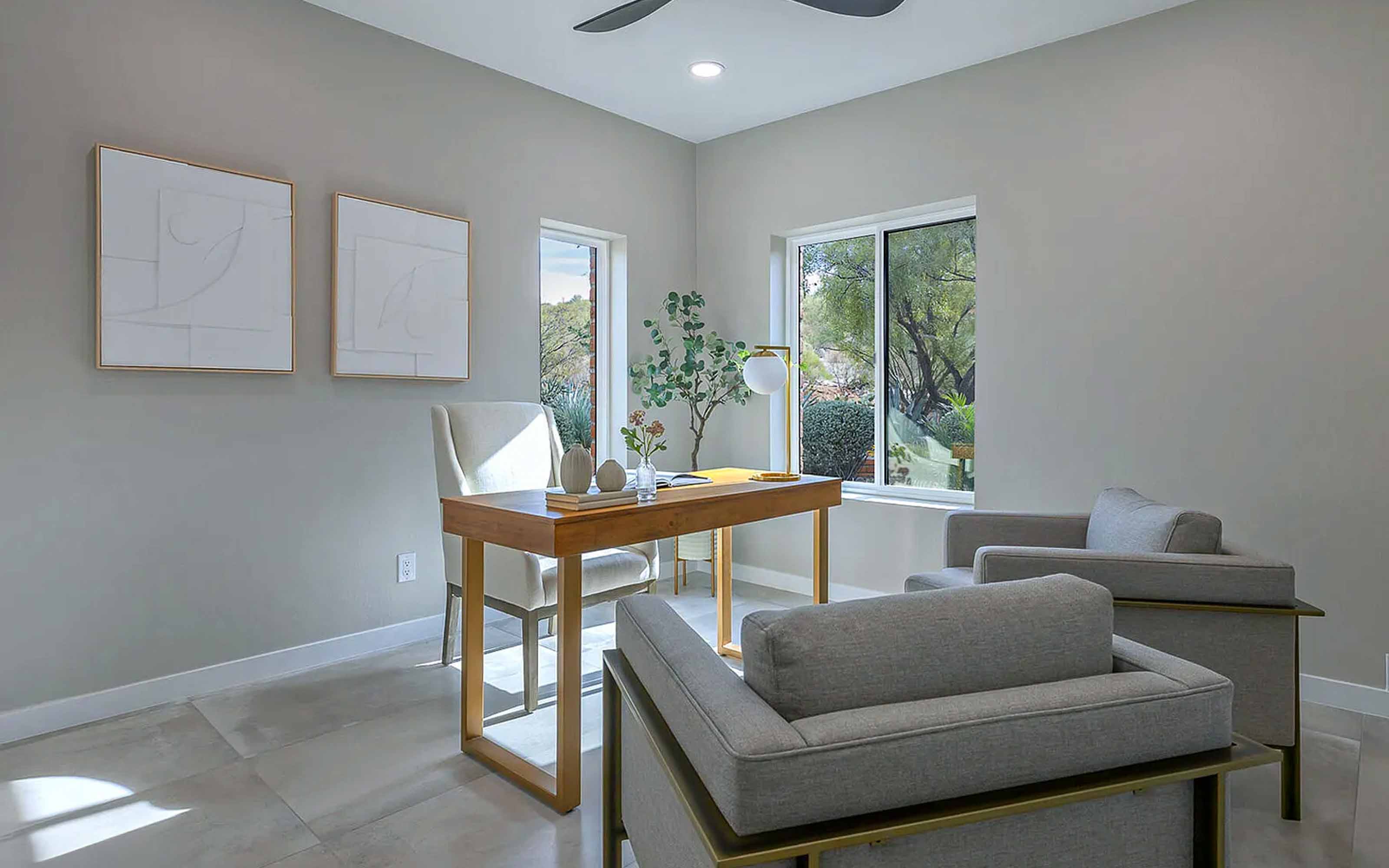
Modern Arizona home with energy-efficient Low-E glass windows reducing heat gain and blocking harmful UV rays

Arizona homeowners face unique challenges when it comes to maintaining indoor comfort. Intense sunlight, prolonged periods of heat, and high cooling demands can place significant strain on HVAC systems throughout much of the year. While many homeowners focus on insulation and air conditioning upgrades, the type of glass used in their windows can also play a major role in energy efficiency.

Low-E glass has become a popular feature in modern replacement windows because it helps reduce heat transfer, minimize UV exposure, and improve overall comfort. Understanding how this technology works can help homeowners make more informed decisions when upgrading their windows.

Quick Answers for Low-E Glass and Energy Efficiency

  • What is Low-E glass?
    Low-E, or low-emissivity glass, features a microscopically thin coating that helps reflect heat while allowing natural light to pass through.
  • How does Low-E glass help Arizona homes stay cooler?
    Low-E glass helps reduce solar heat gain by reflecting a portion of the sun's heat away from the home, helping indoor spaces remain more comfortable.
  • Does Low-E glass block UV rays?
    Yes. Many Low-E glass products help reduce harmful ultraviolet rays that can contribute to fading furniture, flooring, and décor.
  • Is Low-E glass energy efficient?
    Yes. Low-E glass is commonly used in energy-efficient windows because it helps improve insulation and reduce heat transfer.
  • Can Low-E glass lower cooling costs?
    By reducing solar heat gain and improving window performance, Low-E glass may help reduce the workload on air conditioning systems.
  • Is Low-E glass worth it in Arizona?
    Many Arizona homeowners choose Low-E glass because it can improve comfort, increase energy efficiency, and provide UV protection.

What Is Low-E Glass?

Low-E glass is a specially engineered window glass that includes an ultra-thin metallic coating designed to improve energy performance. The coating is virtually invisible but plays an important role in regulating heat transfer.

The term "Low-E" stands for low emissivity, which refers to the glass's ability to reflect heat energy while still allowing visible light to enter the home.

Modern Low-E glass is commonly used in:

  • Energy-efficient windows
  • Replacement windows
  • Patio doors
  • Contemporary residential designs
  • New construction projects

Its ability to balance natural light and thermal performance has made it a popular choice for homeowners throughout Arizona.

How Does Low-E Glass Work?

The Low-E coating reflects certain types of infrared heat energy while allowing visible light to pass through the glass.

This process helps:

  • Reduce solar heat gain
  • Improve indoor comfort
  • Support energy efficiency
  • Limit temperature fluctuations
  • Protect interior furnishings

Rather than blocking sunlight entirely, Low-E glass is designed to manage heat more effectively while maintaining a bright and welcoming indoor environment.

Why Is Low-E Glass Important in Arizona?

Arizona's climate presents unique challenges that make window performance especially important.

Many areas experience:

  • Extended periods of intense sunlight
  • High summer temperatures
  • Significant cooling demands
  • Increased exposure to ultraviolet radiation

Without energy-efficient window technology, homes can absorb large amounts of solar heat throughout the day.

Low-E glass helps address these challenges by reducing the amount of heat entering the home while still allowing natural daylight to brighten interior spaces.

How Does Low-E Glass Help Reduce Solar Heat Gain?

Solar heat gain occurs when sunlight passes through windows and transfers heat into the home.

This can lead to:

  • Warmer indoor temperatures
  • Increased air conditioning usage
  • Higher energy consumption
  • Reduced comfort near windows

Low-E glass helps reduce solar heat gain by reflecting a portion of the sun's infrared heat energy before it enters the living space.

For Arizona homeowners, this can contribute to a more comfortable indoor environment during the hottest months of the year.

How Does Low-E Glass Protect Against UV Damage?

Ultraviolet rays can affect more than just outdoor spaces. Over time, prolonged UV exposure through windows may contribute to fading and deterioration of interior materials.

Commonly affected items include:

  • Hardwood flooring
  • Area rugs
  • Upholstery
  • Curtains
  • Artwork
  • Wood furniture

Many Low-E glass products help reduce the amount of UV radiation that enters the home, helping preserve interior finishes and furnishings.

Can Low-E Glass Improve Energy Efficiency?

One of the primary reasons homeowners choose Low-E glass is its ability to support overall energy efficiency.

When paired with modern replacement windows, Low-E glass can help:

  • Reduce heat transfer
  • Improve insulation performance
  • Support HVAC efficiency
  • Enhance year-round comfort
  • Minimize energy waste

These benefits make Low-E glass a valuable component of many energy-efficient window systems.

What Is the Difference Between Standard Glass and Low-E Glass?

Many homeowners are unfamiliar with how Low-E glass differs from traditional window glass.

Feature

Standard Glass

Low-E Glass

Heat Reflection

Minimal

Enhanced

UV Protection

Limited

Improved

Energy Efficiency

Basic

Higher

Indoor Comfort

Moderate

Enhanced

Solar Heat Gain Control

Limited

Improved

Protection Against Fading

Minimal

Better

This comparison highlights why many modern replacement windows incorporate Low-E glass technology.

What Other Features Work With Low-E Glass?

Low-E glass is often paired with additional energy-efficient window technologies.

These may include:

Double-Pane Glass

Multiple panes create additional insulation between indoor and outdoor environments.

Argon Gas Fills

Insulating gas between glass panes can improve thermal performance.

Vinyl Window Frames

Insulated vinyl frames help reduce heat transfer and air leakage.

Quality Weather Seals

Proper sealing helps minimize drafts and energy loss.

Together, these features create a more efficient window system.

How Can Homeowners Tell If Their Windows Need an Upgrade?

Many homeowners may benefit from replacement windows if they experience:

  • Rising cooling costs
  • Excessive heat near windows
  • Drafts or air leaks
  • Fading furniture or flooring
  • Difficulty maintaining comfortable indoor temperatures
  • Older single-pane windows

Upgrading to windows with Low-E glass can help address many of these common concerns.

What Do Window Professionals Recommend for Arizona Homes?

Window professionals often recommend evaluating the complete window system rather than focusing on a single feature.

Important considerations include:

  • Low-E glass performance
  • Frame material
  • Insulated glass packages
  • Proper installation
  • Climate-specific energy ratings

The combination of these elements often determines how effectively a window performs in Arizona's demanding climate.

Why Do Arizona Homeowners Choose Low-E Glass?

Arizona homeowners often prioritize:

  • Lower cooling demands
  • Improved indoor comfort
  • Protection from intense sunlight
  • Better energy efficiency
  • Long-term value

Low-E glass helps support these goals while allowing homeowners to enjoy natural light without many of the drawbacks associated with excessive solar heat gain.

Why Choose The Window Depot for Energy-Efficient Windows?

Selecting the right windows can significantly impact comfort, efficiency, and long-term performance. The Window Depot offers energy-efficient window solutions designed to meet the unique demands of Arizona's climate.

Whether you're replacing aging windows or upgrading your home's energy performance, choosing windows with Low-E glass can help create a more comfortable and efficient living environment.

Contact The Window Depot

If you're considering replacement windows with Low-E glass, The Window Depot can help you explore options designed for Arizona homes. Contact our team today to learn more about energy-efficient window solutions that help reduce heat gain, improve comfort, and protect your home's interior.

Frequently Asked Questions

Does Low-E glass make rooms darker?

No. Low-E glass is designed to allow visible light to enter while helping manage heat transfer and UV exposure.

Is Low-E glass good for hot climates?

Yes. Low-E glass is commonly recommended for hot climates because it helps reduce solar heat gain and improve indoor comfort.

Can Low-E glass help lower energy bills?

By reducing heat transfer and improving window efficiency, Low-E glass may help decrease cooling demands and energy usage.

Does Low-E glass block UV rays?

Many Low-E glass products help reduce a significant portion of harmful ultraviolet radiation.

Is Low-E glass included in replacement windows?

Many modern replacement windows are available with Low-E glass options to improve energy performance.

Why is Low-E glass popular in Arizona?

Arizona homeowners often choose Low-E glass because it helps reduce heat gain, supports energy efficiency, and protects interiors from UV-related fading.

How Low-E Glass Helps Arizona Homes Stay Cooler and Protect Against UV Damage

Modern Arizona home with energy-efficient Low-E glass windows reducing heat gain and blocking harmful UV rays

Arizona homeowners face unique challenges when it comes to maintaining indoor comfort. Intense sunlight, prolonged periods of heat, and high cooling demands can place significant strain on HVAC systems throughout much of the year. While many homeowners focus on insulation and air conditioning upgrades, the type of glass used in their windows can also play a major role in energy efficiency.

Low-E glass has become a popular feature in modern replacement windows because it helps reduce heat transfer, minimize UV exposure, and improve overall comfort. Understanding how this technology works can help homeowners make more informed decisions when upgrading their windows.

Quick Answers for Low-E Glass and Energy Efficiency

  • What is Low-E glass?
    Low-E, or low-emissivity glass, features a microscopically thin coating that helps reflect heat while allowing natural light to pass through.
  • How does Low-E glass help Arizona homes stay cooler?
    Low-E glass helps reduce solar heat gain by reflecting a portion of the sun's heat away from the home, helping indoor spaces remain more comfortable.
  • Does Low-E glass block UV rays?
    Yes. Many Low-E glass products help reduce harmful ultraviolet rays that can contribute to fading furniture, flooring, and décor.
  • Is Low-E glass energy efficient?
    Yes. Low-E glass is commonly used in energy-efficient windows because it helps improve insulation and reduce heat transfer.
  • Can Low-E glass lower cooling costs?
    By reducing solar heat gain and improving window performance, Low-E glass may help reduce the workload on air conditioning systems.
  • Is Low-E glass worth it in Arizona?
    Many Arizona homeowners choose Low-E glass because it can improve comfort, increase energy efficiency, and provide UV protection.

What Is Low-E Glass?

Low-E glass is a specially engineered window glass that includes an ultra-thin metallic coating designed to improve energy performance. The coating is virtually invisible but plays an important role in regulating heat transfer.

The term "Low-E" stands for low emissivity, which refers to the glass's ability to reflect heat energy while still allowing visible light to enter the home.

Modern Low-E glass is commonly used in:

  • Energy-efficient windows
  • Replacement windows
  • Patio doors
  • Contemporary residential designs
  • New construction projects

Its ability to balance natural light and thermal performance has made it a popular choice for homeowners throughout Arizona.

How Does Low-E Glass Work?

The Low-E coating reflects certain types of infrared heat energy while allowing visible light to pass through the glass.

This process helps:

  • Reduce solar heat gain
  • Improve indoor comfort
  • Support energy efficiency
  • Limit temperature fluctuations
  • Protect interior furnishings

Rather than blocking sunlight entirely, Low-E glass is designed to manage heat more effectively while maintaining a bright and welcoming indoor environment.

Why Is Low-E Glass Important in Arizona?

Arizona's climate presents unique challenges that make window performance especially important.

Many areas experience:

  • Extended periods of intense sunlight
  • High summer temperatures
  • Significant cooling demands
  • Increased exposure to ultraviolet radiation

Without energy-efficient window technology, homes can absorb large amounts of solar heat throughout the day.

Low-E glass helps address these challenges by reducing the amount of heat entering the home while still allowing natural daylight to brighten interior spaces.

How Does Low-E Glass Help Reduce Solar Heat Gain?

Solar heat gain occurs when sunlight passes through windows and transfers heat into the home.

This can lead to:

  • Warmer indoor temperatures
  • Increased air conditioning usage
  • Higher energy consumption
  • Reduced comfort near windows

Low-E glass helps reduce solar heat gain by reflecting a portion of the sun's infrared heat energy before it enters the living space.

For Arizona homeowners, this can contribute to a more comfortable indoor environment during the hottest months of the year.

How Does Low-E Glass Protect Against UV Damage?

Ultraviolet rays can affect more than just outdoor spaces. Over time, prolonged UV exposure through windows may contribute to fading and deterioration of interior materials.

Commonly affected items include:

  • Hardwood flooring
  • Area rugs
  • Upholstery
  • Curtains
  • Artwork
  • Wood furniture

Many Low-E glass products help reduce the amount of UV radiation that enters the home, helping preserve interior finishes and furnishings.

Can Low-E Glass Improve Energy Efficiency?

One of the primary reasons homeowners choose Low-E glass is its ability to support overall energy efficiency.

When paired with modern replacement windows, Low-E glass can help:

  • Reduce heat transfer
  • Improve insulation performance
  • Support HVAC efficiency
  • Enhance year-round comfort
  • Minimize energy waste

These benefits make Low-E glass a valuable component of many energy-efficient window systems.

What Is the Difference Between Standard Glass and Low-E Glass?

Many homeowners are unfamiliar with how Low-E glass differs from traditional window glass.

Feature

Standard Glass

Low-E Glass

Heat Reflection

Minimal

Enhanced

UV Protection

Limited

Improved

Energy Efficiency

Basic

Higher

Indoor Comfort

Moderate

Enhanced

Solar Heat Gain Control

Limited

Improved

Protection Against Fading

Minimal

Better

This comparison highlights why many modern replacement windows incorporate Low-E glass technology.

What Other Features Work With Low-E Glass?

Low-E glass is often paired with additional energy-efficient window technologies.

These may include:

Double-Pane Glass

Multiple panes create additional insulation between indoor and outdoor environments.

Argon Gas Fills

Insulating gas between glass panes can improve thermal performance.

Vinyl Window Frames

Insulated vinyl frames help reduce heat transfer and air leakage.

Quality Weather Seals

Proper sealing helps minimize drafts and energy loss.

Together, these features create a more efficient window system.

How Can Homeowners Tell If Their Windows Need an Upgrade?

Many homeowners may benefit from replacement windows if they experience:

  • Rising cooling costs
  • Excessive heat near windows
  • Drafts or air leaks
  • Fading furniture or flooring
  • Difficulty maintaining comfortable indoor temperatures
  • Older single-pane windows

Upgrading to windows with Low-E glass can help address many of these common concerns.

What Do Window Professionals Recommend for Arizona Homes?

Window professionals often recommend evaluating the complete window system rather than focusing on a single feature.

Important considerations include:

  • Low-E glass performance
  • Frame material
  • Insulated glass packages
  • Proper installation
  • Climate-specific energy ratings

The combination of these elements often determines how effectively a window performs in Arizona's demanding climate.

Why Do Arizona Homeowners Choose Low-E Glass?

Arizona homeowners often prioritize:

  • Lower cooling demands
  • Improved indoor comfort
  • Protection from intense sunlight
  • Better energy efficiency
  • Long-term value

Low-E glass helps support these goals while allowing homeowners to enjoy natural light without many of the drawbacks associated with excessive solar heat gain.

Why Choose The Window Depot for Energy-Efficient Windows?

Selecting the right windows can significantly impact comfort, efficiency, and long-term performance. The Window Depot offers energy-efficient window solutions designed to meet the unique demands of Arizona's climate.

Whether you're replacing aging windows or upgrading your home's energy performance, choosing windows with Low-E glass can help create a more comfortable and efficient living environment.

Contact The Window Depot

If you're considering replacement windows with Low-E glass, The Window Depot can help you explore options designed for Arizona homes. Contact our team today to learn more about energy-efficient window solutions that help reduce heat gain, improve comfort, and protect your home's interior.

Frequently Asked Questions

Does Low-E glass make rooms darker?

No. Low-E glass is designed to allow visible light to enter while helping manage heat transfer and UV exposure.

Is Low-E glass good for hot climates?

Yes. Low-E glass is commonly recommended for hot climates because it helps reduce solar heat gain and improve indoor comfort.

Can Low-E glass help lower energy bills?

By reducing heat transfer and improving window efficiency, Low-E glass may help decrease cooling demands and energy usage.

Does Low-E glass block UV rays?

Many Low-E glass products help reduce a significant portion of harmful ultraviolet radiation.

Is Low-E glass included in replacement windows?

Many modern replacement windows are available with Low-E glass options to improve energy performance.

Why is Low-E glass popular in Arizona?

Arizona homeowners often choose Low-E glass because it helps reduce heat gain, supports energy efficiency, and protects interiors from UV-related fading.

SEARCH ×