
How Arizona's Extreme Heat Impacts Window Lifespan

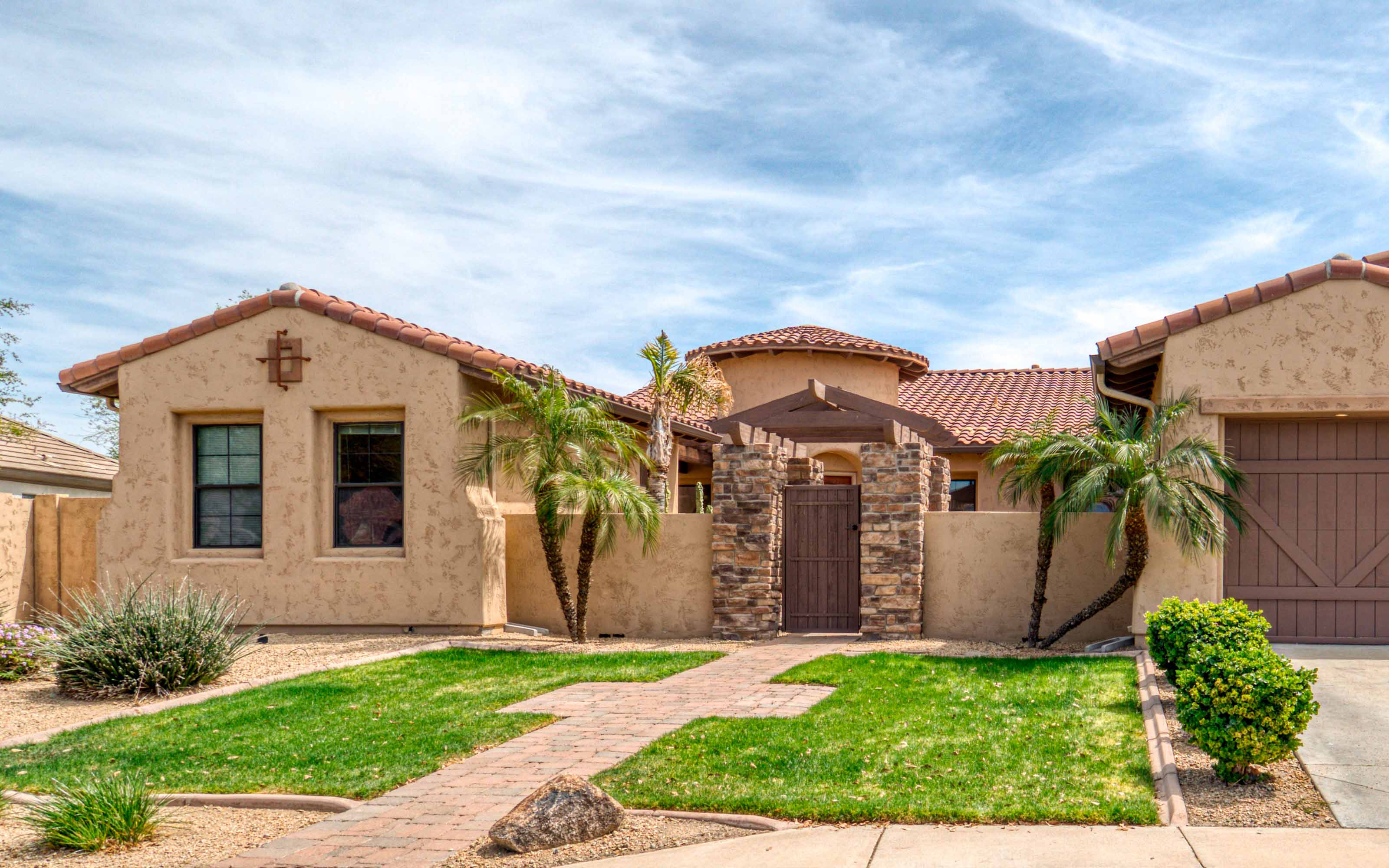
Arizona homeowners know that the desert climate can be unforgiving. Long summers, intense sunlight, and temperatures that regularly climb into triple digits place constant stress on homes and building materials. While roofing, siding, and HVAC systems often receive attention for weather-related wear, windows are also exposed to the same challenging conditions every day.
Many homeowners assume windows will last indefinitely as long as the glass remains intact. However, Arizona's extreme heat can gradually impact window frames, seals, hardware, and overall performance. Over time, even high-quality windows experience wear from repeated exposure to heat, ultraviolet rays, and temperature fluctuations.
At The Window Depot, homeowners often ask how long their windows should last in Arizona and what factors contribute to premature aging. Understanding how extreme heat affects windows can help you recognize warning signs early, extend the life of your investment, and make informed decisions about repairs or replacement.
Quick Answers About Window Lifespan in Arizona
- How does Arizona heat affect window lifespan?
Extreme heat causes materials to expand and contract repeatedly, which can weaken seals, stress frames, and accelerate wear on window components over time. - Do UV rays damage windows?
Yes. Constant UV exposure can contribute to fading, deterioration of seals, and reduced performance, especially in older windows. - How long do windows typically last in Arizona?
Lifespan varies by material, installation quality, maintenance, and exposure, but Arizona's climate can accelerate aging compared to milder regions. - What are the signs that windows are nearing the end of their lifespan?
Drafts, rising energy bills, difficulty opening or closing windows, condensation between panes, and visible frame damage are common warning signs. - Can maintenance help extend window lifespan?
Regular cleaning, inspections, and prompt repairs can help maximize performance and delay replacement. - Are modern replacement windows better suited for Arizona?
Many modern windows are designed with advanced materials, Low-E glass, and improved insulation technologies that perform better in hot climates.
Why Arizona's Climate Is Hard on Windows
Arizona's climate creates unique challenges that windows must endure year after year.
Unlike regions that experience frequent rainfall or freezing temperatures, Arizona windows face prolonged exposure to:
- Intense solar radiation
- Extreme daytime temperatures
- Significant temperature swings
- Dry conditions
- Dust storms
- Monsoon weather events
These environmental factors can accelerate the aging process of window components and impact overall performance.
The combination of heat and UV exposure is particularly demanding. Even when temperatures feel manageable indoors, window surfaces can become significantly hotter when exposed to direct sunlight for extended periods.
As windows absorb heat throughout the day and cool during the evening, the continuous cycle of expansion and contraction places stress on materials. Over time, this repeated movement can contribute to deterioration and reduced efficiency.
How Heat Causes Window Materials to Expand and Contract
One of the most significant ways Arizona heat affects windows is through thermal expansion and contraction.
Every material expands when heated and contracts when cooled. While this process is natural, repeated cycles over many years can gradually affect window performance.
Window components that may experience thermal stress include:
- Glass panes
- Vinyl frames
- Aluminum frames
- Weatherstripping
- Hardware
- Sealants
When temperatures rise during the day, these materials expand. As temperatures cool at night, they contract.
Although each movement is small, thousands of expansion and contraction cycles occur throughout a window's lifespan. Over time, these cycles can contribute to wear and tear that affects operation and energy efficiency.
The Impact of Extreme Heat on Window Seals
Window seals play a critical role in maintaining energy efficiency.
Modern insulated windows typically contain multiple panes of glass separated by an insulating space. Specialized seals help maintain the integrity of this system.
Arizona's heat can place significant stress on these seals over time.
When seals begin to weaken, homeowners may notice:
- Condensation between panes
- Foggy glass appearance
- Reduced insulation performance
- Increased heat transfer
Seal failure is one of the most common age-related issues affecting windows.
Because seals are constantly exposed to temperature changes and sunlight, prolonged heat exposure can accelerate deterioration, particularly in older windows.
How UV Exposure Contributes to Window Aging
Ultraviolet radiation is another major factor affecting window lifespan.
Arizona receives abundant sunshine throughout the year, which means windows experience far more UV exposure than homes in many other parts of the country.
UV rays can impact:
Window Frames
Extended sun exposure may contribute to fading, discoloration, and gradual material degradation.
Sealants and Weatherstripping
Protective components designed to block air and moisture can become less effective as they age.
Interior Furnishings
While not directly related to lifespan, windows with outdated glass technology may allow more UV rays into the home, increasing the risk of fading furniture, flooring, artwork, and fabrics.
Modern window technologies are designed to help address these concerns, but older windows may become increasingly vulnerable over time.
Why Older Windows Often Struggle in Arizona
Many homes throughout Arizona still contain windows that were installed decades ago.
While older windows may continue functioning, they often lack the advanced technologies available today.
Common limitations include:
- Reduced insulation performance
- Less effective UV protection
- Aging seals
- Worn hardware
- Increased air leakage
As windows age, Arizona's climate tends to magnify these weaknesses.
Homeowners may notice that rooms become hotter during summer afternoons or that cooling systems must work harder to maintain comfortable temperatures.
In many cases, declining performance develops gradually, making it difficult to recognize the issue until utility costs increase significantly.
Signs That Arizona Heat May Be Shortening Your Window Lifespan
Understanding the warning signs of window deterioration can help homeowners address issues before they become more costly.
Rising Energy Bills
A sudden increase in cooling costs may indicate declining window efficiency.
If conditioned air escapes or outdoor heat enters more easily, HVAC systems must work harder to maintain indoor comfort.
Hot Spots Near Windows
Rooms that feel noticeably warmer near windows may indicate excessive heat transfer.
Drafts
Even in Arizona's warm climate, drafts can signal failing seals or aging components.
Difficulty Opening and Closing
Heat-related expansion, frame distortion, or worn hardware can make windows harder to operate.
Condensation Between Panes
Moisture trapped between glass layers often suggests seal failure.
Visible Damage
Cracks, warping, discoloration, or deterioration may indicate that windows are approaching the end of their useful lifespan.
How Different Window Materials Respond to Arizona Heat
Not all window materials perform the same under extreme conditions.
Vinyl Windows
Vinyl windows remain popular because they offer strong insulation, low maintenance requirements, and resistance to many environmental stressors.
High-quality vinyl windows are engineered to handle temperature fluctuations while maintaining energy efficiency.
Aluminum Windows
Aluminum windows are valued for strength and slim profiles.
Modern aluminum systems often include thermal breaks that help improve energy performance in hot climates.
Composite Materials
Composite windows combine durability with energy-efficient characteristics and are designed to withstand demanding weather conditions.
The quality of the materials, manufacturing process, and installation all influence long-term durability.
The Role of Proper Installation in Window Longevity
Even the best windows can experience performance issues if installation is not completed correctly.
Proper installation helps ensure:
- Airtight sealing
- Water management
- Structural stability
- Long-term performance
Incorrect installation can create gaps that allow air infiltration and place unnecessary stress on window components.
In Arizona's climate, these issues may become more noticeable as heat exposure increases.
Professional installation helps maximize the lifespan and performance of replacement windows.
How Modern Window Technology Helps Combat Arizona Heat
Window technology has advanced significantly in recent years.
Many modern replacement windows are specifically designed to address challenges associated with hot climates.
Features commonly found in newer systems include:
Low-E Glass
Low-emissivity coatings help reduce heat transfer while allowing natural light into the home.
Multi-Pane Glass
Multiple glass layers improve insulation and thermal performance.
Improved Frame Designs
Modern frames are engineered for durability and energy efficiency.
Advanced Weatherstripping
Enhanced sealing systems help reduce air leakage and improve comfort.
Energy-Efficient Construction
Today's windows often provide better thermal performance than older models, helping homeowners maintain more consistent indoor temperatures.
Tips for Extending Window Lifespan in Arizona
While no window lasts forever, proper care can help maximize longevity.
Clean Windows Regularly
Dust, debris, and contaminants can accumulate over time.
Routine cleaning helps preserve appearance and functionality.
Inspect Seals
Look for cracks, gaps, or visible deterioration around window edges.
Check Hardware
Ensure locks, hinges, and moving components operate smoothly.
Address Problems Early
Small issues often become larger problems if ignored.
Prompt maintenance can help prevent more extensive damage.
Schedule Professional Evaluations
Periodic inspections can identify concerns before they significantly affect performance.
When Is It Time to Consider Window Replacement?
Eventually, every window reaches a point where replacement becomes the most practical solution.
Homeowners may want to consider replacement when:
- Energy bills continue to rise
- Windows become difficult to operate
- Seal failure is widespread
- Drafts persist
- Comfort levels decline
- Visible deterioration becomes extensive
Replacement windows can offer improved comfort, enhanced energy efficiency, better UV protection, and long-term value.
For Arizona homeowners, selecting products designed specifically for hot climates can provide meaningful benefits for years to come.
Frequently Asked Questions
How long do windows last in Arizona?
Lifespan varies depending on materials, installation quality, maintenance, and environmental exposure. Arizona's extreme climate can accelerate wear compared to milder regions.
Does heat damage window glass?
Glass itself is highly durable, but prolonged heat exposure can contribute to stress on seals, frames, and other window components that affect overall performance.
Can UV rays shorten window lifespan?
Continuous UV exposure may contribute to fading, deterioration of materials, and accelerated aging of window components over time.
Are replacement windows worth it in Arizona?
Many homeowners find that modern replacement windows provide improved energy efficiency, comfort, UV protection, and overall performance compared to older systems.
What is the most common sign of aging windows?
Rising energy bills, drafts, condensation between panes, and difficulty operating windows are among the most common indicators.
Conclusion
Arizona's extreme heat places unique demands on residential windows. Constant exposure to intense sunlight, high temperatures, UV radiation, and daily thermal expansion cycles can gradually impact seals, frames, hardware, and overall performance. While all windows experience aging over time, the desert climate can accelerate wear and make issues more noticeable.
Recognizing the warning signs of declining window performance allows homeowners to take action before small problems become costly repairs. Regular maintenance, inspections, and timely upgrades can help extend window lifespan and improve comfort throughout the year.
At The Window Depot, we help Arizona homeowners find high-quality window solutions designed to perform in demanding desert conditions. Whether you're evaluating aging windows or exploring replacement options, our team can help you choose products that support long-term comfort, efficiency, and durability. Contact us today to learn more about replacement windows built for Arizona's climate.
How Arizona's Extreme Heat Impacts Window Lifespan