
How Arizona's Climate Affects Skylight Performance

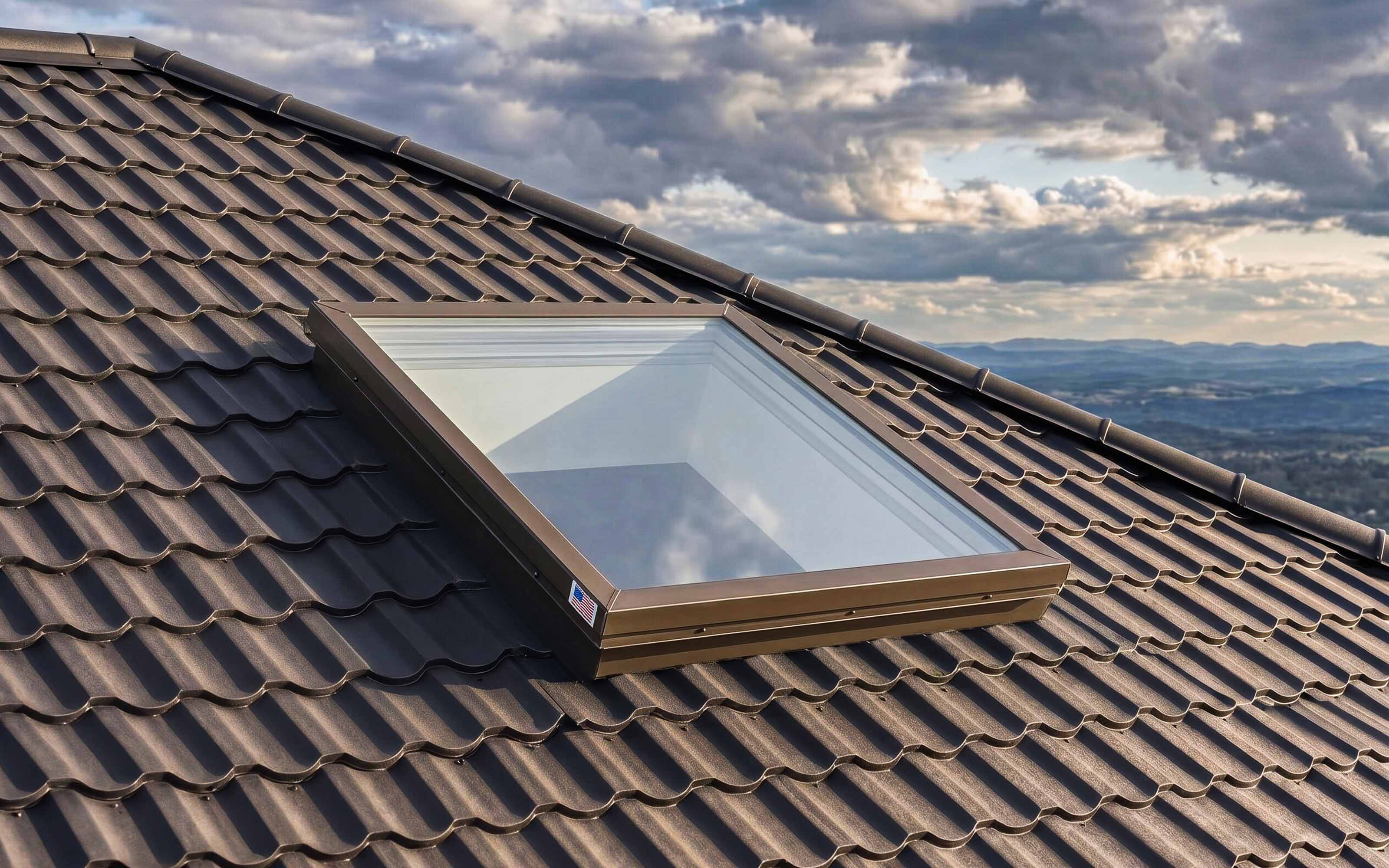
Arizona homeowners enjoy more sunshine than almost anywhere else in the United States. With more than 300 sunny days each year, natural light is one of the state's greatest assets. Skylights allow homeowners to bring that sunlight deeper into their homes, creating brighter interiors, reducing dependence on artificial lighting, and enhancing the overall appearance of living spaces.
However, Arizona's climate also presents unique challenges. Extreme summer temperatures, intense UV exposure, prolonged sun exposure, and seasonal monsoon storms can all influence how skylights perform over time. While modern skylights are designed to withstand demanding conditions, understanding how Arizona's environment affects skylight performance can help homeowners make informed decisions when choosing, installing, or replacing skylights.
The good news is that today's skylight technologies offer significant improvements in energy efficiency, durability, and weather resistance. By selecting the right products and ensuring professional installation, homeowners can enjoy the benefits of natural light while maintaining indoor comfort and long-term performance.
Quick Answers for Skylight Performance in Arizona
- Do skylights work well in Arizona homes?
Yes. Modern skylights with Low-E glass, insulated glazing, and professional installation can perform efficiently in Arizona's hot climate while providing abundant natural light. - Can skylights make a home hotter?
Older skylights may increase heat gain, but energy-efficient skylights are designed to reduce solar heat transfer while still allowing natural daylight into the home. - How does Arizona's sunlight affect skylights?
Arizona's intense sunlight increases UV exposure and heat gain. Modern skylights use advanced glazing technologies to improve durability and energy efficiency. - Are skylights affected by monsoon storms?
Properly installed skylights are designed to withstand heavy rain, strong winds, and seasonal weather conditions common during Arizona's monsoon season. - What type of skylight performs best in Arizona?
Energy-efficient skylights with Low-E glass, insulated glazing, UV protection, and high-quality flashing systems generally provide the best performance. - Can skylights help reduce lighting costs?
Yes. Skylights increase natural daylight, helping homeowners rely less on artificial lighting during daytime hours.
Why Arizona's Climate Creates Unique Challenges for Skylights
Arizona's climate differs significantly from that of many parts of the country. Long periods of sunshine, high temperatures, and strong UV exposure place additional demands on building materials, including skylights.
Unlike traditional windows, skylights are installed on the roof, where they receive direct sunlight for much of the day. This exposure increases the importance of selecting products specifically designed for hot climates.
Environmental factors that affect skylight performance include:
- Intense solar radiation
- High summer temperatures
- Ultraviolet exposure
- Dust storms
- Monsoon rains
- Strong seasonal winds
While these conditions can impact skylights, modern products are engineered to handle these challenges while maintaining comfort and efficiency.
How Does Arizona's Intense Sunlight Affect Skylight Performance?
Arizona's abundant sunshine is one of the primary reasons homeowners install skylights. Natural daylight can make rooms feel larger, brighter, and more inviting.
However, sunlight also carries heat and ultraviolet radiation. Without proper glazing technology, excessive solar exposure can lead to:
- Increased indoor temperatures
- Greater cooling demands
- Excessive glare
- Uneven room comfort
- Increased energy consumption
Modern skylights use advanced glass technologies that help manage solar heat gain while preserving the benefits of natural light.
By reducing the amount of infrared heat entering the home, these skylights help create a more comfortable indoor environment throughout the year.
Why Is Low-E Glass Important for Arizona Skylights?
Low-E, or low-emissivity glass, is one of the most important features homeowners should consider when selecting skylights.
Low-E coatings are microscopically thin metallic layers applied to the glass surface. These coatings help reflect heat while allowing visible light to pass through.
Benefits of Low-E glass include:
- Reduced solar heat gain
- Improved indoor comfort
- Better energy efficiency
- Lower cooling costs
- Enhanced UV protection
For Arizona homeowners, Low-E glass can significantly improve skylight performance by helping maintain comfortable indoor temperatures even during the hottest months of the year.
How Does UV Exposure Impact Skylight Durability?
Arizona experiences some of the highest UV levels in the United States.
Over time, prolonged ultraviolet exposure can affect many building materials. Older skylights may experience:
- Seal deterioration
- Material degradation
- Discoloration
- Reduced energy performance
UV exposure can also affect interior furnishings, including:
- Hardwood floors
- Carpets
- Furniture
- Artwork
- Window treatments
Modern skylights are designed with UV-resistant glazing systems that help protect both the skylight itself and the home's interior.
How Does Arizona Heat Influence Energy Efficiency?
Energy efficiency is a major concern for Arizona homeowners because cooling systems often operate for extended periods throughout the year.
The amount of heat entering through a skylight directly impacts HVAC performance and energy consumption.
Features That Improve Skylight Energy Efficiency
|
Feature |
Benefit |
|---|---|
|
Low-E Glass |
Reduces solar heat gain |
|
Double-Pane Glass |
Improves insulation |
|
Argon Gas Fill |
Enhances thermal performance |
|
Insulated Frames |
Minimizes heat transfer |
|
Professional Installation |
Prevents air leakage |
When these features are combined, skylights can contribute to a more energy-efficient home while still providing abundant natural light.
Why Does Skylight Placement Matter in Arizona Homes?
The location of a skylight has a significant impact on its performance.
Different roof orientations receive varying amounts of sunlight throughout the day.
North-Facing Skylights
North-facing skylights typically provide consistent natural light with minimal heat gain.
East-Facing Skylights
East-facing skylights capture morning sunlight while avoiding the strongest afternoon heat.
South-Facing Skylights
South-facing skylights receive substantial sunlight throughout the day and often benefit from advanced glazing systems.
West-Facing Skylights
West-facing skylights are exposed to intense afternoon sun and may require additional heat-control features.
Strategic placement can improve comfort while maximizing daylighting benefits.
How Does Monsoon Season Affect Skylight Performance?
Although Arizona is known for dry conditions, monsoon season introduces weather-related challenges that can affect skylights.
During monsoon season, homes may experience:
- Heavy rainfall
- Strong winds
- Dust storms
- Wind-driven debris
Modern skylights are designed to withstand these conditions when properly installed.
Key protective components include:
- Integrated flashing systems
- Weather-resistant seals
- Durable glazing materials
- Secure roof connections
Professional installation is critical because improper flashing can increase the risk of water intrusion during severe weather events.
How Do Skylights Compare to Traditional Windows in Arizona Homes?
Both skylights and traditional windows allow natural light into a home, but skylights often deliver significantly more daylight.
Skylights vs Traditional Windows
|
Feature |
Skylights |
Traditional Windows |
|---|---|---|
|
Natural Light Exposure |
High |
Moderate |
|
Daylight Distribution |
Broad |
Directional |
|
Privacy |
Excellent |
Varies |
|
Sky Views |
Yes |
No |
|
Interior Brightness |
High |
Moderate |
This makes skylights especially valuable in areas where traditional windows are limited.
What Types of Skylights Perform Best in Arizona?
Different skylight styles offer different benefits.
Fixed Skylights
Designed primarily for daylighting and energy efficiency.
Venting Skylights
Allow airflow and ventilation while providing natural light.
Solar-Powered Skylights
Can be operated remotely and often include automatic rain sensors.
Tubular Skylights
Ideal for smaller spaces such as closets, hallways, and bathrooms.
The best option depends on the home's layout, lighting goals, and ventilation needs.
How Can Skylights Improve Indoor Comfort Throughout the Year?
Natural light plays a major role in creating comfortable living spaces.
Benefits of skylights include:
- Brighter interiors
- Improved room ambiance
- Reduced dependence on artificial lighting
- Enhanced visual openness
- Better connection to outdoor conditions
In Arizona homes, skylights can help transform darker interior spaces into bright and welcoming environments.
Can Skylights Help Create Healthier Living Spaces?
Access to natural light is often associated with improved comfort and well-being.
Homes with greater daylight exposure may experience:
- Improved mood
- Better productivity
- Enhanced visibility
- More enjoyable living environments
While skylights are not a substitute for healthy habits, they can contribute to a brighter and more pleasant home atmosphere.
What Maintenance Do Skylights Require in Arizona?
Modern skylights require relatively little maintenance, but routine inspections are important.
Homeowners should periodically:
- Inspect flashing
- Check weather seals
- Remove roof debris
- Clean skylight glass
- Monitor for signs of moisture intrusion
Regular maintenance can help maximize performance and extend skylight lifespan.
Why Professional Installation Matters for Arizona Skylights
Even the highest-quality skylight may underperform if installed improperly.
Professional installation helps ensure:
- Proper placement
- Secure flashing integration
- Effective weather sealing
- Manufacturer compliance
- Long-term performance
Because Arizona experiences both extreme heat and seasonal storms, installation quality is especially important.
Frequently Asked Questions
Do skylights increase cooling costs in Arizona?
Modern energy-efficient skylights are designed to minimize heat gain and support overall energy efficiency.
Are skylights suitable for Arizona's monsoon season?
Yes. Professionally installed skylights are designed to withstand heavy rain, strong winds, and seasonal weather conditions.
What type of glass is best for Arizona skylights?
Low-E insulated glass is often recommended because it helps reduce solar heat gain while maintaining natural daylight.
How long do skylights last in Arizona?
High-quality skylights can provide many years of reliable performance when properly installed and maintained.
Can skylights improve energy efficiency?
Yes. Skylights can reduce dependence on artificial lighting and improve overall home efficiency when equipped with modern glazing technologies.
Improve Skylight Performance With the Right Products and Installation
Arizona's climate presents unique challenges for skylights, but modern products are specifically designed to perform in demanding environments. Features such as Low-E glass, insulated glazing, UV protection, and professional installation help homeowners enjoy natural light while maintaining comfort and energy efficiency.
Whether you're considering a new skylight installation or replacing an older unit, understanding how Arizona's climate affects skylight performance can help you make a smart, long-term investment.
Contact The Window Depot
If you're considering a skylight installation or replacement project, The Window Depot can help you explore energy-efficient skylight solutions designed for Arizona homes. Contact our team today to learn more about available options and schedule a consultation.
How Arizona's Climate Affects Skylight Performance