
Select your store: 2300 S. 6th Ave, Tucson

Online orders are in store pickup only.

0 $0.00
items in your cartto quote To cart
Ooops no items were found.
Try something else.
Ok
Loading…

Garage & Laundry Room Windows: Small Spaces, Smart Choices

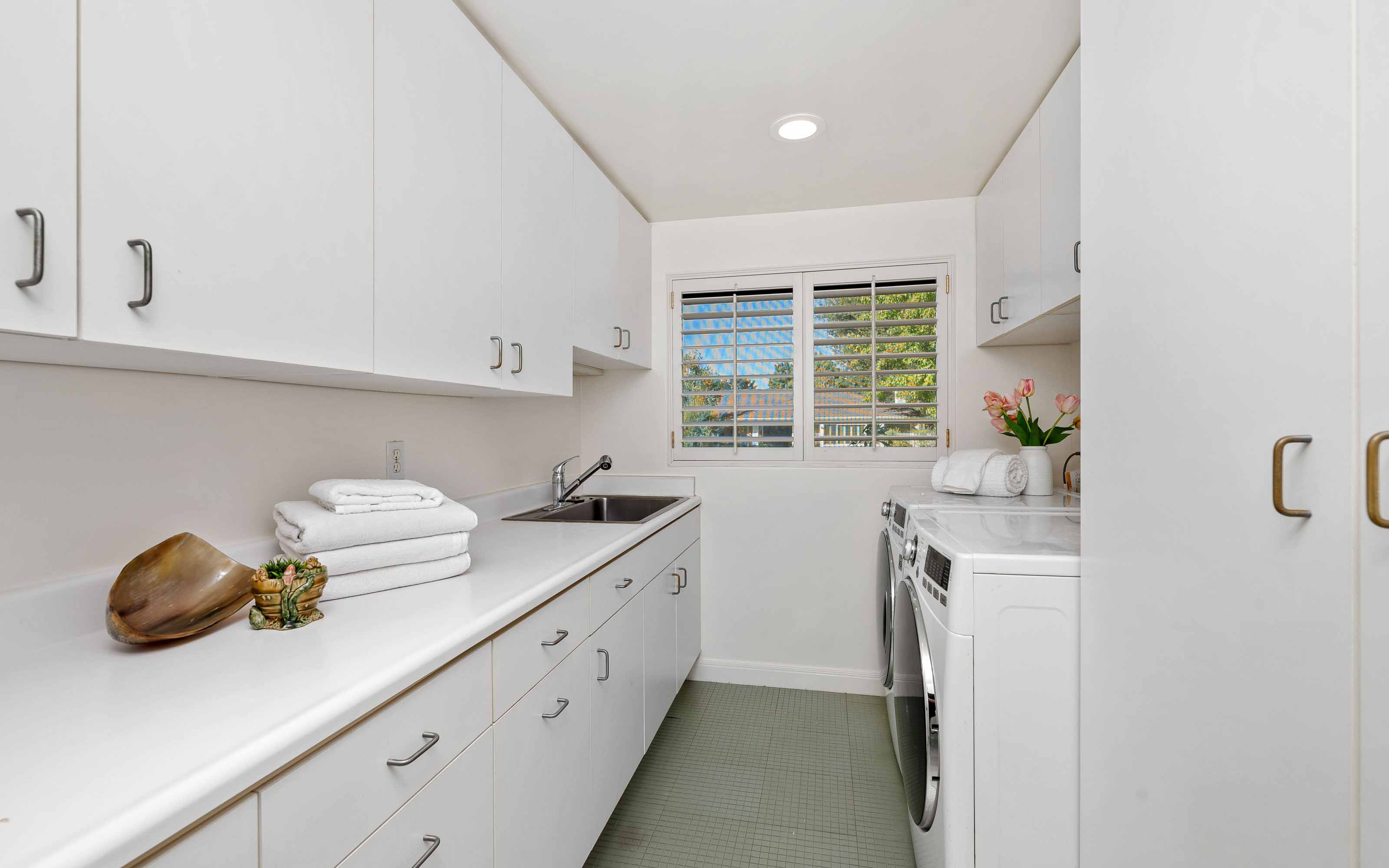
Garage and laundry room window with vinyl frame providing natural light and privacy Garage and laundry room window with vinyl frame providing natural light and privacy

Garages and laundry rooms are two of the most overlooked spaces when it comes to windows, but they have very different needs. A garage window mainly needs to let in light and hold up to temperature swings, while a laundry room window needs to manage moisture and give you some privacy. Getting the size, glass, and placement right in these smaller spaces can make a real difference in comfort, energy use, and how the room actually functions day to day.

Quick Answers for Garage & Laundry Room Windows

  • What size window is best for a garage?
    Smaller, higher-placed windows work best in most garages. They bring in natural light without cutting into wall space needed for shelving, workbenches, or parking clearance.
  • Do laundry room windows need obscured glass?
    In most cases, yes. Frosted or obscured glass keeps the room private from walkways, driveways, or neighboring yards while still letting in natural light.
  • Can you replace a garage window without removing the whole frame?
    Often, yes. If the existing frame is still square and in good condition, an insert replacement window can go into the existing opening without disturbing the surrounding wall or siding.
  • What frame material holds up best in a laundry room?
    Vinyl is the top choice. It resists swelling, warping, and rot better than wood, which matters in a room that regularly deals with steam and humidity.
  • Does a garage window need to be energy efficient?
    Only if the garage is conditioned space. In an unconditioned garage, a well-sealed, durable window matters more than high efficiency ratings.
  • Can you add tint to a garage window?
    Yes. Tinted or reflective film cuts down on heat and glare without blocking all the natural light, and it works with either an insert or full-frame replacement.

Why Do Garage and Laundry Room Windows Need Different Considerations?

These two rooms serve very different purposes, so a one-size-fits-all window doesn't work well in either one. A garage is usually an unconditioned space that deals with temperature extremes and dust, and it often still needs ventilation, especially if fumes from vehicles or stored chemicals need somewhere to go. A laundry room, on the other hand, is a conditioned interior space that deals with humidity, steam, and the need for privacy since it's often visible from a side yard or neighboring property.

Because of this, garage windows tend to prioritize durability and ventilation, while laundry room windows prioritize moisture resistance and obscured glass. Matching the window to the room's actual job, rather than defaulting to whatever is already there, helps the space perform better long term.

What Size Window Works Best for a Garage?

Most garages do well with smaller, higher-placed windows rather than large picture windows. Placing windows higher on the wall brings in natural light without sacrificing wall space you might need for shelving, workbenches, or parking clearance. Common garage window sizes tend to run smaller than typical living space windows, often in the range of narrow slider or awning styles that still allow for airflow.

If you use your garage as a workshop or hobby space, a slightly larger window or a pair of windows can help with both lighting and ventilation, especially if you're working with paint, solvents, or other materials that benefit from airflow. For attached garages, matching the window style to the rest of the home's exterior also helps maintain curb appeal.

What Should You Look for in Laundry Room Windows?

A laundry room window should hold up to regular exposure to steam and humidity without letting moisture damage the frame or glass over time. Vinyl frames handle this well since they resist swelling, warping, and rot better than wood. Obscured or frosted glass is also a common choice here, since it lets in natural light while keeping the space private, which matters if the laundry room window faces a walkway, driveway, or neighboring yard.

Ventilation is another factor worth thinking about. A laundry room window that opens, even a small awning or slider, can help reduce trapped humidity from the washer and dryer, which supports better air quality and helps prevent mold or mildew buildup over time.

Can You Replace a Small Window Without Replacing the Whole Frame?

In many cases, yes. If the existing frame is still square and in good condition, an insert replacement window can often be installed into the existing opening without touching the surrounding wall, trim, or siding. This tends to be faster and less invasive than a full-frame replacement, which involves removing the old frame down to the rough opening.

That said, if the frame is warped, rotted, or the opening needs to be resized, a full-frame replacement is usually the better long-term solution. A quick inspection of the existing frame condition is generally the best way to figure out which approach makes sense for a garage or laundry room window.

What Are Your Options When Upgrading a Garage Window?

Garage window replacement isn't always an all-or-nothing project. Depending on the condition of your current window, you have a few paths to choose from. Garage window inserts are one of the most common options: a new window unit is fitted directly into the existing frame, which keeps costs down and avoids disturbing the surrounding drywall or siding. This works well for garage window installation projects where the frame is still square and structurally sound.

If the glass itself is cracked, fogged, or no longer sealing properly, but the frame is fine, replacing the garage window glass is often enough. This swaps out just the glass unit rather than the entire window, which can be a faster and more affordable fix.

Garage window tint is another option worth considering, especially in a garage that gets strong afternoon sun. Tinted or reflective film can reduce heat buildup and glare without entirely blocking natural light, and it pairs well with any of the replacement approaches above.

For garages where the frame is warped, rotted, or too far gone to reuse, replacement windows for garages installed as a full-frame replacement are the more reliable long-term choice, even though it takes a bit more labor than an insert.

How Much Privacy Do You Need in These Rooms?

The right amount of privacy depends on two things: where the window sits on the wall, and how visible it is to neighbors, driveways, or shared walkways. A laundry room window facing a fenced backyard may still benefit from obscured glass depending on fence height and how close neighboring properties are, while one directly facing a shared driveway or sidewalk generally benefits from frosted, textured, or patterned glass. Garages typically need less privacy consideration unless the window faces directly into a neighboring window or a high-traffic area, in which case a higher window placement or obscured glass can help.

Frequently Asked Questions

Do garage windows need to be energy efficient?

It depends on whether the garage is conditioned space. If it's unconditioned, energy efficiency matters less for temperature control, but a well-sealed, durable window still helps keep out dust, pests, and drafts near any adjoining interior walls.

What type of glass is best for a laundry room window?

Obscured or frosted glass is a common choice for laundry rooms because it allows natural light in while maintaining privacy, which is especially useful if the window is visible from outside the home.

Can I add a window to a garage that doesn't have one?

In most cases, yes, though it typically requires cutting into the wall and framing a new opening. A contractor or window specialist can assess the wall structure to confirm what's possible before installation begins.

How do I stop condensation on my laundry room window?

Improving ventilation, either through an operable window or an exhaust fan, is usually the most effective fix. Dual-pane, insulated glass can also help reduce the temperature difference that leads to condensation forming on the glass.

Is vinyl a good frame material for laundry room windows?

Yes. Vinyl resists moisture damage, doesn't require repainting, and holds up well in humid conditions, which makes it a practical choice for a room that regularly deals with steam and dampness.

The Window Depot offers vinyl and aluminum window options suited for a variety of rooms and spaces, including garages and laundry rooms. Visit a location near you to explore sizing and style options for your project.

Garage & Laundry Room Windows: Small Spaces, Smart Choices

Garage and laundry room window with vinyl frame providing natural light and privacy Garage and laundry room window with vinyl frame providing natural light and privacy

Garages and laundry rooms are two of the most overlooked spaces when it comes to windows, but they have very different needs. A garage window mainly needs to let in light and hold up to temperature swings, while a laundry room window needs to manage moisture and give you some privacy. Getting the size, glass, and placement right in these smaller spaces can make a real difference in comfort, energy use, and how the room actually functions day to day.

Quick Answers for Garage & Laundry Room Windows

  • What size window is best for a garage?
    Smaller, higher-placed windows work best in most garages. They bring in natural light without cutting into wall space needed for shelving, workbenches, or parking clearance.
  • Do laundry room windows need obscured glass?
    In most cases, yes. Frosted or obscured glass keeps the room private from walkways, driveways, or neighboring yards while still letting in natural light.
  • Can you replace a garage window without removing the whole frame?
    Often, yes. If the existing frame is still square and in good condition, an insert replacement window can go into the existing opening without disturbing the surrounding wall or siding.
  • What frame material holds up best in a laundry room?
    Vinyl is the top choice. It resists swelling, warping, and rot better than wood, which matters in a room that regularly deals with steam and humidity.
  • Does a garage window need to be energy efficient?
    Only if the garage is conditioned space. In an unconditioned garage, a well-sealed, durable window matters more than high efficiency ratings.
  • Can you add tint to a garage window?
    Yes. Tinted or reflective film cuts down on heat and glare without blocking all the natural light, and it works with either an insert or full-frame replacement.

Why Do Garage and Laundry Room Windows Need Different Considerations?

These two rooms serve very different purposes, so a one-size-fits-all window doesn't work well in either one. A garage is usually an unconditioned space that deals with temperature extremes and dust, and it often still needs ventilation, especially if fumes from vehicles or stored chemicals need somewhere to go. A laundry room, on the other hand, is a conditioned interior space that deals with humidity, steam, and the need for privacy since it's often visible from a side yard or neighboring property.

Because of this, garage windows tend to prioritize durability and ventilation, while laundry room windows prioritize moisture resistance and obscured glass. Matching the window to the room's actual job, rather than defaulting to whatever is already there, helps the space perform better long term.

What Size Window Works Best for a Garage?

Most garages do well with smaller, higher-placed windows rather than large picture windows. Placing windows higher on the wall brings in natural light without sacrificing wall space you might need for shelving, workbenches, or parking clearance. Common garage window sizes tend to run smaller than typical living space windows, often in the range of narrow slider or awning styles that still allow for airflow.

If you use your garage as a workshop or hobby space, a slightly larger window or a pair of windows can help with both lighting and ventilation, especially if you're working with paint, solvents, or other materials that benefit from airflow. For attached garages, matching the window style to the rest of the home's exterior also helps maintain curb appeal.

What Should You Look for in Laundry Room Windows?

A laundry room window should hold up to regular exposure to steam and humidity without letting moisture damage the frame or glass over time. Vinyl frames handle this well since they resist swelling, warping, and rot better than wood. Obscured or frosted glass is also a common choice here, since it lets in natural light while keeping the space private, which matters if the laundry room window faces a walkway, driveway, or neighboring yard.

Ventilation is another factor worth thinking about. A laundry room window that opens, even a small awning or slider, can help reduce trapped humidity from the washer and dryer, which supports better air quality and helps prevent mold or mildew buildup over time.

Can You Replace a Small Window Without Replacing the Whole Frame?

In many cases, yes. If the existing frame is still square and in good condition, an insert replacement window can often be installed into the existing opening without touching the surrounding wall, trim, or siding. This tends to be faster and less invasive than a full-frame replacement, which involves removing the old frame down to the rough opening.

That said, if the frame is warped, rotted, or the opening needs to be resized, a full-frame replacement is usually the better long-term solution. A quick inspection of the existing frame condition is generally the best way to figure out which approach makes sense for a garage or laundry room window.

What Are Your Options When Upgrading a Garage Window?

Garage window replacement isn't always an all-or-nothing project. Depending on the condition of your current window, you have a few paths to choose from. Garage window inserts are one of the most common options: a new window unit is fitted directly into the existing frame, which keeps costs down and avoids disturbing the surrounding drywall or siding. This works well for garage window installation projects where the frame is still square and structurally sound.

If the glass itself is cracked, fogged, or no longer sealing properly, but the frame is fine, replacing the garage window glass is often enough. This swaps out just the glass unit rather than the entire window, which can be a faster and more affordable fix.

Garage window tint is another option worth considering, especially in a garage that gets strong afternoon sun. Tinted or reflective film can reduce heat buildup and glare without entirely blocking natural light, and it pairs well with any of the replacement approaches above.

For garages where the frame is warped, rotted, or too far gone to reuse, replacement windows for garages installed as a full-frame replacement are the more reliable long-term choice, even though it takes a bit more labor than an insert.

How Much Privacy Do You Need in These Rooms?

The right amount of privacy depends on two things: where the window sits on the wall, and how visible it is to neighbors, driveways, or shared walkways. A laundry room window facing a fenced backyard may still benefit from obscured glass depending on fence height and how close neighboring properties are, while one directly facing a shared driveway or sidewalk generally benefits from frosted, textured, or patterned glass. Garages typically need less privacy consideration unless the window faces directly into a neighboring window or a high-traffic area, in which case a higher window placement or obscured glass can help.

Frequently Asked Questions

Do garage windows need to be energy efficient?

It depends on whether the garage is conditioned space. If it's unconditioned, energy efficiency matters less for temperature control, but a well-sealed, durable window still helps keep out dust, pests, and drafts near any adjoining interior walls.

What type of glass is best for a laundry room window?

Obscured or frosted glass is a common choice for laundry rooms because it allows natural light in while maintaining privacy, which is especially useful if the window is visible from outside the home.

Can I add a window to a garage that doesn't have one?

In most cases, yes, though it typically requires cutting into the wall and framing a new opening. A contractor or window specialist can assess the wall structure to confirm what's possible before installation begins.

How do I stop condensation on my laundry room window?

Improving ventilation, either through an operable window or an exhaust fan, is usually the most effective fix. Dual-pane, insulated glass can also help reduce the temperature difference that leads to condensation forming on the glass.

Is vinyl a good frame material for laundry room windows?

Yes. Vinyl resists moisture damage, doesn't require repainting, and holds up well in humid conditions, which makes it a practical choice for a room that regularly deals with steam and dampness.

The Window Depot offers vinyl and aluminum window options suited for a variety of rooms and spaces, including garages and laundry rooms. Visit a location near you to explore sizing and style options for your project.

SEARCH ×

Search