
Select your store: 2300 S. 6th Ave, Tucson

Online orders are in store pickup only.

0 $0.00
items in your cartto quote To cart
Ooops no items were found.
Try something else.
Ok
Loading…

Full-Frame vs. Insert Replacement Windows: What's the Difference?

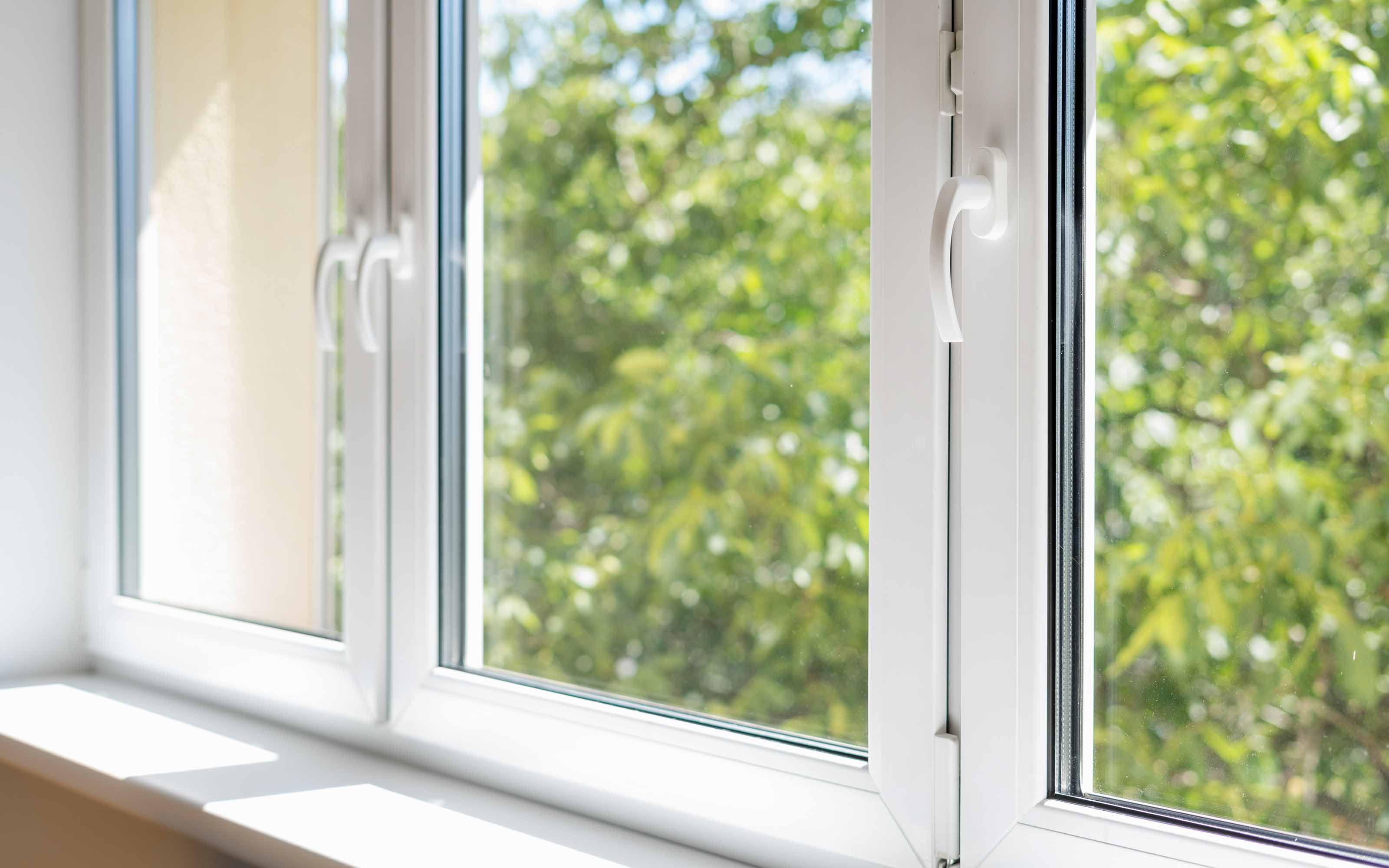
Vinyl replacement window installed in an existing residential window frame Vinyl replacement window installed in an existing residential window frame

Not every window replacement project is the same, and the installation method matters just as much as the window itself. At The Window Depot, we help homeowners determine whether a full-frame or insert replacement window is the right solution based on the condition of their existing windows and their renovation goals. Insert and full-frame replacement windows solve different problems, and choosing the right approach can help you avoid unnecessary costs while ensuring lasting performance, energy efficiency, and a proper fit for your home. 

Quick Answers for Full-Frame vs. Insert Windows

  • What's the main difference between insert and full-frame window replacement?
    Insert replacement fits a new window into the existing frame, while full-frame replacement removes the old frame entirely down to the rough opening before installing new.
  • Which method is faster?
    Insert replacement is generally faster since it doesn't involve removing exterior trim, siding, or the structural frame, often taking a fraction of the time full-frame replacement requires.
  • Which method costs less?
    Insert replacement typically costs less than full-frame replacement, since it requires less labor, less material removal, and less exterior repair work afterward.
  • When is full-frame replacement necessary?
    Full-frame replacement is generally necessary when the existing frame is rotted, warped, water-damaged, or when you're changing the window's size or shape.
  • Does insert replacement reduce the window's glass size?
    Yes, slightly. Because the new frame fits inside the old one, insert replacement windows typically have a marginally smaller glass area than the original window.
  • Can I choose an insert replacement even if my frame has some damage?
    It depends on the extent of the damage. Minor wear is usually fine, but significant rot or structural compromise generally rules out insert replacement in favor of full-frame.

What Is Insert Replacement, Exactly?

Insert replacement, sometimes called pocket replacement, involves installing a new window unit directly into the existing window frame, without removing the frame itself, the surrounding trim, or the exterior siding. The old window's sashes and hardware are removed, but the frame stays in place, and the new window is fitted, sealed, and secured within that opening.

This approach works because most window frames, when they haven't suffered structural damage, are still capable of holding a new window securely. Insert replacement essentially treats the existing frame as a sound shell and builds the new window to fit precisely within it.

What Is Full-Frame Replacement, Exactly?

Full-frame replacement takes the opposite approach, removing the entire existing window, including the frame, down to the rough opening in the wall. This typically involves removing some exterior trim and siding around the window as well, since the frame is often integrated with those materials. Once the opening is down to bare studs, a new window frame is installed from scratch, followed by new trim, flashing, and siding repair around the perimeter.

Because this method starts from a clean opening, it allows for more flexibility. The window size can be changed, structural issues in the surrounding framing can be addressed, and modern flashing and moisture barrier techniques can be applied in ways that aren't possible with an insert replacement.

How Do You Know Which Option Your Home Needs?

The condition of the existing frame is the biggest factor. If the frame is still square, structurally sound, and free of significant rot or water damage, insert replacement is usually the more practical and cost-effective choice. A quick inspection, checking for soft or spongy wood, visible water staining, or noticeable gaps and warping, can often reveal whether the frame is a good candidate.

If the frame shows signs of rot, structural compromise, or persistent water intrusion, full-frame replacement is generally the better long-term solution, even though it costs more upfront. Installing a new window into a damaged frame with insert replacement can mask an underlying problem rather than fixing it, which often leads to bigger issues down the road.

Window size changes are the other clear signal. If you want to make an opening larger, smaller, or change its shape entirely, full-frame replacement is typically required, since insert replacement is built around preserving the existing opening's dimensions.

What Are the Pros and Cons of Insert Replacement Windows?

Insert replacement offers a faster installation timeline, lower overall cost, and minimal disruption to interior walls, exterior trim, and siding, since the surrounding structure stays untouched. For homeowners replacing multiple windows across a home, this can add up to significant savings in both time and money compared to full-frame replacement.

There are tradeoffs to consider. Because the new window fits inside the old frame, the glass area, and therefore the amount of visible light and view, ends up slightly smaller than the original window. Insert replacement also isn't a fix for an underlying frame problem, so any existing rot, water damage, or structural weakness remains in place, hidden behind the new window rather than resolved.

What Are the Pros and Cons of Full-Frame Replacement?

Full-frame replacement addresses problems at the source, removing any damaged or compromised material rather than building around it. It also preserves the original window's full glass area, and in many cases allows for upgraded flashing and moisture barrier techniques that improve long-term performance beyond what insert replacement can offer. For homeowners looking to resize an opening or make broader exterior updates, full-frame replacement is often the only option that makes that possible.

The downsides are cost and disruption. Full-frame replacement generally costs more due to the added labor, material removal, and exterior repair involved, and the process takes longer, with more disruption to the home's exterior during installation, including exposed openings and repair work to trim and siding once the new frame is set.

How Does Cost Compare Between the Two Methods?

Insert replacement is generally the more affordable option per window, since it avoids the labor and material costs tied to removing and rebuilding the frame, trim, and surrounding siding. Full-frame replacement costs more largely due to that additional labor and the exterior repair work required afterward, including new trim, flashing, and, in some cases, siding patchwork to match the surrounding area.

Exact pricing varies significantly based on window size, material, brand, and regional labor rates, so it's worth getting a project-specific quote that accounts for your home's actual window condition rather than relying on a general estimate alone.

How Does Installation Time Differ Between the Two?

Insert replacement is often completed more quickly than full-frame replacement because installers are not removing structural materials or repairing exterior surfaces afterward. Depending on the number of windows and the home's layout, many insert replacement projects can be completed within one or two days. 

Full-frame replacement takes longer per window, since it involves removing the old frame, addressing the rough opening, installing the new frame, and completing exterior trim and siding repair. Weather can also affect full-frame replacement timelines more than insert replacement, since the wall is briefly more exposed during the process.

Does Insert Replacement Change the Window's Size or Appearance?

Yes, in a modest but noticeable way. Because the new window frame sits inside the existing one, the overall glass area is slightly reduced compared to the original window, and the frame itself becomes marginally thicker where the two frames overlap. For most homeowners, this difference is subtle enough not to significantly change the room's feel, but it's worth knowing about upfront rather than being surprised by it after installation.

Full-frame replacement doesn't have this limitation, since the new frame is built into a fresh opening rather than fitted inside an existing one, preserving the original glass area or even increasing it if the opening is resized.

What Happens to Exterior Trim and Siding With Each Method?

Insert replacement generally leaves exterior trim and siding untouched, since the work happens entirely within the existing frame. This is part of why it's faster and less expensive, but it also means any existing wear or damage to the trim and siding around the window remains as-is after the project is complete.

Full-frame replacement typically requires removing some exterior trim and siding to access the rough opening, then repairing or replacing that material once the new frame is installed. This adds cost and time, but it also gives homeowners a chance to update or repair trim and siding that may have been worn or outdated, since it's already being removed as part of the process.

Are There Industry Standards That Guide Window Replacement Installation?

Yes. Window and door installation in the United States is commonly guided by standards developed under the American Architectural Manufacturers Association, now part of the Fenestration and Glazing Industry Alliance, or FGIA. These standards form the basis of the InstallationMasters certification program, a nationwide training program for window and door installers that was originally prompted by the U.S. Department of Energy to improve installation quality across the industry.

Specific standards relevant to replacement projects include AAMA 2410, which covers installation of windows with an exterior flush fin over an existing window, closely related to how insert replacement is performed, and FMA/AAMA/WDMA 2710, which provides guidelines specifically for full-frame replacement of windows without removing exterior brick veneer. ASTM E2112 also serves as a broader standard practice for the installation of exterior windows, doors, and skylights, covering flashing, sealing, and moisture management regardless of which replacement method is used.

Asking whether an installer holds InstallationMasters certification is a practical way to confirm they've been trained on these standards specifically, rather than relying on general construction experience alone, particularly for a full-frame project where flashing and moisture barrier details have a significant effect on long-term performance.

Frequently Asked Questions

Can I mix insert and full-frame replacement in the same home?

Yes. It's common for a home to use insert replacement on windows with sound frames while using full-frame replacement only on windows with damaged or compromised frames, rather than applying one method to every window.

Does insert replacement work on all window types?

Insert replacement works well on most standard window shapes and sizes, though unusual or custom-shaped openings may have more limited insert options compared to a full-frame approach.

Will insert replacement void my window's warranty if the old frame has minor damage?

This depends on the manufacturer and installer, so it's worth having the frame inspected and discussing warranty terms before moving forward, particularly if any damage is visible.

How do I know if my window frame has water damage I can't see?

Signs like soft or spongy wood when pressed, a musty smell near the window, peeling interior paint, or visible staining on nearby drywall can all indicate hidden moisture damage worth having inspected further.

Is full-frame replacement required if I'm just changing the window's color or style?

Not necessarily. If the new window is the same size and shape as the old one, insert replacement can often accommodate a change in color, style, or frame material without needing a full-frame approach.

About Window Depot

Window Depot has served homeowners since 2002, offering insert and full-frame replacement windows for a wide range of residential projects. As an authorized Milgard dealer, the team can inspect existing window frames, explain the differences between replacement methods, and recommend the solution that best fits your home's condition and renovation goals. Visit a Window Depot location near you to explore your replacement window options.

Full-Frame vs. Insert Replacement Windows: What's the Difference?

Vinyl replacement window installed in an existing residential window frame Vinyl replacement window installed in an existing residential window frame

Not every window replacement project is the same, and the installation method matters just as much as the window itself. At The Window Depot, we help homeowners determine whether a full-frame or insert replacement window is the right solution based on the condition of their existing windows and their renovation goals. Insert and full-frame replacement windows solve different problems, and choosing the right approach can help you avoid unnecessary costs while ensuring lasting performance, energy efficiency, and a proper fit for your home. 

Quick Answers for Full-Frame vs. Insert Windows

  • What's the main difference between insert and full-frame window replacement?
    Insert replacement fits a new window into the existing frame, while full-frame replacement removes the old frame entirely down to the rough opening before installing new.
  • Which method is faster?
    Insert replacement is generally faster since it doesn't involve removing exterior trim, siding, or the structural frame, often taking a fraction of the time full-frame replacement requires.
  • Which method costs less?
    Insert replacement typically costs less than full-frame replacement, since it requires less labor, less material removal, and less exterior repair work afterward.
  • When is full-frame replacement necessary?
    Full-frame replacement is generally necessary when the existing frame is rotted, warped, water-damaged, or when you're changing the window's size or shape.
  • Does insert replacement reduce the window's glass size?
    Yes, slightly. Because the new frame fits inside the old one, insert replacement windows typically have a marginally smaller glass area than the original window.
  • Can I choose an insert replacement even if my frame has some damage?
    It depends on the extent of the damage. Minor wear is usually fine, but significant rot or structural compromise generally rules out insert replacement in favor of full-frame.

What Is Insert Replacement, Exactly?

Insert replacement, sometimes called pocket replacement, involves installing a new window unit directly into the existing window frame, without removing the frame itself, the surrounding trim, or the exterior siding. The old window's sashes and hardware are removed, but the frame stays in place, and the new window is fitted, sealed, and secured within that opening.

This approach works because most window frames, when they haven't suffered structural damage, are still capable of holding a new window securely. Insert replacement essentially treats the existing frame as a sound shell and builds the new window to fit precisely within it.

What Is Full-Frame Replacement, Exactly?

Full-frame replacement takes the opposite approach, removing the entire existing window, including the frame, down to the rough opening in the wall. This typically involves removing some exterior trim and siding around the window as well, since the frame is often integrated with those materials. Once the opening is down to bare studs, a new window frame is installed from scratch, followed by new trim, flashing, and siding repair around the perimeter.

Because this method starts from a clean opening, it allows for more flexibility. The window size can be changed, structural issues in the surrounding framing can be addressed, and modern flashing and moisture barrier techniques can be applied in ways that aren't possible with an insert replacement.

How Do You Know Which Option Your Home Needs?

The condition of the existing frame is the biggest factor. If the frame is still square, structurally sound, and free of significant rot or water damage, insert replacement is usually the more practical and cost-effective choice. A quick inspection, checking for soft or spongy wood, visible water staining, or noticeable gaps and warping, can often reveal whether the frame is a good candidate.

If the frame shows signs of rot, structural compromise, or persistent water intrusion, full-frame replacement is generally the better long-term solution, even though it costs more upfront. Installing a new window into a damaged frame with insert replacement can mask an underlying problem rather than fixing it, which often leads to bigger issues down the road.

Window size changes are the other clear signal. If you want to make an opening larger, smaller, or change its shape entirely, full-frame replacement is typically required, since insert replacement is built around preserving the existing opening's dimensions.

What Are the Pros and Cons of Insert Replacement Windows?

Insert replacement offers a faster installation timeline, lower overall cost, and minimal disruption to interior walls, exterior trim, and siding, since the surrounding structure stays untouched. For homeowners replacing multiple windows across a home, this can add up to significant savings in both time and money compared to full-frame replacement.

There are tradeoffs to consider. Because the new window fits inside the old frame, the glass area, and therefore the amount of visible light and view, ends up slightly smaller than the original window. Insert replacement also isn't a fix for an underlying frame problem, so any existing rot, water damage, or structural weakness remains in place, hidden behind the new window rather than resolved.

What Are the Pros and Cons of Full-Frame Replacement?

Full-frame replacement addresses problems at the source, removing any damaged or compromised material rather than building around it. It also preserves the original window's full glass area, and in many cases allows for upgraded flashing and moisture barrier techniques that improve long-term performance beyond what insert replacement can offer. For homeowners looking to resize an opening or make broader exterior updates, full-frame replacement is often the only option that makes that possible.

The downsides are cost and disruption. Full-frame replacement generally costs more due to the added labor, material removal, and exterior repair involved, and the process takes longer, with more disruption to the home's exterior during installation, including exposed openings and repair work to trim and siding once the new frame is set.

How Does Cost Compare Between the Two Methods?

Insert replacement is generally the more affordable option per window, since it avoids the labor and material costs tied to removing and rebuilding the frame, trim, and surrounding siding. Full-frame replacement costs more largely due to that additional labor and the exterior repair work required afterward, including new trim, flashing, and, in some cases, siding patchwork to match the surrounding area.

Exact pricing varies significantly based on window size, material, brand, and regional labor rates, so it's worth getting a project-specific quote that accounts for your home's actual window condition rather than relying on a general estimate alone.

How Does Installation Time Differ Between the Two?

Insert replacement is often completed more quickly than full-frame replacement because installers are not removing structural materials or repairing exterior surfaces afterward. Depending on the number of windows and the home's layout, many insert replacement projects can be completed within one or two days. 

Full-frame replacement takes longer per window, since it involves removing the old frame, addressing the rough opening, installing the new frame, and completing exterior trim and siding repair. Weather can also affect full-frame replacement timelines more than insert replacement, since the wall is briefly more exposed during the process.

Does Insert Replacement Change the Window's Size or Appearance?

Yes, in a modest but noticeable way. Because the new window frame sits inside the existing one, the overall glass area is slightly reduced compared to the original window, and the frame itself becomes marginally thicker where the two frames overlap. For most homeowners, this difference is subtle enough not to significantly change the room's feel, but it's worth knowing about upfront rather than being surprised by it after installation.

Full-frame replacement doesn't have this limitation, since the new frame is built into a fresh opening rather than fitted inside an existing one, preserving the original glass area or even increasing it if the opening is resized.

What Happens to Exterior Trim and Siding With Each Method?

Insert replacement generally leaves exterior trim and siding untouched, since the work happens entirely within the existing frame. This is part of why it's faster and less expensive, but it also means any existing wear or damage to the trim and siding around the window remains as-is after the project is complete.

Full-frame replacement typically requires removing some exterior trim and siding to access the rough opening, then repairing or replacing that material once the new frame is installed. This adds cost and time, but it also gives homeowners a chance to update or repair trim and siding that may have been worn or outdated, since it's already being removed as part of the process.

Are There Industry Standards That Guide Window Replacement Installation?

Yes. Window and door installation in the United States is commonly guided by standards developed under the American Architectural Manufacturers Association, now part of the Fenestration and Glazing Industry Alliance, or FGIA. These standards form the basis of the InstallationMasters certification program, a nationwide training program for window and door installers that was originally prompted by the U.S. Department of Energy to improve installation quality across the industry.

Specific standards relevant to replacement projects include AAMA 2410, which covers installation of windows with an exterior flush fin over an existing window, closely related to how insert replacement is performed, and FMA/AAMA/WDMA 2710, which provides guidelines specifically for full-frame replacement of windows without removing exterior brick veneer. ASTM E2112 also serves as a broader standard practice for the installation of exterior windows, doors, and skylights, covering flashing, sealing, and moisture management regardless of which replacement method is used.

Asking whether an installer holds InstallationMasters certification is a practical way to confirm they've been trained on these standards specifically, rather than relying on general construction experience alone, particularly for a full-frame project where flashing and moisture barrier details have a significant effect on long-term performance.

Frequently Asked Questions

Can I mix insert and full-frame replacement in the same home?

Yes. It's common for a home to use insert replacement on windows with sound frames while using full-frame replacement only on windows with damaged or compromised frames, rather than applying one method to every window.

Does insert replacement work on all window types?

Insert replacement works well on most standard window shapes and sizes, though unusual or custom-shaped openings may have more limited insert options compared to a full-frame approach.

Will insert replacement void my window's warranty if the old frame has minor damage?

This depends on the manufacturer and installer, so it's worth having the frame inspected and discussing warranty terms before moving forward, particularly if any damage is visible.

How do I know if my window frame has water damage I can't see?

Signs like soft or spongy wood when pressed, a musty smell near the window, peeling interior paint, or visible staining on nearby drywall can all indicate hidden moisture damage worth having inspected further.

Is full-frame replacement required if I'm just changing the window's color or style?

Not necessarily. If the new window is the same size and shape as the old one, insert replacement can often accommodate a change in color, style, or frame material without needing a full-frame approach.

About Window Depot

Window Depot has served homeowners since 2002, offering insert and full-frame replacement windows for a wide range of residential projects. As an authorized Milgard dealer, the team can inspect existing window frames, explain the differences between replacement methods, and recommend the solution that best fits your home's condition and renovation goals. Visit a Window Depot location near you to explore your replacement window options.

SEARCH ×

Search