
Framed vs. Frameless Cabinets: Which Style Fits Your Kitchen?

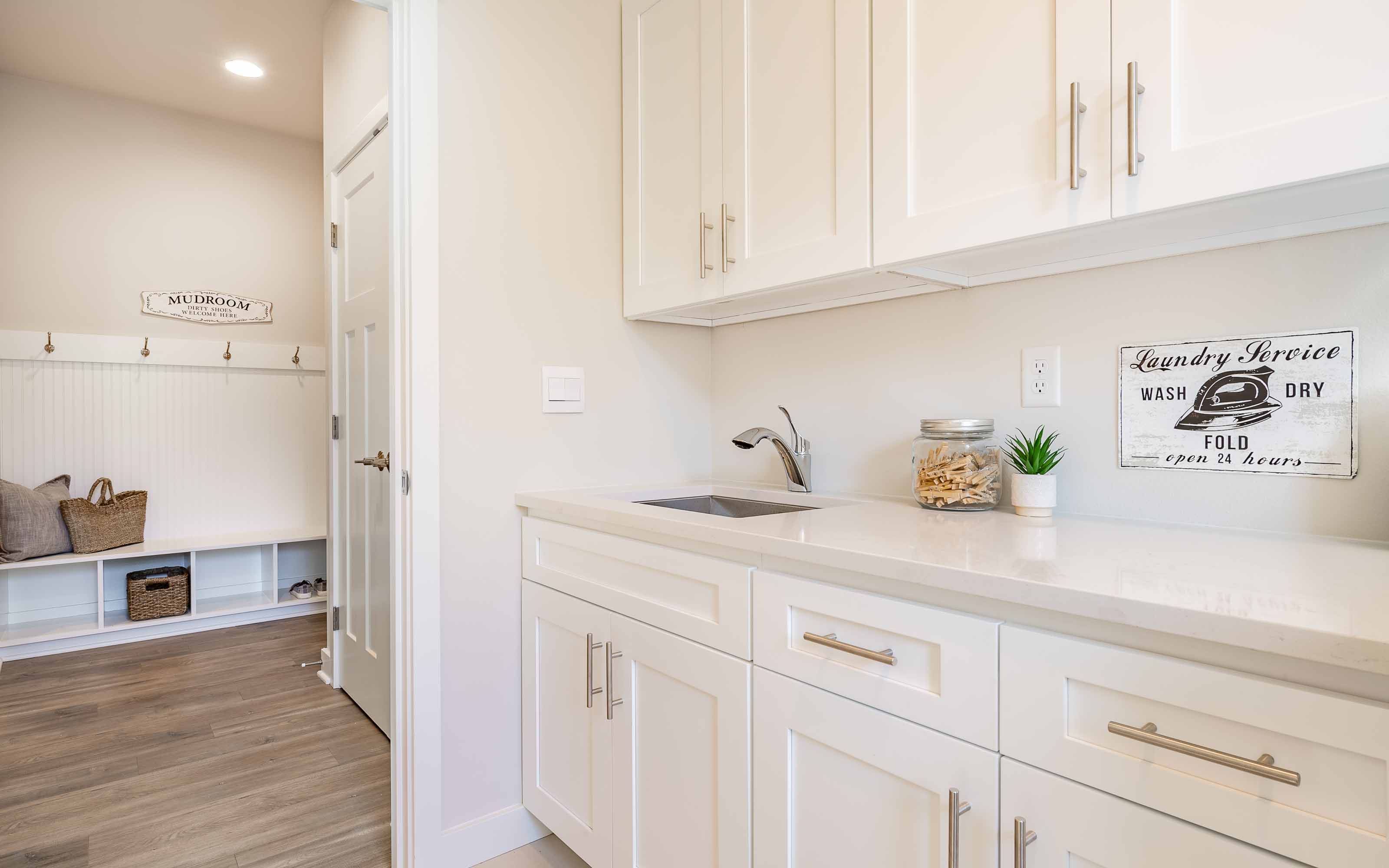
Framed and frameless cabinets can look nearly identical from across the room, but the construction underneath changes how much storage you get, how the doors close, and how the whole kitchen feels. Understanding these important differences can help homeowners make more confident remodeling decisions. Knowing the difference before you start a remodel helps you choose a style that actually fits how you cook, store, and organize your space.
Quick Answers for Kitchen Cabinet Styles
- What's the difference between framed and frameless cabinets?
Framed cabinets have a face frame around the front of the box, which the doors attach to. Frameless cabinets skip that frame, so the doors attach directly to the cabinet box for a flush, modern look. - Do frameless cabinets offer more storage?
Yes, typically. Without a face frame narrowing the opening, frameless cabinets have a slightly larger interior opening, which makes it easier to access items and fit larger drawers. - Which style looks more modern?
Frameless cabinets tend to read as more modern and streamlined, since the doors sit flush with minimal gaps. Framed cabinets lean traditional but can still work in modern kitchens with the right door style. - Are framed cabinets more durable?
The face frame does add structural support to the cabinet box, which is part of why framed cabinets have been the standard in the United States for so long. Frameless cabinets are still sturdy, just built differently. - Is one style more expensive than the other?
Not inherently. Cost depends more on materials, finish, and hardware than on framed versus frameless construction, though frameless cabinets are commonly found in both semi-custom and custom cabinetry, as well as many modern stock cabinet lines. - Can I mix framed and frameless cabinets in the same kitchen?
It's possible, but it takes careful planning since the two styles have different depths and door overlays. Most kitchens stick to one style throughout for a consistent look.
What Is a Framed Cabinet?
A framed cabinet has a solid wood frame, usually about 1.5 inches wide, attached to the front of the cabinet box. The doors and drawers are mounted to this frame rather than directly to the box itself. This is the traditional style used in most American homes, and it's been the standard for decades because of its strength and familiarity.
The frame adds a layer of structural support, which can make framed cabinets more forgiving if the kitchen walls aren't perfectly square. It also gives installers a bit more flexibility when fitting cabinets into an existing space.
What Is a Frameless Cabinet?
A frameless cabinet, sometimes called full-access or European-style, is built without that front frame. The door hinges attach directly to the side panels of the cabinet box, and the doors typically cover the entire front of the box edge to edge. This creates a flush, continuous look across a full run of cabinets.
Because there's no frame narrowing the opening, frameless cabinets offer a slightly wider access point to drawers and shelves, which can make a real difference for anyone who stores larger cookware or wants easier reach into corner cabinets.
How Do Framed and Frameless Cabinets Affect Storage?
This comes down to the opening size. A face frame typically reduces the usable opening slightly because part of the cabinet opening is occupied by the face frame. on each cabinet, which adds up across a full kitchen. Frameless cabinets don't have that reduction, so drawers can be built wider and shelves can be easier to access, especially in corner units where a frame can get in the way of full extension hardware.
If maximizing storage and easy access is a top priority, frameless cabinets generally have the edge. If the difference in opening size isn't a major factor for your kitchen layout, either style can work well.
Which Style Fits a Traditional Kitchen Better?
Framed cabinets tend to fit traditional, farmhouse, and transitional kitchens more naturally. The visible frame lines add a sense of detail and craftsmanship that pairs well with raised-panel doors, decorative molding, and classic hardware. Framed cabinets also offer more flexibility in door overlay, meaning the doors can be inset, partial overlay, or full overlay depending on the look you want.
Which Style Cabinet Fits a Modern Kitchen Better?
Frameless cabinets are a common choice in modern and contemporary kitchens because of their clean lines and minimal gaps between doors. Flat-panel or slab doors paired with frameless construction create a streamlined look that's become popular in newer home designs. That said, frameless cabinets aren't exclusively modern. With the right door style and finish, they can also work in transitional kitchens that want a slightly cleaner look than a fully traditional frame provides.
How Do Hinges and Hardware Differ Between the Two Styles?
Hinge type is one of the more practical differences between framed and frameless cabinets, and it affects how the doors look and function. Frameless cabinets almost always use concealed European-style hinges, which mount directly to the inside of the door and the side panel of the box. These hinges are typically fully adjustable in three directions, which makes it easier to fine-tune door alignment over time as a kitchen settles or hardware wears in.
Framed cabinets have more flexibility in hinge choice. They can use concealed hinges similar to frameless construction, or exposed hinges that become part of the design, such as decorative hinges on inset doors. This is one reason framed cabinets show up so often in farmhouses and traditional kitchens, since exposed hardware can add visual character that frameless construction doesn't really offer.
Hardware placement is largely a matter of personal preference and cabinet design rather than whether a cabinet is framed or frameless. An installer or designer can help determine placement that complements the overall look while remaining comfortable to use.
Are There Industry Standards for Cabinet Construction?
Yes. In the United States, cabinet quality and durability are commonly evaluated against standards set by the Kitchen Cabinet Manufacturers Association (KCMA), a trade association that certifies cabinet lines through its ANSI/KCMA A161.1 performance standard. This certification tests structural elements like door and drawer cycling, shelf load capacity, frame joint strength, and finish durability, regardless of whether the cabinet is framed or frameless.
Both construction styles can meet KCMA certification when built to spec, so the standard itself doesn't favor one style over the other. What it does confirm is that a certified cabinet, framed or frameless, has been tested to hold up under normal household use rather than just assumed to be durable based on appearance.
The National Kitchen and Bath Association (NKBA) also publishes design guidelines that cover cabinet spacing, clearance, and layout planning, which can be a useful reference when deciding how framed versus frameless construction affects the usable space in a specific kitchen footprint. Asking whether a cabinet line is KCMA-certified is a practical way to compare build quality across brands and styles, rather than relying on price or appearance alone.
Frequently Asked Questions
Do frameless cabinets cost more than framed cabinets?
Not necessarily based on construction style alone. Price differences usually come down to materials, finish quality, and whether the cabinets are stock, semi-custom, or fully custom.
Are frameless cabinets harder to install?
Frameless cabinets rely on precise installation for consistent door alignment, although experienced professionals routinely install both styles successfully.
Which style cabinet is easier to clean?
Frameless cabinets have fewer seams and gaps, which can make wiping down the fronts a bit simpler. Framed cabinets aren't difficult to clean either, just slightly more detailed with the visible frame edges.
Do framed cabinets last as long as frameless cabinets?
Both styles can last for decades when built with quality materials and proper construction. Longevity depends more on the materials and hardware used than on whether the cabinet is framed or frameless.
Can I convert framed cabinets to a frameless look without replacing everything?
Refacing can update the door style and hardware, but it won't change the underlying box construction. For a true frameless look and the storage benefits that come with it, new cabinet boxes are generally needed.
Window Depot offers a range of kitchen cabinet styles, materials, and finishes to fit your space and design goals. Visit a location near you to explore options for your next kitchen project.
Framed vs. Frameless Cabinets: Which Style Fits Your Kitchen?