
Decorative Glass Options for Fiberglass Entry Doors: Lites, Patterns & Curb Appeal

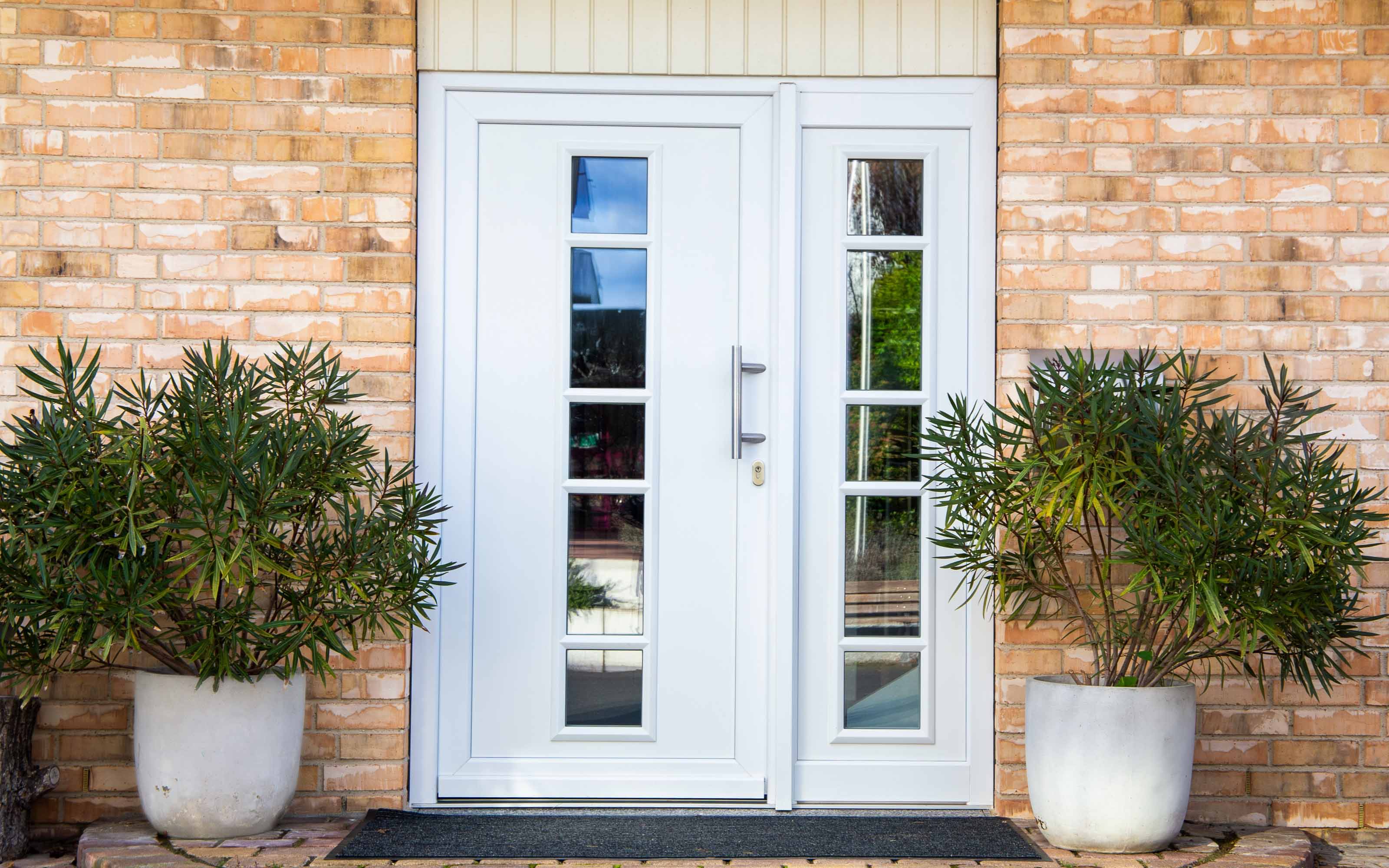
A fiberglass entry door does most of its job through durability, but the glass is what people actually notice first. At The Window Depot, we help homeowners choose decorative glass options that enhance curb appeal while balancing natural light, privacy, and personal style. The right lite shape, pattern, and finish can turn a plain door into a focal point for the whole front of the house, while also controlling how much light and privacy you get at the entryway.
Quick Answers for Decorative Glass Entry Doors
- What is a "lite" in an entry door?
A lite is simply a section of glass set into the door panel. Doors can have a single large lite, a grid of smaller lites, or a decorative shape like an oval or half circle near the top. - Does decorative glass reduce privacy at the front door?
Not necessarily. Textured, frosted, or patterned glass lets light through while obscuring a clear view, so you get natural light without anyone seeing directly into your home. - Can I add decorative glass to any fiberglass door?
Most fiberglass entry doors are designed with pre-built openings for glass inserts, so decorative glass options are typically available across a wide range of door styles and sizes. - Does decorative glass affect a door's security or insulation?
Decorative glass inserts are commonly available with tempered safety glass, while laminated glass is available on some products for additional security and impact resistance. - What glass style works best for a traditional home?
Beveled, leaded, or clear divided-lite patterns tend to suit traditional and colonial-style homes, since they echo the detailed millwork often found on older architecture. - What glass style works best for a modern home?
Frosted, reeded, or geometric patterned glass with minimal framing tends to fit modern and contemporary homes better than heavily ornate designs.
What Is Lite, and Why Does It Matter?
In door terminology, a lite refers to any individual pane of glass set into the door. Some entry doors have a single full lite that spans most of the door's height, while others use multiple smaller lites arranged in a grid, sometimes called a divided lite pattern. The lite style has a major effect on how much light enters the entryway and how the door reads visually from the street.
A door with no lite at all offers maximum privacy and security but can make an entryway feel closed off. A full-lite door does the opposite, prioritizing light and openness. Most homeowners land somewhere in between, using a partial lite near the top of the door to bring in light while keeping the lower portion solid.
What Glass Pattern Options Are Available?
Decorative glass comes in a wide range of patterns, and the right one often depends on the home's architectural style. Common options include:
Clear glass, which offers maximum light but little privacy, works well when paired with a storm door or a covered, less visible entry. Frosted or obscure glass diffuses light while blocking a direct view through the door, making it one of the most popular choices for entryways facing the street. Textured patterns, like rain glass, reeded glass, or hammered glass, add visual interest and further obscure the view while still letting in plenty of light. Beveled and leaded glass designs bring a more traditional, decorative look, often featuring geometric or floral patterns built from multiple pieces of glass.
Does Decorative Glass Affect Privacy or Security?
Homeowners sometimes assume that adding decorative glass to an entry door means trading security or energy efficiency for style. In practice, neither is true, though the specifics are worth understanding before making a selection.
Privacy: The degree of privacy a glass panel provides depends almost entirely on pattern and opacity, not whether the glass is "decorative." Clear glass, decorative or not, offers little privacy. Frosted, textured, and patterned options like reeded or rain glass diffuse light and obstruct a direct line of sight, often providing more privacy than a plain clear lite. For entryways that face the street or a neighbor's property, choosing an obscure pattern addresses the privacy concern directly rather than requiring a solid door.
Safety glass standards: Decorative glass inserts for fiberglass entry doors are manufactured to the same safety standards as clear glass. Tempered glass breaks into blunt fragments rather than sharp shards, and laminated glass holds together when broken. Both are commonly used in entry door applications regardless of whether the glass has a decorative finish.
Insulation: Many decorative glass inserts are available with double pane construction and an insulating air or gas fill between the panes. This design provides thermal performance similar to double pane clear glass, so choosing a decorative pattern does not mean sacrificing energy efficiency. When comparing options, focus on selecting a double pane insert that is rated for your home's climate zone, as the glass pattern itself has little effect on the door's insulation performance.
In short, the choice between decorative and clear glass is primarily an aesthetic and privacy decision. Security and insulation are determined by the glass construction and the door unit itself, not by whether the glass happens to have a pattern.
How Does Decorative Glass Affect Curb Appeal?
The front door is one of the first details people notice about a home, and decorative glass plays a big role in how that first impression lands. A well-matched glass pattern can make a fiberglass door look custom, even though the door itself may be a standard size and shape. Beveled glass, for example, catches light differently throughout the day, adding a subtle shimmer that plain glass or a solid door simply can't replicate.
Glass choice also helps tie the entry door into the rest of the home's exterior design. A craftsman-style home often pairs well with grid-pattern lites, while a Mediterranean or Spanish-style home might lean toward arched or wrought iron accented glass. Matching the glass style to the home's existing architecture, rather than choosing a pattern in isolation, tends to produce the strongest curb appeal results.
How Do You Choose the Right Glass Style for Your Home?
Start by looking at the home's existing architectural details: trim style, roofline, and window shapes are all good indicators of what glass pattern will feel cohesive rather than mismatched. Next, think about how much privacy the entryway actually needs. A door facing a busy street or close to a neighbor's line of sight usually benefits from frosted or textured glass, while a door tucked behind a porch or gate has more flexibility to use clearer glass.
Finally, consider light. In homes with a darker entryway or foyer, a larger lite or a lighter pattern like frosted glass can bring in more natural light, while a home that already gets plenty of light through nearby windows has more room to choose a decorative pattern purely for style.
Frequently Asked Questions
Can decorative glass be added to an existing fiberglass door, or does it require a new door?
In most cases, decorative glass comes as part of the door unit itself rather than something added after installation, so choosing a decorative glass option usually means selecting it at the time of purchase.
Is decorative glass more expensive than clear glass?
Yes, typically. More detailed patterns like beveled or leaded glass involve more manufacturing steps, which usually adds cost compared to a simple clear or frosted glass insert.
Does decorative glass fade or discolor over time?
Quality glass inserts are designed to resist fading and discoloration, though exposure to direct, intense sunlight over many years can affect any glass product to some degree.
Can I match the glass pattern on my entry door to my sidelights or transom windows?
Yes, and this is a common way to create a cohesive look at the entryway. Matching or coordinating patterns across the door, sidelights, and transom is one of the most effective ways to boost curb appeal.
What is the difference between tempered and laminated glass in an entry door?
Tempered glass is heat-treated so that when it breaks, it shatters into small, blunt fragments rather than sharp shards. Laminated glass has an interlayer that holds the pieces together when broken, which can slow forced entry. Both meet safety standards for entry doors; laminated glass is often preferred where forced-entry resistance is a priority.
How do I know if a decorative glass insert is energy efficient?
Look for a double pane insert with a Low-E coating and an inert gas fill, such as argon or krypton, between the panes. These features help reduce heat transfer and are the same specifications that matter for clear glass. The decorative pattern itself does not have a meaningful impact on the door's thermal performance.
About Window Depot
Window Depot has been serving homeowners since 2002, growing from a windows-only retailer into a full home improvement supplier that now stocks fiberglass entry doors with a range of decorative glass options, alongside windows, cabinets, and countertops. The team helps homeowners match glass style and pattern to their home's architecture, not just pick from a catalog. Visit a location near you to see decorative glass samples in person and talk through options for your entry door.
Decorative Glass Options for Fiberglass Entry Doors: Lites, Patterns & Curb Appeal