
Select your store: 2300 S. 6th Ave, Tucson

Online orders are in store pickup only.

0 $0.00
items in your cartto quote To cart
Ooops no items were found.
Try something else.
Ok
Loading…

Countertop Comparisons: What Material Is Best for Your Kitchen?

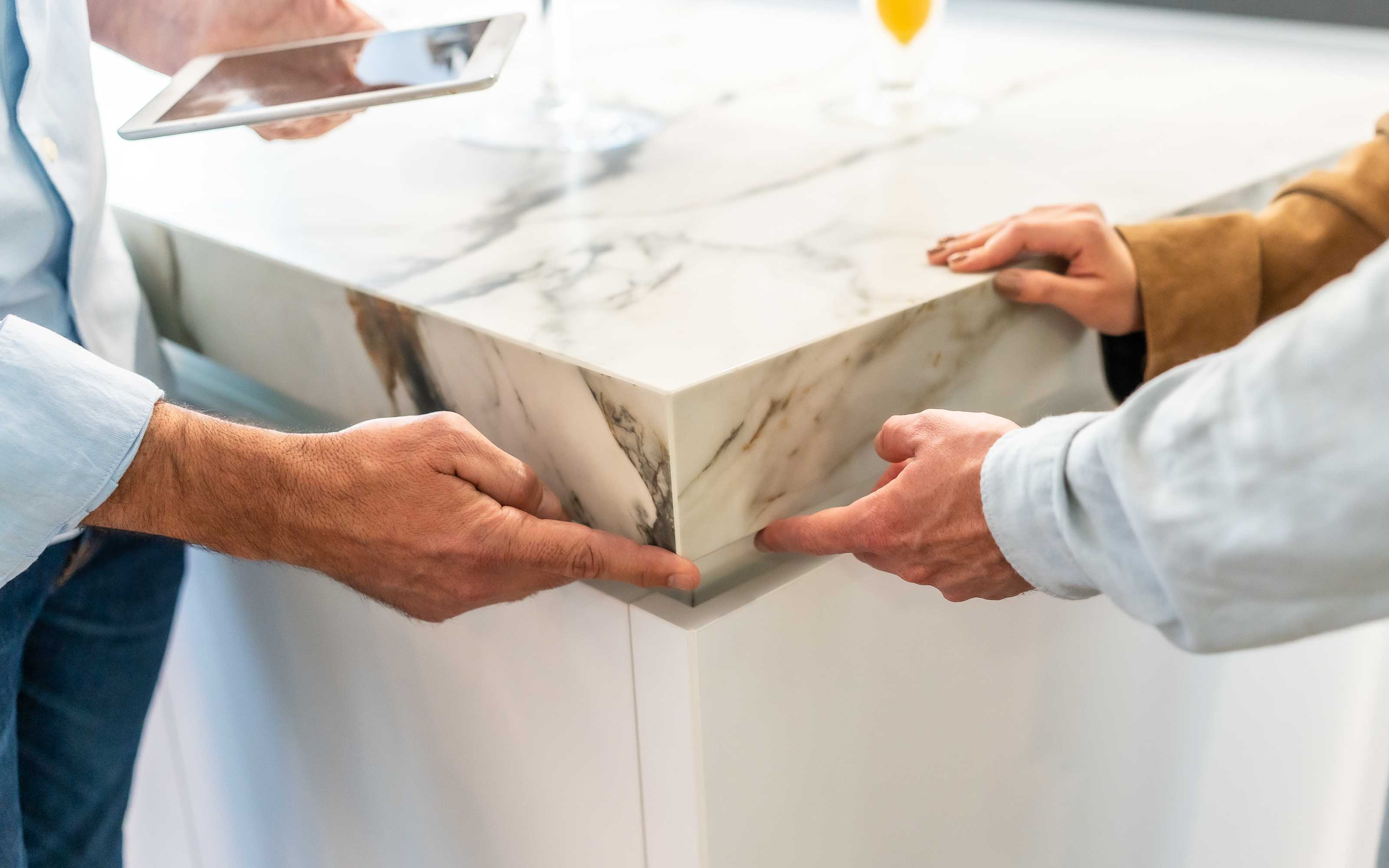
Butcher Block vs Granite vs Quartz Product Photo

Choosing the right kitchen countertop is one of the most impactful decisions in a kitchen remodel. Countertops influence how your kitchen looks, how it functions day to day, and how much maintenance you will deal with over time. With popular options like butcher block, granite, and quartz, homeowners often feel overwhelmed trying to decide which material truly fits their lifestyle.

This guide takes a detailed look at the most common kitchen countertop materials, explains how they perform in real kitchens, and helps you determine which option is best for your cooking habits, design preferences, and long-term goals.

Why kitchen countertops matter more than most homeowners expect

Kitchen countertops are one of the most heavily used surfaces in any home. They experience daily exposure to heat, moisture, spills, sharp objects, and cleaning products. A countertop that looks beautiful but does not match your lifestyle can quickly become a source of frustration.

The right countertop should:

  • Hold up to daily cooking and prep
  • Be easy to clean and maintain
  • Complement your kitchen layout and cabinets
  • Add long-term value to your home

Understanding how materials perform beyond appearance is essential before making a final choice.

What is a butcher block and how does it perform in kitchens?

Butcher block countertops are made from solid wood strips bonded together, often using hardwoods like maple, oak, or walnut. They are known for their warm, natural appearance and inviting feel.

Benefits of butcher block countertops

Butcher block offers a look that many homeowners find timeless and cozy. It works well in farmhouses, cottage, and modern organic kitchens.

Key advantages include:

  • Natural warmth that softens kitchen design
  • A surface that can be sanded and refinished
  • A quieter prep surface compared to stone
  • Often lower upfront cost than stone options

Because butcher blocks can be refinished, scratches and surface wear are not permanent, which appeals to homeowners who prefer materials that age naturally.

Drawbacks to consider with butcher block

Butcher block requires more ongoing care than stone surfaces. Without proper maintenance, it can warp or stain.

Potential downsides include:

  • Regular sealing or oiling is required
  • Susceptible to water damage around sinks
  • Scratches and dents occur more easily
  • Heat can damage the surface if unprotected

Butcher block is best suited for homeowners who enjoy maintenance and want a living material that develops character over time.

Why granite remains a classic kitchen countertop choice

Granite is a natural stone quarried in slabs, making every countertop unique. It has long been associated with high-end kitchens and strong resale appeal.

Advantages of granite countertops

Granite is valued for durability and visual impact.

Major benefits include:

  • Excellent heat resistance
  • Strong resistance to scratches
  • Natural stone appearance that adds value
  • Wide range of colors and natural patterns

Granite performs well in kitchens where cooking is frequent and hot cookware is common.

Considerations before choosing granite

Because granite is natural stone, it has some care requirements.

Things to keep in mind:

  • Requires periodic sealing
  • Can stain if not properly sealed
  • Heavier material requiring professional installation
  • Natural variation may make color matching harder

Granite is ideal for homeowners who want a premium, natural surface and are comfortable with light maintenance.

What makes quartz a top choice for modern kitchens?

Quartz countertops are engineered using natural quartz combined with resins and pigments. This creates a surface designed for consistency and performance.

Benefits of quartz countertops

Quartz is one of the most popular choices for busy households.

Key advantages include:

  • Non-porous surface that resists stains
  • No sealing or special maintenance required
  • Consistent color and pattern options
  • Strong durability for everyday use

Quartz works well in modern, transitional, and minimalist kitchens where clean lines and low maintenance are priorities.

Limitations of quartz countertops

While quartz is durable, it has a few limitations.

Potential drawbacks:

  • Higher upfront cost than some materials
  • Less tolerant of extreme heat
  • Not a fully natural stone

Quartz is best for homeowners who want a polished look with minimal upkeep.

How butcher block, granite, and quartz compare for daily kitchen use

When comparing countertop materials, daily habits matter more than design trends.

For heavy cooking and frequent use

Granite handles heat extremely well and resists scratches. Quartz performs well for most tasks but benefits from heat protection.

For low maintenance lifestyles

Quartz requires the least upkeep. Granite needs periodic sealing, while butcher block requires the most care.

For families and busy households

Quartz is often the easiest option for homes with children due to stain resistance and easy cleaning.

For design and warmth

Butcher block adds warmth and character. Granite offers natural variation. Quartz provides consistent, modern aesthetics.

Each material excels in different situations, which is why understanding how your kitchen functions is essential.

How cost factors into countertop selection

Cost varies based on material, thickness, edge profile, and installation.

General cost considerations:

  • Butcher block often has lower initial costs but higher maintenance
  • Granite falls in the mid to higher price range depending on stone type
  • Quartz typically has higher upfront costs but minimal ongoing care

Long-term value includes durability, maintenance costs, and resale appeal.

What countertop material adds the most home value?

Granite and quartz are widely considered premium materials that appeal to buyers. Quartz is especially attractive to modern buyers seeking low maintenance, while granite appeals to those who prefer natural stone.

Butcher block can add charm but may be more design-specific for resale.

How professional kitchen design guidance makes a difference

Countertops should never be chosen in isolation. Cabinet layout, lighting, appliances, and workflow all affect how a countertop performs in real life.

The Window Depot offers homeowners access to a professional kitchen design team that helps align countertop selection with overall kitchen functionality and style. Through free consultations, homeowners can compare materials, review layout considerations, and choose options that work for both aesthetics and daily use.

If you are planning a kitchen remodel and want expert input before making a major investment, contact us to schedule a free consultation with the kitchen design team.

FAQs

What is the most durable kitchen countertop material?

Granite and quartz are both highly durable. Granite handles heat better, while quartz requires less maintenance.

Are butcher block countertops practical for everyday kitchens?

Yes, but they require regular sealing and care. They are best for homeowners comfortable with maintenance.

Does quartz stain or absorb liquids?

No. Quartz is non-porous and highly resistant to stains.

How often does granite need to be sealed?

Most granite countertops need sealing about once per year, depending on use.

Which countertop is best for resale value?

Quartz and granite generally provide the strongest resale appeal.

Countertop Comparisons: What Material Is Best for Your Kitchen?

Butcher Block vs Granite vs Quartz Product Photo

Choosing the right kitchen countertop is one of the most impactful decisions in a kitchen remodel. Countertops influence how your kitchen looks, how it functions day to day, and how much maintenance you will deal with over time. With popular options like butcher block, granite, and quartz, homeowners often feel overwhelmed trying to decide which material truly fits their lifestyle.

This guide takes a detailed look at the most common kitchen countertop materials, explains how they perform in real kitchens, and helps you determine which option is best for your cooking habits, design preferences, and long-term goals.

Why kitchen countertops matter more than most homeowners expect

Kitchen countertops are one of the most heavily used surfaces in any home. They experience daily exposure to heat, moisture, spills, sharp objects, and cleaning products. A countertop that looks beautiful but does not match your lifestyle can quickly become a source of frustration.

The right countertop should:

  • Hold up to daily cooking and prep
  • Be easy to clean and maintain
  • Complement your kitchen layout and cabinets
  • Add long-term value to your home

Understanding how materials perform beyond appearance is essential before making a final choice.

What is a butcher block and how does it perform in kitchens?

Butcher block countertops are made from solid wood strips bonded together, often using hardwoods like maple, oak, or walnut. They are known for their warm, natural appearance and inviting feel.

Benefits of butcher block countertops

Butcher block offers a look that many homeowners find timeless and cozy. It works well in farmhouses, cottage, and modern organic kitchens.

Key advantages include:

  • Natural warmth that softens kitchen design
  • A surface that can be sanded and refinished
  • A quieter prep surface compared to stone
  • Often lower upfront cost than stone options

Because butcher blocks can be refinished, scratches and surface wear are not permanent, which appeals to homeowners who prefer materials that age naturally.

Drawbacks to consider with butcher block

Butcher block requires more ongoing care than stone surfaces. Without proper maintenance, it can warp or stain.

Potential downsides include:

  • Regular sealing or oiling is required
  • Susceptible to water damage around sinks
  • Scratches and dents occur more easily
  • Heat can damage the surface if unprotected

Butcher block is best suited for homeowners who enjoy maintenance and want a living material that develops character over time.

Why granite remains a classic kitchen countertop choice

Granite is a natural stone quarried in slabs, making every countertop unique. It has long been associated with high-end kitchens and strong resale appeal.

Advantages of granite countertops

Granite is valued for durability and visual impact.

Major benefits include:

  • Excellent heat resistance
  • Strong resistance to scratches
  • Natural stone appearance that adds value
  • Wide range of colors and natural patterns

Granite performs well in kitchens where cooking is frequent and hot cookware is common.

Considerations before choosing granite

Because granite is natural stone, it has some care requirements.

Things to keep in mind:

  • Requires periodic sealing
  • Can stain if not properly sealed
  • Heavier material requiring professional installation
  • Natural variation may make color matching harder

Granite is ideal for homeowners who want a premium, natural surface and are comfortable with light maintenance.

What makes quartz a top choice for modern kitchens?

Quartz countertops are engineered using natural quartz combined with resins and pigments. This creates a surface designed for consistency and performance.

Benefits of quartz countertops

Quartz is one of the most popular choices for busy households.

Key advantages include:

  • Non-porous surface that resists stains
  • No sealing or special maintenance required
  • Consistent color and pattern options
  • Strong durability for everyday use

Quartz works well in modern, transitional, and minimalist kitchens where clean lines and low maintenance are priorities.

Limitations of quartz countertops

While quartz is durable, it has a few limitations.

Potential drawbacks:

  • Higher upfront cost than some materials
  • Less tolerant of extreme heat
  • Not a fully natural stone

Quartz is best for homeowners who want a polished look with minimal upkeep.

How butcher block, granite, and quartz compare for daily kitchen use

When comparing countertop materials, daily habits matter more than design trends.

For heavy cooking and frequent use

Granite handles heat extremely well and resists scratches. Quartz performs well for most tasks but benefits from heat protection.

For low maintenance lifestyles

Quartz requires the least upkeep. Granite needs periodic sealing, while butcher block requires the most care.

For families and busy households

Quartz is often the easiest option for homes with children due to stain resistance and easy cleaning.

For design and warmth

Butcher block adds warmth and character. Granite offers natural variation. Quartz provides consistent, modern aesthetics.

Each material excels in different situations, which is why understanding how your kitchen functions is essential.

How cost factors into countertop selection

Cost varies based on material, thickness, edge profile, and installation.

General cost considerations:

  • Butcher block often has lower initial costs but higher maintenance
  • Granite falls in the mid to higher price range depending on stone type
  • Quartz typically has higher upfront costs but minimal ongoing care

Long-term value includes durability, maintenance costs, and resale appeal.

What countertop material adds the most home value?

Granite and quartz are widely considered premium materials that appeal to buyers. Quartz is especially attractive to modern buyers seeking low maintenance, while granite appeals to those who prefer natural stone.

Butcher block can add charm but may be more design-specific for resale.

How professional kitchen design guidance makes a difference

Countertops should never be chosen in isolation. Cabinet layout, lighting, appliances, and workflow all affect how a countertop performs in real life.

The Window Depot offers homeowners access to a professional kitchen design team that helps align countertop selection with overall kitchen functionality and style. Through free consultations, homeowners can compare materials, review layout considerations, and choose options that work for both aesthetics and daily use.

If you are planning a kitchen remodel and want expert input before making a major investment, contact us to schedule a free consultation with the kitchen design team.

FAQs

What is the most durable kitchen countertop material?

Granite and quartz are both highly durable. Granite handles heat better, while quartz requires less maintenance.

Are butcher block countertops practical for everyday kitchens?

Yes, but they require regular sealing and care. They are best for homeowners comfortable with maintenance.

Does quartz stain or absorb liquids?

No. Quartz is non-porous and highly resistant to stains.

How often does granite need to be sealed?

Most granite countertops need sealing about once per year, depending on use.

Which countertop is best for resale value?

Quartz and granite generally provide the strongest resale appeal.

SEARCH ×