
Select your store: 2300 S. 6th Ave, Tucson

Online orders are in store pickup only.

0 $0.00
items in your cartto quote To cart
Ooops no items were found.
Try something else.
Ok
Loading…

8 Warning Signs Your Windows Are Wasting Energy in Arizona Homes

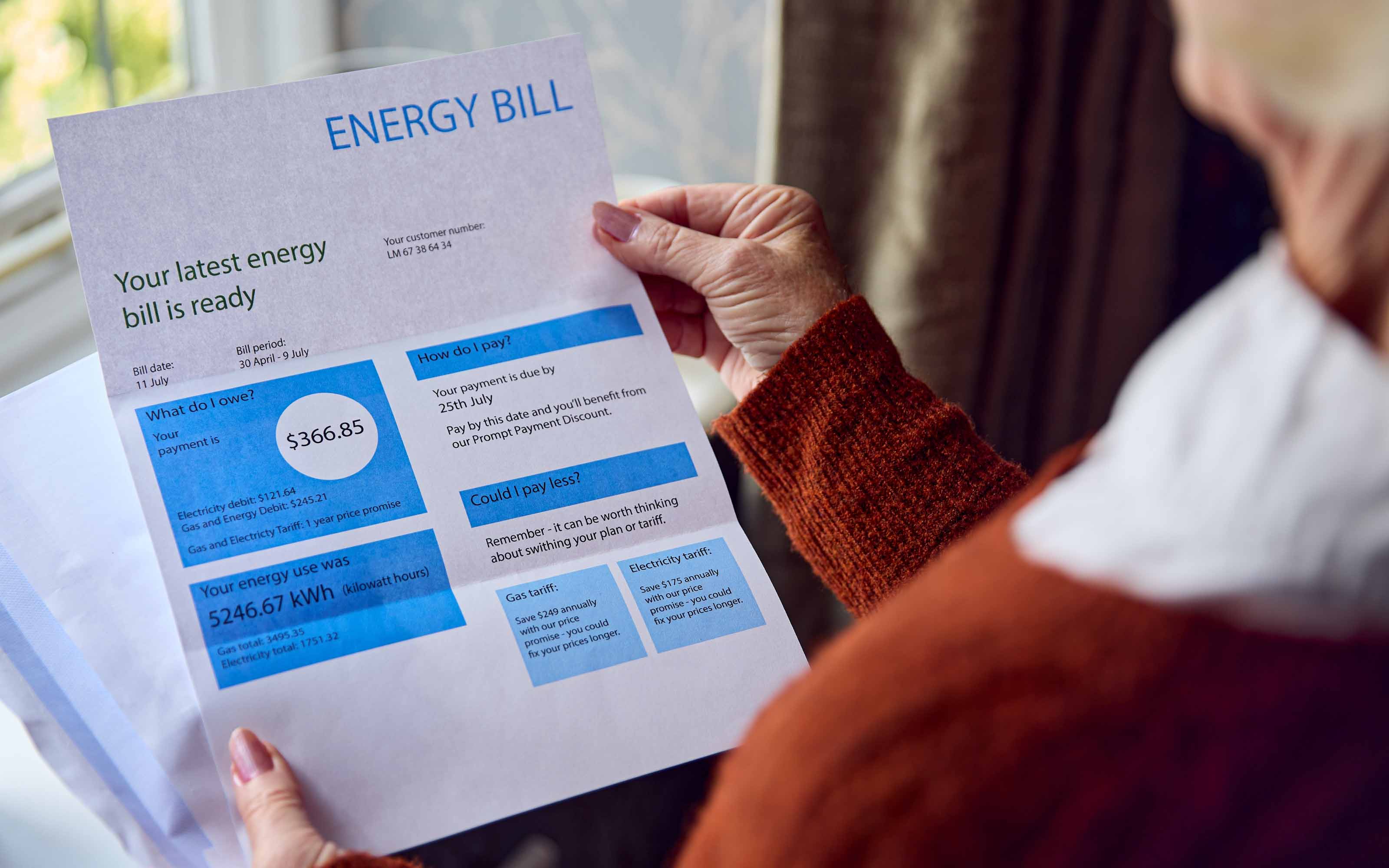
Arizona home with aging windows causing drafts, heat gain, and higher energy bills before replacement with energy-efficient windows

Arizona homeowners know how important it is to keep indoor temperatures comfortable throughout the year. With long summers, intense sunlight, and rising utility costs, even small sources of energy loss can have a noticeable impact on monthly energy bills. While many homeowners focus on their HVAC systems when costs increase, windows are often one of the biggest contributors to energy waste.

At The Window Depot, we frequently help homeowners identify hidden issues that affect energy efficiency and home comfort. Older windows, damaged seals, poor installation, and outdated glass technology can allow heat to enter during the summer and escape during cooler months. This forces heating and cooling systems to work harder, increasing energy consumption and reducing overall comfort.

Recognizing the warning signs of inefficient windows can help homeowners take action before energy waste becomes a major expense. Whether your home has aging windows or you simply want to improve energy efficiency, understanding what to look for is the first step toward lowering utility bills, improving indoor comfort, and maximizing the performance of your home throughout Arizona's challenging climate.

Quick Answers: Are Your Windows Wasting Energy?

  • What are the most common signs of energy-wasting windows?
    Common signs include drafts, rising utility bills, hot and cold spots near windows, condensation between glass panes, excessive outside noise, and fading furniture from UV exposure.
  • Do old windows affect energy bills?
    Yes. Older windows often lack modern energy-efficient features such as Low-E glass, insulated frames, and multi-pane construction, allowing more heat transfer and increasing HVAC usage.
  • Can window replacement lower energy costs?
    Energy-efficient replacement windows can help reduce heat transfer, improve indoor comfort, and decrease the workload on heating and cooling systems.
  • Why is window efficiency especially important in Arizona?
    Arizona's intense sunlight and prolonged heat place significant demands on cooling systems. Inefficient windows allow solar heat gain that can dramatically increase energy consumption.
  • How do I know if my window seals have failed?
    Condensation, fogging, or moisture trapped between glass panes often indicates a failed seal, reducing the insulating performance of the window.

Why Windows Play a Major Role in Home Energy Efficiency

Many homeowners underestimate how much influence windows have on energy performance. Windows serve as a barrier between indoor and outdoor conditions, but they also allow natural light, airflow, and visibility. When windows become inefficient, they create opportunities for heat transfer that can significantly impact indoor comfort.

In Arizona, this challenge is even greater. Homes are exposed to intense solar radiation for much of the year. When windows cannot effectively block heat, interior temperatures rise quickly, causing air conditioning systems to run longer and consume more electricity.

Modern energy-efficient windows are designed to reduce solar heat gain while maintaining visibility and natural light. Features such as insulated frames, double-pane glass, argon gas fills, and Low-E coatings help improve thermal performance and reduce overall energy consumption.

The following warning signs may indicate that your windows are costing you more money than you realize.

Warning Sign #1: You Feel Drafts Near Closed Windows

One of the most obvious signs of energy loss is feeling air movement around a window that is completely closed.

Drafts can develop due to:

  • Worn weatherstripping
  • Damaged seals
  • Warped frames
  • Improper installation
  • Age-related deterioration

Even small gaps allow conditioned air to escape while outdoor air enters the home. During Arizona summers, this means hot air infiltrates your living spaces, making it harder for your cooling system to maintain consistent temperatures.

Drafts often become noticeable near window frames, sashes, and corners. If you frequently feel warm air near your windows despite running your air conditioner, energy loss may be occurring.

Warning Sign #2: Certain Rooms Always Feel Hotter Than Others

Do some rooms in your home feel significantly warmer than the rest of the house?

This is a common indicator of window-related energy inefficiency.

Rooms with large west-facing or south-facing windows often receive substantial solar heat throughout the day. If windows lack modern energy-saving features, they may allow excessive heat gain that overwhelms the cooling capacity of that area.

Common problem areas include:

  • Living rooms with large picture windows
  • Sunrooms
  • Home offices
  • Bedrooms facing the afternoon sun

Uneven temperatures often suggest that windows are allowing heat to penetrate the home rather than helping regulate indoor conditions.

Warning Sign #3: Your Summer Energy Bills Keep Rising

Arizona homeowners naturally expect higher electricity bills during the hottest months. However, unusually high or steadily increasing cooling costs may indicate window inefficiencies.

When windows allow excessive heat transfer, your HVAC system must work longer and harder to maintain comfortable temperatures. This additional workload increases energy consumption and can accelerate wear on heating and cooling equipment.

If you have noticed:

  • Higher cooling costs despite similar usage habits
  • Increasing electricity bills each year
  • Longer HVAC run times
  • Difficulty maintaining thermostat settings

Your windows may be contributing to the problem.

Comparing current energy bills to previous years can help identify patterns that suggest declining window performance.

Warning Sign #4: Condensation or Fog Between Glass Panes

Double-pane and triple-pane windows are designed with sealed spaces between glass layers to improve insulation.

When these seals fail, moisture can enter the space between panes, creating:

  • Fogging
  • Condensation
  • Hazy glass
  • Persistent moisture buildup

A failed seal significantly reduces a window's insulating capability.

In Arizona, temperature differences between air-conditioned interiors and hot outdoor conditions can place stress on window seals over time. Once the insulating seal breaks down, heat transfer becomes easier, reducing energy efficiency.

Fogged windows are not only unattractive but may also signal substantial performance loss.

Warning Sign #5: Furniture, Flooring, and Décor Are Fading

Ultraviolet (UV) rays can damage interior furnishings over time.

If you notice fading on:

  • Hardwood flooring
  • Carpets
  • Furniture
  • Artwork
  • Curtains
  • Cabinets

Your windows may not be adequately blocking harmful UV radiation.

Older windows often allow a higher percentage of UV rays to enter the home. Modern energy-efficient windows frequently incorporate Low-E glass coatings that help reduce UV penetration while maintaining visibility and natural light.

Excessive UV exposure not only damages furnishings but also contributes to increased indoor heat gain, making cooling systems work harder.

Warning Sign #6: Your Windows Are Difficult to Open or Close

Windows should operate smoothly and securely.

Difficulty opening, closing, or locking windows can indicate:

  • Warped frames
  • Structural movement
  • Moisture damage
  • Material deterioration
  • Hardware failure

When windows no longer close properly, gaps may develop around the frame, allowing conditioned air to escape.

Poor operation often accompanies declining energy performance because damaged or misaligned windows cannot maintain an effective seal against outdoor temperatures.

In Arizona's climate, prolonged exposure to heat and sunlight can accelerate material expansion, contraction, and deterioration, especially in older window systems.

Warning Sign #7: Excessive Outside Noise Is Entering Your Home

While noise may seem unrelated to energy efficiency, sound transmission often indicates insufficient insulation.

Windows that allow significant outdoor noise to enter may also permit greater heat transfer.

Common signs include hearing:

  • Traffic
  • Neighborhood activity
  • Construction noise
  • Barking dogs
  • Airplane traffic

more clearly than expected indoors.

Modern energy-efficient windows frequently include multiple panes, insulated spaces, and improved frame designs that help reduce both sound transmission and thermal transfer.

If outside noise seems unusually noticeable, your windows may not be providing adequate insulation.

Warning Sign #8: Your Windows Are More Than 15–20 Years Old

Age alone does not automatically mean replacement is necessary, but older windows often lack the energy-saving technologies available today.

Many windows installed decades ago were manufactured before modern energy standards became common.

Older windows may lack:

  • Low-E coatings
  • Double-pane construction
  • Argon gas fills
  • Advanced weatherstripping
  • Insulated frames
  • Improved spacer systems

Even if they appear functional, aging windows may allow significantly more heat transfer than newer models.

Arizona homeowners with older windows often see meaningful improvements in comfort and efficiency when upgrading to modern energy-efficient options.

How Arizona's Climate Accelerates Window Energy Loss

Arizona presents unique challenges for residential windows.

Several environmental factors contribute to increased wear and energy loss:

Intense Sun Exposure

Many regions of Arizona experience more than 300 sunny days annually. Constant solar exposure increases heat gain and accelerates material aging.

Extreme Summer Temperatures

Outdoor temperatures frequently exceed 100°F during the summer. This creates a significant temperature difference between indoor and outdoor environments, placing additional stress on window systems.

Dust and Debris

Dust accumulation can affect seals, tracks, and moving components, reducing window performance over time.

Monsoon Weather

Heavy rain, wind, and seasonal storms can expose weaknesses in seals, flashing, and installation quality.

These conditions make regular inspection and maintenance especially important for Arizona homeowners.

How Energy-Efficient Windows Help Reduce Utility Costs

Replacing inefficient windows can provide several benefits beyond lower energy bills.

Advantages may include:

Improved Indoor Comfort

Energy-efficient windows help maintain more consistent temperatures throughout the home.

Reduced HVAC Strain

When less heat enters the home, cooling systems operate more efficiently and may experience less wear.

Better UV Protection

Modern glass technology helps reduce fading and protects interior furnishings.

Enhanced Noise Reduction

Multi-pane construction improves sound insulation.

Increased Home Value

Energy-efficient upgrades are attractive to many prospective homebuyers.

Improved Year-Round Performance

Modern windows help manage both summer heat and cooler winter temperatures.

When Should You Consider Window Replacement?

Not every window issue requires immediate replacement, but multiple warning signs often indicate that an upgrade may be beneficial.

Consider evaluating replacement options if you experience:

  • Persistent drafts
  • Fogged glass
  • Rising energy bills
  • Significant UV damage
  • Difficult operation
  • Excessive outside noise
  • Uneven indoor temperatures
  • Aging windows nearing or exceeding 20 years old

A professional assessment can help determine whether repair or replacement is the most effective solution.

Frequently Asked Questions

Can windows really affect energy bills that much?

Yes. Windows are one of the primary pathways for heat gain and heat loss in a home. Inefficient windows can significantly increase HVAC usage and utility costs.

What is the biggest sign that windows are wasting energy?

Rising energy bills combined with drafts and uneven room temperatures are among the most common indicators.

Are double-pane windows better for Arizona homes?

Double-pane windows generally provide improved insulation compared to single-pane windows and are commonly recommended for hot climates.

How long do energy-efficient windows last?

Many quality energy-efficient windows can perform effectively for 20 years or more with proper maintenance.

Will replacing windows make my home more comfortable?

New energy-efficient windows often help reduce hot spots, improve temperature consistency, and enhance overall indoor comfort.

Conclusion

Energy-wasting windows often reveal themselves through warning signs that many homeowners overlook. Drafts, rising utility bills, uneven temperatures, fogged glass, UV damage, and excessive outside noise can all indicate that windows are no longer performing efficiently.

In Arizona's demanding climate, these issues can have a substantial impact on cooling costs and overall comfort. Recognizing the signs early allows homeowners to address inefficiencies before they lead to higher expenses and unnecessary strain on HVAC systems.

By understanding how windows affect energy performance and identifying common warning signs, homeowners can make informed decisions that improve comfort, reduce utility costs, and enhance long-term home efficiency. Whether through maintenance, repairs, or replacement, addressing inefficient windows can be a valuable investment in the performance and comfort of your Arizona home.

If you're concerned that your windows may be contributing to higher energy bills, contact us today. Our team can help you evaluate your current windows and explore energy-efficient solutions designed to improve comfort, enhance performance, and help lower utility costs for years to come.

8 Warning Signs Your Windows Are Wasting Energy in Arizona Homes

Arizona home with aging windows causing drafts, heat gain, and higher energy bills before replacement with energy-efficient windows

Arizona homeowners know how important it is to keep indoor temperatures comfortable throughout the year. With long summers, intense sunlight, and rising utility costs, even small sources of energy loss can have a noticeable impact on monthly energy bills. While many homeowners focus on their HVAC systems when costs increase, windows are often one of the biggest contributors to energy waste.

At The Window Depot, we frequently help homeowners identify hidden issues that affect energy efficiency and home comfort. Older windows, damaged seals, poor installation, and outdated glass technology can allow heat to enter during the summer and escape during cooler months. This forces heating and cooling systems to work harder, increasing energy consumption and reducing overall comfort.

Recognizing the warning signs of inefficient windows can help homeowners take action before energy waste becomes a major expense. Whether your home has aging windows or you simply want to improve energy efficiency, understanding what to look for is the first step toward lowering utility bills, improving indoor comfort, and maximizing the performance of your home throughout Arizona's challenging climate.

Quick Answers: Are Your Windows Wasting Energy?

  • What are the most common signs of energy-wasting windows?
    Common signs include drafts, rising utility bills, hot and cold spots near windows, condensation between glass panes, excessive outside noise, and fading furniture from UV exposure.
  • Do old windows affect energy bills?
    Yes. Older windows often lack modern energy-efficient features such as Low-E glass, insulated frames, and multi-pane construction, allowing more heat transfer and increasing HVAC usage.
  • Can window replacement lower energy costs?
    Energy-efficient replacement windows can help reduce heat transfer, improve indoor comfort, and decrease the workload on heating and cooling systems.
  • Why is window efficiency especially important in Arizona?
    Arizona's intense sunlight and prolonged heat place significant demands on cooling systems. Inefficient windows allow solar heat gain that can dramatically increase energy consumption.
  • How do I know if my window seals have failed?
    Condensation, fogging, or moisture trapped between glass panes often indicates a failed seal, reducing the insulating performance of the window.

Why Windows Play a Major Role in Home Energy Efficiency

Many homeowners underestimate how much influence windows have on energy performance. Windows serve as a barrier between indoor and outdoor conditions, but they also allow natural light, airflow, and visibility. When windows become inefficient, they create opportunities for heat transfer that can significantly impact indoor comfort.

In Arizona, this challenge is even greater. Homes are exposed to intense solar radiation for much of the year. When windows cannot effectively block heat, interior temperatures rise quickly, causing air conditioning systems to run longer and consume more electricity.

Modern energy-efficient windows are designed to reduce solar heat gain while maintaining visibility and natural light. Features such as insulated frames, double-pane glass, argon gas fills, and Low-E coatings help improve thermal performance and reduce overall energy consumption.

The following warning signs may indicate that your windows are costing you more money than you realize.

Warning Sign #1: You Feel Drafts Near Closed Windows

One of the most obvious signs of energy loss is feeling air movement around a window that is completely closed.

Drafts can develop due to:

  • Worn weatherstripping
  • Damaged seals
  • Warped frames
  • Improper installation
  • Age-related deterioration

Even small gaps allow conditioned air to escape while outdoor air enters the home. During Arizona summers, this means hot air infiltrates your living spaces, making it harder for your cooling system to maintain consistent temperatures.

Drafts often become noticeable near window frames, sashes, and corners. If you frequently feel warm air near your windows despite running your air conditioner, energy loss may be occurring.

Warning Sign #2: Certain Rooms Always Feel Hotter Than Others

Do some rooms in your home feel significantly warmer than the rest of the house?

This is a common indicator of window-related energy inefficiency.

Rooms with large west-facing or south-facing windows often receive substantial solar heat throughout the day. If windows lack modern energy-saving features, they may allow excessive heat gain that overwhelms the cooling capacity of that area.

Common problem areas include:

  • Living rooms with large picture windows
  • Sunrooms
  • Home offices
  • Bedrooms facing the afternoon sun

Uneven temperatures often suggest that windows are allowing heat to penetrate the home rather than helping regulate indoor conditions.

Warning Sign #3: Your Summer Energy Bills Keep Rising

Arizona homeowners naturally expect higher electricity bills during the hottest months. However, unusually high or steadily increasing cooling costs may indicate window inefficiencies.

When windows allow excessive heat transfer, your HVAC system must work longer and harder to maintain comfortable temperatures. This additional workload increases energy consumption and can accelerate wear on heating and cooling equipment.

If you have noticed:

  • Higher cooling costs despite similar usage habits
  • Increasing electricity bills each year
  • Longer HVAC run times
  • Difficulty maintaining thermostat settings

Your windows may be contributing to the problem.

Comparing current energy bills to previous years can help identify patterns that suggest declining window performance.

Warning Sign #4: Condensation or Fog Between Glass Panes

Double-pane and triple-pane windows are designed with sealed spaces between glass layers to improve insulation.

When these seals fail, moisture can enter the space between panes, creating:

  • Fogging
  • Condensation
  • Hazy glass
  • Persistent moisture buildup

A failed seal significantly reduces a window's insulating capability.

In Arizona, temperature differences between air-conditioned interiors and hot outdoor conditions can place stress on window seals over time. Once the insulating seal breaks down, heat transfer becomes easier, reducing energy efficiency.

Fogged windows are not only unattractive but may also signal substantial performance loss.

Warning Sign #5: Furniture, Flooring, and Décor Are Fading

Ultraviolet (UV) rays can damage interior furnishings over time.

If you notice fading on:

  • Hardwood flooring
  • Carpets
  • Furniture
  • Artwork
  • Curtains
  • Cabinets

Your windows may not be adequately blocking harmful UV radiation.

Older windows often allow a higher percentage of UV rays to enter the home. Modern energy-efficient windows frequently incorporate Low-E glass coatings that help reduce UV penetration while maintaining visibility and natural light.

Excessive UV exposure not only damages furnishings but also contributes to increased indoor heat gain, making cooling systems work harder.

Warning Sign #6: Your Windows Are Difficult to Open or Close

Windows should operate smoothly and securely.

Difficulty opening, closing, or locking windows can indicate:

  • Warped frames
  • Structural movement
  • Moisture damage
  • Material deterioration
  • Hardware failure

When windows no longer close properly, gaps may develop around the frame, allowing conditioned air to escape.

Poor operation often accompanies declining energy performance because damaged or misaligned windows cannot maintain an effective seal against outdoor temperatures.

In Arizona's climate, prolonged exposure to heat and sunlight can accelerate material expansion, contraction, and deterioration, especially in older window systems.

Warning Sign #7: Excessive Outside Noise Is Entering Your Home

While noise may seem unrelated to energy efficiency, sound transmission often indicates insufficient insulation.

Windows that allow significant outdoor noise to enter may also permit greater heat transfer.

Common signs include hearing:

  • Traffic
  • Neighborhood activity
  • Construction noise
  • Barking dogs
  • Airplane traffic

more clearly than expected indoors.

Modern energy-efficient windows frequently include multiple panes, insulated spaces, and improved frame designs that help reduce both sound transmission and thermal transfer.

If outside noise seems unusually noticeable, your windows may not be providing adequate insulation.

Warning Sign #8: Your Windows Are More Than 15–20 Years Old

Age alone does not automatically mean replacement is necessary, but older windows often lack the energy-saving technologies available today.

Many windows installed decades ago were manufactured before modern energy standards became common.

Older windows may lack:

  • Low-E coatings
  • Double-pane construction
  • Argon gas fills
  • Advanced weatherstripping
  • Insulated frames
  • Improved spacer systems

Even if they appear functional, aging windows may allow significantly more heat transfer than newer models.

Arizona homeowners with older windows often see meaningful improvements in comfort and efficiency when upgrading to modern energy-efficient options.

How Arizona's Climate Accelerates Window Energy Loss

Arizona presents unique challenges for residential windows.

Several environmental factors contribute to increased wear and energy loss:

Intense Sun Exposure

Many regions of Arizona experience more than 300 sunny days annually. Constant solar exposure increases heat gain and accelerates material aging.

Extreme Summer Temperatures

Outdoor temperatures frequently exceed 100°F during the summer. This creates a significant temperature difference between indoor and outdoor environments, placing additional stress on window systems.

Dust and Debris

Dust accumulation can affect seals, tracks, and moving components, reducing window performance over time.

Monsoon Weather

Heavy rain, wind, and seasonal storms can expose weaknesses in seals, flashing, and installation quality.

These conditions make regular inspection and maintenance especially important for Arizona homeowners.

How Energy-Efficient Windows Help Reduce Utility Costs

Replacing inefficient windows can provide several benefits beyond lower energy bills.

Advantages may include:

Improved Indoor Comfort

Energy-efficient windows help maintain more consistent temperatures throughout the home.

Reduced HVAC Strain

When less heat enters the home, cooling systems operate more efficiently and may experience less wear.

Better UV Protection

Modern glass technology helps reduce fading and protects interior furnishings.

Enhanced Noise Reduction

Multi-pane construction improves sound insulation.

Increased Home Value

Energy-efficient upgrades are attractive to many prospective homebuyers.

Improved Year-Round Performance

Modern windows help manage both summer heat and cooler winter temperatures.

When Should You Consider Window Replacement?

Not every window issue requires immediate replacement, but multiple warning signs often indicate that an upgrade may be beneficial.

Consider evaluating replacement options if you experience:

  • Persistent drafts
  • Fogged glass
  • Rising energy bills
  • Significant UV damage
  • Difficult operation
  • Excessive outside noise
  • Uneven indoor temperatures
  • Aging windows nearing or exceeding 20 years old

A professional assessment can help determine whether repair or replacement is the most effective solution.

Frequently Asked Questions

Can windows really affect energy bills that much?

Yes. Windows are one of the primary pathways for heat gain and heat loss in a home. Inefficient windows can significantly increase HVAC usage and utility costs.

What is the biggest sign that windows are wasting energy?

Rising energy bills combined with drafts and uneven room temperatures are among the most common indicators.

Are double-pane windows better for Arizona homes?

Double-pane windows generally provide improved insulation compared to single-pane windows and are commonly recommended for hot climates.

How long do energy-efficient windows last?

Many quality energy-efficient windows can perform effectively for 20 years or more with proper maintenance.

Will replacing windows make my home more comfortable?

New energy-efficient windows often help reduce hot spots, improve temperature consistency, and enhance overall indoor comfort.

Conclusion

Energy-wasting windows often reveal themselves through warning signs that many homeowners overlook. Drafts, rising utility bills, uneven temperatures, fogged glass, UV damage, and excessive outside noise can all indicate that windows are no longer performing efficiently.

In Arizona's demanding climate, these issues can have a substantial impact on cooling costs and overall comfort. Recognizing the signs early allows homeowners to address inefficiencies before they lead to higher expenses and unnecessary strain on HVAC systems.

By understanding how windows affect energy performance and identifying common warning signs, homeowners can make informed decisions that improve comfort, reduce utility costs, and enhance long-term home efficiency. Whether through maintenance, repairs, or replacement, addressing inefficient windows can be a valuable investment in the performance and comfort of your Arizona home.

If you're concerned that your windows may be contributing to higher energy bills, contact us today. Our team can help you evaluate your current windows and explore energy-efficient solutions designed to improve comfort, enhance performance, and help lower utility costs for years to come.

SEARCH ×

Search