
Select your store: 2300 S. 6th Ave, Tucson

Online orders are in store pickup only.

0 $0.00
items in your cartto quote To cart
Ooops no items were found.
Try something else.
Ok
Loading…

Signs Your Home Needs Better Insulation Around Windows and Doors

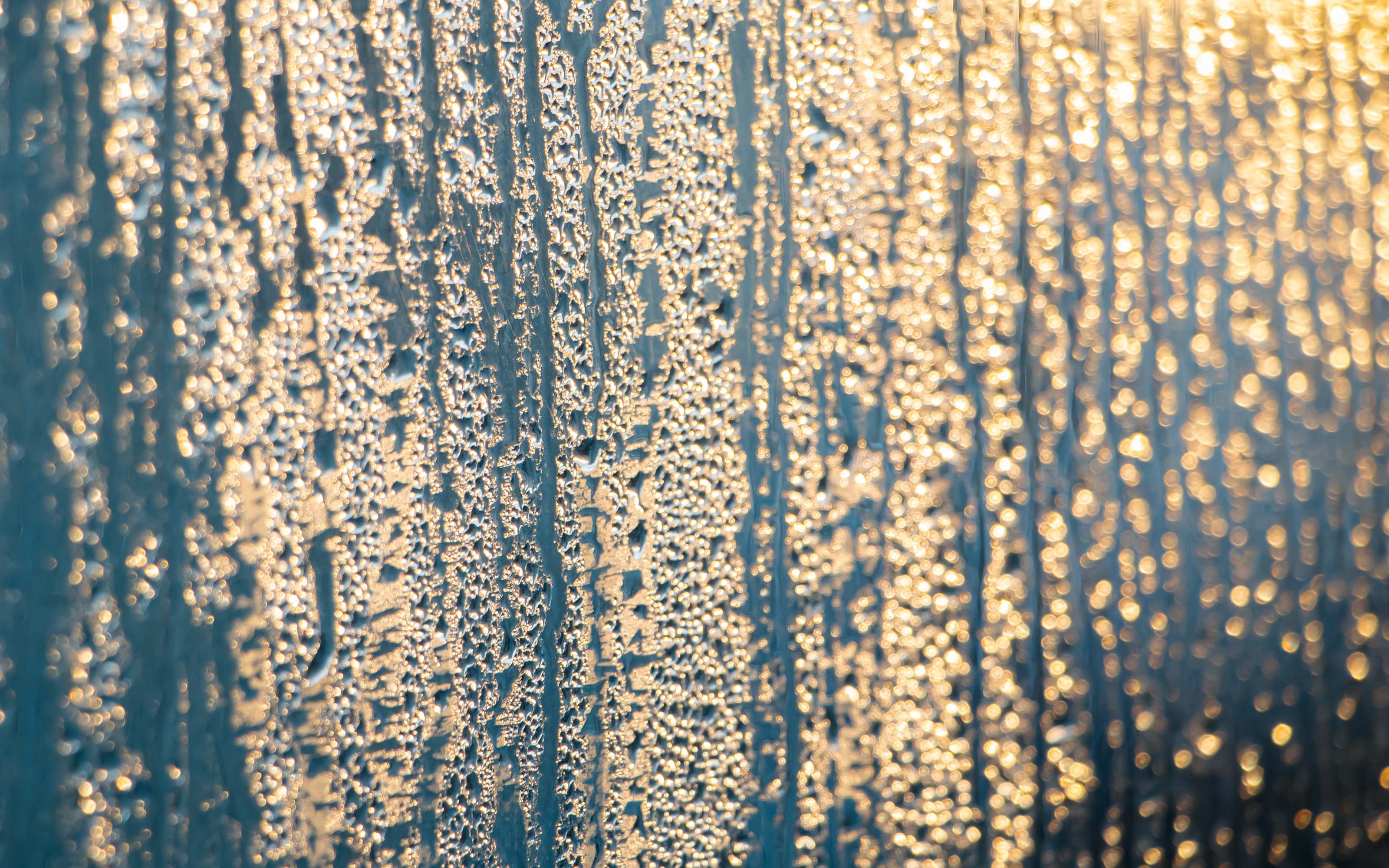
Close-up of window with condensation and moisture showing signs of poor insulation and energy loss

Proper insulation around windows and doors plays a key role in keeping your home comfortable and energy efficient. When insulation begins to fail, it allows outside air to enter and indoor air to escape, which can lead to higher energy bills and uneven temperatures.

Many homeowners overlook insulation problems until they become noticeable. Recognizing early warning signs can help you improve comfort, reduce energy loss, and avoid costly repairs.

Quick Answers for Window and Door Insulation

  • What are the signs of poor insulation around windows and doors?
    Drafts, rising energy bills, condensation, and uneven indoor temperatures are the most common signs.
  • What is the best way to insulate windows?
    The best way to insulate windows is to seal gaps, apply weatherproof materials, and upgrade to energy-efficient window systems when needed.
  • Can insulation problems increase energy costs?
    Yes. Poor insulation forces heating and cooling systems to work harder, which increases monthly utility bills.
  • Should you replace windows or repair them?
    Minor issues can often be sealed, but older or damaged windows may need replacement for long-term efficiency.

How Can You Tell If Your Windows and Doors Are Letting Air In?

Drafts are one of the clearest signs of poor insulation. If you feel air movement near windows or doors, especially during colder months, it often means the seals are no longer effective.

You may notice:

  • cold air entering during winter
  • warm air escaping from your home
  • inconsistent temperatures near windows

Many homeowners looking for the best way to insulate windows start by sealing visible gaps before considering upgrades.

Why Are Your Energy Bills Increasing?

A sudden increase in energy costs is often linked to insulation problems. When air leaks occur, your heating and cooling systems must work harder to maintain a stable indoor temperature.

Homes can lose up to 25 to 30 percent of heating and cooling energy through inefficient windows and doors. This loss adds up over time and can significantly impact your monthly bills.

Improving insulation can help reduce energy waste and improve overall efficiency.

Are Uneven Temperatures a Sign of Insulation Problems?

Yes. If some rooms feel colder or warmer than others, it may be due to poor insulation around windows and doors.

This often happens when:

  • seals have worn out
  • frames are no longer airtight
  • older window systems lack proper insulation

Maintaining consistent temperatures is a strong indicator that insulation is working properly.

Do You Notice Condensation or Moisture on Windows?

Condensation on windows can signal insulation issues. When warm indoor air meets cold glass, moisture forms on the surface.

This can lead to:

  • foggy glass
  • water buildup
  • potential mold or mildew

Upgrading to better-insulated windows can help reduce this issue.

Insulation Problems and the Best Solutions

Understanding what causes insulation issues can help you choose the right fix.

Problem

What It Means

Best Solution

Drafts near windows

Air leaks through gaps or worn seals

Seal gaps and apply weatherstripping

Cold indoor temperatures

Heat is escaping through windows

Improve sealing or upgrade insulation

High energy bills

HVAC system is overworking

Install energy-efficient windows

Condensation on glass

Poor insulation or outdated design

Replace with modern insulated windows

Noise from outside

Weak insulation or thin materials

Upgrade to thicker window systems

Gaps around frames

Seals have deteriorated

Use caulk or sealing materials

How Does Weather Affect Insulation Performance?

Extreme weather conditions often reveal insulation problems. During winter or summer, poorly insulated areas become more noticeable.

You may experience:

  • cold drafts in winter
  • hot spots near windows in summer
  • difficulty maintaining indoor comfort

Seasonal changes are often the best time to evaluate insulation performance.

What Is the Cost of Improving Window Insulation?

The cost of improving insulation depends on the condition of your current windows and the type of solution you choose.

Common factors include:

  • number of windows
  • materials used
  • installation requirements
  • energy-efficient features

While upgrades require an initial investment, improved insulation can lower energy bills and increase long-term savings.

When Should You Consider Replacing Windows or Doors?

If insulation problems continue after sealing gaps, replacement may be the best option.

Signs you may need new windows or doors include:

  • persistent drafts
  • visible damage or aging materials
  • high energy costs despite repairs
  • outdated single-pane windows

Modern window systems are designed to improve insulation, durability, and energy performance.

What Are the Benefits of Better Insulation?

Improving insulation around windows and doors offers several advantages:

  • lower energy bills
  • improved indoor comfort
  • reduced drafts
  • better temperature control
  • increased home value

Proper insulation also reduces strain on HVAC systems, helping them operate more efficiently.

How to Test Window and Door Insulation at Home

Homeowners can identify insulation problems using simple, practical tests that reveal hidden air leaks and performance issues. These methods are commonly used by professionals during initial inspections and can help determine whether sealing or replacement is needed.

One effective method is the hand test. Slowly move your hand around the edges of windows and doors, especially near frames and corners. If you feel air movement, it indicates gaps or failing seals. This is one of the quickest ways to detect drafts without tools.

Another approach is the candle or smoke test. Hold a candle or incense stick near the window or door frame. If the flame flickers or the smoke moves noticeably, it confirms air leakage. This method helps pinpoint exact problem areas that may not be visible.

For a more advanced check, homeowners can use a thermal camera or infrared thermometer. These tools detect temperature differences around windows and doors, showing where heat is escaping or entering. Even small temperature variations can indicate insulation failure.

You can also perform a visual inspection by checking for cracked caulking, worn weatherstripping, or gaps between the frame and wall. These visible signs often develop over time and directly affect insulation performance.

Regular testing helps homeowners catch insulation issues early, improve energy efficiency, and make informed decisions about repairs or upgrades.

Frequently Asked Questions

  1. How often should insulation around windows and doors be checked?
    It is recommended to inspect insulation at least once a year, especially before extreme weather seasons.
  2. Can sealing gaps really improve insulation?
    Yes. Sealing gaps is one of the most effective ways to reduce air leaks and improve energy efficiency.
  3. Are energy-efficient windows worth the investment?
    Yes. They provide long-term savings, improve comfort, and increase property value.
  4. What causes insulation to fail over time?
    Common causes include aging materials, weather exposure, and poor installation.
  5. Is professional installation important?
    Yes. Proper installation ensures windows and doors are sealed correctly and perform efficiently.

Expert Recommendation on Insulation Performance

Building professionals and energy efficiency specialists recommend regular inspection of window and door insulation to maintain consistent performance. Industry best practices emphasize proper sealing, high-quality materials, and correct installation to prevent air leakage and energy loss.

Guidelines from organizations such as the U.S. Department of Energy highlight that well-insulated windows and doors can significantly reduce heating and cooling demand. Working with experienced providers ensures that insulation improvements follow proven standards and deliver long-term efficiency and comfort.

Conclusion

Insulation around windows and doors is essential for maintaining comfort and energy efficiency in your home. Recognizing early signs such as drafts, rising energy bills, and uneven temperatures can help you address problems before they worsen.

Simple improvements like sealing gaps can make a noticeable difference, while upgrading to modern window systems can provide long-term benefits. Homeowners looking for reliable solutions can explore products from The Window Depot to improve insulation and overall home performance.

Signs Your Home Needs Better Insulation Around Windows and Doors

Close-up of window with condensation and moisture showing signs of poor insulation and energy loss

Proper insulation around windows and doors plays a key role in keeping your home comfortable and energy efficient. When insulation begins to fail, it allows outside air to enter and indoor air to escape, which can lead to higher energy bills and uneven temperatures.

Many homeowners overlook insulation problems until they become noticeable. Recognizing early warning signs can help you improve comfort, reduce energy loss, and avoid costly repairs.

Quick Answers for Window and Door Insulation

  • What are the signs of poor insulation around windows and doors?
    Drafts, rising energy bills, condensation, and uneven indoor temperatures are the most common signs.
  • What is the best way to insulate windows?
    The best way to insulate windows is to seal gaps, apply weatherproof materials, and upgrade to energy-efficient window systems when needed.
  • Can insulation problems increase energy costs?
    Yes. Poor insulation forces heating and cooling systems to work harder, which increases monthly utility bills.
  • Should you replace windows or repair them?
    Minor issues can often be sealed, but older or damaged windows may need replacement for long-term efficiency.

How Can You Tell If Your Windows and Doors Are Letting Air In?

Drafts are one of the clearest signs of poor insulation. If you feel air movement near windows or doors, especially during colder months, it often means the seals are no longer effective.

You may notice:

  • cold air entering during winter
  • warm air escaping from your home
  • inconsistent temperatures near windows

Many homeowners looking for the best way to insulate windows start by sealing visible gaps before considering upgrades.

Why Are Your Energy Bills Increasing?

A sudden increase in energy costs is often linked to insulation problems. When air leaks occur, your heating and cooling systems must work harder to maintain a stable indoor temperature.

Homes can lose up to 25 to 30 percent of heating and cooling energy through inefficient windows and doors. This loss adds up over time and can significantly impact your monthly bills.

Improving insulation can help reduce energy waste and improve overall efficiency.

Are Uneven Temperatures a Sign of Insulation Problems?

Yes. If some rooms feel colder or warmer than others, it may be due to poor insulation around windows and doors.

This often happens when:

  • seals have worn out
  • frames are no longer airtight
  • older window systems lack proper insulation

Maintaining consistent temperatures is a strong indicator that insulation is working properly.

Do You Notice Condensation or Moisture on Windows?

Condensation on windows can signal insulation issues. When warm indoor air meets cold glass, moisture forms on the surface.

This can lead to:

  • foggy glass
  • water buildup
  • potential mold or mildew

Upgrading to better-insulated windows can help reduce this issue.

Insulation Problems and the Best Solutions

Understanding what causes insulation issues can help you choose the right fix.

Problem

What It Means

Best Solution

Drafts near windows

Air leaks through gaps or worn seals

Seal gaps and apply weatherstripping

Cold indoor temperatures

Heat is escaping through windows

Improve sealing or upgrade insulation

High energy bills

HVAC system is overworking

Install energy-efficient windows

Condensation on glass

Poor insulation or outdated design

Replace with modern insulated windows

Noise from outside

Weak insulation or thin materials

Upgrade to thicker window systems

Gaps around frames

Seals have deteriorated

Use caulk or sealing materials

How Does Weather Affect Insulation Performance?

Extreme weather conditions often reveal insulation problems. During winter or summer, poorly insulated areas become more noticeable.

You may experience:

  • cold drafts in winter
  • hot spots near windows in summer
  • difficulty maintaining indoor comfort

Seasonal changes are often the best time to evaluate insulation performance.

What Is the Cost of Improving Window Insulation?

The cost of improving insulation depends on the condition of your current windows and the type of solution you choose.

Common factors include:

  • number of windows
  • materials used
  • installation requirements
  • energy-efficient features

While upgrades require an initial investment, improved insulation can lower energy bills and increase long-term savings.

When Should You Consider Replacing Windows or Doors?

If insulation problems continue after sealing gaps, replacement may be the best option.

Signs you may need new windows or doors include:

  • persistent drafts
  • visible damage or aging materials
  • high energy costs despite repairs
  • outdated single-pane windows

Modern window systems are designed to improve insulation, durability, and energy performance.

What Are the Benefits of Better Insulation?

Improving insulation around windows and doors offers several advantages:

  • lower energy bills
  • improved indoor comfort
  • reduced drafts
  • better temperature control
  • increased home value

Proper insulation also reduces strain on HVAC systems, helping them operate more efficiently.

How to Test Window and Door Insulation at Home

Homeowners can identify insulation problems using simple, practical tests that reveal hidden air leaks and performance issues. These methods are commonly used by professionals during initial inspections and can help determine whether sealing or replacement is needed.

One effective method is the hand test. Slowly move your hand around the edges of windows and doors, especially near frames and corners. If you feel air movement, it indicates gaps or failing seals. This is one of the quickest ways to detect drafts without tools.

Another approach is the candle or smoke test. Hold a candle or incense stick near the window or door frame. If the flame flickers or the smoke moves noticeably, it confirms air leakage. This method helps pinpoint exact problem areas that may not be visible.

For a more advanced check, homeowners can use a thermal camera or infrared thermometer. These tools detect temperature differences around windows and doors, showing where heat is escaping or entering. Even small temperature variations can indicate insulation failure.

You can also perform a visual inspection by checking for cracked caulking, worn weatherstripping, or gaps between the frame and wall. These visible signs often develop over time and directly affect insulation performance.

Regular testing helps homeowners catch insulation issues early, improve energy efficiency, and make informed decisions about repairs or upgrades.

Frequently Asked Questions

  1. How often should insulation around windows and doors be checked?
    It is recommended to inspect insulation at least once a year, especially before extreme weather seasons.
  2. Can sealing gaps really improve insulation?
    Yes. Sealing gaps is one of the most effective ways to reduce air leaks and improve energy efficiency.
  3. Are energy-efficient windows worth the investment?
    Yes. They provide long-term savings, improve comfort, and increase property value.
  4. What causes insulation to fail over time?
    Common causes include aging materials, weather exposure, and poor installation.
  5. Is professional installation important?
    Yes. Proper installation ensures windows and doors are sealed correctly and perform efficiently.

Expert Recommendation on Insulation Performance

Building professionals and energy efficiency specialists recommend regular inspection of window and door insulation to maintain consistent performance. Industry best practices emphasize proper sealing, high-quality materials, and correct installation to prevent air leakage and energy loss.

Guidelines from organizations such as the U.S. Department of Energy highlight that well-insulated windows and doors can significantly reduce heating and cooling demand. Working with experienced providers ensures that insulation improvements follow proven standards and deliver long-term efficiency and comfort.

Conclusion

Insulation around windows and doors is essential for maintaining comfort and energy efficiency in your home. Recognizing early signs such as drafts, rising energy bills, and uneven temperatures can help you address problems before they worsen.

Simple improvements like sealing gaps can make a noticeable difference, while upgrading to modern window systems can provide long-term benefits. Homeowners looking for reliable solutions can explore products from The Window Depot to improve insulation and overall home performance.

SEARCH ×