
Expert Tips for Installing Vinyl Window Replacement Parts Yourself

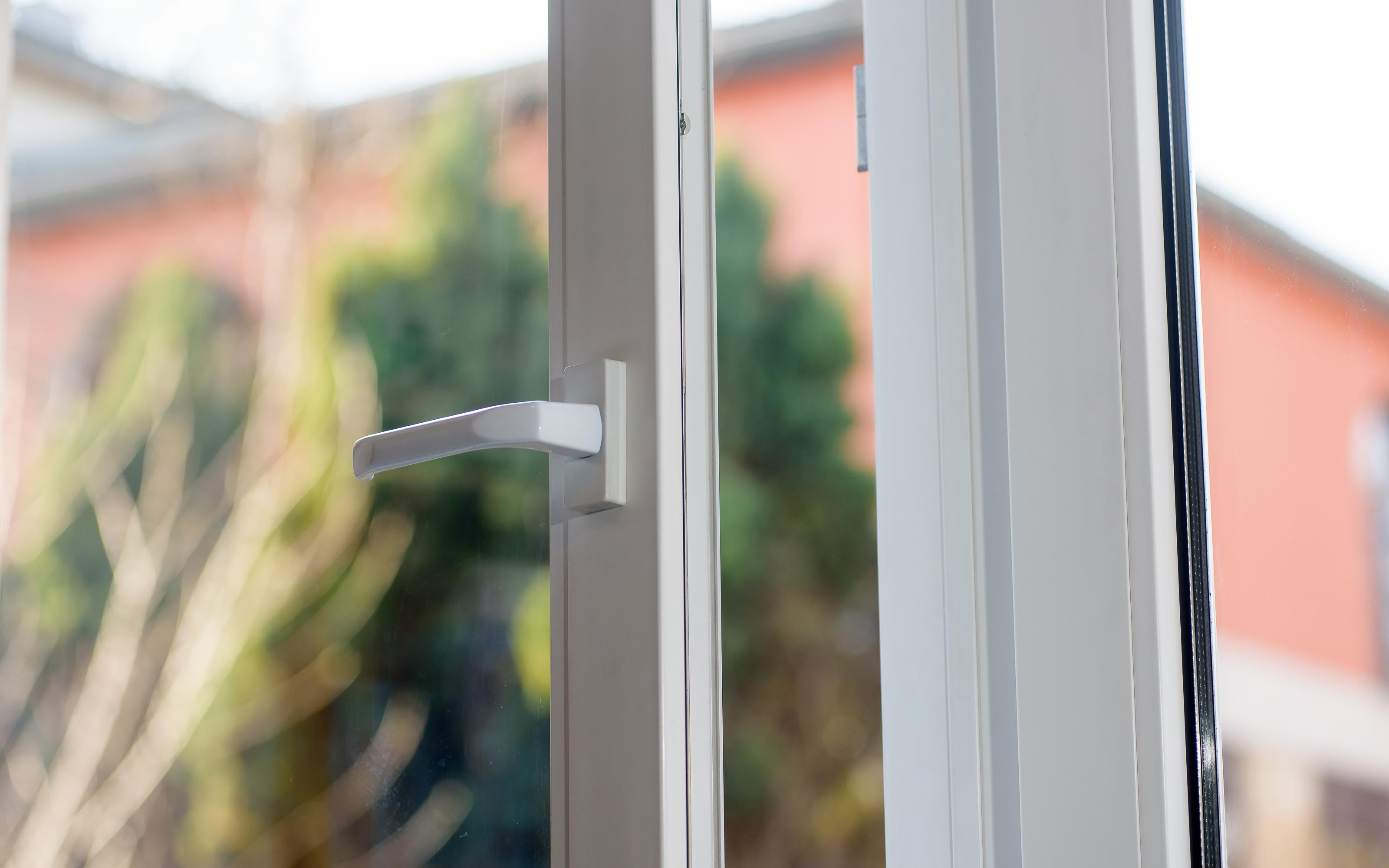
Many Southwest homeowners take pride in handling simple home repairs themselves. Vinyl windows make this easier because their components are designed for convenience, easy cleaning, and straightforward maintenance. When certain parts wear out, you may not need a full window replacement. Instead, replacing balances, tilt latches, locks, weatherstripping, or damaged screens can quickly restore proper function and improve energy performance.
From vinyl and aluminum windows and doors to cabinets, countertops, and skylights, The Window Depot is Southwest's one stop shop for dependable remodeling materials. Whether you are repairing a single window or upgrading multiple rooms, their team provides trusted products, great prices, and expert guidance.
Why Should You Consider DIY for Vinyl Window Replacement Parts?
Not every window issue requires a full replacement. Vinyl window systems are built with modular, replaceable parts that can be swapped out when they break, loosen, or stop functioning correctly.
DIY vinyl repairs offer several advantages:
- Reduced cost: Replacing a latch or balance costs significantly less than replacing a full window.
- Immediate improvement: Fixing sticking or drafty windows improves comfort right away.
- Extended lifespan: Replacing worn components helps your windows last longer.
- Better home energy performance: Proper seals and functioning parts reduce air leakage.
For Southwest homeowners, these benefits are especially valuable. Constant sun exposure, abrasive dust, and rapid temperature changes cause faster wear on window components. Replacing the affected parts early prevents further damage and preserves energy efficiency.
What Should You Assess Before Starting a DIY Vinyl Window Repair?
A proper assessment is the first and most important step. Before buying replacement parts, ask yourself:
Is the issue with the window part or the frame structure?
If the frame is cracked, warped, or bowing, replacing parts will not solve the core problem.
Is the glass compromised?
Fogging between panes indicates seal failure, which requires a more advanced repair or full replacement.
Is the window no longer opening, tilting, or locking smoothly?
This usually means balances, tilt latches, or sash locks are failing.
Are there drafts, dust buildup, or heat loss?
This often points to worn weatherstripping, loose sash fits, or poorly seated frames. A clear assessment helps you avoid unnecessary purchases. If you need help identifying the issue, visit The Window Depot location nearest you.
What Tools Do You Need for Installing Vinyl Window Replacement Parts?
You do not need specialized equipment to complete most vinyl window repairs. Prepare these essentials before you begin:
- Tape measure for accurate sizing
- Flathead and Phillips screwdrivers
- Utility knife for removing old caulk or weatherstripping
- Putty knife for prying off damaged components
- Caulk and caulking gun for sealing gaps
- Replacement parts matched to your window model
- Soft cloths and cleaner for prepping the area
- Safety gloves and protective eyewear
Having everything ready prevents interruption during installation and makes the repair smoother.
How Do You Accurately Measure Vinyl Window Replacement Parts?
Incorrect measurements are the most common cause of DIY frustration. Vinyl parts must fit precisely or the window will not operate correctly.
Follow these steps for accurate measuring:
- Measure the existing part before removal: Height, width, depth, screw placement, and any unique design features.
- Measure the frame opening: Especially for balances or tilt mechanisms.
- Check manufacturer labels on the window: This helps match exact replacement components.
- Take photos on your phone: These images help specialists at The Window Depot match parts quickly.
- Bring the part into the store if unsure: This ensures a correct fit and avoids wasted purchases.
Proper measurement is essential in the Southwest, where constant expansion and contraction from heat can change fit if parts are not chosen correctly.
Which Vinyl Window Parts Can You Replace Yourself?
Vinyl windows are designed for modular repair. Here are the most common DIY replaceable parts:
1. Window Balances
These counterbalance the weight of the sash. If the sash will not stay open or drop suddenly, your balances need replacement.
2. Tilt Latches
Essential for cleaning and ventilation. Broken tilt latches prevent the window from tilting safely.
3. Weatherstripping
Worn weatherstripping is common in dusty Southwest regions. Replacing it improves insulation and reduces debris entry.
4. Sash Locks and Keepers
Loose or broken locks compromise home security but are simple to replace.
5. Window Screens
Dust storms and sun exposure often damage screens. Rebuilding or replacing them keeps insects and debris out.
6. Sash Guides and Pivot Bars
These small components help the sash slide and tilt correctly.
These repairs can usually be completed in minutes once the correct parts are on hand.
Step by Step: How Do You Replace Common Vinyl Window Parts?
Here is a general guide for the most common replacements.
Replacing Window Balances
- Open the window and tilt the sash inward.
- Lift the sash out of the frame.
- Locate the balances on each side of the frame.
- Unscrew or unclip the old balances.
- Install the new balances in the same position.
- Reinstall the sash and test movement.
Replacing Tilt Latches
- Open the sash until fully visible.
- Locate the latch covers at the top corners.
- Remove the screws holding the latch.
- Slide the old latch out.
- Insert the new latch and secure it.
Installing New Weatherstripping
- Remove old weatherstripping with a utility knife.
- Clean the channel thoroughly.
- Press or slide in new weatherstripping, depending on the style.
- Trim excess material with a sharp blade.
Replacing Sash Locks
- Open the window for easier access.
- Unscrew the existing lock and keeper.
- Position the new lock in the exact location.
- Tighten screws and test alignment.
For more guidance on selecting correct replacements, contact The Window Depot.
What Safety Tips Should You Follow During a DIY Vinyl Window Repair?
Safety matters, even for simple projects. Follow these guidelines:
- Wear gloves to avoid cuts from broken parts or sharp edges.
- Work on ground level whenever possible.
- Keep tools organized to avoid damage to vinyl materials.
- Do not force components into place; vinyl can crack under pressure.
- Ensure children and pets stay away from the workspace.
- Test the window gently after installation to avoid strain on new parts.
These steps protect both you and your window system.
What Mistakes Should DIY Homeowners Avoid?
Many DIY issues come from small oversights. Avoid these common mistakes:
Incorrect sizing
Leads to poor operation or makes installation impossible.
Using too much force
Vinyl is durable but not meant to be bent aggressively.
Skipping cleaning steps
Dust and old caulk interfere with how parts seat and seal.
Ignoring larger issues
Cracked frames, fogged glass, or sash misalignment often require professional help.
Not testing operation before sealing
Always open and close the window multiple times before applying final caulk or screws.
When Should You Call a Professional Instead of Doing It Yourself?
While many vinyl parts are DIY friendly, not every issue should be handled alone. Contact a professional if:
- The frame is cracked, soft, or warped
- Moisture is present between glass panes
- The sash does not align properly
- Window operation is severely restricted
- You have multiple broken parts across several windows
- You want to upgrade to energy efficient Low E windows
- The window is older and parts are discontinued
Southwest homes experience stronger UV damage than many other regions. This means some vinyl failures indicate deeper structural problems.
Frequently Asked Questions
- Can I replace vinyl window parts without removing the entire window?
Yes. Most parts, including balances, latches, and weatherstripping, can be replaced without removing the full window frame.
- How do I know if a part is compatible with my window?
Match manufacturer labels, take measurements, and bring the old part to The Window Depot for comparison.
- Why do vinyl parts wear out faster in the Southwest?
Sun exposure, heat expansion, dust storms, and rapid temperature swings cause faster wear.
- How long does a typical repair take?
Most repairs take between 10 and 45 minutes per window depending on the component.
- Should I upgrade instead of replacing parts?
If your windows are older, drafty, or showing structural damage, a full upgrade may offer better comfort and energy savings.
Expert Tips for Installing Vinyl Window Replacement Parts Yourself