
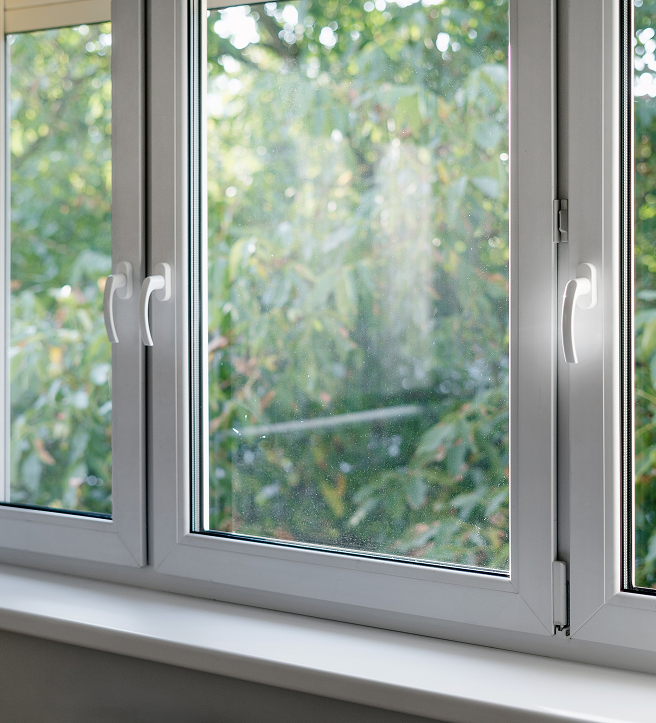
A Homeowner's Guide to the Signs It's Time to Replace Your Windows
How to tell when your windows are ready to be replaced, what those foggy panes really mean, and when a repair is enough.
Most windows do their job quietly for years, so it's easy to miss signs that they need attention. Drafts, difficulty opening or locking a window, and moisture between the panes can all point to problems worth investigating. Knowing what these signs mean helps you decide whether maintenance, a targeted repair, or replacement is the right next step.
This guide walks through the clearest signs it's time for new windows, explains what fog and condensation between the panes actually mean, and helps you decide when a repair will do and when replacement is the smarter call.
Quick answer: the main signs your windows need attention
Consider having your windows evaluated if you notice any of these:
- Fog, haze, or moisture trapped between the panes (a failed seal)
- Persistent drafts or uncomfortable temperatures near closed windows
- Higher heating and cooling use alongside other signs of poor window performance
- Windows that stick, won't stay open, or are hard to lock
- Visible rot, warping, water stains, or soft frames
- Outside noise coming through more than it used to
- Single-pane glass that no longer meets your comfort or efficiency needs
These signs do not all mean you need a whole new window. Some problems can be addressed with weatherstripping, hardware, or glass-unit replacement. Age alone is not a reason to replace a window. This guide explains how to tell the difference, starting with foggy glass.
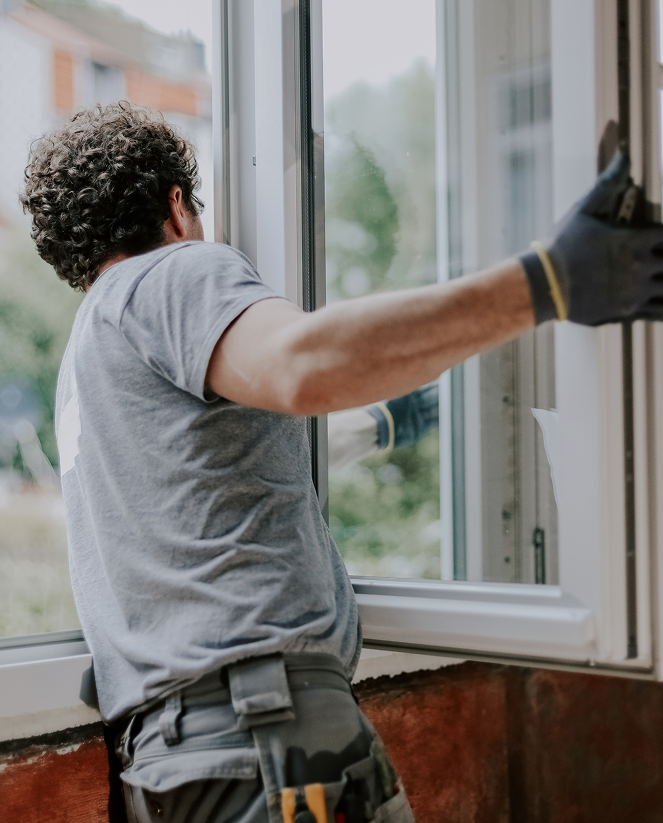
Quick answer: the main signs your windows need attention
Consider having your windows evaluated if you notice any of these:
- Fog, haze, or moisture trapped between the panes (a failed seal)
- Persistent drafts or uncomfortable temperatures near closed windows
- Higher heating and cooling use alongside other signs of poor window performance
- Windows that stick, won't stay open, or are hard to lock
- Visible rot, warping, water stains, or soft frames
- Outside noise coming through more than it used to>
- Single-pane glass that no longer meets your comfort or efficiency needs
These signs do not all mean you need a whole new window. Some problems can be addressed with weatherstripping, hardware, or glass-unit replacement. Age alone is not a reason to replace a window. This guide explains how to tell the difference, starting with foggy glass.
Why are my windows foggy or wet between the panes?
Moisture trapped between the panes of a sealed double- or triple-pane window generally indicates that the insulated glass unit's seal has failed. An insulated glass unit, or IGU, holds dry air or an insulating gas such as argon between its panes. If the edge seal deteriorates, moisture can enter the space and create condensation that cannot be wiped away from either exposed glass surface.
First, check where the condensation is forming. Moisture on the room-side glass often reflects indoor humidity meeting a cold surface, and moisture on the exterior can be normal dew. Neither alone establishes glass-unit seal failure. It is moisture trapped between the panes that warrants evaluation for a failed IGU seal.
Seal durability depends on the unit's construction, installation, and exposure. Temperature changes place stress on the glass and edge seals, while poor drainage and prolonged moisture exposure can contribute to deterioration. There is no single age at which all window seals fail. In the strong sun and wide temperature swings common across Arizona, New Mexico, and the broader Southwest, that daily expansion and contraction can be especially demanding on edge seals. A failed seal can reduce energy efficiency, particularly if insulating gas is lost. The effect depends on the glass, coatings, and condition of the unit. Fogging alone does not show how much insulating performance has been lost or whether the change will noticeably affect your energy bills.
Quick checklist: should you consider window replacement?
Use this checklist to identify issues worth evaluating:
- Fog, haze, or moisture between the panes
- Persistent drafts or uncomfortable temperatures near closed windows
- Higher energy use alongside other signs of poor window performance
- Windows that stick, drift shut, or won't lock
- Rot, warping, soft frames, or water stains
- More outside noise than before
- Single-pane glass that no longer meets your comfort or efficiency needs
Several concerns together are a reason to compare repair and replacement options. Even one significant problem, such as a window that drops shut or will not lock, deserves prompt attention. The condition of the frame and the cause of the problem matter more than the number of boxes checked.

Quick checklist: should you consider window replacement?
Use this checklist to identify issues worth evaluating:
- Fog, haze, or moisture between the panes
- Persistent drafts or uncomfortable temperatures near closed windows
- Higher energy use alongside other signs of poor window performance
- Windows that stick, drift shut, or won't lock
- Rot, warping, soft frames, or water stains
- More outside noise than before
- Single-pane glass that no longer meets your comfort or efficiency needs
Several concerns together are a reason to compare repair and replacement options. Even one significant problem, such as a window that drops shut or will not lock, deserves prompt attention. The condition of the frame and the cause of the problem matter more than the number of boxes checked.
Can foggy windows be fixed, or do they need replacing?
When a window fogs up, you generally have two paths: replace the sealed glass unit and keep the existing frame, or replace the whole window. Replacing just the insulated glass unit can work when the frame and sash are still sound and a matching unit is available.
In practice, glass-only replacement is not always the cheaper route. On older or discontinued windows, a matching insulated glass unit can be hard to source, and fitting new glass into an aging frame adds labor, so the cost can approach or exceed the price of a new window that performs better.
Defogging services may clear the visible moisture, but clearing the glass does not restore the original seal, the gas fill, or the energy performance. Because most new windows carry a lifetime or limited lifetime warranty, buying new is often the better long-term value, especially when the existing frame is near the end of its service. The Window Depot's own Southwest brand, SI Windows, is built in Tucson for the region's heat and backs its aluminum and vinyl windows with a Limited Lifetime Warranty.
Compare the glass-replacement quote against a new-window quote, including installation and warranty coverage, before you decide. Our breakdown of replacement window costs can help you weigh the two options.
What are the other signs it's time to replace your windows?
What are the other signs it's time to replace your windows?
You feel drafts or temperature changes near closed windows
Persistent drafts are a reason to inspect weatherstripping, frame joints, and the installation. Feeling cold near a window does not always mean outside air is entering: indoor air can cool beside the glass and sink, creating a draft-like sensation. Heat passing through the glass can also affect comfort without an air leak.
Your energy bills are creeping up
Inefficient windows can contribute to heating and cooling costs, but higher bills alone do not identify the cause. Compare energy use as well as rates, and consider changes in weather, thermostat settings, and heating or cooling equipment. A home energy assessment can help identify where improvements will be most useful.
They stick, won't stay open, or are hard to lock
These problems can come from worn hardware or balances, dirt in the tracks, misalignment, or damaged frames. Some can be repaired without replacing the entire window. A window that drops shut or will not lock needs prompt attention to restore safe operation and security.
You see rot, warping, water stains, or soft spots
Soft or rotting wood and recurring water stains warrant investigation for moisture problems. Warping and peeling finishes can have other causes, including heat exposure or installation problems. Find and address the cause, because unresolved water intrusion can damage the surrounding wall. Extensive frame damage may make replacement the best option.
Outside noise comes through more than it used to
Check for gaps, worn weatherstripping, and windows that no longer close tightly. Noise can also reflect the glazing's sound-reduction capability or changes outdoors. Increased noise alone does not establish that the glass-unit seal has failed or insulating gas has escaped. [6]
You still have single-pane windows
Single-pane windows generally provide less insulation than today's double-pane insulating glass, so replacing them with energy-efficient windows built for hot climates can improve comfort and lower heating and cooling use. This is more about performance than age: upgrade when you want better efficiency and comfort, not simply because a window has been in place for years.
Repair or replace: how do I decide?
Repair or replace: how do I decide?

Lean toward repair
When the frame is sound and the problem can be fixed by replacing weatherstripping, hardware, or a failed glass unit, and a matching glass unit is still available. Having more than one affected window does not automatically mean you need full replacement. Check parts availability, warranty coverage, and repair costs before deciding.

Lean toward replacement
When frames are substantially deteriorated, windows cannot be restored to reliable operation with practical repairs, or a new window better meets your comfort and efficiency goals. New windows also come with current warranty coverage that older repaired units no longer carry. Properly selected and installed windows improve performance, though energy savings alone may not cover the full cost, so weigh the comfort and reliability gains and the warranty coverage alongside the bills.
When you are not sure which way to go, a qualified window professional can assess the condition and cause of the problems. The Window Depot's team can discuss replacement products that fit your project and budget, and our window replacement guide walks through what to expect.
FREQUENTLY ASKED QUESTIONS
Why are my windows foggy between the panes?
Moisture between the panes of a sealed insulated glass unit generally indicates seal failure. Moisture has entered the space between the panes, where surface cleaning cannot reach it. Seal failure can reduce energy performance, but fogging alone does not show how much insulation has been lost.
Can foggy double-pane windows be fixed?
Sometimes, by replacing the sealed insulated glass unit while keeping a sound frame. On older or discontinued windows, a matching glass unit can be hard to find and the cost can approach or exceed a new window, so compare both quotes, including installation and warranty. Defogging clears the moisture but does not restore the seal or the energy performance.
Does condensation mean I need new windows?
It depends on where it appears. Room-side condensation often reflects indoor humidity meeting a cold surface, while exterior condensation can be normal dew. Moisture trapped between the panes of a sealed double- or triple-pane window generally indicates seal failure. A glass-unit or sash replacement may resolve that problem without replacing the whole window.
How do I know if I need new windows or just a repair?
Repair can make sense for worn weatherstripping, faulty hardware, or failed glass units when the frames remain sound. Replacement may be more practical when frames are substantially damaged, when a matching glass unit is hard to source, or when repairs will not restore reliable operation. Compare the condition, the costs, and the warranty coverage of each option.
Do foggy windows really raise my energy bills?
They can contribute to higher heating and cooling costs, but the effect varies. A failed glass-unit seal can reduce energy performance, particularly if insulating gas is lost. Fogging alone does not show how much efficiency has been lost or whether the change will noticeably affect your bills.
Is it worth replacing windows one at a time?
It can be. If one window needs replacement and the rest are in good shape, addressing that window alone is reasonable. Replacing several windows together may reduce installation cost per window, but compare itemized quotes. A phased approach can also help you prioritize urgent problems and manage your budget.









How Can We Help?
COMPARE ITEMS
Quick View
{{product.item_name}}
Select Item For Bundle
{{attribute.value}}
{{attribute.value}}
{{{product.item_description}}}
- {{selling_point}}
| Location | Stock | |
|---|---|---|
| {{location.warehouse}} | {{location.quantity}} |
{{product.item_name}}
{{{product.item_description}}}
{{attribute.value}}
{{attribute.value}}
{{{product.item_description}}}
- {{selling_point}}
Configure your product
{{product.item_name}}
{{{ product.item_description }}}
Item Code: {{product.item_sku || ''}}