3 Signs Your Patio Doors Are Hurting Your Energy Efficiency This Summer

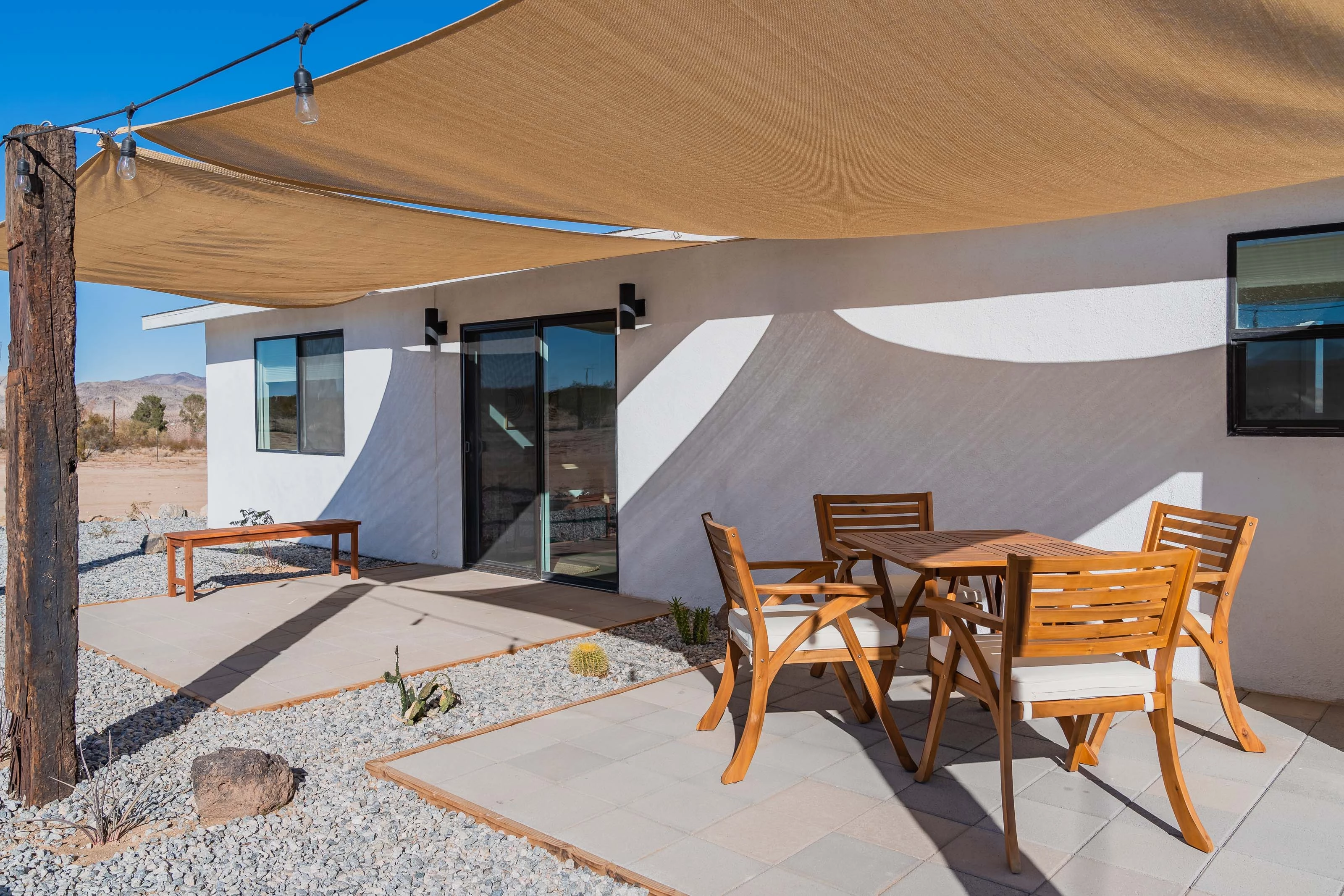
When temperatures rise in Arizona, New Mexico, Texas, and Southern California, keeping cool air inside becomes a challenge. Many homeowners focus on windows and insulation first, but patio doors can be one of the biggest sources of heat gain in a home. Older doors or doors with worn weather seals allow heat to move indoors, forcing your air conditioner to work harder.
Below are the three most common signs that your patio doors may be hurting your energy efficiency, plus simple fixes and long-term upgrades that improve comfort before peak heat arrives.
1. Why does the area around your patio door feel hot?
If you stand near your patio door and the temperature suddenly feels warmer, your door may be allowing heat and UV rays into your home. Single-pane glass and older frames transfer heat easily, especially during extreme summer weather. This drives up cooling costs and allows sunlight to fade flooring and furniture.
Quick Fix: Use UV-filtering window film or thermal curtains to reduce heat gain temporarily.
Long-Term Upgrade: Modern patio doors with Low-E glass and dual-pane construction block infrared heat and improve insulation. Homeowners in hot climates often choose vinyl patio doors from Milgard or energy-efficient aluminum sliders available at The Window Depot.
2. Why is your patio door getting harder to open or close?
Summer heat can cause older frames, especially wood or worn vinyl, to expand. When a patio door no longer slides smoothly, it often means the frame is warping or the track is damaged. This small issue becomes a major energy problem because a door that does not close tightly cannot keep cool air inside.
Quick Fix: Clear debris from the track and lubricate the rollers to improve movement.
Long-Term Upgrade: If the frame is swollen or misaligned, replacement is often the smartest choice. Durable options like the 5000 Series Sliding Patio Door or aluminum sliding doors from The Window Depot maintain a tight seal and smooth operation even during extreme heat.
3. Do you see fogging between the glass or feel drafts around the frame?
Fogging between panes is a sign of a broken seal, which means your patio door is no longer insulating the way it should. A constant draft near the frame also signals energy loss, especially during windy days or extreme temperature shifts.
Quick Fix: Temporary weatherstripping or caulking can help reduce drafts for a short time.
Long-Term Upgrade: Dual-pane patio doors with advanced sealing systems prevent heat transfer and keep interior temperatures stable. The California 1 Inch Setback 5000 Series and similar modern designs offer improved insulation and sleek finishes like BlackCap for added style.
Bonus Sign: Your summer utility bills are climbing
If cooling costs rise every year even though your thermostat settings stay the same, your patio doors may be allowing heat into your home. A worn frame or outdated glass can break your home’s thermal barrier and overload your cooling system.
Quick Fix: Use a simple candle test to locate air leaks around the door.
Long-Term Upgrade: Replacing older patio doors with modern, energy-efficient models reduces HVAC strain and improves comfort. Popular choices include Milgard vinyl sliders, French patio doors, and high-performance aluminum options.
Upgrade Your Patio Doors for Better Comfort This Summer
Patio doors should give you a clear view of the outdoors without letting heat take over your home. If you notice drafts, fogging, sticking, or rising utility bills, it may be time to explore a more efficient option.
The Window Depot offers a wide range of patio door solutions designed for hot climates, including vinyl sliders, aluminum patio doors, and stylish French options built for energy performance.
If you want cooler rooms and lower energy bills before summer hits, visit your nearest Window Depot location to browse patio doors that are made to handle the heat.
FAQ About Patio Doors
1. How do I know if my patio doors are causing energy loss?
You may feel heat near the glass, notice drafts around the frame, or see fogging between the panes. Rising cooling bills are another strong sign.
2. What type of patio door is best for hot climates like Arizona or New Mexico?
Dual-pane vinyl or aluminum sliding patio doors with Low-E glass are ideal because they reflect heat, reduce UV exposure, and help maintain indoor comfort.
3. Can I improve my patio door’s energy efficiency without replacing it?
Yes, you can add weatherstripping, apply UV-filtering film, or clean and lubricate the track. These are temporary improvements and may not fix deeper issues.
4. Why does my sliding patio door stick in the summer?
Heat can cause older materials to swell or warp, which prevents the door from sealing tightly. It also affects the track and rollers, reducing smooth movement.
5. When is the best time to replace patio doors for maximum energy savings?
Early spring is the best time because installation demand is lower, temperatures are moderate, and your home becomes more efficient before peak summer heat arrives.
3 Signs Your Patio Doors Are Hurting Your Energy Efficiency This Summer