
Call Today 800-593-4740
A Homeowner’s Guide to Skylights: How Natural Light Can Transform Your Home

Adding a skylight is one of the most effective ways to brighten your home, improve energy efficiency, and boost property value. More than just a stylish feature, skylights combine design and function, helping you make the most of natural light while reducing reliance on artificial lighting.
Your Complete Guide to Skylights
and why they are worth it.
Whether you’re renovating or simply upgrading a single space, this guide explains why skylights are worth the investment and how to choose the right one for your home.
Shop Skylights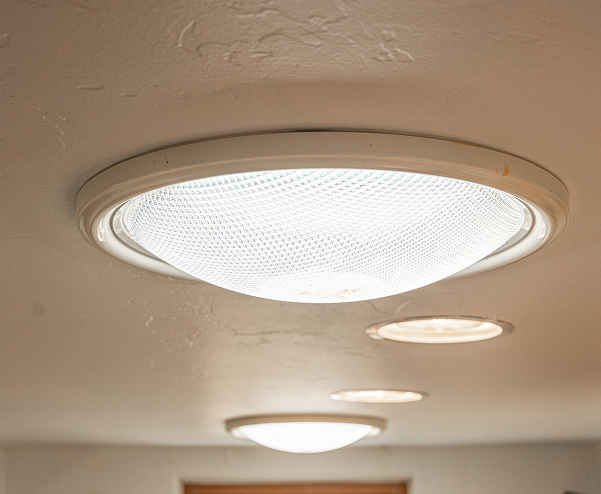
Why Install a Skylight?
Skylights provide more than visual appeal. They
can improve your home’s comfort, energy
performance, and overall mood. Here’s how:
Save on Energy Costs
By bringing in abundant natural light, skylights help reduce the need for electric lighting during the day. Homes that install skylights in key areas, such as living rooms, kitchens, and offices, often see noticeable savings on utility bills.
Though not as tightly For best results, choose an energy-efficient skylight that minimizes heat transfer. Models with Low-E coatings and insulated glazing allow sunlight in while helping maintain indoor temperatures. This means your HVAC system won’t have to work as hard to heat or cool your space.sealed as casement designs, double-hung windows perform well with modern glass packages. Springs or balances may need service, but repairs are simple and affordable. Their real strength is versatility. They suit historic Colonials as easily as modern farmhouses. This broad appeal also makes them one of the safest choices for resale value.
Pro Tip from The Window Depot: Place skylights in rooms that don’t receive much natural light from windows. That’s where they’ll provide the biggest energy savings.
Improve Your Health with Natural Light
The style of window you Exposure to natural daylight offers proven health benefits. It supports your circadian rhythm, improves sleep, and can boost mood, productivity, and energy levels. choose impacts far more than appearance. It affects airflow, natural light, and even how easy they are to clean and maintain. Design also ties directly to efficiency, some windows seal tighter, lowering heating and cooling costs. And if you plan to sell, buyers notice whether your windows look modern, perform well, and suit your home’s architecture.
Natural light also enhances color perception and reduces eye strain, something that artificial lighting often can’t match. A well-placed skylight can transform a dim kitchen, hallway, or home office into a bright, inviting space that feels more open and uplifting.
Enhance the Look and Feel of Your Home
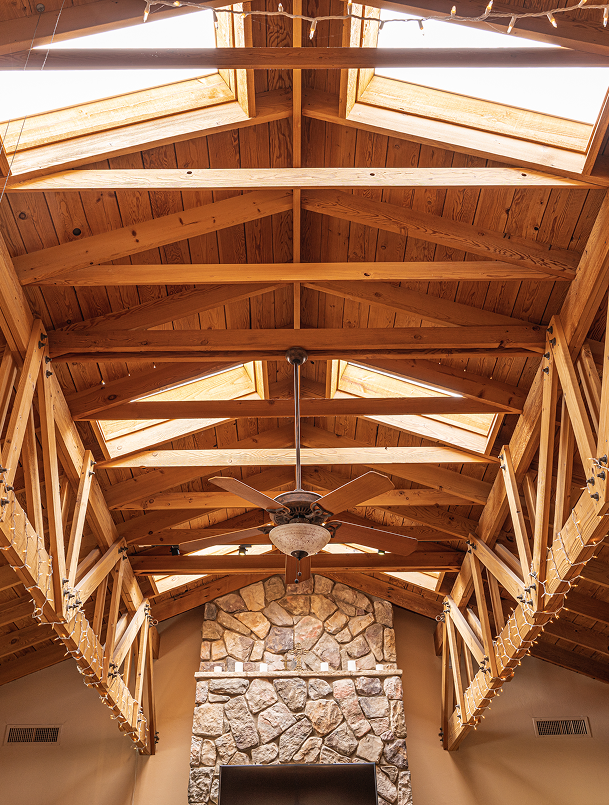
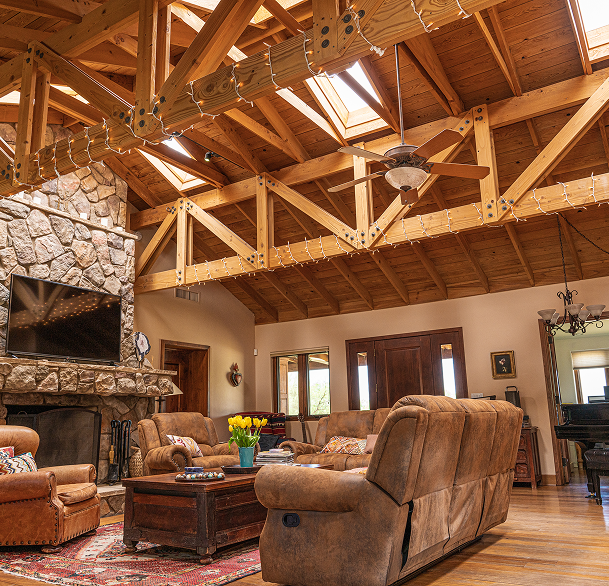
Skylights make any room look larger, brighter, and more welcoming. Whether you’re working with a small bathroom or a dark entryway, adding overhead light can instantly change the atmosphere.To maximize the effect, combine a skylight with reflective wall colors, mirrors, and light cabinetry to amplify brightness throughout the room. The result is a space that feels both spacious and balanced.
Increase Your Home’s Resale Value
Homebuyers appreciate natural light and energy efficiency. Installing skylights can make your property more appealing and may increase its resale value.
Features like Velux skylights and venting options are especially attractive to buyers who want modern design paired with functional comfort. By upgrading before you sell, you can stand out in competitive markets where natural light and eco-friendly features are top priorities.
Pro Tip from The Window Depot: If energy savings are a top priority, invest in upgraded glass packages. Even sliding windows, which typically rate lower in efficiency, can perform extremely well with the right glass technology.
Choosing the Right Skylight
Not all skylights are created equal. At The Window Depot, we offer a complete line of options designed to fit your needs, roofline, and climate.
Skylight types include:
Fixed Skylights
Ideal for letting in light without
additional airflow.
Venting Skylights
Open manually or electronically to
improve ventilation.
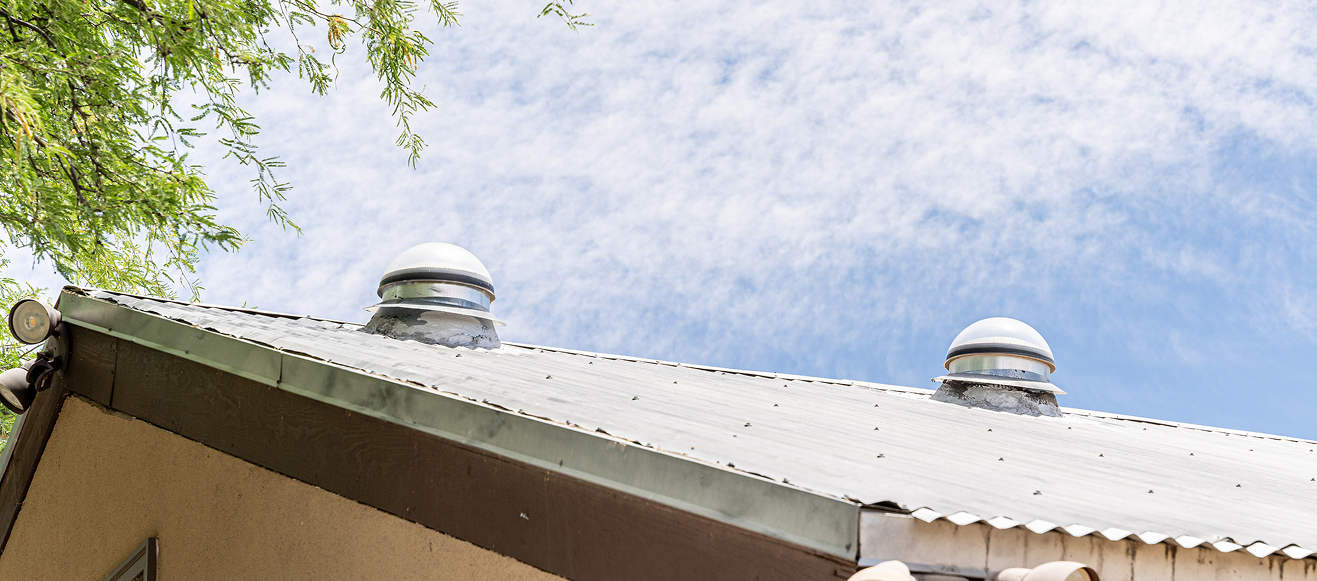
Tubular Skylights
Perfect for hallways, closets, and compact
areas where a traditional skylight may not fit.
Domes
Designed to refresh and restore
existing skylight systems.
Each style is crafted for durability, weather resistance, and superior insulation — key factors for maintaining year-round efficiency.
What Makes a Skylight Energy-Efficient?
An energy-efficient skylight allows natural light in without letting indoor heat escape or outdoor heat enter. Several key features make this possible:
- Low-E Coatings: These thin, invisible layers on the glass reflect infrared heat while letting visible light pass through, keeping rooms cooler in summer and warmer in winter.
- Insulated Glazing: Double or triple-pane skylights with gas-filled layers reduce heat transfer and improve sound insulation.
- Weather-Resistant Flashing: Proper flashing prevents leaks, seals air gaps, and adds an extra layer of moisture protection around the skylight frame.
Ventilation Control: Vented models improve airflow, helping maintain balanced indoor humidity and preventing condensation buildup.
How to Choose the Best Location for a Skylight
The placement of your skylight determines how much light you get and how efficiently it performs. Before installation, consider where sunlight enters your home throughout the day. South-facing skylights bring in the most light, but they can also increase heat gain in warmer climates. North-facing skylights provide steady, indirect light that works well for bedrooms, hallways, and offices.
In areas like Arizona, New Mexico, and Texas, skylights with solar control coatings or built-in shades help regulate temperature while maintaining brightness. If your home is near the coast, such as in Southern California, positioning skylights away from direct afternoon sun helps prevent glare and keeps indoor spaces cooler.
Also consider how the roof slope affects your light exposure. Steeper pitches direct more sunlight downward, while flatter roofs allow for softer, diffused light. Working with an expert ensures the skylight’s angle and orientation complement your home’s design while maintaining energy efficiency.
The Expert’s Take: Making Skylights Work Smarter
Installing a skylight isn’t just about aesthetics; it’s about performance. At The Window Depot, we’ve worked with homeowners across Arizona, New Mexico, Texas, and Southern California, helping them select skylights that enhance natural light without overheating their interiors.
Our team often recommends Low-E coated skylights with solar control glass, especially for desert climates, where sunlight is intense and air conditioning costs are high. These models allow in light while blocking heat and UV rays, keeping rooms cooler and furniture protected.
In more humid or coastal areas, vented skylights paired with moisture-resistant flashing improve air circulation and reduce humidity buildup, which helps preserve interior finishes and indoor air quality. Taking the time to choose the right model for your climate ensures lasting comfort, improved efficiency, and stronger long-term value for your home.
Frequently Asked Questions About Skylights
1. How much energy can a skylight save?
Homeowners who install energy-efficient skylights in key rooms can reduce lighting costs by up to 30 percent each year. Savings vary based on skylight placement, room usage, and the amount of natural light already available.
2. What is the best type of skylight for hot climates?
Fixed or venting skylights with Low-E glass are ideal for warm regions because they allow natural light in while reducing heat transfer. Solar control glass can also help limit excess heat gain.
3. Can skylights help with ventilation?
Yes. Venting skylights improve airflow and can help reduce humidity, especially in bathrooms, kitchens, and other areas that benefit from better air circulation.
4. How long does a skylight last?
A quality skylight can last 20 to 30 years or more when properly installed and maintained. Lifespan depends on installation quality, weather exposure, and routine care.
5. Will installing a skylight increase my home’s value?
Yes. Skylights can increase buyer appeal by improving natural light, boosting energy efficiency, and making spaces feel more open and comfortable.
6. Where is the best place to install a skylight in a home?
The best location depends on your goal. Kitchens, living rooms, hallways, and bathrooms are popular because they often need more natural light. North-facing skylights provide steady light, while south-facing skylights bring stronger light but may increase heat gain without solar control glass.
7. Do skylights make a room hotter in the summer?
They can if the skylight is not energy efficient. Skylights with Low-E glass, insulated glazing, and proper flashing help reduce heat transfer. In hot climates, solar control coatings or built-in shades can also help maintain comfortable indoor temperatures.